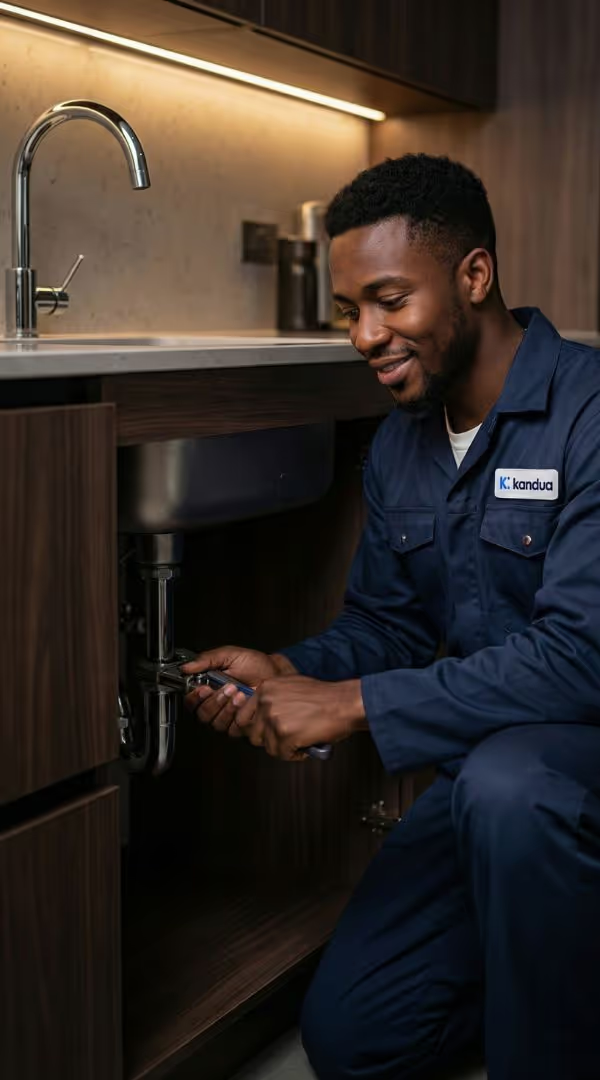
Plumber for Fridge Installation
Thinking of getting a new fridge with a water dispenser or ice maker? Connecting it to your home's water supply is a job for a plumber. This service, which typically costs between R1,500 and R3,500 in South Africa and takes a few hours, ensures you get to enjoy chilled, filtered water and ice on demand without the risk of leaks and water damage.
The Importance of Professional Fridge Installation
A modern fridge with a built-in water dispenser and ice maker is a fantastic upgrade for any kitchen, but it’s not just a plug-and-play appliance. To get those convenient features working, it needs to be connected to your home's water supply. While it might seem like a simple task, this is where many homeowners run into trouble. A poorly installed water line can lead to slow, hidden leaks that cause extensive damage to your floors, cabinets, and subfloor, turning a simple convenience into a costly headache.
A professional plumber understands the risks involved and has the expertise to ensure a safe, watertight, and compliant installation that adheres to South African National Standards (SANS 10252-1). They know how to handle varying water pressures, select the correct materials, and create secure connections that won’t fail over time.
How a Professional Plumber Installs a Fridge Water Line
When you hire a professional for your fridge installation, they will follow a proven process to ensure everything is done correctly and safely. Here’s a typical rundown of what you can expect:
- Initial Assessment: The plumber will first inspect your kitchen to determine the best location to tap into your home's cold water supply. The most common and convenient spot is the cold water line under your kitchen sink. They'll also check the distance to your fridge and the space available behind it.
- Sourcing Materials: Based on the assessment, the plumber will select the appropriate materials. This usually includes a quality water line (either copper or flexible braided steel), a shut-off valve, and the necessary fittings to create a secure connection.
- The Connection: The plumber will turn off your home's main water supply. They will then professionally cut into the existing water pipe, installing a proper T-fitting and a dedicated shut-off valve for the fridge. This valve is a critical component, as it allows you to easily turn off the water to your fridge for maintenance or in case of a problem without affecting the rest of your home.
- Running the Line: The plumber will run the water line from the new shut-off valve to the back of the fridge. They will ensure the line is routed neatly and securely, often behind cabinets or kick plates, to prevent kinking or damage. They’ll leave enough slack behind the fridge so it can be moved for cleaning without stressing the pipe.
- Final Connections and Testing: Once the line is in place, they will connect it to the back of your fridge. After all connections are tightened, they will turn the water supply back on and meticulously check every single connection point for even the smallest sign of a leak. A true professional will also test the water dispenser and ice maker to ensure they are functioning correctly before they leave.
The Value of Professional Expertise
The risk of a botched DIY fridge installation is very real. A seemingly simple task can go wrong in many ways:
- Leaks and Water Damage: An improperly tightened fitting or a kinked hose can lead to a slow leak that goes unnoticed for weeks. This can cause severe damage to your kitchen cabinetry, flooring, and even the structural elements of your home. The cost of these repairs can far outweigh the cost of a professional installation.
- Appliance Damage: South African water pressure can be inconsistent. A professional plumber will check your home's water pressure and install a pressure-reducing valve if needed. High pressure can put undue strain on your fridge’s internal components, potentially voiding the manufacturer’s warranty.
- Incorrect Materials: Using the wrong type of tubing or a cheap, unreliable self-piercing saddle valve can lead to future problems. A professional knows which materials are durable and safe for a long-lasting, reliable connection.
Investing in a professional plumber for your fridge installation isn't just about convenience—it's about protecting your home and your new appliance from preventable and costly damage.
Insights from Our Experts
The Secret to Fresh Water & Ice: Why You Need a Fridge Water Line (and How It Works)A fridge water line is the essential pipe that connects your refrigerator to your home's water supply, enabling the water dispenser and ice maker. Jabu Ndlovu, a top-rated Kandua plumber from Johannesburg, says, "The convenience is a game-changer, especially during our hot summers. It’s an endless supply of filtered water and automatic ice, which is a major win for any family." This simple system provides a seamless and sustainable alternative to bottled water.
Fridge Water Line Installation Cost in SA: A Guide to Getting Fresh Water & IceThe cost of installing a fridge water line in South Africa typically ranges from R900 to R3,500. This price is influenced by factors like the distance between the fridge and the water source, the type of materials used (e.g., copper vs. flexible braided steel), and the complexity of the job. For instance, a simple installation near the kitchen sink will be at the lower end of the scale, while a complex job that requires running a line across a room will be more expensive. For a detailed price breakdown, see our Cost Guide: Plumber Costs in South Africa.
Connecting Your Fridge: Choosing the Right Water Line Kit and Installation ServiceWhen selecting a water line, there's a choice between rigid copper and flexible braided stainless steel. While copper is durable, braided steel is often easier to install in tight spaces and is highly resistant to kinking. "Braided steel is my go-to for most kitchens," Jabu advises. "It’s easier to install behind cabinets and resists kinking, which prevents flow problems." He also stresses that a professional installation protects your appliance’s warranty and prevents major leaks.
Connecting Your Fridge's Water Line: Ensuring Safety and Preventing Costly Leaks in SA HomesSafety is paramount. "I once fixed a DIY job where a cheap saddle valve caused a slow leak that ruined a client's new kitchen floor," Jabu recalls. "The repair cost thousands. This is why hiring a qualified plumber who understands South African regulations like SANS 10252-1 for water supply is a non-negotiable investment." South African regulations like SANS 10252-1 for water supply is a non-negotiable investment."
Maintaining Your Fridge Water Line in SA: Once your fridge water line is installed, a little maintenance goes a long way. Regularly check for leaks by visually inspecting and touching the connections. A common point of failure is a clogged filter, which can lead to reduced water flow and poor water quality. Most manufacturers recommend replacing the filter every six months. By performing these simple checks, you can ensure your system remains leak-free and your water stays fresh.
Customer Stories and Results
The Naidoo family in Pretoria had just installed new wooden floors and were worried about potential water damage from their new fridge. Their Kandua plumber installed a high-quality braided steel line, ensuring every connection was perfectly sealed. "The peace of mind was worth every rand," said Mrs. Naidoo. "We can enjoy the convenience without worrying about a hidden leak ruining our floors."
Ben and Sarah, a couple in a water-conscious Cape Town apartment, were having trouble with their ice maker. Their plumber discovered a kink in the DIY-installed line was restricting water flow. He not only rerouted the line correctly but also checked that the connection was efficient to align with city water-saving priorities. The ice maker worked perfectly, and the couple was grateful the job was done right.
Checklist: Before Your Plumber Arrives
To ensure a smooth and quick installation, here are a few things you can do before your Kandua Pro arrives:
- Clear the Area: Make sure the space behind your fridge and around your kitchen sink is clear and accessible.
- Know Your Fridge Model: Have the make and model of your refrigerator handy in case the plumber has specific questions.
- Locate Your Main Water Shut-Off: Know where your home's main water shut-off valve is located, as the plumber will need to use it.
- Plan for No Water: Be prepared to be without water for about 15-30 minutes during the installation.
Frequently Asked Questions
Q: What should I expect to pay for a fridge water line installation in South Africa?
Between R900 and R3,500. The final cost depends on the job's complexity, the materials used, and the distance from the water source.
Q: How long does a fridge water line installation take?
Typically 1 to 2 hours. A straightforward job is quick, but installations requiring drilling through cabinets or walls may take longer.
Q: Can any plumber install a fridge water line?
Yes, but always use a qualified plumber experienced with appliances. They must be familiar with South African plumbing standards (SANS 10252-1) to ensure a safe, compliant connection and protect your warranty.
Q: What are the signs of a problem with my fridge water line?
Puddles, low water pressure, or odd-tasting water. Also, look for a decrease in ice production or any unusual sounds from the back of the fridge.
Q: Is a filter necessary for my fridge water line?
Yes, if your fridge has a dispenser. The built-in filter is essential for removing impurities and improving water quality. It should be replaced every six months.
Q: Can I connect my fridge to a hot water pipe?
No, never. A fridge must only be connected to a cold water supply to prevent damage to its internal components.
Q: What's the difference between a saddle valve and a T-fitting?
A T-fitting is far more reliable. Saddle valves pierce the pipe and are prone to leaking, whereas a T-fitting is a secure, permanent connection installed by professionals.
Q: Will the plumber need to turn off my water?
Yes, for a short time. Expect the water to be off for about 15-30 minutes while the plumber makes the new connection.
Why you can trust Kandua to get it right:
At Kandua, getting your home projects done is simple, safe, and stress-free.Tell us what you need – Or let our smart AI Home Companion help diagnose your problem if you’re not sure where to start.Get answers as you go – While posting your job, you can ask our smart AI home companion anything — from understanding typical costs, to how the process works, to how long it might take. Ask questions whenever they pop up, and get clear, helpful answers instantly.We match you with the best – All our pros are 100% vetted: ID-verified, criminal background checked, certification verified, and maintaining at least a 4.5-star rating. You don’t have to worry about picking the right person — we make sure the pro we send has the right skills and certification to get your job done right.With Kandua, you can rest easy knowing you’re in safe hands from the first click to the final handshake.
Plumbers in Cape Town: what to know before you book
Water always wins eventually, which is why small plumbing issues deserve quick attention. Left alone, a slow leak becomes a damp wall, a gurgling drain becomes a blocked one, and a struggling geyser becomes a ceiling repair.
Kandua exists to make the fix easy for Cape Town homeowners: vetted plumbers, transparent guide pricing, and your exact quote confirmed upfront.
A few quick answers (so you don't have to scroll)
What separates a great plumber from an average one?
Diagnosis and honesty: testing to find the actual cause, quoting before work, and being registered for the specialised jobs that require it. Reviews from verified customers tell the rest.
What should I budget for plumbing work?
Kandua guide rates start from around R450 for a call-out and about R750 for standard repairs including the first hour, with gas repairs from roughly R850 and installations flat-priced up to around R4,500. Exact pricing is confirmed upfront.
What do I do about a burst or leaking geyser right now?
Shut the cold feed to the geyser, kill its power at the isolator or DB, and get a plumber booked. Every minute of flow you stop is damage avoided.
In Cape Town: what local homes typically need
Cape Town is the Mother City, spanning the City Bowl and Atlantic Seaboard through to the southern and northern suburbs, and its homes are everything from Victorian semis and heritage homes to modern apartments and estate living. Around Claremont, Observatory and Sea Point, that local character shapes the plumber work that comes up most often.
Winter rain finds every weak point in Cape Town's gutters, drains and waterproofing, and blocked drains surge when the first cold fronts land. The city's older homes also carry ageing pipework, and Capetonians remain leak-aware after the drought years, so fixing drips quickly is second nature.
Water-wise habits stuck after Cape Town's drought years, so leak detection, efficient fittings and greywater questions feature more here than most cities. Transfer season also brings steady demand for plumbing certificates in the municipality.
From Constantia to Pinelands, Kandua's vetted plumbers cover the greater Cape Town area, and Jess matches you with pros who actually work your streets, not just your city.
Common plumbing problems (and what they usually mean)
Around Claremont, Observatory and the rest of Cape Town, these are the plumbing complaints pros hear most, and what each one usually means.
"My water bill jumped"
An unexplained increase usually means water going where it shouldn't: a hidden leak underground, under a floor, or in a wall. Professional leak detection with acoustic or gas equipment, at about R1,950 as a guide, finds it without digging up the garden on a hunch.
"My drain keeps blocking"
Repeat blockages point to a cause: roots in the line, a collapsed or bellied section, or a buildup that rodding alone won't clear. Unblocking runs at about R750 as a guide including the first hour and rodding, and a camera inspection at around R1,850 shows exactly what's happening down there.
"My geyser is leaking, overflowing or tripping the power"
Geysers fail with warning signs: dripping overflow pipes, rumbling, lukewarm water, or tripping breakers. Repairs start from about R750 as a guide; a full replacement runs around R2,850 in labour, excluding the unit.
"Low water pressure everywhere"
Whole-house pressure loss suggests a supply-side issue, a failing pressure valve, or corroded old pipes narrowing from the inside. A plumber isolates which, then quotes the fix upfront.
When it's a DIY job, and when it isn't
Swapping a tap washer, clearing a hair-clogged basin trap, or replacing a toilet flapper are fair DIY territory for a careful homeowner with the water turned off. Know where your main shut-off is before you start.
Anything involving the geyser, gas, drainage runs, hidden leaks, or work behind walls belongs with a professional, both for safety and because botched plumbing multiplies its own repair bill through water damage.
Certifications, registrations and compliance in South Africa
For Cape Town homeowners, these are the certificates and registrations that matter, whether you're buying, selling or upgrading a home in Sea Point or anywhere nearby.
1) Plumbing Certificate of Compliance
Several municipalities require a plumbing or water installation certificate when property changes hands, and it's good practice anywhere. On Kandua, a Plumbing CoC inspection runs at about R850 as a guide.
2) PIRB registration
The Plumbing Industry Registration Board registers qualified plumbers, and certain certified work must be signed off by a registered plumber. It's a quality signal worth asking about.
3) Gas plumbing compliance
Gas work is legally reserved for registered gas installers, full stop. On Kandua, certified gas repairs run from about R850 and installations from around R1,450 as a guide, with the compliance certificate part of doing it properly.
4) Solar geysers and heat pumps
Hot water alternatives must be installed to standard to be safe, efficient and insurable. Guide labour is about R3,850 for a solar geyser installation and around R4,500 for a heat pump.
5) The electrical side
Geyser and heat pump work touches the electrical installation, so the electrical CoC can become relevant too. A good plumber flags this rather than leaving it for you to discover at transfer.
Pricing: what to budget for plumbing in Cape Town
Here's what to budget for plumbing in Cape Town, using Kandua's current guide rates. Every figure is an estimate that your Pro quotes against competitively, with the exact price confirmed before work starts.
- Call-out: from around R450, covering travel and the assessment so you can get a quote. It's all you pay if you decide not to proceed.
- Standard repairs: about R750 including the first hour of labour, covering pipes, taps, fittings and drain unblocking (rodding included).
- Certified gas work: repairs from roughly R850 and installations around R1,450, by registered gas installers.
- Geysers: repairs from about R750; full installation labour around R2,850; solar geyser installation about R3,850; heat pumps around R4,500.
- Specialised equipment: drain camera inspections about R1,850 and leak detection around R1,950, flat as a guide.
- Water systems: filtration from about R950, pump installation around R1,250, rainwater harvesting from about R1,500, tanks and backup around R2,450.
- Plumbing CoC: about R850 flat inspection fee.
- After hours: typically around 1.5 to 2 times standard rates as a guide, with emergency pricing confirmed upfront.
- Materials: quoted separately, from washers to the geyser unit itself.
For a small job, budget the standard repair rate plus parts, and if several niggles have piled up, one visit covering the lot stretches the call-out furthest.
Genuinely helpful plumbing FAQs for Cape Town
How much should I budget for a plumber in Cape Town?
Guide rates run from around R450 for a call-out, about R750 for standard repairs including the first hour, roughly R850 for certified gas repairs, and up to around R4,500 for the largest flat-priced installations. Your exact quote is confirmed upfront.
Can I get an emergency plumber in Cape Town?
You can. Kandua pros serving Cape Town take after-hours and weekend call-outs, typically at about 1.5 to 2 times standard rates as a guide, with pricing confirmed before dispatch.
Which parts of Cape Town do Kandua plumbers cover?
Vetted plumbers on Kandua work throughout Cape Town, including Claremont, Observatory, Sea Point and Constantia. Jess matches you with a pro who covers your exact area.
What does the call-out fee actually cover?
From around R450 as a guide, it covers the Pro's travel and the time to assess your job and quote. If you decline the quote, that's the only charge; if you accept, the work is priced per the guide rates.
How much is geyser installation labour?
Around R2,850 as a guide for a standard replacement, excluding the unit and materials. Retail geyser units commonly run R4,000 to R9,000 or more depending on size and type, and your Pro quotes everything upfront.
Is leak detection worth it compared to just opening the wall?
Almost always. At about R1,950 flat as a guide, acoustic or gas detection pinpoints the leak first, so you open one spot instead of three. It usually pays for itself in avoided repair work.
Who is allowed to work on gas plumbing?
Only registered gas installers, by law. On Kandua, certified gas repairs run from about R850 and installations from around R1,450 as a guide, with the compliance certificate part of the job.
How do I prepare for the plumber's visit?
Know where your main shut-off is, note what's happening and when it started, and photograph the problem area if you can. Clear information means a sharper quote and a faster fix.
Should quotes include VAT?
Always confirm. Some plumbers quote excluding VAT, so when comparing quotes make sure you're comparing like for like: VAT, call-out and materials included or not.
Book with confidence: vetted plumbers in Cape Town, guide rates published upfront, and your exact quote confirmed before any work begins.