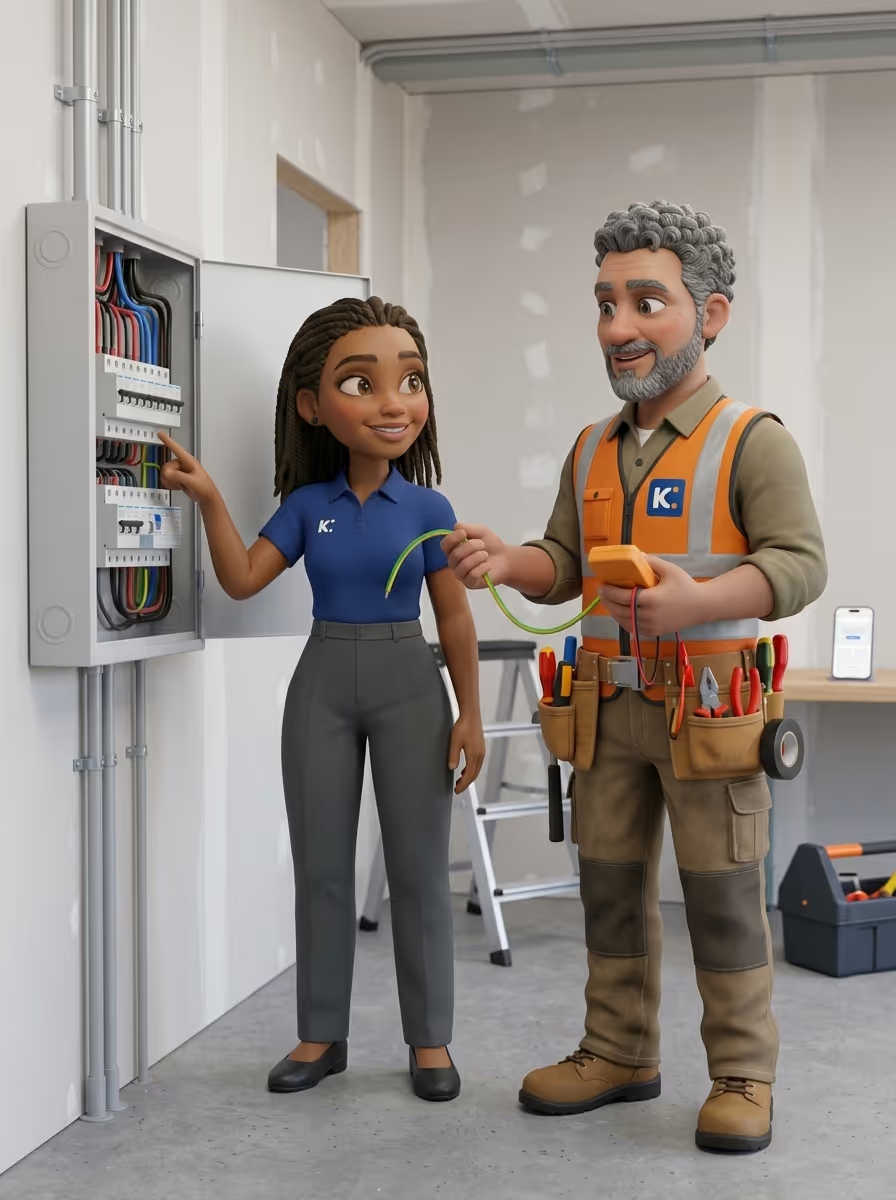
Vetted plumbers near you. Book now.
Post your job by telling us what you need help with. We'll connect you with a vetted Pro nearby to get a quote and get it done.




How to book a Plumber near you
No jargon, no endless scrolling. Just tell us what you need help with then let us handle the rest.
Just describe what's happening at home. We'll figure out what's actually wrong and connect you with a vetted tradesperson to sort it.
Skip the scrolling. We connect you with 4.6★+ rated, background-checked tradespeople ready to help near you.
Track your job, get and approve your quote and pay securely in one flow: start to finish, all in one place.
Top rated Plumbers in South Africa

Sinovich specialises in plumbing Certificates of Compliance, giving Cape Town and Johannesburg homeowners smooth, professional sign-off for property sales and insurance.

Dave's Electrical Co gets water moving again, specialising in fast, effective drain and sewer unblocking for homes in Cape Town and Johannesburg.
Princem Construction finds and fixes the problem fast, offering Johannesburg and Pretoria drain unblocking and camera inspections, leak detection, geyser repairs and solar geyser installations.

Ndlomazi Projects specialises in appliance installations in Cape Town, getting fridges, washing machines and dishwashers connected, level and running properly the first time.
Dela Cruz Services keeps Cape Town water systems flowing, from water tanks and backup supply to solar geyser work, pumps, pipe repairs, drain unblocking and plumbing COCs.
Energy Tree Corporation offers professional fridge and dishwasher installations in Cape Town, with Wilmore Choto delivering neat connections and reliable service every time.
Sibinza Electrical Engineers, led by Shaheen Boughan, installs Geyserwise smart geyser controllers for Pretoria homes, helping households cut electricity costs and extend geyser life.
Boulo Properties handles the plumbing essentials for Johannesburg and Pretoria homes — geyser installations and repairs, drain and sewer unblocking, and plumbing COCs.
Serving Johannesburg and Pretoria, Dzimuve Supply and Projects installs dishwashers, washing machines and fridges with careful workmanship and a friendly, professional approach.
Kuypers Plumbing makes appliance day easy for Cape Town homeowners, with Dylan installing dishwashers, fridges and washing machines properly connected and tested.
Plumber reviews near you
I used Wesley to unblock the drain and repair the geyser at my house. He is hardworking, reliable, and knowledgeable of his work. His prices are reasonable, he does the work quickly, and his work s up to standard. His workmanship is good, there were no complaints, and he cleans up afterward. I recommend him to others.
He is very good at what he does and he is an honest guy, he is also very reliable. I don't have any complains regarding him and his services, I can highly recommend him.

Didn't have any problems doing the job, he educated me with how my water line is going and added few features that wasn't existing before. Professional and hard worker who likes and respect his work.
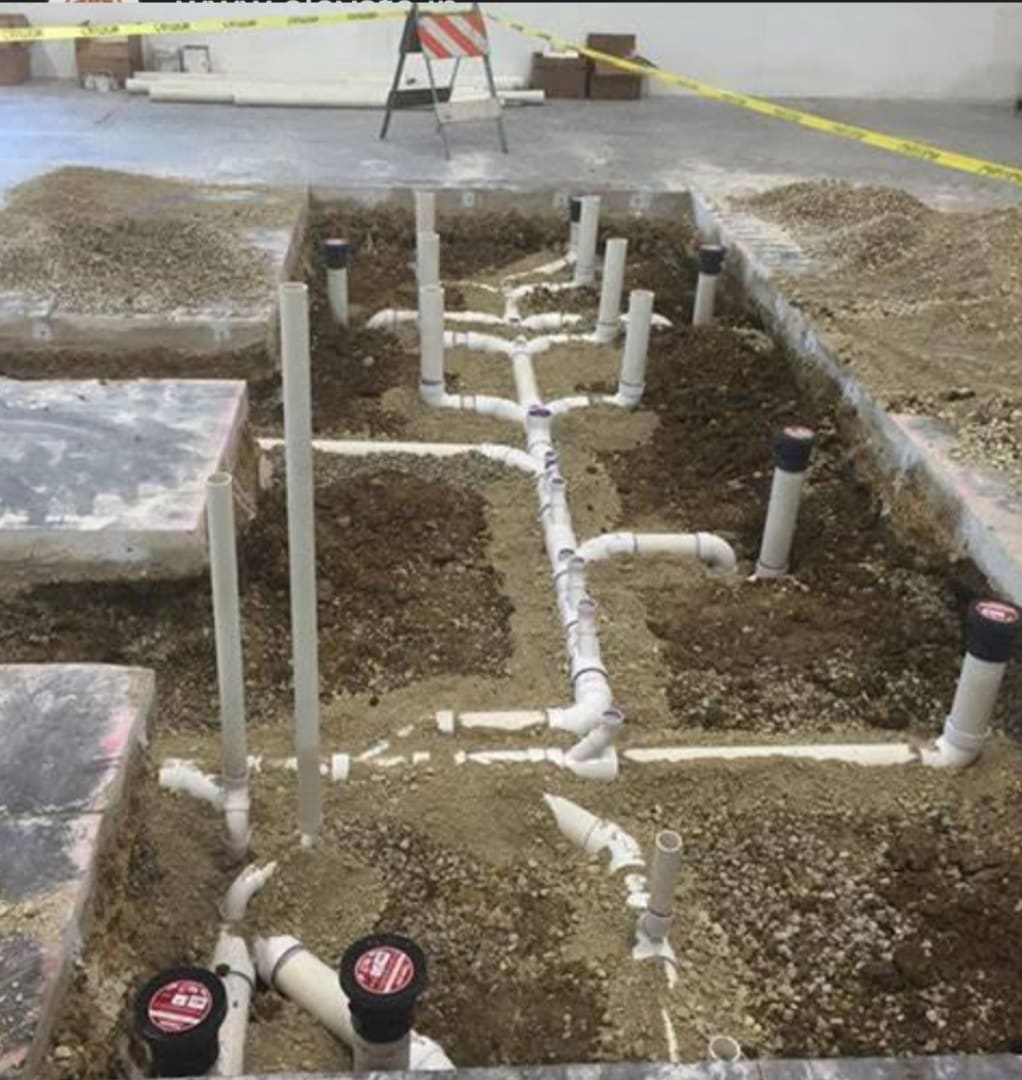
The fee charged was reasonable, was less than we expected. Thank you for doing A+ job in our bathroom everything is fine and no more drips. Will wholeheartedly recommend Andy. annie
He is a qualified plumber, very hardworking, reliable, he is efficient, he is a professional, his services are very good and I would recommend his services to other people.
Thabani does plumbing installations, replacement of basins, toilets, drainages and geysers on my projects. His work is good, he delivers to my expectations and his charges are reasonable. He cleans afterwards, he gives advises and I can recommend him to anyone.
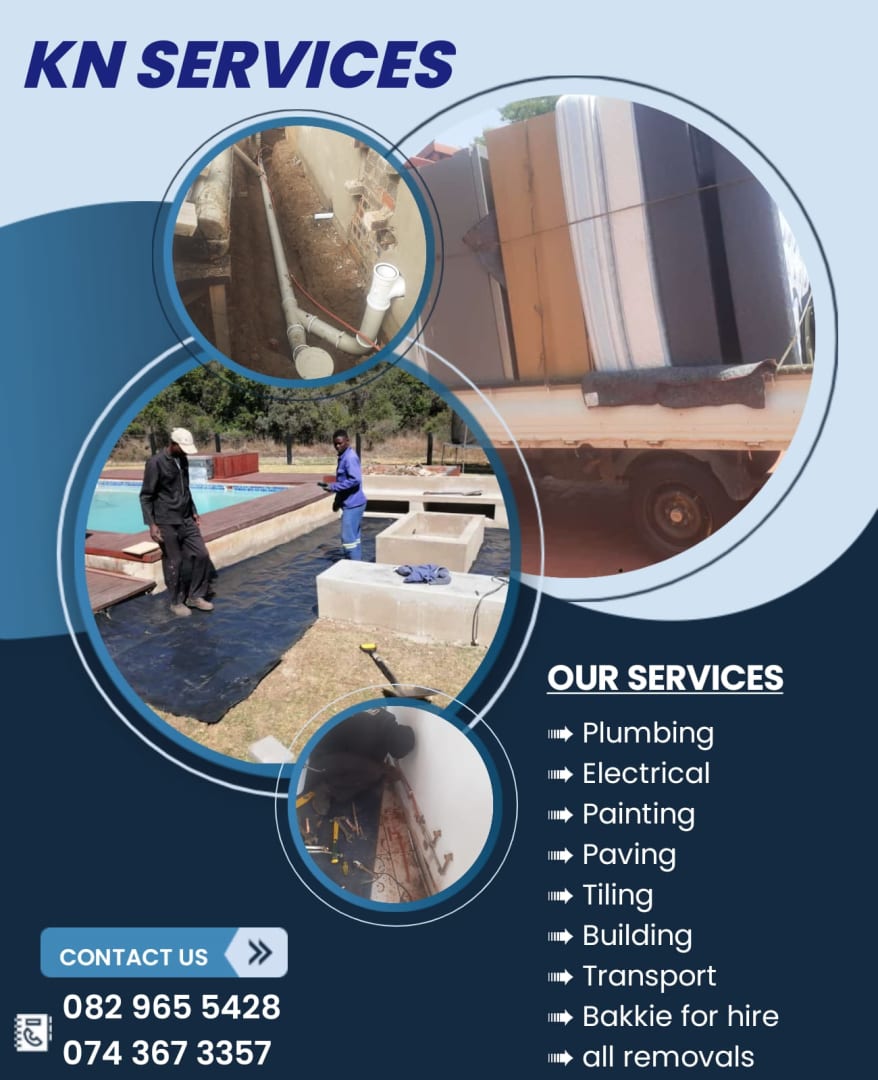
He installed a geyser at my house. He knows his job and delivers within the agreed time. I never had a problem with my geyser, which shows that he did a great job. He is professional and always on time. I left him in my house, and nothing went missing which is a good sign of being trustworthy. I can recommend his services.
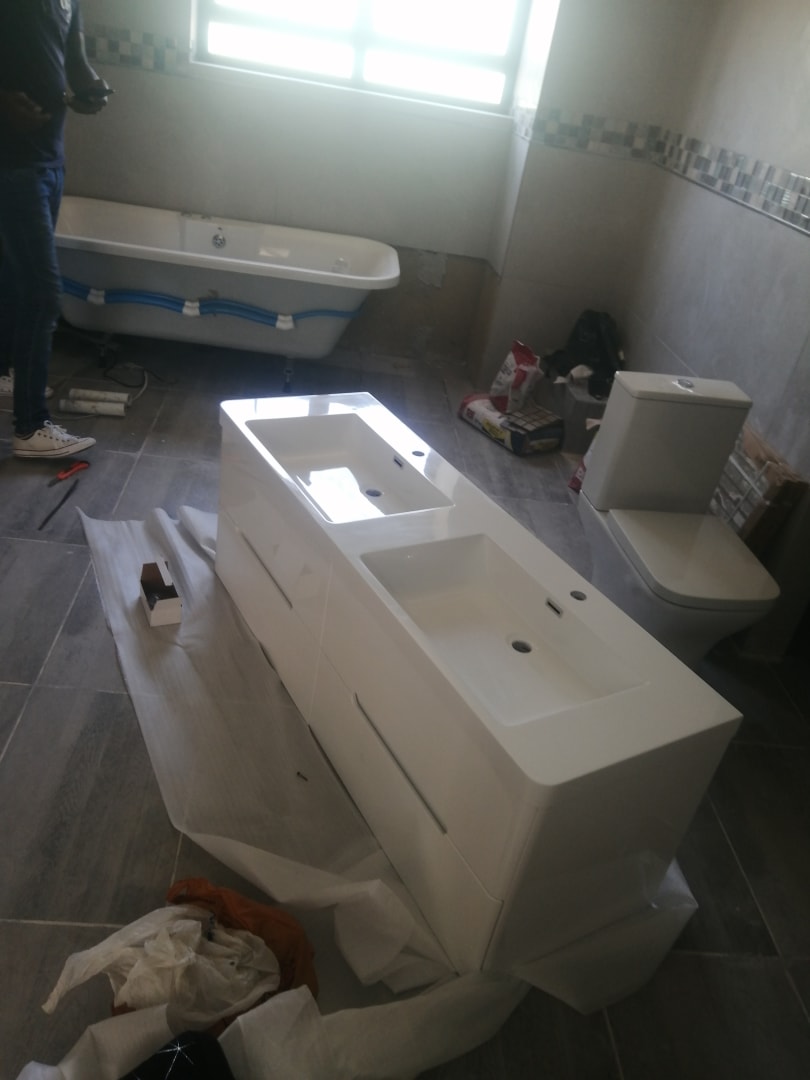
He came and installed a new bathroom set for me. He came on time and it took him four days to finish the work. He cleaned up and the work was neat and tidy. I was happy with the service that he rendered to me and with the price that he charged me too. I did not have any problems with his work and I can gladly recommend him without hesitation.
Andy was courteous, went right to work and impressed me with the quality of services, Thank you for your prompt professional service. Chryststal.
I am a contractor who is into real estate and I have subcontracted Elton to do a lot of general plumbing for me for all of my projects in Limpopo. He is reliable and trustworthy. He has always been on time each time I called for him and he has never disappointed me. His prices are fair and he is tidy, he always cleans up after his work. I have never had any problems with him and I would not mind recommending him to anyone who may need his services.
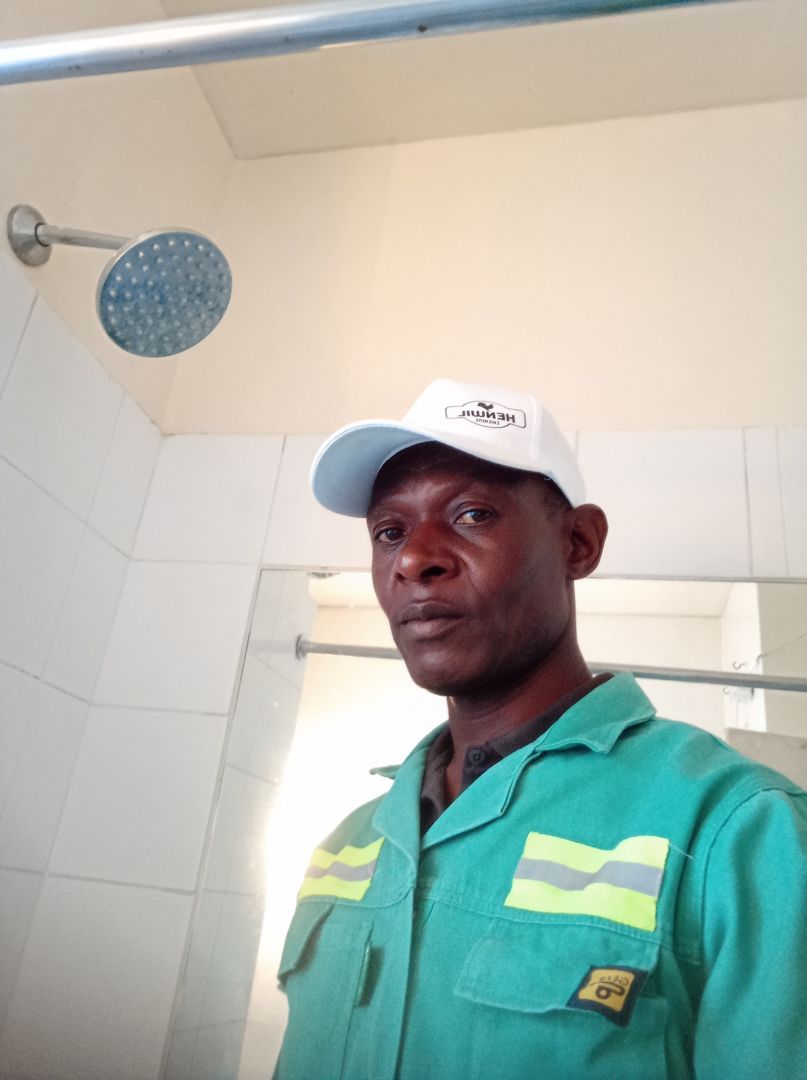
He did some plumbing work for me where he did the toilet plumbing. He came on time and he did a great job. I was impressed with the service that he rendered to me and I don't have any problems with the work that he did for me. The price was very reasonble and i can definitely recommend him to anyone who may need his services.
The work performed accurately and in a most workmanlike manner. Billing was handed on the invoice slip. Thank you Andy for exceeding my expectations. I encourage everyone....... don't waist your time, start with Andy. Priya.
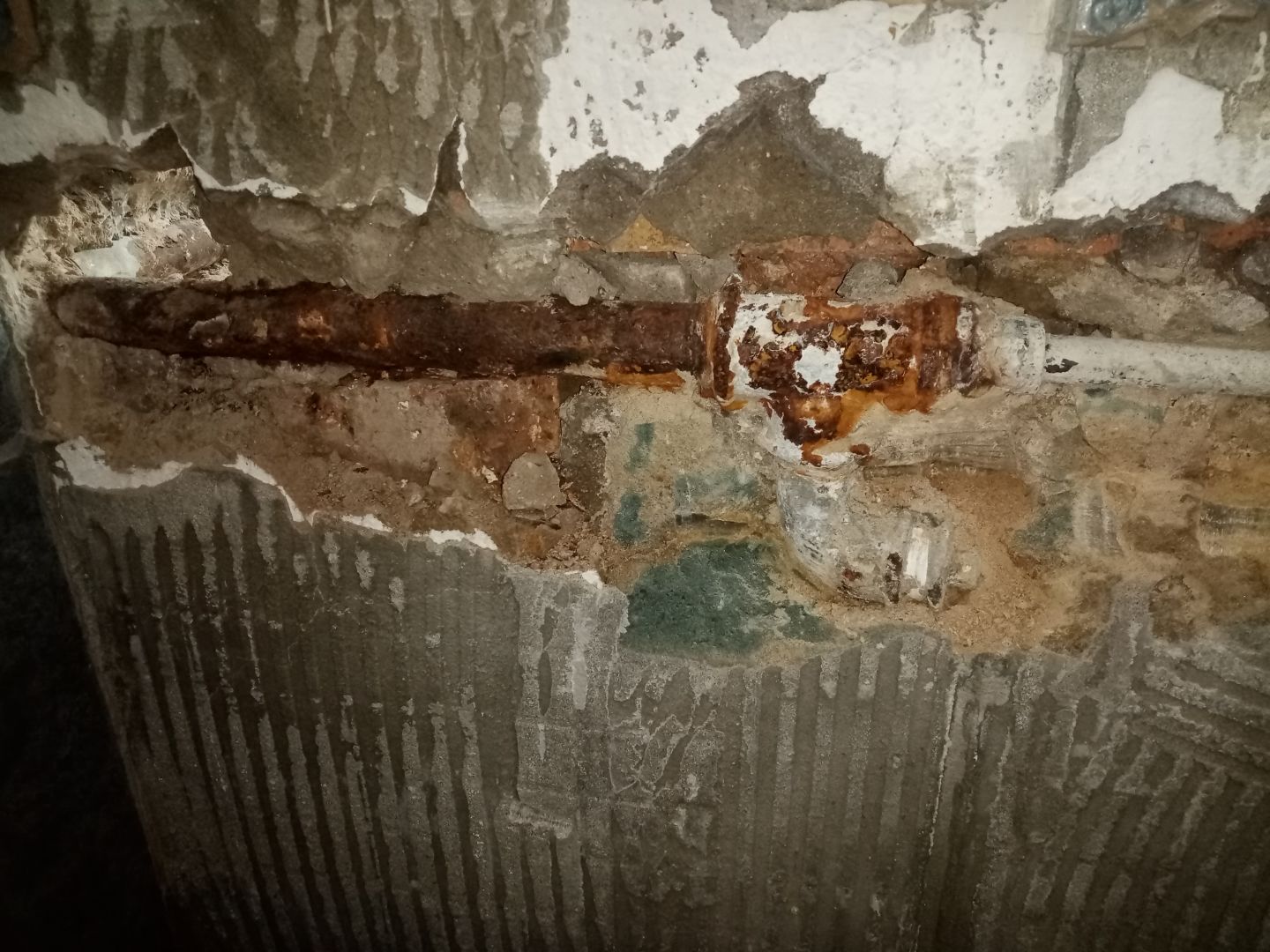
Mfundo is a great plumber he has done a couple of jobs for me onsite I find him efficient. He is responsive, reliable,proffessional, and arrives on time. Mfundo is a good plumber I've never received complaints from clients he does his work properly and accurately with no comebacks I can vouch for him anytime without a doubt.
Great after service, comes back if needed, even if you have already paid the full amount. I appreciated that
Daniel has done a lot of work for me, and l am satisfied with what he did. He did the paving, painting, plumbing, and carpentry work. He executed the jobs very within the agreed time. The quality of his work is excellent, and he delivers accordingly. He is professional, reliable, and punctual. His prices are reasonable, and l can recommend him.
I have used Bryan's services at my houses in Midrand and Randburg. He has fitted in a geyser and some taps. Bryan communicates well and he alerts me at what time he would be available if he has a busy schedule. Bryan has never disappointed me and I plan to use him again on another plumbing work at one of my houses. I would recommend his services.

He fixed a leakage on my geyser. He responded promptly, and I was satisfied with his service. He knows his job, and his quality of work is excellent. He is quick, efficient, and professional. I have recommended him to my friends and family, and they were impressed with his service snd quality of work. I can highly recommend his services.
Shannon did new plumbing installations in our cottage. He worked professionally, the job was neat and clean. The quote was reasonable, he is trustworthy because the information he gave me before he started working was clear so we wouldn't have any problems in the process, and he delivered what I wanted. There are no comebacks on his work and I can recommend him to anyone.
I have worked with Leonard on many projects, and he has never disappointed me. I subcontract him to do plastering and plumbing work for my clients. He is very efficient, and his efficient, and his work does not have any comebacks. Leonard can be trusted to start and finish a project within the agreed time. His working ethics are great, and I highly recommend him.
The service he provided was exceptional! He was extremely helpful and honest, he wore a mask too. Very polite. The pricing was very good and reasonable. Will definitely be return customer. Dean
Frequently asked questions 👇
Most jobs start with a call-out fee from around R450, which covers the Pro's travel and time to assess and quote. If you choose not to proceed, that's all you pay. Standard repairs and drain unblocking typically come in at about R750 including the first hour of labour, plus materials, while certified gas repairs start at roughly R850 and gas installations at around R1,450. Jobs needing specialised equipment are usually flat-priced, with drain camera work at about R1,850 and leak detection at roughly R1,950, and a full geyser installation at around R2,850 in labour. These are estimates, and your Pro confirms the exact price upfront.
Yes, many pros on Kandua take after-hours and weekend work. As a guide, emergency and after-hours pricing typically runs at about 1.5–2× the standard labour rate. Confirm the after-hours policy and exact pricing with your Pro before they head to your address.
Every pro on Kandua is vetted before they can quote on jobs, and reviews come from verified customers, not anonymous ratings. Jess, Kandua's AI home companion, helps you scope the job properly so you're matched with a plumber who does that type of work.
Describe the problem clearly, what's happening, where, and since when, and add photos or a short video if you can capture them safely. The more accurately the job is scoped upfront, the closer the quote will be to the final bill and the fewer surprises on the day.
How much does it cost to hire a Plumber in South Africa?

Covering all your plumbing needs in South Africa
Feel confident every time you book a Plumber in South Africa
When you book through Kandua, you’re not just finding a pro – you’re getting a safer, simpler and more reliable way to sort out jobs around your home