
Electrician near me
Connect with fast, affordable and vetted Electricians for all your Electrician needs




How to book an Electrician Pro near you
No jargon, no endless scrolling. Just tell us what you need help with and let us handle the rest.
Just describe what's happening at home. We'll figure out what's actually wrong and connect you with a vetted tradesperson to sort it.
Skip the scrolling. We connect you with 4.5★+ rated, background-checked tradespeople ready to help near you.
Track your job, get and approve your quote and pay securely in one flow: start to finish, all in one place.
Frequently asked questions 👇
Quick guidance and answers to your questions about Electrician


Check that they hold a valid Wireman's Licence and are registered with the Department of Labour. A qualified electrician on Kandua can issue a Certificate of Compliance for their work.
Hourly rates typically range from R450 to R850, plus a call-out fee that usually covers the first hour. Rates vary by city and the complexity of the work.
Call a professional for any work beyond changing a light bulb, including new outlets, tripping breakers, flickering lights, or any job that involves your distribution board.
A CoC is a legal document confirming your electrical installation meets South African safety standards (SANS 10142-1). It is required when selling property or after electrical alterations.
No. In South Africa, any significant electrical work must be performed by a registered electrician. DIY electrical work is illegal, dangerous, and will void your home insurance.
Electrician reviews near you

He came and installed a new bathroom set for me. He came on time and it took him four days to finish the work. He cleaned up and the work was neat and tidy. I was happy with the service that he rendered to me and with the price that he charged me too. I did not have any problems with his work and I can gladly recommend him without hesitation.

It has been 4 years since l started using Dube's plumbing services at my house, and the site. He is a professional who knows his job well l am always satisfied with his services. Mbekezeli is a trustworthy person because he is an open and confident person, who advises on plumbing. His response to everything is just great l have no reason to complain. He is reliable and punctual l recommend his services to others.
Great after service, comes back if needed, even if you have already paid the full amount. I appreciated that
Bethel did an excellent job, he repaired a leak that was on my toilet, he managed to trace another leak that was in the tiles and repaired it, and I am quite happy with his services. He is knowledgeable of his work, his response time is excellent, and his charges are reasonable. I can refer him to anyone.

He worked fast and clean. Very little guidance needed. No arguing and a great finished product.

Luckson does plumbing installations and repairs for several of my clients. He is hardworking, reliable, and knowledgeable about his work. He has a brilliant attitude and his work is awesome. He is thorough when given a task and performs well without supervision. I can recommend his services.

I hired Gradson and he fixed the thermostat of my geyser and he also repaired my motor gate, he was on time, and is quick to finish. His work does not have any comebacks and his workmanship is great, he came as a referral and l was happy with the service that he rendered to me.

Shannon did new plumbing installations in our cottage. He worked professionally, the job was neat and clean. The quote was reasonable, he is trustworthy because the information he gave me before he started working was clear so we wouldn't have any problems in the process, and he delivered what I wanted. There are no comebacks on his work and I can recommend him to anyone.

I have been calling other people to do this job for me but they were not doing well until Simbarashe come and did his amazing job. Since he did the plumbing work there have never been any problems with the leaking and also he is very professional. He gave advice on which quality products to buy and I would recommend his services to other people.
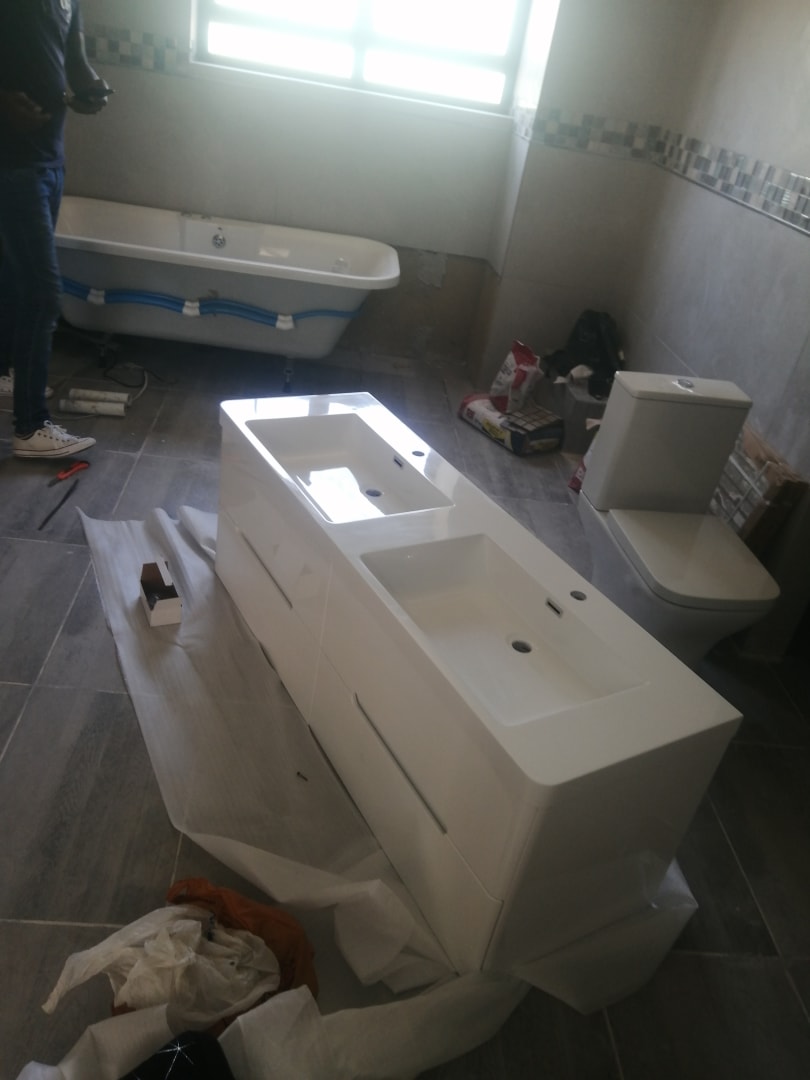
He is very good at what he does and he is an honest guy, he is also very reliable. I don't have any complains regarding him and his services, I can highly recommend him.

I had a problem with my bathroom, and Sebata came in and did a faulty finding and did all the repair works. He is reliable, gets the job done, and explained everything to us before doing the job. He knows how to manage his time efficiently and overall he is excellent. I can recommend his services.

Didn't have any problems doing the job, he educated me with how my water line is going and added few features that wasn't existing before. Professional and hard worker who likes and respect his work.
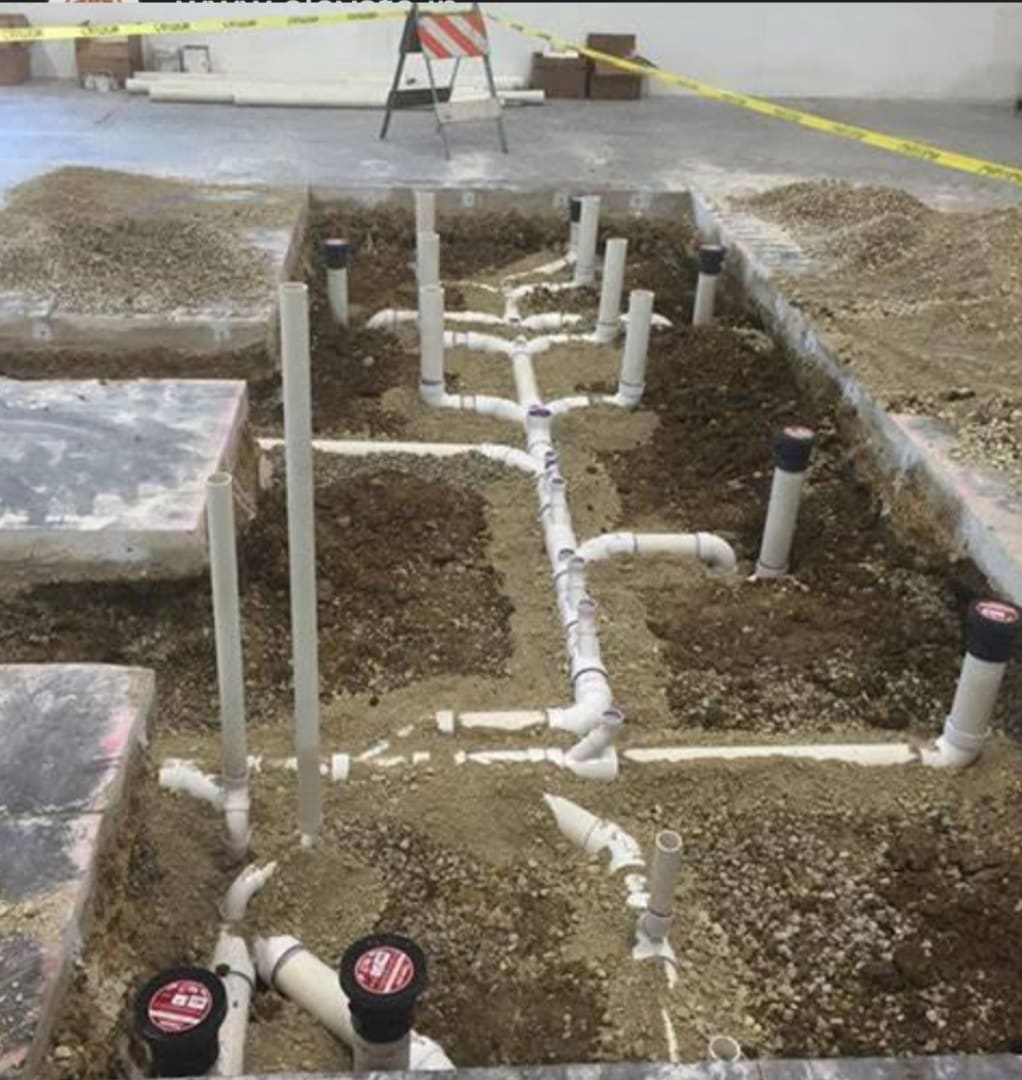
The fee charged was reasonable, was less than we expected. Thank you for doing A+ job in our bathroom everything is fine and no more drips. Will wholeheartedly recommend Andy. annie
Shannon unblocked my drainage system on short notice, he is professional and it was the job was well done. He went an extra mile to deliver the job for me, his quote was reasonable and he cleaned up afterwards. He is trustworthy because he knew what the problem was and I trusted his professional opinion. I can recommend him to anyone.
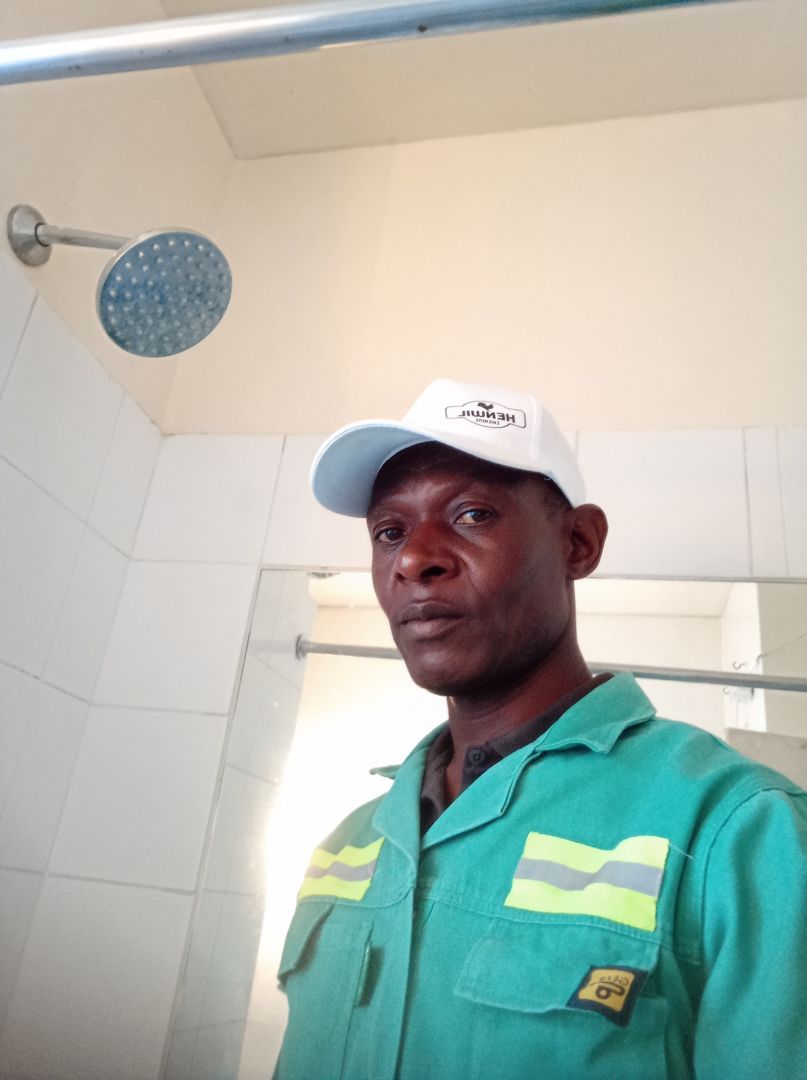
He did the plumbing installations in my house and He has also done the plumbing maintenance work. He has always shown up on time and he has always done a great job. He always went the extra mile and gave me the best advice. He is reliable and professional. He is also trustworthy because I never missed anything and his workmanship was beyond average. I can definitely recommend him to anyone who may need his services.

Bryan has replaced my geyser which had burst. He came, cut the pipes, stopped the water from flowing into the house, told me which kind of geyser to get, and installed it. He was very punctual. His work was neatly and done and he cleaned up the mess. Bryan's services were affordable. I recommend his services.
I am a contractor, so he normally does plumbing for my clients. He did the installation of tubs and showers, and I was happy with his quality of work. He is hardworking, reliable, and professional. He is quick, efficient, and cleans up after himself. I can recommend his services.
He installed a geyser at my house. He knows his job and delivers within the agreed time. I never had a problem with my geyser, which shows that he did a great job. He is professional and always on time. I left him in my house, and nothing went missing which is a good sign of being trustworthy. I can recommend his services.

He was very reliable and his price was very reasonable I would definitely use him again

Moses did a lot of projects at my house he really knew what he was doing I was happy. He listened to all my instructions he was quick, neat, and determined. Overall Moses did a wonderful job I haven't had any comebacks on his work and I will recommend him indeed for the great customer service.
How much does it cost to hire an Electrician in South Africa?
.avif)
Get it done by someone you can trust
Manage and grow a business you are proud of
Electricians in South Africa: what to know before you book
Few home problems are as easy to ignore and as risky to leave as electrical faults. Warm switch plates, a burning smell near the DB, or breakers that trip for no obvious reason all deserve a professional look before they escalate.
That's where Kandua comes in, matching homeowners across South Africa with vetted electricians who diagnose the cause properly, quote upfront, and do the job to standard.
A few quick answers (so you don't have to scroll)
What separates a great electrician from an average one?
Diagnosis. The best pros test, isolate the actual fault, and fix the cause, instead of swapping parts until something works. They also quote clearly and handle compliance paperwork properly.
When is a CoC legally relevant?
Most commonly at property transfer, and whenever an installation is added to or altered. Only a registered person may issue one, so always check registration.
What should I budget?
Guide rates on Kandua start from around R450 for a call-out, about R750 for standard repairs including the first hour, and roughly R550 per hour for additional time, with flat prices for most installations. Your exact quote is confirmed upfront.
Across South Africa: what homes typically need from a electrician
South Africa's housing is wonderfully varied, spanning every kind of home, from heritage properties and family suburbs to complexes, estates and new builds. That variety shapes the work: what a electrician sees in Johannesburg differs from Cape Town or Pretoria, but the fundamentals of good diagnosis and honest quoting hold everywhere.
South African homes face a common set of electrical realities: ageing wiring in older suburbs, storm and surge damage in summer rainfall regions, salt corrosion at the coast, and nationwide demand for backup power. Wherever you are, the fix starts with proper fault finding by a vetted professional.
Wherever you are, the moments that trigger electrical work are the same: a property transfer needing its CoC, an outage that finally justifies backup power, a fault that stopped being intermittent. Kandua's vetted network covers those moments nationwide.
From Durban to the East Rand and every region between, Kandua's vetted network means a electrician who knows your kind of home is always within reach. Describe the job to Jess and the matching handles itself.
What common electrical symptoms usually mean
Wherever in the country you are, these are the symptoms electricians hear about most, and what they usually point to.
- Breakers or earth leakage that keep tripping: the system is protecting you from something, commonly an overload, a faulty appliance, or moisture. The fix is fault finding, not repeated resetting.
- Circuits that have gone dead: loose terminations and failed joints are typical culprits, especially in older installations.
- Heat where there should be none: warm plug points, discoloured switches or a hot smell near the board are urgent, book a professional promptly.
- Humming or buzzing at the distribution board: often a breaker on its way out, worth an inspection before it fails outright.
- Electronics failing after storms: lightning-season surges damage gate motors, appliances and sensitive equipment, and protection is cheaper than replacement.
When it's a DIY job, and when it isn't
Changing a plug top, replacing a light bulb, or resetting a tripped breaker once is fair game for a careful homeowner. Almost everything else on the electrical side is not, both for safety and because non-compliant work can invalidate insurance and complicate a future CoC.
Anything involving the distribution board, new wiring, new points, geyser connections, or repeated faults belongs with a qualified electrician. If a breaker trips again after one reset, stop resetting and book the professional.
Certifications, registrations and compliance in South Africa
Compliance rules apply nationally, so whether you're buying, selling or altering a home anywhere in South Africa, these are the certificates that matter.
1) Electrical CoC (Certificate of Compliance)
A CoC certifies that an electrical installation meets the required standard. It is standard practice for property transfer, and required whenever the installation is added to or altered. On Kandua, a CoC inspection runs at about R950 for single phase and around R1,650 for three phase as a guide.
2) Who may issue one
Only a registered person may lawfully test and certify an installation, so always confirm registration before booking compliance work. Every electrician on Kandua is vetted before they can quote.
3) CoC validity
For property transfer, the working rule most parties apply is that the certificate should not be older than two years and must still reflect the installation as it stands. Any alterations since issue mean a new or supplementary certificate.
4) Solar, inverter and PV additions
Backup power and solar additions change the installation, which means the paperwork must follow. Ensure your installer certifies the work correctly, both for safety and for the day you sell.
Pricing: what to budget for an electrician in South Africa
Here is what to budget for electrical work in South Africa, using Kandua's current guide rates. Treat every figure as an estimate: Pros use these rates to quote competitively, and you'll see your exact price before any work begins.
- Call-out: from around R450, covering the Pro's travel and time to assess and quote. It's all you pay if you decide not to go ahead.
- Standard repairs and fault finding: about R750 including the first hour of labour, with additional time at roughly R550 per hour.
- Small appliance repair: around R650 as a flat diagnostic and fix.
- Installations: typically flat-priced, from about R950 for a stove, oven or UPS install, around R1,850 for a garage or gate motor, up to about R3,950 for inverter and battery systems.
- Electrical CoC: about R950 for single phase and around R1,650 for three phase.
- After hours: typically around 1.5 to 2 times standard rates as a guide, with emergency pricing quoted upfront by your Pro.
- Materials: quoted separately for your specific job.
A realistic small-job budget is the standard repair rate plus parts. Grouping repairs into a single visit is the easiest saving available.
Genuinely helpful electrician FAQs for South Africa
How much should I budget for an electrician in South Africa?
Guide rates start from around R450 for a call-out, about R750 for standard repairs including the first hour, roughly R550 per hour thereafter, and flat installation prices from about R950 to around R3,950. Your exact quote is confirmed upfront, with materials separate.
Can I find an electrician near me anywhere in South Africa?
Kandua's network covers the major metros and beyond, including Johannesburg, Cape Town, Pretoria and the East Rand. Jess matches you with vetted electricians who actually work in your area.
Do Kandua electricians handle emergencies?
Many do, including after-hours and weekend work, typically at around 1.5 to 2 times standard rates as a guide. Emergency pricing is always confirmed upfront before the Pro heads out.
Is the call-out fee charged if I go ahead with the work?
The call-out from around R450 covers travel and the assessment so you can get a quote, and it's the only charge if you decide not to proceed. Once you go ahead, the work is priced per the service guide rates.
What will an Electrical CoC cost me?
Guide pricing is about R950 for a single phase inspection and around R1,650 for three phase. If the inspection surfaces faults, remedial work is quoted separately for your approval first.
What causes repeated earth leakage trips?
Usually a leaking-to-earth appliance, damp in an external fitting or circuit, or deteriorating wiring. If isolating appliances doesn't solve it, professional fault finding will.
Should I install an inverter or full solar?
It depends on budget and goals: an inverter and battery covers essentials through outages, while solar adds generation and long-term savings. Guide labour for inverter and battery installations is around R3,950, and your Pro can advise on sizing.
Can I supply my own light fittings or materials?
Usually yes, if you confirm specs with your electrician first. Pros often get trade pricing and know what's compliant, so a quick check before you buy avoids costly returns.
How do I prepare for the electrician's visit?
Note the symptoms, which rooms are affected, and roughly how old the installation is, and take a photo of your DB if it's safe to do so. The clearer the picture, the sharper the quote.
When you're ready, Kandua makes the next step easy: describe the job to Jess, get matched with vetted electricians serving wherever you are in South Africa, and book with your price confirmed upfront.

Why use Kandua when you book an Electrician near you
When you book through Kandua, you’re not just finding a pro – you’re getting a safer, simpler and more reliable way to sort out jobs around your home
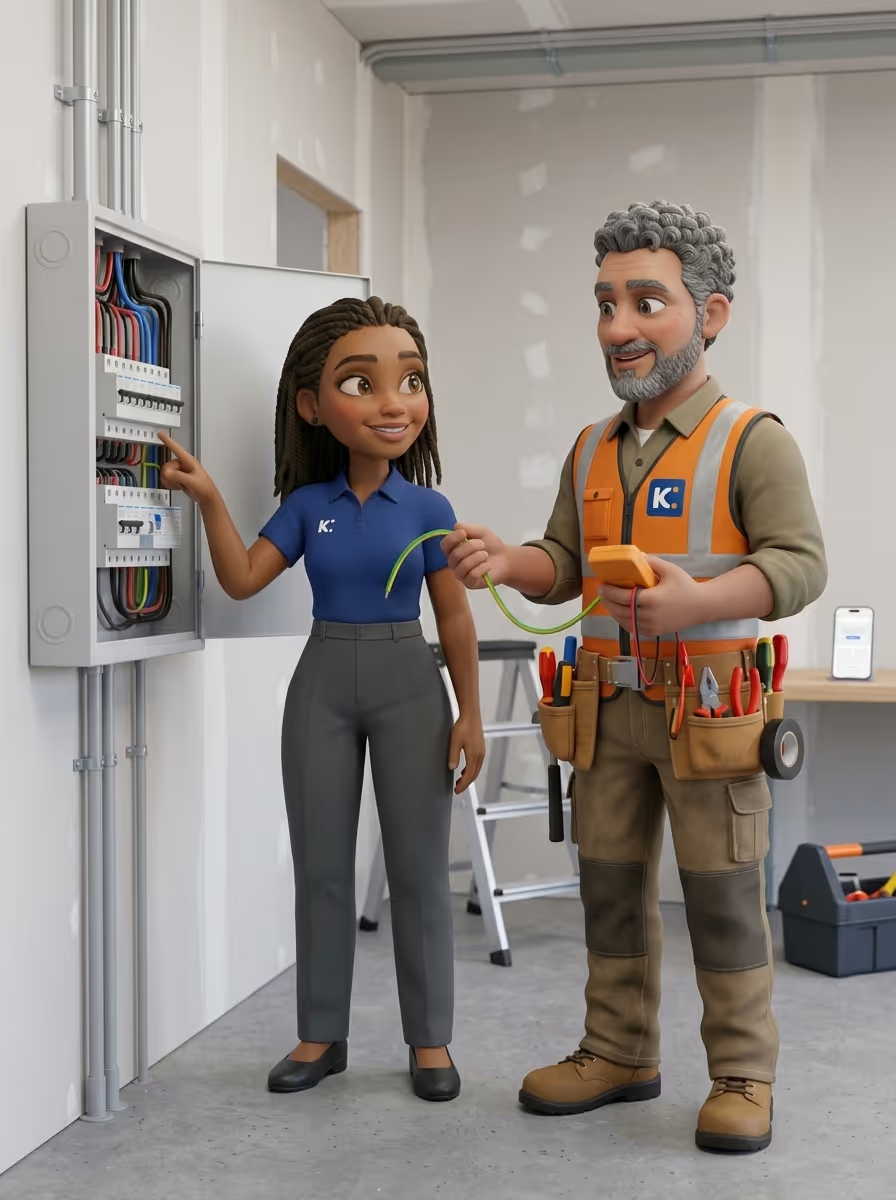
Vetted for your safety
AI that actually understands
A perfect match. Zero spam
Payments made simple
Your whole job. In one place.
Create a free account, track and manage your job from start to finish: follow each step, approve quotes, pay invoices securely, and keep every document. No more chasing EFTs or wondering what happens next.
Please settle the deposit so your pro can prepare for the work.