
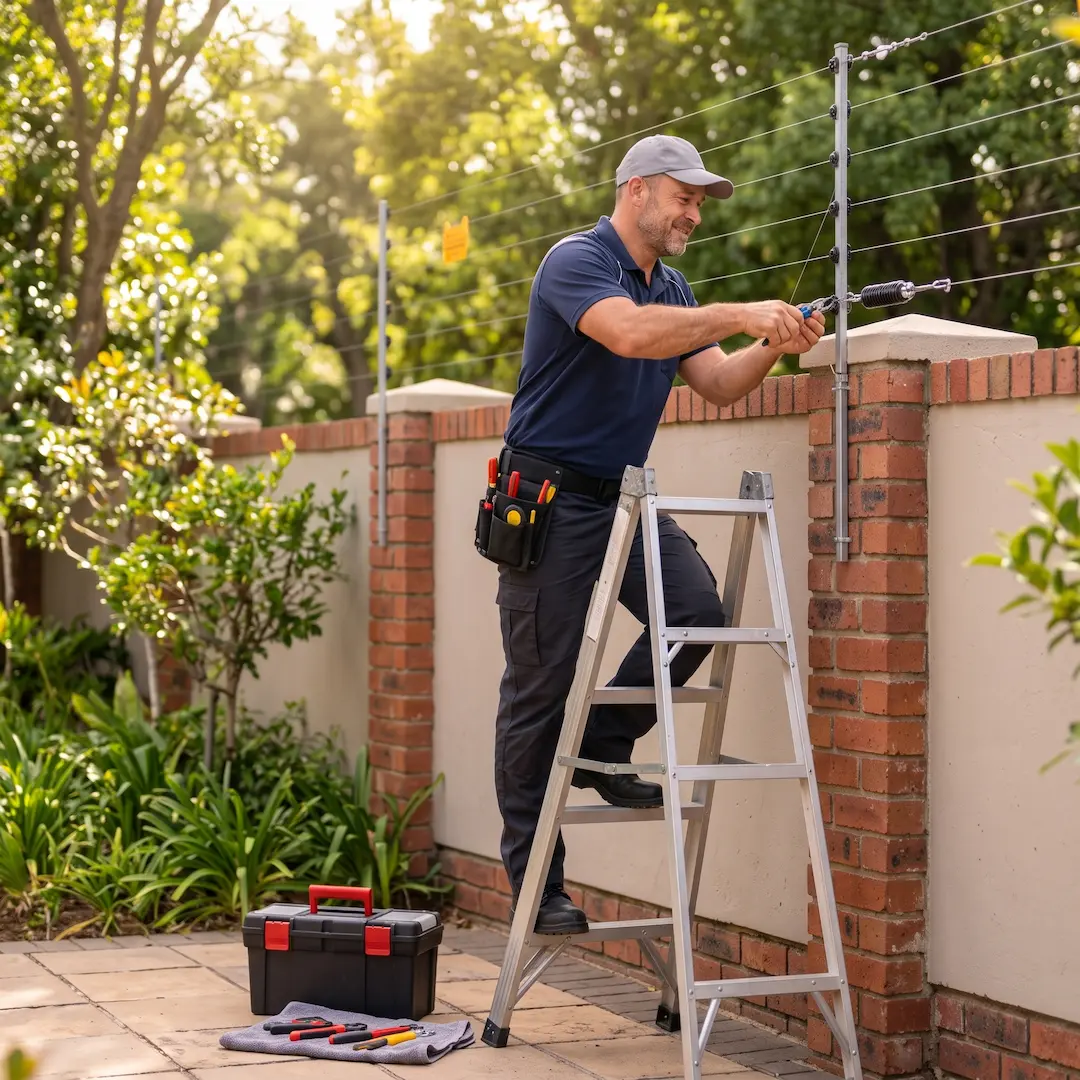
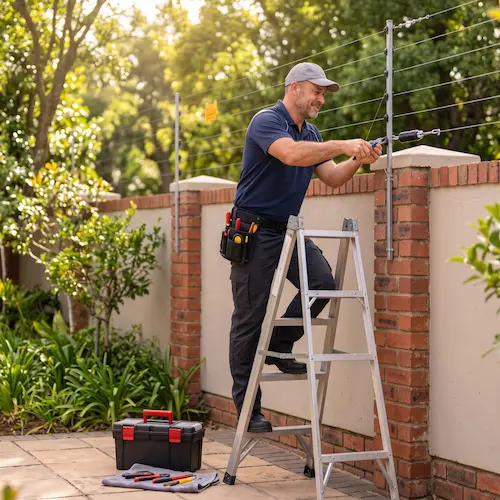
Is Your Electric Fence Actually Working? What to Check Before You Go Away
Is your electric fence actually working? Learn how to spot dead batteries, false alarm triggers, and when to call a Kandua specialist before your holiday.

The bags are nearly packed and the house will soon stand empty. Your electric fence is meant to give you peace of mind while you’re away, but only if it’s actually live and working correctly. We get it. From the driveway, it’s hard to tell. Here’s what you can safely look and listen for, and when it’s time to call in a professional.
Key Takeaways
- An electric fence can look perfectly fine and still not be live.
- Warning signs can include a silent energiser, fault lights on the keypad, sagging wires and plants touching the fence.
- False alarms at night could be a sign of damaged insulators, an earthing problem or plants touching the wires.
- Never touch, test or repair the fence yourself. It carries a high-voltage pulse.
- If your fence was installed or changed after 1 October 2012, or you’re selling, you may need an electric fence COC.
- Book a vetted electric fencing specialist to check it before you leave.
How Can I Tell If My Electric Fence Is Live Without Touching It?
You can’t tell by looking at the wires. These checks are safe because you never touch the fence:
- Listen at the energiser. Depending on the model, many energisers make a steady ticking or clicking sound as they pulse. Silence could be a sign the energiser has stopped working.
- Check the keypad or energiser lights. A fault, low battery or zone alarm light is worth taking seriously. Your manual explains what each light means.
- Call your security company. If your fence is linked to armed response, ask their control room whether they’re receiving signals from your system.
Safety warning: Never test the wires with a screwdriver, a blade of grass or your hand. Testing a fence properly needs a fence tester and training.
What Should I Look For Along the Fence Line?
Walk your boundary and look from the ground. Watch for:
- Sagging, slack or snapped wires
- Branches, creepers or long grass touching the wires
- Cracked, burnt or missing bobbins (insulators)
- Rust at joints and connection points, especially at the coast
- Bent brackets or leaning posts
- Debris caught on the line
Any of these could drain the pulse to earth and weaken your fence. If you spot something, leave it as it is. Trimming plants or straightening wires on a live fence is dangerous. A specialist can isolate the fence first.
Why Does My Electric Fence Alarm at Night for No Reason?
A 2am siren with nobody at the wall is unsettling. False alarms usually have a cause. They could be a sign of:
- Plants brushing the wires in the wind or when wet with dew
- A loose wire touching the wall or a bracket
- Damaged insulators leaking current in damp weather
- An earthing problem
- A faulty energiser or tired battery
Switching the fence off to stop the noise leaves your home unprotected. A vetted electrician can trace the fault and fix it properly.
Will My Electric Fence Keep Working During Load Shedding?
Your fence relies on its backup battery during power outages and load shedding. Batteries age. If the fence went quiet during the last outage, or the keypad shows a low battery, the battery could be due for replacement. A specialist can test it and confirm.
While your perimeter is being checked, look at your gate too. A gate anti-theft cage helps protect your gate motor from tampering while you’re away.
Do I Need an Electric Fence COC?
Possibly. Here’s what to know:
- An electric fence COC is a separate certificate from your electrical COC.
- Under the Electrical Machinery Regulations, fences installed after 1 October 2012 generally need one, and it’s usually required when you sell your home.
- Changes or additions to your fence could mean a new certificate is needed.
- Only a registered electric fence installer can issue it.
- If you’re unsure what your home insurer needs for a claim, check with your broker before you go.
Read more in Do I Need a Certificate of Compliance for Electrical Work? Or book an electric fence COC inspection.
What Will a Kandua Electric Fencing Specialist Do?
A vetted specialist on Kandua can:
- Test the voltage on each zone with a proper fence tester
- Inspect the energiser, battery, earthing and insulators
- Find the cause of false alarms
- Repair or replace damaged wires and parts
- Confirm whether your fence needs a COC
Every professional on Kandua is background-checked and has their qualifications verified. You approve your quote before work starts and pay securely in one flow.
"The biggest holiday security risk we see isn't cut wires, it's dead backup batteries and creeping plants draining the fence's voltage to zero. A fence can look perfectly intact but offer completely false peace of mind if the energiser can't deliver a shock during a power outage." - Daniel, electric fence technician from Pietermaritzburg.
Frequently Asked Questions
Can I Test My Electric Fence Myself?
No. You can safely look and listen from a distance, but testing the wires needs a proper fence tester and training. Leave it to a vetted specialist.
Can Plants Touching My Electric Fence Cause Problems?
Yes. Plants touching the wires can drain the pulse to earth and trigger false alarms. Don’t trim them while the fence is live.
Is an Electric Fence COC the Same as an Electrical COC?
No. They are two separate certificates for different installations, and you may need both when selling your home.
Should I Switch My Electric Fence Off While I’m Away?
A working fence is part of your home’s security, so switching it off leaves a gap. If it keeps false alarming, have it repaired rather than bypassed.
Going away soon? Book a vetted electric fencing specialist on Kandua.com to check your fence before you leave. Book electric fencing repair
Suzette Meyer is the lead author and content creator for Kandua.com, South Africa’s #1 marketplace for home services. Suzette has made it her mission to help homeowners with advice on all aspects of home repair, maintenance and improvement, including how to choose the right Pro and how to make smart upgrades that improve your resale value or save costs.

Latest articles, advice and more
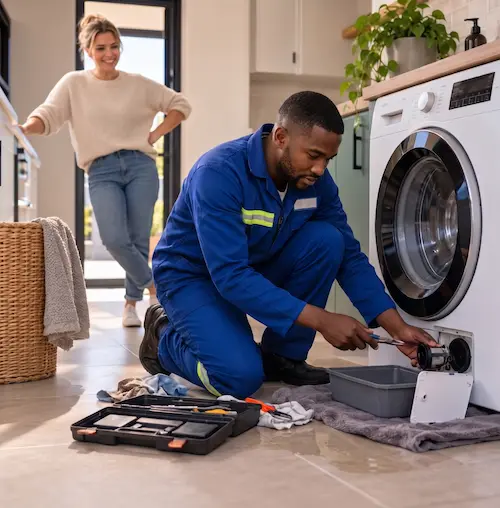


Beyond the Unboxing: A Detailed Guide to Correct Washing Machine Plumbing & Setup
New washing machine in South Africa? Learn essential plumbing and setup tips to prevent leaks, ensure efficient operation, and extend your appliance’s lifespan - expert advice before your first load.

New Washing Machine? Don't Plug It In Yet! Essential Installation Tips for SA Homes
Installing a new washing machine? Learn the essential setup steps South African homeowners often overlook to prevent leaks, noise, and damage—and ensure efficient, long-lasting performance from day one.



How to Install a Horizontal Geyser | Step-by-Step Pro Guide
Want to install a geyser like a pro? This step-by-step tutorial shows you exactly how to do a horizontal Ariston Axios geyser installation, straight from the BluLever plumbing workshop. 🎥 Hosted by MK, BluLever’s technical facilitator, and supported by a qualified electrician, Life and a BluLever graduate artisan, Zinhle. This is your ultimate guide to a SANS 10254-compliant installation — from preparing the wall, to plumbing, electrical wiring, and pro troubleshooting tips.
How to Maintain a Geyser | Step-by-Step Pro Guide
Want to maintain a geyser like a pro? This step-by-step tutorial shows you exactly how to do the three core geyser maintenance checks on an Ariston Axios geyser installation, straight from the BluLever plumbing workshop. 🎥 Hosted by MK, BluLever’s technical facilitator, and supported by a qualified electrician, Life. This is your ultimate guide to geyser maintenance — from diagnosing the problem to checking the heat regulation of the geyser, to pressure regulation and then finally corrosion protection.

Not just another newsletter. It's an advantage