
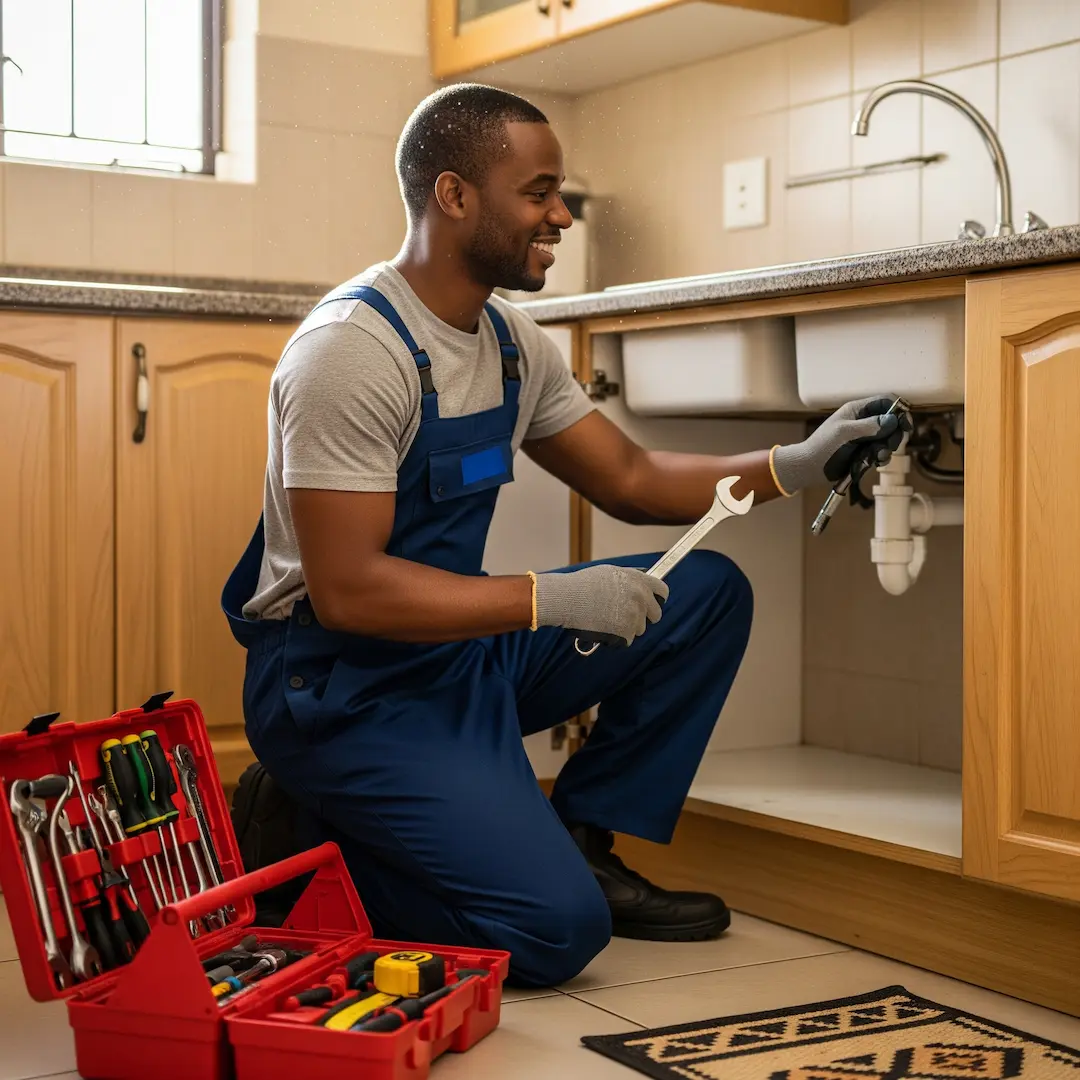
DIY vs. Professional Dishwasher Installation: When to Trust the Experts in SA
DIY or professional dishwasher installation in South Africa? Learn the risks, common pitfalls, and why expert plumbing and electrical setup can prevent leaks, damage, and costly mistakes.

The convenience of a dishwasher is undeniable, freeing up precious time and making kitchen clean-up a breeze. But once you've picked out the perfect model, the next question often pops up: "Can I install a dishwasher myself?" or "Is professional dishwasher installation really necessary?" It's a valid query, especially with so many DIY guides available online. In South Africa, deciding whether to tackle the job yourself or call in a professional plumber involves weighing up various factors, from your existing plumbing and electrical setup to your personal confidence and skill level.
This article breaks down the complexities of dishwasher installation, highlighting the critical areas of water supply, drainage, and electrical connections. We'll explore common pitfalls of DIY installations and explain why, for many homeowners, trusting a professional is not just about convenience, but about safeguarding your home and your peace of mind.
The Appeal of DIY Dishwasher Installation
The idea of saving money on installation costs is a powerful motivator for many DIY enthusiasts. It feels empowering to take on a home improvement project, and the steps often seem straightforward enough on paper: connect a water line, hook up a drain, and plug it in. For those with a solid background in basic plumbing and electrical work, and who are confident in their ability to follow instructions meticulously, a DIY installation might seem achievable.
However, it's crucial to understand that even seemingly simple installations can hide underlying complexities, especially in older South African homes where plumbing and electrical configurations might not be standard. What appears to be a quick fix can quickly snowball into a much larger, more expensive problem if not handled correctly.
The Core Components of Dishwasher Installation
A dishwasher installation isn't just about sliding a machine into a gap. It involves three critical utility connections, each with its own set of considerations:
1. Water Supply
Your dishwasher needs a reliable cold water supply. This typically involves tapping into an existing cold water line, often under the kitchen sink.
- DIY Considerations: You'll need to identify the correct cold water pipe, ensure you have the right isolation valve, and use appropriate fittings. One common mistake we've seen homeowners make is overtightening or undertightening connections. An expert plumber recounted a call-out where a homeowner, proud of their DIY effort, was perplexed by a constant drip under their sink. Turns out, they'd used a bit too much force on a compression fitting, cracking the pipe connection ever so slightly. It was a slow leak, barely noticeable at first, but enough to cause water damage to the cupboard base over a few weeks.
- Professional Expertise: A professional will assess your current plumbing, recommend the correct fittings and shut-off valves, and ensure all connections are watertight using proper sealing techniques. They'll also check water pressure to ensure it's suitable for your new appliance.
2. Drainage
Proper drainage is essential to prevent dirty water from backing up into your dishwasher or creating unhygienic conditions. This usually involves connecting the dishwasher's drain hose to the kitchen sink's waste pipe.
- DIY Considerations: The drain hose needs to be routed correctly, often with a high loop, to prevent backflow and siphoning. We've heard stories from our trusted service providers about installations where the drain hose wasn't properly looped, leading to foul odours emanating from the dishwasher or, worse, cross-contamination with the sink drain. One plumber recently shared an anecdote about a DIY job where the homeowner hadn't realised the importance of the high loop, and within a week, their kitchen sink was emitting a rather unpleasant aroma every time they ran the dishwasher.
- Professional Expertise: Plumbers understand the physics of drainage. They'll ensure the drain hose is correctly installed with the necessary high loop, preventing backflow and ensuring efficient waste removal. They'll also confirm your existing drain system can handle the additional discharge from the dishwasher without causing blockages.
3. Electrical Connection
Most dishwashers require a dedicated 15-amp electrical outlet. This is where safety becomes paramount.
- DIY Considerations: If there isn't an existing, easily accessible, and correctly rated outlet, you might be tempted to use an extension cord or try to tap into another circuit. This is a significant safety risk. Incorrect electrical connections can lead to short circuits, appliance damage, or even electrical fires. An electrician recently shared a concerning incident where a homeowner had attempted to 'piggyback' their new dishwasher onto an existing light circuit. The circuit breaker kept tripping, and upon inspection, the wiring was clearly overloaded and dangerously hot.
- Professional Expertise: A qualified electrician (or a plumber with the relevant electrical accreditation for appliance installation) will ensure your dishwasher is connected to a dedicated and correctly rated electrical circuit, often with its own circuit breaker for safety. They'll adhere to SANS (South African National Standards) regulations, providing peace of mind that your installation is safe and compliant.
Common DIY Mistakes and Their Costly Consequences
While the intention behind DIY is often to save money, a botched installation can quickly turn into a financial nightmare. Here are some common mistakes and their potential consequences:
- Leaks and Water Damage: This is perhaps the most common and expensive DIY mishap. Improperly tightened fittings or damaged seals can lead to slow, hidden leaks that rot cupboards, damage flooring, and encourage mould growth. We've seen instances where an undetected leak from a DIY dishwasher installation has necessitated the replacement of entire kitchen cabinets and floor sections, far outweighing any initial savings.
- Electrical Hazards: As mentioned, incorrect wiring is incredibly dangerous. It can lead to appliance malfunction, electric shocks, and house fires.
- Drainage Issues: Backflow, foul odours, and even drain blockages can result from an incorrectly installed drain hose, leading to unhygienic conditions and the need for expensive drain cleaning.
- Appliance Damage: An incorrect installation can void your dishwasher's warranty or even damage the appliance itself, turning your new purchase into a costly paperweight.
- Code Violations: While not always immediately apparent, non-compliant installations can cause issues if you ever sell your home or need to claim insurance. Insurers may refuse a claim if damage is caused by a non-compliant installation.
The Peace of Mind from Professional Installation
Opting for professional dishwasher installation offers significant advantages, particularly in the South African context:
- Expertise and Experience: Professional plumbers and electricians have encountered countless installation scenarios. They understand the nuances of various plumbing and electrical systems common in South African homes, from older copper pipes to modern PVC. They can quickly identify potential issues and implement solutions efficiently.
- Correct Tools and Materials: Professionals come equipped with the right tools and high-quality materials, ensuring a durable and safe installation. They won't make do with mismatched fittings or substandard connectors.
- Safety Compliance: Licensed professionals adhere to all relevant safety standards and building codes, including SANS regulations for electrical work. This is crucial for your family's safety and for potential insurance claims.
- Warranty Protection: Most appliance manufacturers recommend professional installation. A proper installation can help ensure your appliance warranty remains valid.
- Efficiency and Convenience: A professional can typically complete the installation quickly and efficiently, saving you time and the potential frustration of troubleshooting unexpected problems. They'll also test the appliance thoroughly before they leave, ensuring everything is working as it should.
- Problem Solving: What happens if your new dishwasher doesn't quite fit or if there's an unforeseen plumbing issue? A professional can adapt and resolve these challenges on the spot, whereas a DIYer might be left scratching their head, leading to delays and additional costs for emergency parts or tools.
Ultimately, while the allure of DIY can be strong, the complexities involved in water supply, drainage, and especially electrical connections for a dishwasher often warrant the expertise of a professional. The peace of mind that comes from a safe, correctly installed appliance, free from the worries of leaks or electrical hazards, is an investment well worth making for any South African homeowner.
Frequently Asked Questions
How long does a typical dishwasher installation take for a professional?
A professional dishwasher installation can typically be completed in 1 to 3 hours, depending on the complexity of the existing plumbing and electrical connections. If new connections need to be run, it could take longer.
Do I need a specific type of plumbing for a dishwasher?
Most modern homes will have the necessary plumbing accessible near the dishwasher cavity. However, older homes might require modifications to existing water supply lines or drainpipes. A cold water connection and a drain point (usually under the sink) are essential.
What should I prepare before the professional arrives to install my dishwasher?
Ensure the space where the dishwasher will be installed is clear and accessible. If it's a replacement, try to remove the old dishwasher if possible, and clear out the under-sink cupboard where the connections will be made. Make sure there is easy access to the water shut-off valve and electrical breaker for the kitchen area.
How can I tell if my old dishwasher was installed correctly?
Look for signs of leaks around the base of the dishwasher and under the sink cupboard. Check for any persistent odours. Observe if the dishwasher drains properly without leaving standing water or backing up into the sink. If you notice any of these issues, it might indicate an incorrect installation.
Find a vetted plumber near you
Dishwasher installation: find a pro near you
Suzette Meyer is the lead author and content creator for Kandua.com, South Africa’s #1 marketplace for home services. Suzette has made it her mission to help homeowners with advice on all aspects of home repair, maintenance and improvement, including how to choose the right Pro and how to make smart upgrades that improve your resale value or save costs.

Latest articles, advice and more
.webp)
.webp)
.webp)
.webp)
.jpeg)
Sinking Pavers, Weeds and Water That Pools: What Your Driveway Is Telling You
When your driveway starts sprouting weeds, pooling water, or sinking in patches, the bricks are not failing you. The layers underneath have moved, and they are trying to tell you exactly what went wrong.
.webp)
.webp)
Beyond the Unboxing: A Detailed Guide to Correct Washing Machine Plumbing & Setup
New washing machine in South Africa? Learn essential plumbing and setup tips to prevent leaks, ensure efficient operation, and extend your appliance’s lifespan - expert advice before your first load.
.webp)
New Washing Machine? Don't Plug It In Yet! Essential Installation Tips for SA Homes
Installing a new washing machine? Learn the essential setup steps South African homeowners often overlook to prevent leaks, noise, and damage—and ensure efficient, long-lasting performance from day one.
.webp)
.webp)
%25201200%2520x%25201200%2520(1).jpeg)
What Retiling a Bathroom Costs in 2026, Room by Room
Retiling a bathroom in South Africa costs between R230 and R800 per square metre in 2026, including materials and labour. A standard family bathroom, stripped and fully retiled, usually lands between R11,800 and R27,500. A guest toilet costs a fraction of that. A large porcelain en-suite costs a lot more.
How to Install a Horizontal Geyser | Step-by-Step Pro Guide
Want to install a geyser like a pro? This step-by-step tutorial shows you exactly how to do a horizontal Ariston Axios geyser installation, straight from the BluLever plumbing workshop. 🎥 Hosted by MK, BluLever’s technical facilitator, and supported by a qualified electrician, Life and a BluLever graduate artisan, Zinhle. This is your ultimate guide to a SANS 10254-compliant installation — from preparing the wall, to plumbing, electrical wiring, and pro troubleshooting tips.
How to Maintain a Geyser | Step-by-Step Pro Guide
Want to maintain a geyser like a pro? This step-by-step tutorial shows you exactly how to do the three core geyser maintenance checks on an Ariston Axios geyser installation, straight from the BluLever plumbing workshop. 🎥 Hosted by MK, BluLever’s technical facilitator, and supported by a qualified electrician, Life. This is your ultimate guide to geyser maintenance — from diagnosing the problem to checking the heat regulation of the geyser, to pressure regulation and then finally corrosion protection.
%201.avif)
Not just another newsletter. It's an advantage