
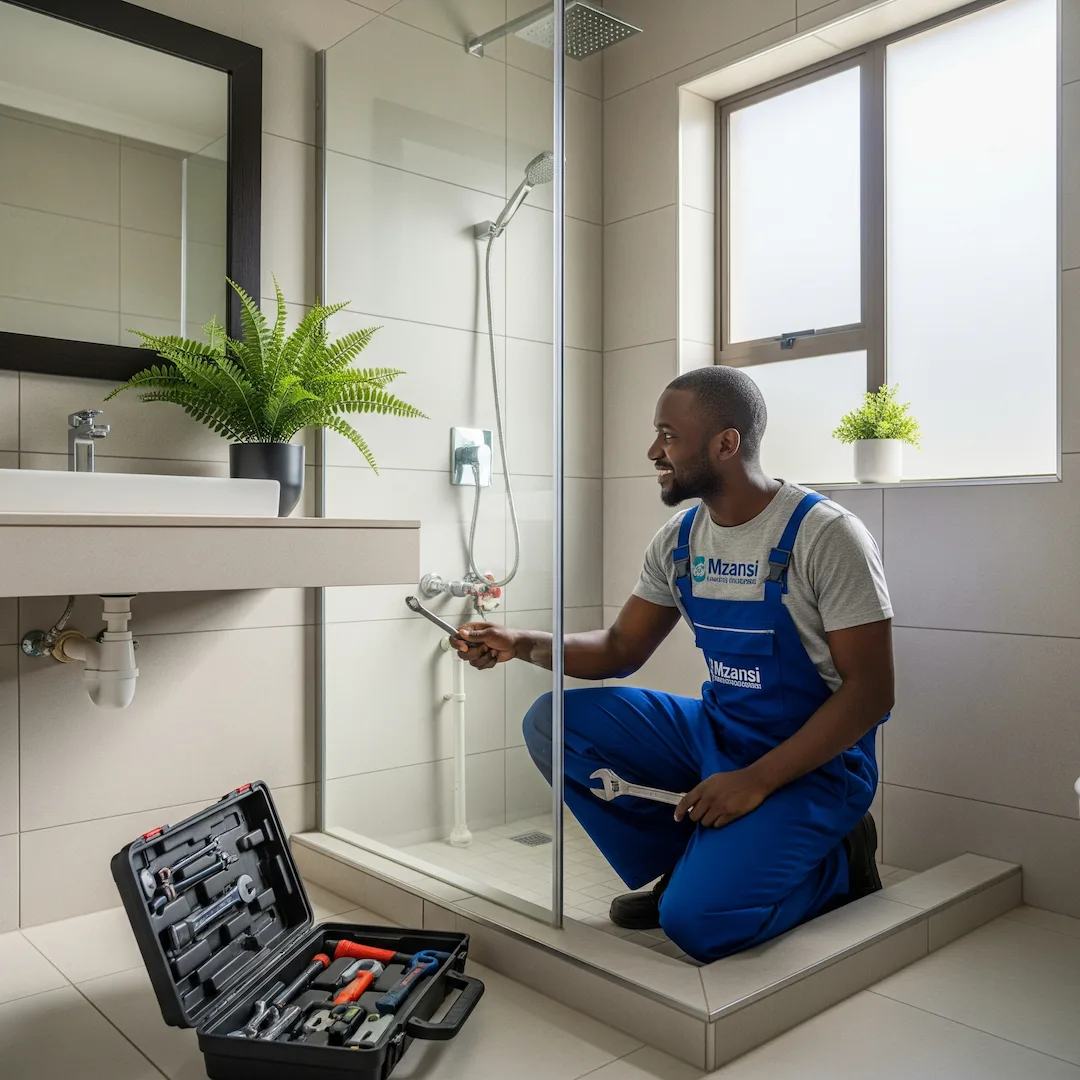
Leaky Shower? Choosing the Right Expert for Lasting Repairs in Your SA Home
Leaky shower in South Africa? Learn why choosing the right plumbing expert matters, how proper diagnosis prevents repeat leaks, and how to ensure a lasting, water-saving repair.

Leaky Shower? Choosing the Right Expert for Lasting Repairs in Your SA Home
There’s nothing quite like a refreshing shower to start your day or wash away the stress of a long one. But that feeling quickly evaporates when you spot a persistent drip, a damp patch on the wall, or a puddle on the floor that just won’t go away. A leaky shower is more than just an annoyance; it’s a waste of precious water and a sign that something is wrong.
While your first instinct might be to grab a wrench or call the first handyman you can find, stopping to consider the right way to fix it can save you a mountain of trouble, money, and headaches down the line. A quick fix that doesn't last is often worse than no fix at all. This guide will walk you through why a professional diagnosis is crucial and who you should trust to get the job done right, the first time.
Why Your 'Simple' Shower Leak Might Be a Bigger Problem
That small, seemingly innocent drip from the showerhead or tap can sometimes be the tip of the iceberg. One of our top-rated plumbers shared a story from a recent job in a Johannesburg townhouse complex. The homeowner had noticed their shower mixer was dripping. They’d tried replacing the washer themselves, but the drip came back. A few weeks later, they noticed the paint was bubbling on the wall of the bedroom sharing a wall with the bathroom.
When the plumber was called in, he had to remove a few tiles. Behind them, the wall cavity was completely saturated. A tiny, slow leak from a poorly sealed pipe joint inside the wall had been seeping water for months. The ‘simple drip’ had caused significant water damage, rotted the timber studs, and created a serious mould problem. The repair went from a quick tap fix to a multi-day job involving tiling, waterproofing, and mould remediation.
This is a classic example of how shower leaks can be deceptive. The visible symptom isn't always the root cause. The most common hidden issues include:
- Failed Waterproofing: The membrane behind your tiles (known as a waterproofing 'tanking' system) can fail due to age, poor installation, or building movement. This allows water to seep into walls and floors, causing slow, progressive damage that you won’t see until it’s severe.
- In-Wall Pipe Leaks: The pipes supplying your shower mixer are hidden from view. A tiny leak in a joint or a corroded pipe can go undetected for a long time, leading to major structural issues.
- Drainage Problems: A leak might not be from the supply pipes at all, but from a poorly sealed drain connection under the shower floor. This is especially common in shower-over-bath installations.
- Cracked Grout and Failed Silicone: The grout between your tiles and the silicone sealing the edges are your first line of defence. When they crack and fail, they create pathways for water to get behind the tiles.
The Key to a Lasting Repair: Accurate Diagnosis
Because the cause isn’t always obvious, the most critical step in any shower repair is an accurate diagnosis. A true professional won't just look at where the water is dripping from; they will investigate to find out why it's dripping.
A thorough diagnostic process should include:
- Pressure Testing: Checking the water pressure can reveal if it's too high, which puts unnecessary strain on taps, mixers, and fittings.
- Visual Inspection of all Seals: Carefully examining the silicone around the shower screen and base, as well as the grout between tiles, for any cracks or gaps.
- Checking the Fittings: Assessing the showerhead, the arm it connects to, and the tap or mixer itself. Sometimes the problem is a simple worn-out washer or O-ring, but it could also be a cracked internal cartridge in a modern mixer.
- Flood Testing the Base: A professional might carefully block the drain and let a small amount of water sit in the shower base to see if the water level drops, indicating a leak in the floor or drain itself.
- Moisture Meter Reading: Using a moisture meter on adjacent walls can help detect the presence of hidden water without having to break open the wall immediately.
Only after this kind of careful investigation can a professional confidently say, "This is the problem," and recommend a solution that will actually last.
Not All Heroes Wear Capes: Handyman vs. Licensed Plumber
So, who do you call? This is where many homeowners make a costly mistake. The choice between a general handyman and a qualified, licensed plumber is crucial.
- When a Handyman Might Be Suitable: For very minor, surface-level issues, a skilled handyman can often help. This includes tasks like:
- Replacing a showerhead.
- Re-applying a bead of silicone around the shower screen.
- Replacing a simple tap washer on an exposed tap.
- When You Absolutely Need a Licensed Plumber: For almost every other shower leak, a plumber is the only correct choice. A licensed plumber has the training, experience, and tools to handle the entire water system. You should always call a plumber if the issue involves:
- Anything inside the wall: This includes the mixer tap body and all connecting pipework.
- Suspected waterproofing failure: This is a specialised job that requires knowledge of tiling and specific waterproofing standards to ensure it’s done correctly.
- Drainage issues: Problems with the drainpipe under the shower require plumbing expertise.
- Uncertainty about the cause: If you don’t know where the leak is coming from, a plumber is trained to diagnose it properly.
Hiring a licensed plumber isn't just about getting the job done; it's about compliance and safety. Work on your home’s plumbing system must meet national standards. A botched repair by an unqualified person could not only cause more damage but might also affect your homeowner's insurance claim if a major flood occurs later.
Disclaimer: While some minor tasks like replacing a washer seem simple, working with plumbing can lead to bigger problems if not done correctly. If you are ever unsure, it is always safer and more cost-effective in the long run to hire a qualified professional.
The 'Right Stuff': Why Quality Materials Matter
Another hallmark of a lasting repair is the use of high-quality materials. We've heard from plumbing experts about being called out to fix a "repaired" leak, only to find the previous person used a cheap plastic fitting that cracked under normal water pressure within six months.
A professional will insist on using durable, SABS-approved parts. This means:
- Brass fittings over plastic for critical connections.
- High-quality tap cartridges from reputable brands.
- Industrial-grade thread seal tape and pipe sealant.
- Mould-resistant, high-grade silicone sealant specifically designed for wet areas like bathrooms.
Paying a little extra for quality components is an investment. It’s the difference between a repair that lasts a decade and one that fails before the season changes, potentially causing a flood while you're away for the weekend.
What to Expect From a Professional Shower Repair Service
When you hire the right expert, you can expect a smooth and professional process.
- Thorough Inspection: They will arrive and perform a detailed assessment, asking you questions and using their tools to diagnose the root cause, as discussed above.
- Clear Explanation & Quote: They will explain the problem to you in simple terms, outline the proposed solution, and provide a clear, itemised quote for labour and materials before any work begins.
- Professional Workmanship: During the repair, they will work efficiently and cleanly, putting down drop cloths to protect your bathroom surfaces.
- Testing and Confirmation: After the repair is complete, they will thoroughly test it – turning the water on and off, checking for any drips, and ensuring everything is working perfectly.
- Clean-Up: A true professional always cleans up after themselves, leaving your bathroom as tidy as they found it.
Choosing to fix a leaky shower properly is a decision to protect your home and your peace of mind. By prioritising an accurate diagnosis and hiring a qualified plumber who uses quality materials, you're not just stopping a drip; you're investing in a lasting solution.
Frequently Asked Questions
How can I tell if my shower leak is coming from the drain or the pipes?
A simple way to test this is to first check the taps and showerhead. If they aren't dripping, the next step is to run the shower for a few minutes and watch for water seeping out from the base of the shower. Then, turn the shower off and plug the drain. Carefully pour a bucket of water into the shower base. If you see water appearing outside the shower now, it's likely a problem with the drain connection or the waterproofing of the shower floor itself. If the leak only happens when the water is actively running through the tap or showerhead, the issue is more likely with the supply pipes or fittings.
Can a leaking shower cause structural damage to my home?
Yes, absolutely. Even a very slow, persistent leak can saturate timber frames, floor joists, and plasterboard walls over time. This can lead to wood rot, which compromises the structural integrity of your home, and can also cause concrete "cancer" (spalling) in concrete slabs. It also creates the perfect environment for dangerous black mould to grow.
My water bill has suddenly increased. Could a hidden shower leak be the cause?
A sudden, unexplained spike in your water bill is a classic sign of a hidden leak somewhere in your home. Showers and toilets are common culprits. To check, make sure all taps and water-using appliances in your house are turned off completely. Then, go look at your municipal water meter. If the dial or numbers are still moving, you likely have a leak, and a hidden one in the shower's pipework is a definite possibility.
Is it okay to use my shower if it has a small, slow leak?
While it may seem harmless, it's not advisable to continue using a leaking shower long-term. Firstly, it wastes a significant amount of water over time. Secondly, and more importantly, you often don't know where the water is going. If it's leaking behind a wall or under the floor, every shower you take could be worsening the hidden water damage and increasing the eventual cost and complexity of the repair. It's best to get it assessed and fixed as soon as possible.
Suzette Meyer is the lead author and content creator for Kandua.com, South Africa’s #1 marketplace for home services. Suzette has made it her mission to help homeowners with advice on all aspects of home repair, maintenance and improvement, including how to choose the right Pro and how to make smart upgrades that improve your resale value or save costs.

Latest articles, advice and more
.webp)
.webp)
.jpeg)
Sinking Pavers, Weeds and Water That Pools: What Your Driveway Is Telling You
When your driveway starts sprouting weeds, pooling water, or sinking in patches, the bricks are not failing you. The layers underneath have moved, and they are trying to tell you exactly what went wrong.
.jpeg)
What Your Garage Door Motor Actually Does (And Why It Breaks)
Spoiler alert: your garage door motor isn't actually doing the heavy lifting. The torsion springs carry almost all the weight. The motor simply pushes, pulls, controls the descent so it doesn't slam, and acts as a lock when the door is shut. That’s why a relatively small box on your ceiling can move such a massive door. Want to test this? Pull the red manual release cord and lift the door by hand. If it glides up easily and stays put when you let go, your springs are doing their job, and the fault lies with the motor. If the door feels like dead weight or slams back down- stop. You’ve got a spring problem.
.jpeg)
4 Warning Signs Your Tiles Are Failing (And What They Mean)
Tiles rarely fail overnight. They warn you first. A hollow sound underfoot, grout that crumbles away, a tile that lifts at one edge, or a crack that runs across two tiles all point to something happening under the surface. Here is what each sign means, and how urgent it is.
.webp)
.webp)
Beyond the Unboxing: A Detailed Guide to Correct Washing Machine Plumbing & Setup
New washing machine in South Africa? Learn essential plumbing and setup tips to prevent leaks, ensure efficient operation, and extend your appliance’s lifespan - expert advice before your first load.
.webp)
New Washing Machine? Don't Plug It In Yet! Essential Installation Tips for SA Homes
Installing a new washing machine? Learn the essential setup steps South African homeowners often overlook to prevent leaks, noise, and damage—and ensure efficient, long-lasting performance from day one.
.webp)
.webp)
%25201200%2520x%25201200%2520(1).jpeg)
What Retiling a Bathroom Costs in 2026, Room by Room
Retiling a bathroom in South Africa costs between R230 and R800 per square metre in 2026, including materials and labour. A standard family bathroom, stripped and fully retiled, usually lands between R11,800 and R27,500. A guest toilet costs a fraction of that. A large porcelain en-suite costs a lot more.
How to Install a Horizontal Geyser | Step-by-Step Pro Guide
Want to install a geyser like a pro? This step-by-step tutorial shows you exactly how to do a horizontal Ariston Axios geyser installation, straight from the BluLever plumbing workshop. 🎥 Hosted by MK, BluLever’s technical facilitator, and supported by a qualified electrician, Life and a BluLever graduate artisan, Zinhle. This is your ultimate guide to a SANS 10254-compliant installation — from preparing the wall, to plumbing, electrical wiring, and pro troubleshooting tips.
How to Maintain a Geyser | Step-by-Step Pro Guide
Want to maintain a geyser like a pro? This step-by-step tutorial shows you exactly how to do the three core geyser maintenance checks on an Ariston Axios geyser installation, straight from the BluLever plumbing workshop. 🎥 Hosted by MK, BluLever’s technical facilitator, and supported by a qualified electrician, Life. This is your ultimate guide to geyser maintenance — from diagnosing the problem to checking the heat regulation of the geyser, to pressure regulation and then finally corrosion protection.
%201.avif)
Not just another newsletter. It's an advantage