
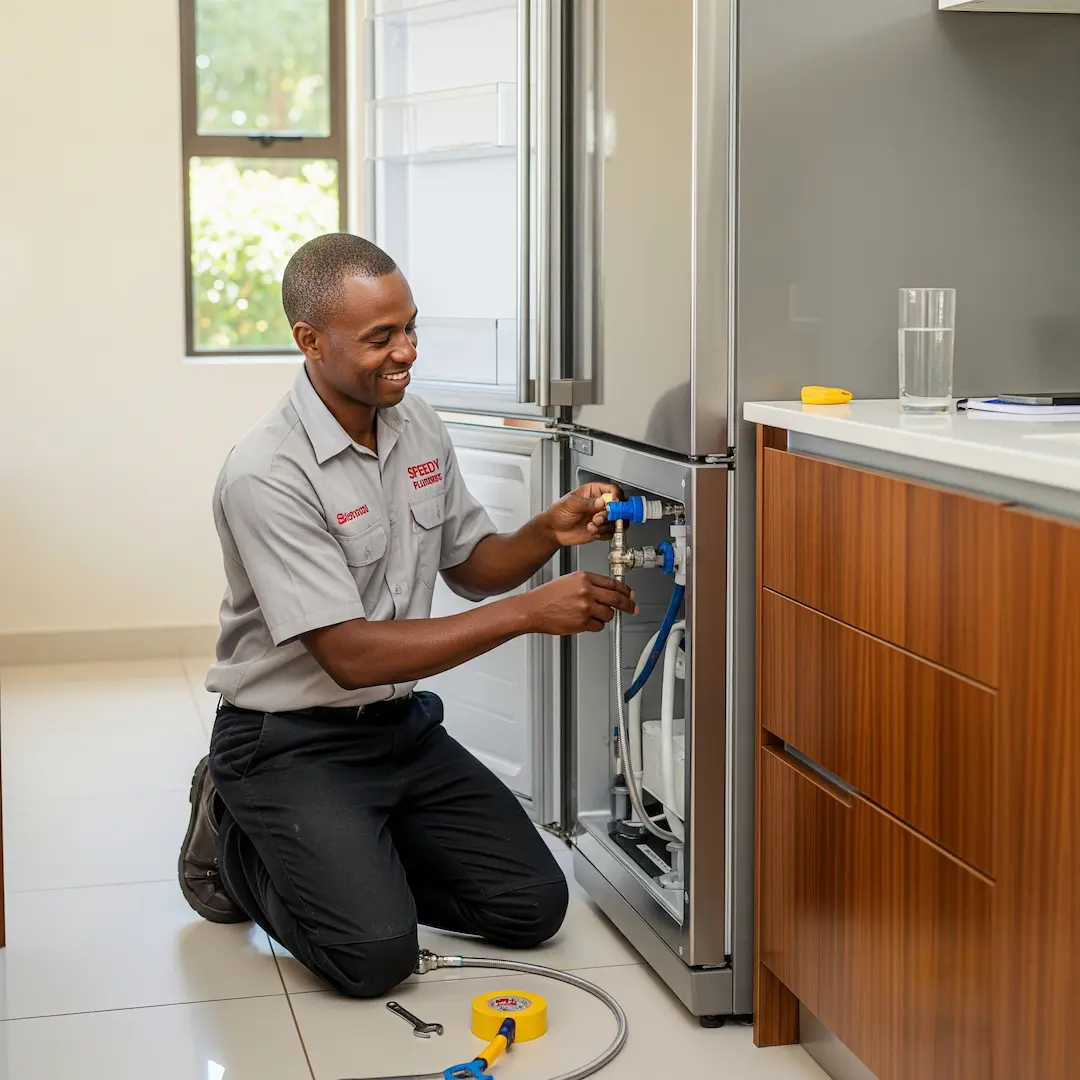
Connecting Your Fridge: Choosing the Right Water Line Kit and Installation Service
New fridge with a water dispenser? This guide explains how proper water line installation, the right connection kit, and professional service ensure a leak-free, reliable setup from day one.

Getting a new fridge with an ice maker or water dispenser is exciting, but connecting it properly requires a bit more than just plugging it in. A crucial part of this process is installing the water line, and choosing the right kit and service for the job can save you a lot of hassle down the line. Let's delve into what you need to know to ensure a reliable and leak-free connection.
Understanding Fridge Water Lines: Copper vs. Braided Steel
When it comes to fridge water lines, you'll generally encounter two main types: copper and braided stainless steel. Both have their pros and cons, and understanding them will help you make an informed decision.
Copper Water Lines
Copper has been a traditional choice for water lines for a long time, and for good reason. It's durable and resistant to corrosion. Many plumbers, drawing from years of experience, often favour copper for its longevity and relative ease of installation when working in open spaces.
One service provider recounted a situation in an older Durban home where the existing plumbing was predominantly copper. Opting for a copper fridge line in that instance made perfect sense for seamless integration and consistent material properties. The key with copper, however, is that it's a rigid material. This means it needs to be carefully bent and routed, which requires a skilled hand to avoid kinks that could restrict water flow or, worse, lead to future leaks. If it’s not handled correctly, a sharp bend can weaken the pipe.
Braided Stainless Steel Water Lines
Braided stainless steel lines have become increasingly popular, especially for DIY enthusiasts and in situations where flexibility is key. These lines consist of an inner rubber or PVC tube covered with a woven stainless steel mesh. This outer braiding provides excellent protection against kinking, punctures, and even rodent damage.
A professional installer from Johannesburg once shared how braided lines significantly simplify installations in tight kitchen spaces where manoeuvring rigid copper tubing would be incredibly difficult. Their flexibility allows for easier routing behind appliances and through cabinets. While generally more expensive upfront than basic copper tubing, their ease of installation and resilience can often make them a more cost-effective choice in the long run, particularly for those looking for a less invasive installation.
Key Considerations When Choosing Your Water Line
Beyond the material, several other factors influence the right choice for your fridge water line:
- Length: Measure the distance from your water supply valve to your fridge. It’s always better to have a line that’s a little too long than too short. Avoid stretching the line tight, as this can put strain on the connections and increase the risk of leaks.
- Fittings: Ensure the fittings on the water line kit match the connections on your fridge and your water supply valve. Most fridges use standard compression fittings.
- Valve Type: Your existing water supply might have a saddle valve, a piercing valve, or a proper shut-off valve. While saddle valves are common for fridge connections, many plumbers recommend upgrading to a quarter-turn ball valve for better reliability and easier future maintenance. This is because saddle valves can sometimes be prone to leaks over time and may not provide a complete shut-off.
- Water Pressure: South African homes can experience varying water pressures. Most fridge manufacturers specify a working pressure range. Too high, and it can strain the internal components of your fridge; too low, and your ice maker might produce small cubes or your water dispenser might trickle. An experienced plumber will understand these variations and can advise if a pressure-reducing valve is necessary, especially in areas known for high water pressure like parts of Cape Town.
The Role of a Water Filter
Many modern fridges come with built-in water filters, but an external filter can offer an extra layer of protection and improve water quality. If your fridge doesn’t have a filter, or if you want to further enhance the taste and reduce impurities, consider incorporating an inline water filter into your water line setup. These are typically installed between the supply valve and the fridge connection. They are particularly beneficial in areas with hard water or where tap water quality is a concern.
Why Professional Installation is Often Best
While the idea of a DIY fridge water line installation might be tempting, especially with flexible braided lines, there are compelling reasons to opt for professional help.
- Leak Prevention: The most common issue with DIY installations is leaks. A small drip can go unnoticed for days, leading to significant water damage to your floors, cabinets, and even the fridge itself. Professional plumbers have the right tools, experience, and knowledge of proper sealing techniques to ensure all connections are watertight. They also know the correct torque to apply to fittings – overtightening can strip threads, and undertightening leads to leaks.
- Correct Pressure Connection: As mentioned, water pressure is crucial. A professional understands how to assess your home's water pressure and whether any adjustments or additional components (like a pressure reducer) are needed to protect your appliance and ensure optimal performance. They'll adhere to SANS (South African National Standards) guidelines for plumbing installations.
- Appliance Warranty: Some fridge manufacturers specify that installation must be done by a qualified professional to maintain the appliance's warranty. This is a critical point that many homeowners overlook.
- Peace of Mind: Knowing that your fridge water line has been installed correctly and safely by a certified professional offers invaluable peace of mind. It means you can enjoy your ice and chilled water without the constant worry of potential leaks or damage.
A seasoned plumber shared a story about a client in Pretoria who attempted a DIY installation. Weeks later, they noticed a damp patch on their kitchen floor. Upon investigation, it turned out to be a slow leak from a poorly tightened connection. The cost of repairing the water damage far outweighed what a professional installation would have initially cost. This highlights the importance of getting it right the first time.
In conclusion, selecting the right water line kit for your fridge involves considering the material, length, fittings, and your home's water pressure. While some might consider a DIY approach, the expertise of a professional plumber is invaluable in ensuring a safe, leak-free, and compliant installation that protects your appliance and your home.
Frequently Asked Questions
What are the common signs of a leaky fridge water line?
Common signs include puddles of water around the fridge, dampness or discolouration on the floor or wall behind the fridge, reduced ice production, or a noticeable drop in water pressure from the dispenser. Sometimes, a musty smell can also indicate hidden moisture.
How often should I replace my fridge's water filter?
Most fridge manufacturers recommend replacing the water filter every six months. However, this can vary depending on your water quality and how much you use the dispenser. If you notice a change in water taste, smell, or a decrease in flow, it's a good indication that the filter needs changing sooner.
Can I connect my fridge to an existing cold water tap?
Yes, it's common to connect a fridge water line to an existing cold water supply, often under the kitchen sink. However, this connection should be done using a proper shut-off valve to ensure that the water supply to the fridge can be isolated for maintenance or in case of a leak.
What tools are typically needed for a fridge water line installation?
For a professional installation, a plumber would typically use a pipe cutter (for copper), wrenches to tighten fittings, a bucket to catch any water during the connection, and possibly a pressure gauge to check water pressure. They will also use sealants or plumber's tape to ensure watertight connections.
Find a vetted plumber near you
Fridge installation: find a pro near you
Suzette Meyer is the lead author and content creator for Kandua.com, South Africa’s #1 marketplace for home services. Suzette has made it her mission to help homeowners with advice on all aspects of home repair, maintenance and improvement, including how to choose the right Pro and how to make smart upgrades that improve your resale value or save costs.

Latest articles, advice and more
.webp)
.webp)
.jpeg)
Sinking Pavers, Weeds and Water That Pools: What Your Driveway Is Telling You
When your driveway starts sprouting weeds, pooling water, or sinking in patches, the bricks are not failing you. The layers underneath have moved, and they are trying to tell you exactly what went wrong.
.jpeg)
What Your Garage Door Motor Actually Does (And Why It Breaks)
Spoiler alert: your garage door motor isn't actually doing the heavy lifting. The torsion springs carry almost all the weight. The motor simply pushes, pulls, controls the descent so it doesn't slam, and acts as a lock when the door is shut. That’s why a relatively small box on your ceiling can move such a massive door. Want to test this? Pull the red manual release cord and lift the door by hand. If it glides up easily and stays put when you let go, your springs are doing their job, and the fault lies with the motor. If the door feels like dead weight or slams back down- stop. You’ve got a spring problem.
.jpeg)
4 Warning Signs Your Tiles Are Failing (And What They Mean)
Tiles rarely fail overnight. They warn you first. A hollow sound underfoot, grout that crumbles away, a tile that lifts at one edge, or a crack that runs across two tiles all point to something happening under the surface. Here is what each sign means, and how urgent it is.
.webp)
.webp)
Beyond the Unboxing: A Detailed Guide to Correct Washing Machine Plumbing & Setup
New washing machine in South Africa? Learn essential plumbing and setup tips to prevent leaks, ensure efficient operation, and extend your appliance’s lifespan - expert advice before your first load.
.webp)
New Washing Machine? Don't Plug It In Yet! Essential Installation Tips for SA Homes
Installing a new washing machine? Learn the essential setup steps South African homeowners often overlook to prevent leaks, noise, and damage—and ensure efficient, long-lasting performance from day one.
.webp)
.webp)
%25201200%2520x%25201200%2520(1).jpeg)
What Retiling a Bathroom Costs in 2026, Room by Room
Retiling a bathroom in South Africa costs between R230 and R800 per square metre in 2026, including materials and labour. A standard family bathroom, stripped and fully retiled, usually lands between R11,800 and R27,500. A guest toilet costs a fraction of that. A large porcelain en-suite costs a lot more.
How to Install a Horizontal Geyser | Step-by-Step Pro Guide
Want to install a geyser like a pro? This step-by-step tutorial shows you exactly how to do a horizontal Ariston Axios geyser installation, straight from the BluLever plumbing workshop. 🎥 Hosted by MK, BluLever’s technical facilitator, and supported by a qualified electrician, Life and a BluLever graduate artisan, Zinhle. This is your ultimate guide to a SANS 10254-compliant installation — from preparing the wall, to plumbing, electrical wiring, and pro troubleshooting tips.
How to Maintain a Geyser | Step-by-Step Pro Guide
Want to maintain a geyser like a pro? This step-by-step tutorial shows you exactly how to do the three core geyser maintenance checks on an Ariston Axios geyser installation, straight from the BluLever plumbing workshop. 🎥 Hosted by MK, BluLever’s technical facilitator, and supported by a qualified electrician, Life. This is your ultimate guide to geyser maintenance — from diagnosing the problem to checking the heat regulation of the geyser, to pressure regulation and then finally corrosion protection.
%201.avif)
Not just another newsletter. It's an advantage