
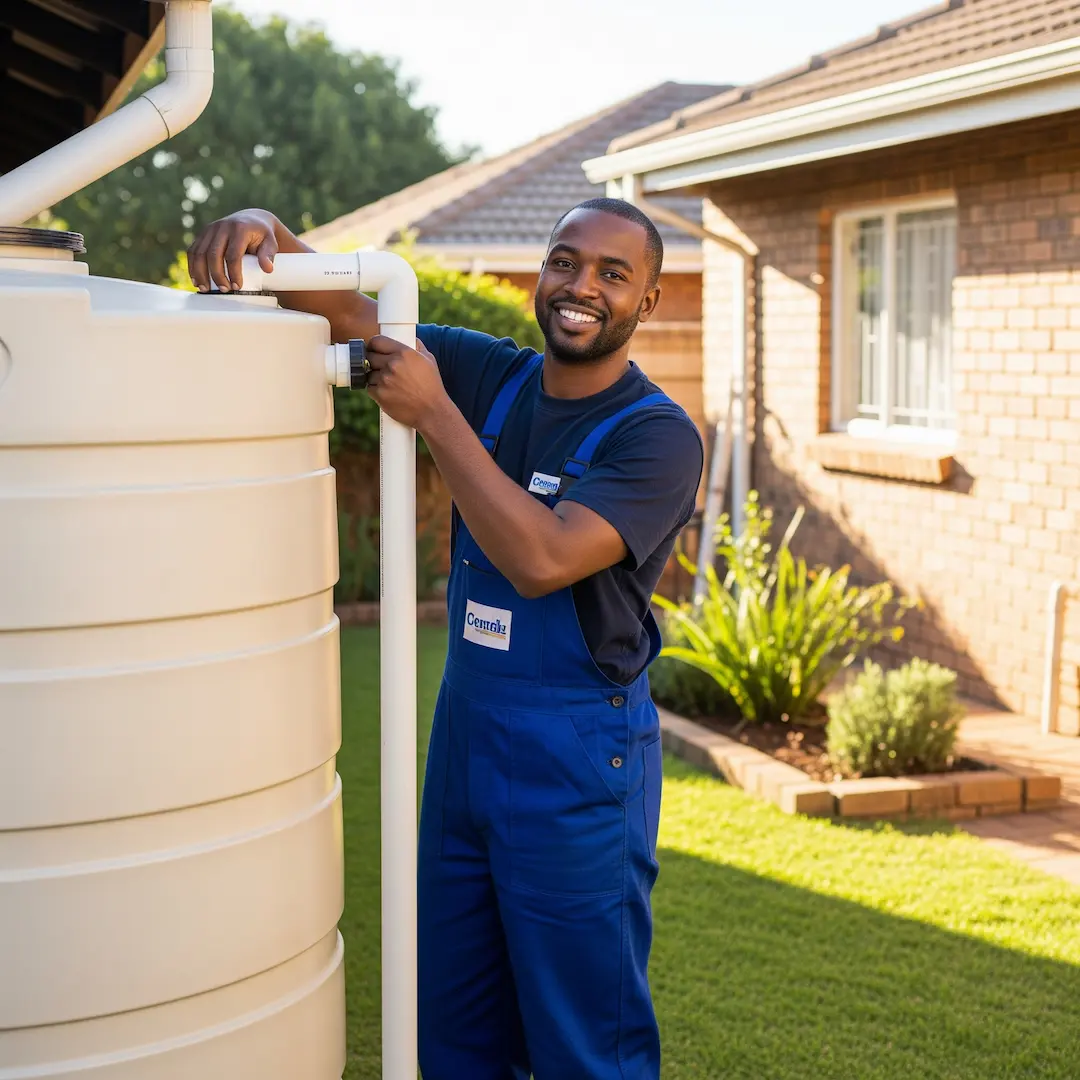
Harvesting Rain: Why Every South African Home Should Consider a Rainwater System
Considering rainwater harvesting in South Africa? Learn why it’s a smart solution for water scarcity, how it reduces reliance on municipal supply, and why more homeowners are investing in rainwater systems.

Harvesting Rain: Why Every South African Home Should Consider a Rainwater System
South Africa is a water-scarce country, a reality that hits home particularly hard during drought periods. We've all experienced the worry of looming water restrictions and the desire to do our part in conserving this precious resource. It’s in this context that rainwater harvesting emerges as a remarkably practical and increasingly popular solution for homeowners across the nation. But what exactly is it, and why should you consider bringing it into your home?
Imagine being less reliant on municipal water, having a backup supply during outages, and even seeing a reduction in your utility bills. That's the promise of rainwater harvesting – a simple yet effective way to capture and store the rain that falls on your roof for later use.
What is Rainwater Harvesting? A Simple Concept, Powerful Impact
At its core, rainwater harvesting is the collection of rainwater from surfaces like rooftops and storing it for various uses. Instead of letting rainfall simply run off into storm drains, a well-designed system diverts it into a storage tank, making it available for non-potable (and in some cases, potable with proper filtration) applications around your home.
Think of it as catching every drop that lands on your property and putting it to good use. Many South African plumbers we've spoken to often highlight its simplicity. "It’s not rocket science," one experienced installer from the Western Cape once explained, "it's just smart water management. We've seen homeowners dramatically reduce their reliance on municipal water, especially for outdoor use."
The Benefits of Rainwater Harvesting: A Deep Dive
The advantages of installing a rainwater harvesting system in your South African home extend far beyond simply having an extra water supply. They touch upon environmental responsibility, financial prudence, and increased household resilience.
1. Water Conservation and Environmental Stewardship
This is perhaps the most obvious and compelling benefit. By harvesting rainwater, you're actively reducing your demand on municipal water supplies, which are often drawn from dwindling dams and rivers. This lessens the strain on our national water infrastructure and contributes directly to water security for everyone.
Consider the Western Cape's recent drought, where every drop counted. Homeowners with rainwater harvesting systems were far better positioned to manage their water consumption, continuing to water gardens or flush toilets even during stringent restrictions. This direct contribution to water conservation is a powerful act of environmental stewardship.
2. Potential Cost Savings on Utility Bills
While there's an initial investment in setting up a system, the long-term financial benefits can be significant. Using harvested rainwater for tasks like irrigation, toilet flushing, or even laundry means you're buying less water from your municipality. Over time, these savings can add up, especially with rising water tariffs.
Many plumbers advise homeowners to track their water usage before and after installation to truly appreciate the savings. "We've seen clients halve their municipal water bill in some months, particularly those with large gardens or pools," shared a Pretoria-based expert.
3. A Reliable Backup Water Supply
Power outages and infrastructure issues can sometimes lead to interruptions in municipal water supply. A rainwater harvesting system provides an invaluable independent water source during such times. This offers peace of mind, knowing you'll still have water for essential non-potable uses.
Imagine the inconvenience of a burst pipe affecting your neighbourhood's water supply. With a stored reserve of rainwater, you wouldn't be left high and dry. This resilience is a significant advantage in South Africa’s sometimes unpredictable infrastructure landscape.
4. Reduced Stormwater Runoff
When rain falls on impervious surfaces like roofs and driveways, it often becomes stormwater runoff, carrying pollutants into rivers and oceans and contributing to localised flooding. Rainwater harvesting mitigates this by capturing a significant portion of this runoff, reducing its environmental impact and helping to manage urban water flow.
5. Suitable for Various Uses
Depending on the level of filtration, harvested rainwater can be used for a wide range of applications:
- Outdoor Use: Ideal for watering gardens, washing cars, topping up swimming pools, and cleaning outdoor areas. This is where most homeowners start, as it requires less intensive filtration.
- Indoor Non-Potable Use: With basic filtration, it can be used for flushing toilets and laundry. This significantly reduces your reliance on municipal water for everyday tasks.
- Potable Use (with advanced treatment): While more complex and requiring advanced filtration and purification (e.g., UV sterilisation), rainwater can even be made safe for drinking, cooking, and showering. This typically involves a more substantial investment and professional guidance to ensure safety standards are met.
Key Components of a Rainwater Harvesting System
Understanding the basic components of a system can help you visualise how it works and what to expect during installation. Our expert service providers highlight these core elements:
- Catchment Surface: This is typically your roof. The larger the roof area, the more water you can potentially collect.
- Gutters and Downspouts: These direct the rainwater from the roof into the rest of the system. Regular cleaning is crucial to prevent blockages and maintain water quality.
- Leaf Screens/First Flush Diversion: These are essential for preventing leaves, debris, and the initial, dirtier runoff from entering your storage tank. A first-flush diverter ensures that the first few litres of rainfall, which often contain most of the dust and contaminants from the roof, are diverted away before cleaner water is collected.
- Piping: Connects the downspouts to the storage tank and from the tank to your usage points.
- Storage Tank: This is where the collected rainwater is stored. Tanks come in various sizes and materials (e.g., plastic, concrete) and can be above-ground or underground. The size of your tank will depend on your roof size, rainfall patterns in your area, and your intended usage.
- Pump (Optional but Recommended): A pump is often needed to move the water from the storage tank to where it's needed, especially if the usage points are uphill or require good water pressure.
- Filtration System: The type of filtration depends on the intended use of the water. For irrigation, a basic filter might suffice. For indoor non-potable use, more robust filtration is needed. For potable water, a multi-stage filtration system including UV sterilisation is essential.
Is Rainwater Harvesting Right for Your Home?
Deciding whether to install a rainwater harvesting system involves considering a few factors specific to your property and lifestyle:
- Rainfall Patterns: South Africa has diverse rainfall regions. While a system is beneficial anywhere, areas with higher and more consistent rainfall (like parts of KwaZulu-Natal or the Southern Cape) will yield more water. However, even in drier regions, every drop saved helps.
- Roof Size and Type: Larger roofs collect more water. Pitched roofs are generally more efficient for collection than flat roofs.
- Intended Use: What do you plan to use the harvested water for? This will influence the system's complexity and cost.
- Budget: While there's an initial outlay, consider the long-term savings and increased water security as part of the investment.
Engaging with a professional plumber who specialises in rainwater harvesting is crucial. They can assess your property, recommend the most suitable system for your needs and budget, and ensure it's installed correctly and safely, adhering to any relevant local bylaws or SANS standards. DIY attempts, especially with electrical components or large water tanks, can be dangerous if not handled by a qualified professional.
Ultimately, rainwater harvesting is more than just a home improvement project; it's an investment in a sustainable future and a tangible step towards greater water independence for your South African home.
Frequently Asked Questions
How much water can I actually collect from my roof?
The amount of water you can collect depends on your roof's surface area and the amount of rainfall in your region. As a rough guide, for every 1 millimetre of rain that falls on 1 square metre of roof, you can collect approximately 1 litre of water. So, a 100 square metre roof receiving 100mm of rain could potentially yield 10,000 litres.
Is harvested rainwater safe to drink?
Harvested rainwater is generally not safe for direct drinking without proper treatment. While it starts relatively clean, it can pick up contaminants from your roof (like dust, bird droppings, and leaves) and the storage tank. To make it potable, it needs to undergo a multi-stage filtration process, often including sediment filters, activated carbon filters, and UV sterilisation. This advanced treatment should always be designed and installed by a qualified professional.
How often do I need to clean my rainwater harvesting system?
Regular maintenance is key to ensuring your system functions efficiently and the water quality remains good. Gutters and leaf screens should be cleaned at least quarterly, or more often if you have many trees nearby. The storage tank should be inspected annually for sediment build-up and cleaned every few years, or as needed, by draining and scrubbing. Filters will need to be replaced or cleaned according to the manufacturer's recommendations, depending on the type and usage.
What size storage tank do I need for my home?
The ideal tank size depends on several factors: your average rainfall, the size of your roof, your water usage patterns, and how long you want your stored water to last during dry periods. A professional installer can perform calculations based on your specific location and needs to recommend the most appropriate tank capacity, ensuring you have enough water without oversizing your system unnecessarily.
Find a vetted plumber near you
Rainwater harvesting: find a pro near you
Suzette Meyer is the lead author and content creator for Kandua.com, South Africa’s #1 marketplace for home services. Suzette has made it her mission to help homeowners with advice on all aspects of home repair, maintenance and improvement, including how to choose the right Pro and how to make smart upgrades that improve your resale value or save costs.

Latest articles, advice and more
.webp)
.webp)
.webp)
.webp)
.jpeg)
Sinking Pavers, Weeds and Water That Pools: What Your Driveway Is Telling You
When your driveway starts sprouting weeds, pooling water, or sinking in patches, the bricks are not failing you. The layers underneath have moved, and they are trying to tell you exactly what went wrong.
.webp)
.webp)
Beyond the Unboxing: A Detailed Guide to Correct Washing Machine Plumbing & Setup
New washing machine in South Africa? Learn essential plumbing and setup tips to prevent leaks, ensure efficient operation, and extend your appliance’s lifespan - expert advice before your first load.
.webp)
New Washing Machine? Don't Plug It In Yet! Essential Installation Tips for SA Homes
Installing a new washing machine? Learn the essential setup steps South African homeowners often overlook to prevent leaks, noise, and damage—and ensure efficient, long-lasting performance from day one.
.webp)
.webp)
%25201200%2520x%25201200%2520(1).jpeg)
What Retiling a Bathroom Costs in 2026, Room by Room
Retiling a bathroom in South Africa costs between R230 and R800 per square metre in 2026, including materials and labour. A standard family bathroom, stripped and fully retiled, usually lands between R11,800 and R27,500. A guest toilet costs a fraction of that. A large porcelain en-suite costs a lot more.
How to Install a Horizontal Geyser | Step-by-Step Pro Guide
Want to install a geyser like a pro? This step-by-step tutorial shows you exactly how to do a horizontal Ariston Axios geyser installation, straight from the BluLever plumbing workshop. 🎥 Hosted by MK, BluLever’s technical facilitator, and supported by a qualified electrician, Life and a BluLever graduate artisan, Zinhle. This is your ultimate guide to a SANS 10254-compliant installation — from preparing the wall, to plumbing, electrical wiring, and pro troubleshooting tips.
How to Maintain a Geyser | Step-by-Step Pro Guide
Want to maintain a geyser like a pro? This step-by-step tutorial shows you exactly how to do the three core geyser maintenance checks on an Ariston Axios geyser installation, straight from the BluLever plumbing workshop. 🎥 Hosted by MK, BluLever’s technical facilitator, and supported by a qualified electrician, Life. This is your ultimate guide to geyser maintenance — from diagnosing the problem to checking the heat regulation of the geyser, to pressure regulation and then finally corrosion protection.
%201.avif)
Not just another newsletter. It's an advantage