
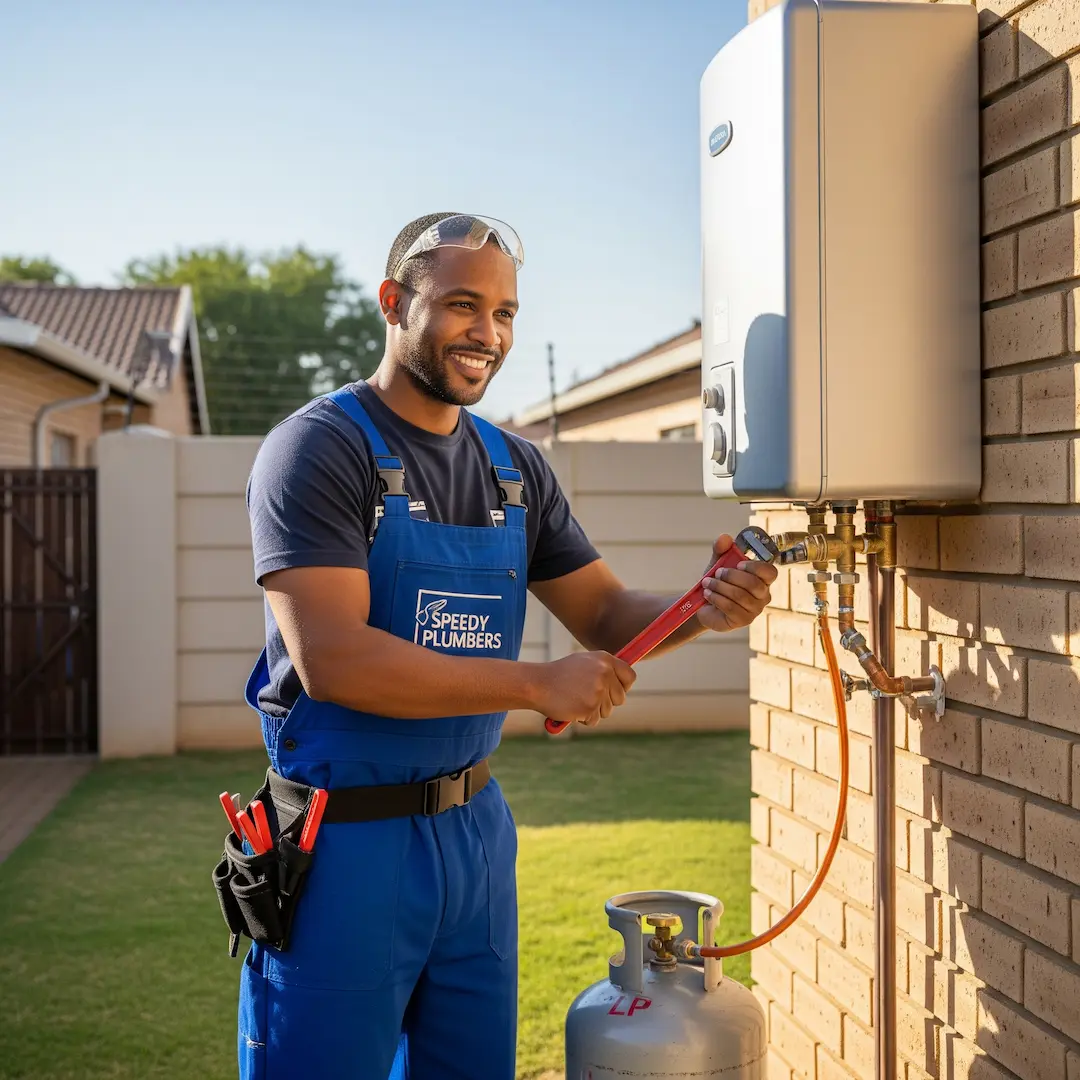
Installing a Gas Geyser in South Africa: Key Considerations for Safety, Compliance, and Longevity
Installing a gas geyser in South Africa? Learn key safety, compliance, and installation considerations to ensure reliable hot water, long-term performance, and total peace of mind.

Installing a Gas Geyser in South Africa: Key Considerations for Safety, Compliance, and Longevity
Switching to a gas geyser is a smart move for many South African homeowners. It promises instant hot water, independence from load shedding, and significant savings on your monthly electricity bill. You’ve done the research, compared the models, and are now ready to make the final decision and get one installed.
This is the most critical stage of the process. A gas geyser is not like a new toaster you simply plug in. It’s a sophisticated appliance involving flammable gas, water systems, and combustion by-products. A correct, compliant installation is the only thing that stands between years of safe, efficient service and a potential disaster.
Before you hire anyone, let's walk through the essential considerations for installing a gas geyser in South Africa. This isn't just about getting the job done; it's about getting it done right, for the safety of your home and family.
Why a Professional, Registered Installer is Non-Negotiable
When it comes to gas, there is zero room for error. The first and most important rule is that your gas geyser must be installed by a SAQCC Gas registered practitioner.
SAQCC Gas stands for the South African Qualification & Certification Committee for Gas. This is the legally recognised body that ensures anyone working on gas systems in the country is properly trained, assessed, and qualified to do so safely and according to national standards.
Hiring a registered installer isn't just a "good idea"—it is a legal requirement under the Occupational Health and Safety Act. Our network of veteran plumbers often share stories of call-outs to fix disastrous DIY or unqualified installations. One pro in Pretoria recently described a scene where an incorrectly placed flue pipe was venting carbon monoxide directly back into a poorly ventilated bathroom. The family was incredibly lucky to have noticed the symptoms—headaches and nausea—before it became tragic. This is exactly why these strict regulations exist.
A registered gas practitioner understands:
- The specific properties and dangers of Liquefied Petroleum Gas (LPG).
- The complex ventilation and flueing requirements.
- The correct materials and techniques to ensure a leak-free system.
- The detailed regulations outlined in the South African National Standards (SANS).
The Certificate of Conformity (COC): Your Proof of Safety and Compliance
After your installation is complete, the registered practitioner must issue you a Gas Certificate of Conformity (COC). Think of this as the birth certificate for your gas installation.
A COC is a legal document that certifies the installation is:
- Safe: The system has been tested and is free from leaks.
- Compliant: It meets all the safety requirements stipulated in SANS 10087-1 (the standard for LPG installations).
- Professionally Done: It was completed by a qualified individual.
Why is this piece of paper so important?
- Insurance: If a fire or explosion occurs due to a faulty gas installation and you cannot produce a valid COC, your insurer is likely to reject your claim, leaving you financially responsible for all damages.
- Selling Your Home: You are legally required to provide a valid COC for any gas installations when you sell your property. Without it, the property transfer cannot proceed.
- Peace of Mind: The COC is your ultimate assurance that the installation has been done correctly and doesn't pose a hidden threat to your household.
Crucially: Only the registered practitioner who performs the installation (or inspects it) can issue the COC. Never accept a certificate from a third party who wasn't involved in the work.
Key Installation Requirements You Should Be Aware Of
While you're not expected to be the expert, understanding the basic rules will empower you to see if the job is being done correctly. A professional installer will have no problem explaining these aspects to you.
Ventilation is Paramount
Gas appliances need oxygen to burn fuel properly. When they don't get enough, they produce Carbon Monoxide (CO), a colourless, odourless gas that is highly toxic. Proper ventilation is about ensuring a constant supply of fresh air and a safe exit for combustion gases.
- Type B Geysers: These are the most common models. They must be fitted with a flue pipe that vents all exhaust gases to the outside. The room they are in also needs permanent ventilation openings (e.g., vents in the wall or door) to allow fresh air in.
- Type D Geysers: These are "balanced flue" units. They are sealed from the room and use a special dual-channel pipe to draw combustion air from outside and vent exhaust gases back outside. They are the only type of gas geyser that can be legally installed in a bathroom, toilet, or bedroom.
An experienced installer from Johannesburg told us that the most common mistake they see is insufficient ventilation. "Homeowners often block up vents because of drafts in winter," he said, "not realising they are creating a potentially lethal environment. A compliant installation will have fixed vents that cannot be easily closed for this very reason."
Geyser Location and Clearances
You can't just install a gas geyser anywhere. SANS regulations are very specific about placement to prevent fires and ensure safety.
- The flue outlet must be a specific distance from windows, doors, drains, and electrical points. For example, a flue terminal must be at least 300mm away from an opening window and 1.5 metres below it.
- It must also be a safe distance from the property boundary line and any combustible materials.
Gas Cylinder Placement and Safety
The rules for your LPG cylinders are just as strict.
- Cylinders must be located outdoors on a firm, level, non-combustible surface. (You can have a maximum of one 9kg cylinder inside a flat, but anything larger, or any cylinder connected to a fixed appliance like a geyser, must be outside).
- They must be at least 1 metre away (sideways) from any door or window.
- They must be at least 2 metres away from any open drain or manhole where gas could accumulate.
- They must be at least 5 metres away from any electrical switch, motor, or other ignition source (unless a non-combustible fire wall is installed).
The Cost vs. The Risk: Why Cutting Corners is a False Economy
It can be tempting to save a few hundred Rand by hiring an unqualified handyman who promises to do the job for less. This is a classic example of a false economy. The potential cost of getting it wrong is astronomical compared to the initial savings.
Consider the risks of a non-compliant installation:
- The cost of re-installation: You will eventually have to pay a registered professional to rip everything out and do it again correctly to get a COC.
- Invalidated insurance: A single incident could leave you with hundreds of thousands of Rands in damage that you have to cover yourself.
- Health risks: Chronic exposure to low levels of CO or a single acute exposure can have devastating health consequences.
- Legal liability: If your installation causes harm or damage to a neighbouring property, you could be held legally and financially responsible.
The price difference between a compliant installation with a COC and a cheap, illegal job is the price of your family's safety and your financial security. It’s a price not worth paying.
Final Checks Before You Sign Off
Once the installation is complete, run through this quick checklist before making the final payment.
- Ask to see their card: The installer should be able to produce their valid SAQCC Gas practitioner card. It has their photo, license number, and the specific types of gas work they are authorised for.
- Understand the work: Have they explained the ventilation, flueing, and cylinder placement to you?
- Witness the test: They should perform a leak test (usually with a manometer or soapy water solution) to show you the system is sound.
- Get the walkthrough: Ask them to show you how to operate the geyser safely and what to do if you suspect a leak (turn off the gas at the cylinder first!).
- Receive the COC: Do not hand over the final payment until you have the completed and signed Certificate of Conformity in your hands. Check that the details on it are correct.
Choosing a gas geyser is a great step towards an energy-efficient home. Completing that journey with a safe, compliant installation by a registered professional ensures it remains a positive investment for years to come.
Frequently Asked Questions
How often do I need a new Gas COC?
A Certificate of Conformity (COC) does not expire for the original installation, provided no alterations or extensions are made to it. However, if you sell your property, the law requires that you provide a new COC that is not older than five years. It's also considered best practice to have your gas installation inspected by a registered practitioner every 2-3 years to ensure it remains in a safe condition.
Can my regular plumber install a gas geyser?
Only if that plumber is also a registered gas practitioner with SAQCC Gas for LPG installations. A standard plumbing qualification from PIRB (Plumbing Industry Registration Board) is not sufficient for gas work. Always ask to see their specific gas practitioner card, which is a separate and distinct qualification.
What is Carbon Monoxide (CO) and why is it so dangerous?
Carbon Monoxide is a colourless, odourless, and tasteless gas produced during the incomplete combustion of fuels like LPG. This often happens in appliances that are poorly maintained or lack adequate ventilation. When inhaled, CO displaces oxygen in your blood, effectively starving your brain, heart, and other vital organs. Low-level exposure causes headaches and dizziness, while high concentrations can lead to unconsciousness and death very quickly, making correct flueing and ventilation absolutely critical.
My gas geyser is installed in a cupboard. Is this allowed?
Generally, installing a standard (Type B) gas geyser inside a regular household cupboard is not compliant or safe. SANS regulations have very strict requirements for such installations, including minimum cupboard dimensions and permanent, non-closable ventilation openings at both high and low levels to ensure air circulation. In most cases, only a Type D (balanced flue) appliance, which is sealed from the room, would be suitable for an enclosed space. An assessment by a registered practitioner is essential to determine if an installation in a cupboard can be made compliant.
Find a vetted plumber near you
LPG gas plumbing installation: find a pro near you
- LPG gas plumbing installation near you
- LPG gas plumbing installation in Johannesburg
- LPG gas plumbing installation in Sandton
- LPG gas plumbing installation in Midrand
- LPG gas plumbing installation in Roodepoort
- LPG gas plumbing installation in Randburg
- LPG gas plumbing installation in Pretoria
- LPG gas plumbing installation in Cape Town
Suzette Meyer is the lead author and content creator for Kandua.com, South Africa’s #1 marketplace for home services. Suzette has made it her mission to help homeowners with advice on all aspects of home repair, maintenance and improvement, including how to choose the right Pro and how to make smart upgrades that improve your resale value or save costs.

Latest articles, advice and more
.webp)
.webp)
.webp)
.webp)
.jpeg)
Sinking Pavers, Weeds and Water That Pools: What Your Driveway Is Telling You
When your driveway starts sprouting weeds, pooling water, or sinking in patches, the bricks are not failing you. The layers underneath have moved, and they are trying to tell you exactly what went wrong.
.webp)
.webp)
Beyond the Unboxing: A Detailed Guide to Correct Washing Machine Plumbing & Setup
New washing machine in South Africa? Learn essential plumbing and setup tips to prevent leaks, ensure efficient operation, and extend your appliance’s lifespan - expert advice before your first load.
.webp)
New Washing Machine? Don't Plug It In Yet! Essential Installation Tips for SA Homes
Installing a new washing machine? Learn the essential setup steps South African homeowners often overlook to prevent leaks, noise, and damage—and ensure efficient, long-lasting performance from day one.
.webp)
.webp)
%25201200%2520x%25201200%2520(1).jpeg)
What Retiling a Bathroom Costs in 2026, Room by Room
Retiling a bathroom in South Africa costs between R230 and R800 per square metre in 2026, including materials and labour. A standard family bathroom, stripped and fully retiled, usually lands between R11,800 and R27,500. A guest toilet costs a fraction of that. A large porcelain en-suite costs a lot more.
How to Install a Horizontal Geyser | Step-by-Step Pro Guide
Want to install a geyser like a pro? This step-by-step tutorial shows you exactly how to do a horizontal Ariston Axios geyser installation, straight from the BluLever plumbing workshop. 🎥 Hosted by MK, BluLever’s technical facilitator, and supported by a qualified electrician, Life and a BluLever graduate artisan, Zinhle. This is your ultimate guide to a SANS 10254-compliant installation — from preparing the wall, to plumbing, electrical wiring, and pro troubleshooting tips.
How to Maintain a Geyser | Step-by-Step Pro Guide
Want to maintain a geyser like a pro? This step-by-step tutorial shows you exactly how to do the three core geyser maintenance checks on an Ariston Axios geyser installation, straight from the BluLever plumbing workshop. 🎥 Hosted by MK, BluLever’s technical facilitator, and supported by a qualified electrician, Life. This is your ultimate guide to geyser maintenance — from diagnosing the problem to checking the heat regulation of the geyser, to pressure regulation and then finally corrosion protection.
%201.avif)
Not just another newsletter. It's an advantage