
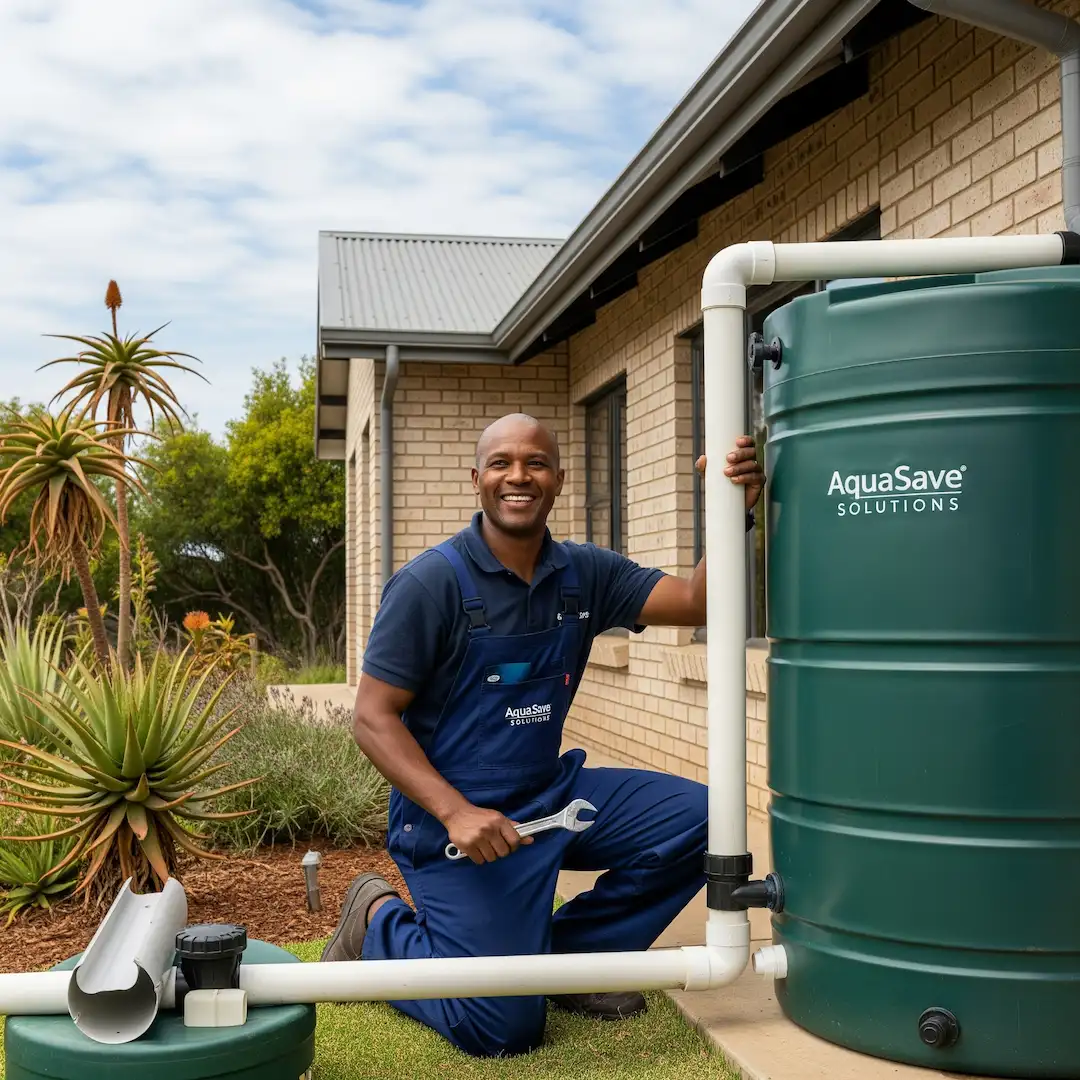
Investing in Rainwater Harvesting in SA: Why Expert Design & Installation is Key for Success
Considering rainwater harvesting in South Africa? Learn why expert system design and professional installation are critical for reliable performance, water savings, and long-term success - before you invest.

Investing in Rainwater Harvesting in SA: Why Expert Design & Installation is Key for Success
South Africa’s water situation has made us all more conscious of every drop. From seasonal droughts to unexpected municipal supply interruptions, the desire for water independence has never been stronger. Rainwater harvesting has emerged as a practical and sustainable solution, promising a free, high-quality water source right from your rooftop.
You’ve likely done your research, seen the tanks in your neighbourhood, and are now seriously considering making the investment. But moving from the idea of a rainwater tank to a fully functional system that reliably supplies your home or garden is a significant step. The difference between a system that delivers on its promise and one that becomes a costly frustration often comes down to two things: intelligent design and expert installation.
This guide, informed by insights from seasoned plumbing professionals across South Africa, will walk you through what truly makes a successful rainwater harvesting system and why entrusting its setup to an expert is the smartest decision you can make.
What Makes a Good Rainwater Harvesting System? The Core Components
A rainwater harvesting system is more than just a Jojo tank connected to a gutter. A truly effective system is an integrated solution where every part is chosen and installed to work in harmony. Let's break down the essential components.
- Catchment Surface (Your Roof): This is where it all begins. The material of your roof matters. Tiled, slate, or metal roofs are ideal as they are relatively clean and allow water to run off efficiently. Thatched roofs absorb a lot of water and can leach tannins, while asbestos or lead-painted roofs are unsuitable for harvesting water intended for household use due to health risks.
- Gutters and Downpipes: These are the arteries of your system. They must be clean, correctly sloped, and free of leaks to transport the maximum amount of water from the roof to your tank. An expert will ensure the gutters can handle the flow during a typical Highveld thunderstorm without overflowing.
- Pre-Filtration (The Unsung Hero): Before water even enters the tank, it needs to be cleaned. This is crucial for water quality and system longevity.
- Gutter Mesh: A simple screen that keeps large leaves and debris out of the gutters.
- First-Flush Diverter: This is a vital component. It diverts the initial, most contaminated water from the roof (carrying dust, bird droppings, and pollutants) away from your tank. One of our Pros in Gauteng often tells us about systems he's been called to fix where the water is smelly and discoloured, simply because a first-flush diverter was never installed.
- Inlet Screen: A final mesh screen at the tank's entry point to catch any smaller debris that got through.
- Storage Tank: This is the most visible part of the system. The size is critical (more on that below). Material matters too—UV-stabilised polyethylene tanks are the most common and durable choice in the South African sun. The tank must be placed on a solid, level base to prevent stress and potential failure.
- Distribution System (Getting Water Out): This includes the pump, post-tank filtration, and pipework.
- Pump: A pressure-sensitive pump is essential for delivering water at a usable pressure to your taps or garden hose.
- Post-Tank Filtration: If you plan to use the water indoors (for toilets, laundry, or even drinking after further purification), a series of filters (like sediment and carbon filters) is necessary to ensure it's clean and safe.
- Backflow Prevention: This is a legal and safety requirement. It's a device that prevents your harvested rainwater from flowing back into the municipal water supply, which could contaminate the public grid.
Why Professional System Design is Non-Negotiable
Simply buying the biggest tank you can afford is a common but costly mistake. A professional doesn't just install components; they design a tailored system based on science, data, and your specific needs.
Calculating Your Potential Yield
An expert will start with a simple but crucial calculation:
CatchmentArea(m2)×AnnualRainfall(mm)×RunoffCoefficient=PotentialAnnualYield(Litres)
- Catchment Area: This isn't your home's floor size; it's the actual surface area of the roof that will be feeding your tank.
- Annual Rainfall: This is based on historical data for your specific area. A system designed for the winter rainfall of the Western Cape will look very different from one designed for the summer downpours of KwaZulu-Natal.
- Runoff Coefficient: This accounts for water lost to evaporation or absorption by the roof material (e.g., a metal roof has a higher coefficient, around 0.9, than a concrete tile roof at 0.8).
This calculation determines how much water you can realistically expect to harvest, preventing the disappointment of a tank that is either always empty or constantly overflowing.
Sizing the Tank and Pump Correctly
Based on your potential yield and your household's daily water consumption, a professional will recommend the optimal tank size.
- Too small: You'll run out of water quickly during dry spells, defeating the purpose of water security.
- Too large: You might be over-investing in a tank that your roof and local rainfall can never realistically fill, wasting money and space.
Similarly, the pump must be sized for the job. A pump that's too weak will result in a frustrating trickle from your taps. One that's too powerful for the pipework can cause leaks and will consume unnecessary electricity. An expert considers factors like the distance the water needs to travel and the required pressure (e.g., running a sprinkler system requires more pressure than flushing a toilet).
Matching Filtration to Your Needs
The level of filtration required depends entirely on how you intend to use the water.
- Gardening Only: Basic pre-filtration (a first-flush diverter and inlet screen) is usually sufficient.
- Household Use (Toilets/Laundry): You'll need additional sediment and carbon filters after the tank to remove fine particles and organic compounds that can cause odours or stain clothes.
- Potable Water (Drinking/Cooking): This requires a multi-stage purification process, often including UV sterilisation, to ensure the water is microbiologically safe. A professional will advise on the correct systems that meet health standards.
The Expert Installation Difference: From Gutter to Tap
A perfectly designed system can fail if the installation is sloppy. Plumbers and specialised installers ensure every connection is secure, efficient, and built to last.
Getting the Basics Right
One of the most common issues we hear about from our network of plumbers is poorly installed tank bases. They’ve seen tanks placed on uneven ground, leading to stress fractures and catastrophic failures. A professional ensures a compacted, perfectly level base of sand or concrete, which is essential for the tank's warranty and structural integrity.
They also ensure gutters have the correct fall, downpipes are properly sealed, and all plumbing connections are watertight. These small details prevent leaks that can undermine your home's foundation or waste precious water before it even reaches the tank.
Ensuring Safety and Compliance
Integrating a rainwater system with your home's main plumbing is complex work. An expert installer will correctly install a backflow prevention device, which is a non-negotiable safety measure required by most municipalities. This prevents any possibility of your tank water contaminating the city’s supply lines, protecting both you and your community.
They also understand the electrical requirements for connecting a pump safely, ensuring all wiring is protected from the elements and compliant with SANS 10142 regulations.
Disclaimer: Installing a rainwater harvesting system involves working at heights (gutters), heavy lifting (tanks), and potentially complex plumbing and electrical work. For your safety and to ensure the system functions correctly, we strongly advise against DIY installation unless you are a qualified and experienced professional.
Common Pitfalls of a Poorly Installed System
We've heard countless stories from homeowners who tried to cut corners, only to spend more in the long run.
- The Clogged System: A homeowner in Pretoria installed a tank without a first-flush diverter. After one rainy season, the tank was full of sludge, the water was unusable, and the pump's filter was constantly clogging. He had to pay for a professional to drain, clean, and retrofit the system correctly.
- The Pressurless Dribble: A family in the Garden Route bought a cheap, undersized pump online. While it could fill a bucket slowly, it couldn't provide enough pressure to run their washing machine or even a decent shower, making the system impractical for daily use.
- The Leaky Disaster: A DIY installation with poorly sealed pipes resulted in a slow, persistent leak behind the tank. By the time it was discovered, it had caused dampness issues along the foundation wall of the house, leading to expensive repairs.
These scenarios highlight that professional installation isn't a luxury; it's an insurance policy against failure, ensuring your investment pays dividends in reliable, clean water for years to come.
Frequently Asked Questions
How much maintenance does a rainwater harvesting system need?
A well-installed system requires minimal maintenance. You should clean your gutters and check the pre-filtration screens every few months, especially before the rainy season. The tank itself may need to be desludged every 3-5 years, depending on the effectiveness of your pre-filtration. Post-tank filters will need to be replaced according to the manufacturer's recommendations.
Can I really drink the water from my roof?
Yes, but only if the system is designed for it. To make rainwater potable (safe for drinking), you need a specific multi-stage filtration and purification process. This typically includes sediment filters, activated carbon filters (to remove chemicals and improve taste), and a UV steriliser or ultrafiltration membrane to kill bacteria and viruses. Never drink untreated rainwater.
Is the pump for a rainwater system very noisy?
Modern, high-quality pumps are surprisingly quiet. The noise level is often comparable to an outdoor air conditioning unit. The pump only runs when there is a demand for water (e.g., when a tap is opened or a toilet is flushed). A professional installer can also use techniques like mounting the pump on a vibration-dampening pad to further reduce noise.
How does the system switch between tank water and municipal water?
There are several ways to manage the switchover. Manual systems use a set of valves that you turn by hand to select your water source. More advanced automatic systems use a float switch inside the tank. When the tank water level drops below a certain point, it automatically switches the supply over to the municipal feed, ensuring you are never without water. When the tank refills, it can switch back automatically.
Suzette Meyer is the lead author and content creator for Kandua.com, South Africa’s #1 marketplace for home services. Suzette has made it her mission to help homeowners with advice on all aspects of home repair, maintenance and improvement, including how to choose the right Pro and how to make smart upgrades that improve your resale value or save costs.

Related articles, advice and more
.webp)
What Does a Plumbing Call-Out Fee Usually Include?
When that familiar drip-drip-drip starts under the kitchen sink or your geyser begins a slow weep in the ceiling, the first thing most South African homeowners do is pick up the phone. But before a wrench even touches a pipe, you’ll likely hear the term "call-out fee."
.jpg)
How to Choose Between Repair and Replacement for Your Geyser
Deciding between repairing and replacing isn't just about the immediate price tag. It is about safety, long-term electricity savings, and compliance with South African building regulations. Based on insights from vetted plumbers across Johannesburg, Cape Town, and Durban, this guide will help you navigate that decision with confidence.
.jpg)
What to Do If Your Electric Problem Comes Back After Repair
There are few things more frustrating than paying for a repair only to have the lights flicker, the breaker trip, or the plug point fail again a few days later. Here is a step-by-step guide to handling the situation professionally, safely, and effectively to get it sorted out for good.
.jpg)
Understanding Geyser Warranties in South Africa
For most South African households, the geyser is the hardest-working appliance in the home. To help you protect your investment, we have broken down exactly how Geyser warranties work in South Africa, drawing on insights from qualified plumbers who handle rejected claims daily.
.webp)
How Hard Water Damages Your Plumbing (and What to Do About It)
If you suspect you have hard water, you are in the "awareness" stage of a very important journey for your home's maintenance. Ignoring it can lead to burst geysers and clogged pipes. This guide, compiled with insights from top local plumbers, will explain exactly how hard water affects your plumbing and the practical steps you can take to fix it.
.webp)
.webp)
.webp)
Latest articles, advice and more
.webp)
How To Fix A Damp Wall And What's Actually Causing It
If your walls are weeping, your plaster is flaking, or you can smell that musty, damp smell, you're not dealing with one problem; you're dealing with three possible ones. The fix depends entirely on the cause.
.webp)
Gutter Cleaning: How Often Should You Do It and What Does It Cost?
Clean your gutters at least twice a year, and always before your rainy season kicks in. In South Africa, a professional gutter clean usually costs somewhere between R450 and R2,500, depending on the size of your home, how high the roof is, and how blocked things have become. Here is how to work out the right frequency and a fair price.
.webp)
Why Are My Plug Points Not Working? A Troubleshooting Guide
If your plug points have suddenly gone dead, the usual culprits are a tripped earth leakage switch, a tripped circuit breaker, loose or burnt wiring, or a faulty appliance overloading the circuit. Work through the safety checks below before you call anyone, then understand when the job requires a registered electrician.
.webp)
How a Geyser Timer Can Cut Your Electricity Bill
If you've been staring at your Eskom bill and wondering where the money is going, your geyser might be the culprit. Here's the good news: a simple geyser timer can cut your hot water costs by up to 30% each month, which typically saves South African homeowners between R200 and R400 on their electricity bills, depending on their current usage.
%20(1).webp)
How To Treat and Paint Over Damp Walls (So It Doesn't Come Back)
You've noticed a patch on the bedroom wall: discoloured and maybe a bit soft to the touch, and you're wondering if a fresh coat of paint will simply cover the problem. The short answer: no, it won't. But the good news is that understanding what's happening beneath that stain, and treating it properly, is far simpler than you might think.
.webp)
Beyond the Unboxing: A Detailed Guide to Correct Washing Machine Plumbing & Setup
New washing machine in South Africa? Learn essential plumbing and setup tips to prevent leaks, ensure efficient operation, and extend your appliance’s lifespan - expert advice before your first load.
.webp)
New Washing Machine? Don't Plug It In Yet! Essential Installation Tips for SA Homes
Installing a new washing machine? Learn the essential setup steps South African homeowners often overlook to prevent leaks, noise, and damage—and ensure efficient, long-lasting performance from day one.
%20(1).webp)
.webp)
TV Repair Costs in South Africa: Diagnosing Screen, Power & Component Issues
Find out what TV repairs really cost in South Africa – from call-out and diagnosis fees to screen, power and main board fixes – and when it’s cheaper to replace your TV instead of repairing it.
.webp)
Septic Tank Leak Repair Cost in South Africa: Addressing Odours & Environmental Hazards
Learn typical septic tank leak repair costs in South Africa, what drives the price up, how to spot early warning signs (odours, soggy ground, backups), and when it’s safer and cheaper to get a professional in.
How to Install a Horizontal Geyser | Step-by-Step Pro Guide
Want to install a geyser like a pro? This step-by-step tutorial shows you exactly how to do a horizontal Ariston Axios geyser installation, straight from the BluLever plumbing workshop. 🎥 Hosted by MK, BluLever’s technical facilitator, and supported by a qualified electrician, Life and a BluLever graduate artisan, Zinhle. This is your ultimate guide to a SANS 10254-compliant installation — from preparing the wall, to plumbing, electrical wiring, and pro troubleshooting tips.
How to Maintain a Geyser | Step-by-Step Pro Guide
Want to maintain a geyser like a pro? This step-by-step tutorial shows you exactly how to do the three core geyser maintenance checks on an Ariston Axios geyser installation, straight from the BluLever plumbing workshop. 🎥 Hosted by MK, BluLever’s technical facilitator, and supported by a qualified electrician, Life. This is your ultimate guide to geyser maintenance — from diagnosing the problem to checking the heat regulation of the geyser, to pressure regulation and then finally corrosion protection.
%201.avif)
Not just another newsletter. It's an advantage


From problem to solved.


.svg)


.avif)
.avif)
.avif)


.avif)