
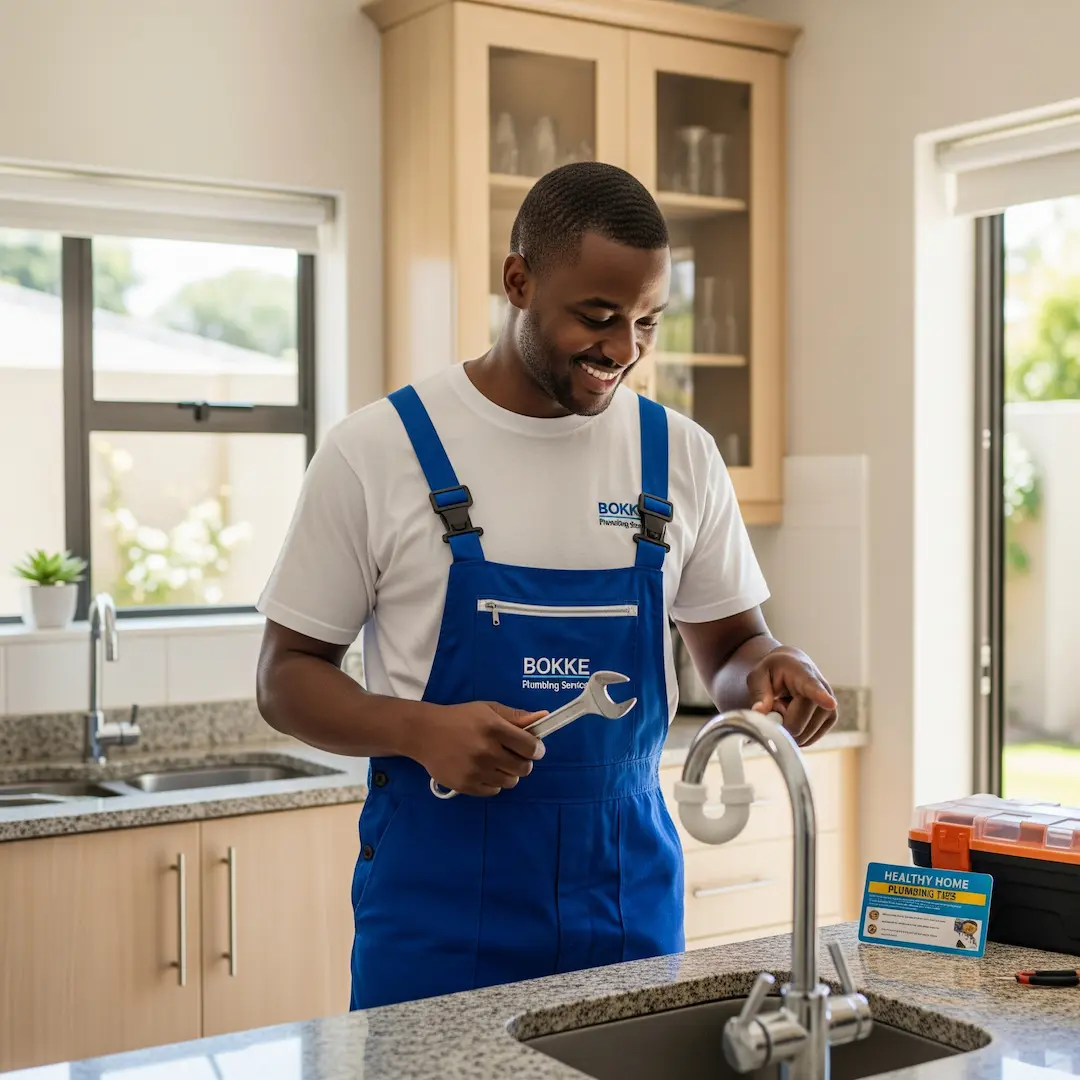
Keeping Your Home Plumbing Healthy: A South African Homeowner's Essential Maintenance Checklist
Want to avoid plumbing disasters? Discover an essential maintenance checklist for South African homeowners to prevent leaks, clogs, and costly repairs - simple proactive steps to keep your plumbing healthy.

Keeping Your Home Plumbing Healthy: A South African Homeowner's Essential Maintenance Checklist
Plumbing is the circulatory system of your home, silently working behind the scenes to deliver fresh water and whisk away waste. When it's working well, you barely notice it. But when something goes wrong – a burst pipe, a stubborn clog, or a leaky tap – it can quickly become a major headache. Regular maintenance isn't just about preventing emergencies; it's about extending the lifespan of your plumbing system, saving on costly repairs down the line, and ensuring your home remains comfortable and hygienic.
Think of it like servicing your car. You wouldn't wait for the engine to seize up before taking it to the mechanic, would you? The same principle applies to your home's plumbing. A proactive approach, as shared by experienced plumbers we've spoken with across South Africa, can make all the difference.
The Importance of a Proactive Plumbing Approach
Many homeowners only think about their plumbing when there's a problem. However, a little preventative care goes a long way. Our expert service providers often recount stories of easily avoidable issues – from minor leaks escalating into significant water damage due to neglect, to simple drain blockages that become complex pipe replacements because of improper DIY attempts.
A regular maintenance routine helps you:
- Catch small issues before they become big ones: A drip today could be a flood tomorrow. Early detection saves you money and stress.
- Improve efficiency: Well-maintained pipes and fixtures operate more efficiently, potentially lowering your water bills.
- Extend system lifespan: Regular care can significantly prolong the life of your geyser, pipes, and other plumbing components.
- Maintain hygiene and safety: Preventing mould, mildew, and stagnant water protects your family's health.
Your Essential South African Plumbing Maintenance Checklist
This checklist is designed to empower you with the knowledge to keep your plumbing in top shape, with clear guidance on what you can tackle yourself and when it’s time to call in a professional.
1. Drain Care: Preventing the Unpleasant Block
Blocked drains are one of the most common plumbing nuisances. In South Africa, especially in older homes, we often see a build-up of fats, oils, and greases (FOGs) combined with hair and soap scum.
- Kitchen Sinks:What to do: Avoid pouring cooking oils and fats down the drain. Scrape plates clean before washing. Use strainers in your sink to catch food particles.
- Pro tip from plumbers: Once a week, flush your kitchen drain with hot (but not boiling) water to help dissolve grease. Some homeowners also swear by a baking soda and vinegar solution (half a cup of baking soda, followed by half a cup of white vinegar; let it sit for 20-30 minutes, then flush with hot water) as a natural way to keep drains clear.
- Bathroom Sinks, Showers, and Baths:What to do: Install hair catchers in all shower and bath drains. Regularly remove accumulated hair and soap scum from these strainers.
- Professional insight: Hair is a major culprit in bathroom clogs. We've seen drains completely matted with hair, requiring specialist tools to clear. Regular manual removal is your best defence.
- Outdoor Drains and Gutters:What to do: Periodically check and clear any outdoor drains, storm drains, and gutters of leaves, debris, and silt. Heavy South African rains can quickly overwhelm blocked drainage systems, leading to localised flooding around your home.
2. Leak Detection: Finding the Hidden Drips
Even small leaks can waste thousands of litres of water per year and lead to significant structural damage and mould growth. Many homeowners are surprised to learn how much water a seemingly minor drip can waste.
- Faucets and Showerheads:What to do: Regularly check all taps and showerheads for drips. A dripping tap, even one drip every few seconds, adds up.
- DIY Tip: Often, a dripping tap just needs a new washer. This is a relatively simple DIY fix if you're comfortable with basic tools and know how to turn off your water supply.
- Toilets:What to do: Listen for running water when the toilet hasn't been flushed. Perform the dye test: add a few drops of food colouring to your toilet tank. Wait 15-20 minutes without flushing. If colour appears in the bowl, you have a leak.
- Expert advice: A common cause of a constantly running toilet is a faulty flapper valve or fill valve. These components are usually easily replaceable.
- Under Sinks and Appliances:What to do: Periodically open the cabinets under your sinks and inspect for any signs of moisture, water stains, or musty odours. Check connections to dishwashers, washing machines, and fridges with ice makers.
- What plumbers see: We often discover slow leaks under kitchen sinks where homeowners store cleaning products, masking the issue until significant damage has occurred to the cabinetry.
3. Water Pressure Checks: Too Much or Too Little?
Ideal water pressure in a home is typically between 40 and 60 PSI (pounds per square inch). Both excessively high and low pressure can indicate underlying issues.
- High Water Pressure:Why it's a problem: Can put undue stress on pipes, fixtures, and appliances, leading to leaks and premature wear. It can also cause noisy pipes.
- What to do: If you suspect high water pressure (e.g., extremely powerful showers, noisy pipes), you might have a pressure reducing valve (PRV) that needs adjustment or replacement, or your municipal supply pressure is simply too high.
- When to call a pro: Adjusting or installing a PRV requires professional expertise to ensure it's set correctly according to SANS standards, protecting your plumbing system.
- Low Water Pressure:Why it's a problem: Can make showers frustrating and impact appliance performance.
- What to do: First, check if the low pressure is isolated to one fixture or affecting the whole house. If it's one fixture, the aerator might be clogged. If it's the whole house, check your main water shut-off valve to ensure it's fully open. In some areas, municipal supply issues or a faulty PRV can be the cause.
- Professional perspective: Sometimes, low pressure can indicate a more serious issue like a hidden leak or sediment build-up in older pipes.
4. Geyser Maintenance: The Heart of Your Hot Water
Your geyser is one of the most hardworking appliances in your home. Regular attention can prevent sudden cold showers and costly burst geysers.
- Temperature and Pressure (T&P) Valve:What to do: Annually, gently lift the lever on your geyser's T&P relief valve to allow a small amount of water to discharge. This helps clear mineral build-up and ensures the valve can operate correctly if pressure or temperature gets too high. Be cautious, as the water will be hot.
- Safety first: Our plumbers stress the importance of caution here. The water can be scalding hot. If no water comes out, or if the valve continues to drip excessively afterwards, do not attempt further DIY and call a qualified plumber immediately. A non-functioning T&P valve is a serious safety risk.
- Drainage (for electric geysers):What to do: Some experts recommend draining a small amount of water from the bottom of your geyser annually to remove sediment build-up, which can affect efficiency and lifespan.
- Consideration: This is often done during a professional geyser service. If you're unsure, it's safer to have a professional handle it. Sediment build-up is particularly common in areas with hard water, like parts of the Western Cape or Gauteng.
5. Preventing Winter Pipe Bursts (Especially in Colder SA Regions)
While not every part of South Africa experiences freezing temperatures, regions like the Drakensberg, parts of the Free State, and high-altitude areas of the Western Cape can get cold enough for pipes to freeze and burst.
- What to do:Insulate exposed pipes: Identify any water pipes that run through unheated areas like basements, attics, or exterior walls, and insulate them with foam pipe covers available at most hardware stores.
- Outdoor taps: Disconnect garden hoses from outdoor taps and drain the taps before winter sets in. If possible, insulate outdoor taps.
- If you're going away: In very cold weather, if you're leaving your home for an extended period, consider turning off your main water supply and draining your pipes to prevent freezing. Our plumbers have seen the devastation caused by burst pipes in vacant homes during winter.
6. Post-Repair Checks: What to Look for After a Plumber's Visit
After a plumbing repair, it’s natural to want to ensure everything is working correctly. Here’s what you should check:
- No more leaks: The most obvious check – visually inspect the area where the repair was made. Look for any drips, puddles, or signs of moisture. Run water through the repaired fixture or pipe to put it under pressure.
- Proper function: Test the repaired fixture or appliance. Does the toilet flush correctly? Does the tap turn on and off smoothly without dripping? Does the geyser produce hot water as expected?
- Water pressure: If the repair involved a change in pipes or fittings, ensure the water pressure feels normal. Sometimes, air can get trapped in the lines after a repair, which usually clears up quickly.
- Sound: Listen for any unusual noises – gurgling, banging, or hissing sounds that weren't there before the repair.
- Cleanliness: A professional plumber should leave the work area clean and tidy, removing any debris or old parts.
- Long-term observation: Keep an eye on the repaired area for the next few days or weeks. Subtle issues sometimes only become apparent after a bit of time. If you notice anything amiss, don't hesitate to contact the plumber who did the work.
When to Call a Professional Plumber
While many maintenance tasks can be handled by a confident DIY enthusiast, knowing when to call in the experts is crucial for safety and preventing further damage.
Call a professional for:
- Persistent leaks: If you can't find the source of a leak or your DIY efforts aren't successful.
- No water or very low water pressure throughout the house.
- Sewer odours: Strong sewer smells can indicate a serious drainage problem or vent issue.
- No hot water or inconsistent hot water from your geyser.
- Burst pipes.
- Complex installations: Such as new geysers, pipe replacements, or major renovations.
- Anything that makes you feel unsafe or unsure. Plumbing involves water and sometimes gas, both of which can be dangerous if mishandled. Always prioritise safety.
By following this essential maintenance checklist, you'll be well on your way to a healthy, efficient plumbing system, enjoying peace of mind and potentially saving a considerable amount on unexpected repair costs.
Frequently Asked Questions
How often should I perform general plumbing maintenance?
A good rule of thumb is to perform a visual inspection and basic checks (like looking for leaks and clearing drains) monthly. More in-depth checks, like testing your geyser's T&P valve or checking outdoor drains, should be done annually, ideally before the start of winter.
Can I use chemical drain cleaners for stubborn clogs?
While chemical drain cleaners are readily available, many plumbers advise against them. They can be harsh on your pipes, especially older ones, and often only provide a temporary fix. For stubborn clogs, it's usually better to use a drain snake or call a professional who can diagnose the root cause of the blockage.
What's the average lifespan of a geyser in South Africa?
The typical lifespan of an electric geyser in South Africa is generally between 5 to 10 years, though some can last longer with good maintenance and in areas with less corrosive water. Factors like water quality, usage patterns, and proper installation significantly influence its longevity.
My water bill suddenly spiked. Could it be a plumbing issue?
Absolutely. A sudden increase in your water bill is often the first sign of a hidden leak. This could be anywhere from a silently running toilet to an underground pipe leak. If you suspect a leak, try the meter test: turn off all water-using appliances and taps in your home, then check your water meter. If the meter is still moving, you likely have a leak somewhere in your system.
Suzette Meyer is the lead author and content creator for Kandua.com, South Africa’s #1 marketplace for home services. Suzette has made it her mission to help homeowners with advice on all aspects of home repair, maintenance and improvement, including how to choose the right Pro and how to make smart upgrades that improve your resale value or save costs.

Latest articles, advice and more
.webp)
.webp)
.jpeg)
Sinking Pavers, Weeds and Water That Pools: What Your Driveway Is Telling You
When your driveway starts sprouting weeds, pooling water, or sinking in patches, the bricks are not failing you. The layers underneath have moved, and they are trying to tell you exactly what went wrong.
.jpeg)
What Your Garage Door Motor Actually Does (And Why It Breaks)
Spoiler alert: your garage door motor isn't actually doing the heavy lifting. The torsion springs carry almost all the weight. The motor simply pushes, pulls, controls the descent so it doesn't slam, and acts as a lock when the door is shut. That’s why a relatively small box on your ceiling can move such a massive door. Want to test this? Pull the red manual release cord and lift the door by hand. If it glides up easily and stays put when you let go, your springs are doing their job, and the fault lies with the motor. If the door feels like dead weight or slams back down- stop. You’ve got a spring problem.
.jpeg)
4 Warning Signs Your Tiles Are Failing (And What They Mean)
Tiles rarely fail overnight. They warn you first. A hollow sound underfoot, grout that crumbles away, a tile that lifts at one edge, or a crack that runs across two tiles all point to something happening under the surface. Here is what each sign means, and how urgent it is.
.webp)
.webp)
Beyond the Unboxing: A Detailed Guide to Correct Washing Machine Plumbing & Setup
New washing machine in South Africa? Learn essential plumbing and setup tips to prevent leaks, ensure efficient operation, and extend your appliance’s lifespan - expert advice before your first load.
.webp)
New Washing Machine? Don't Plug It In Yet! Essential Installation Tips for SA Homes
Installing a new washing machine? Learn the essential setup steps South African homeowners often overlook to prevent leaks, noise, and damage—and ensure efficient, long-lasting performance from day one.
.webp)
.webp)
%25201200%2520x%25201200%2520(1).jpeg)
What Retiling a Bathroom Costs in 2026, Room by Room
Retiling a bathroom in South Africa costs between R230 and R800 per square metre in 2026, including materials and labour. A standard family bathroom, stripped and fully retiled, usually lands between R11,800 and R27,500. A guest toilet costs a fraction of that. A large porcelain en-suite costs a lot more.
How to Install a Horizontal Geyser | Step-by-Step Pro Guide
Want to install a geyser like a pro? This step-by-step tutorial shows you exactly how to do a horizontal Ariston Axios geyser installation, straight from the BluLever plumbing workshop. 🎥 Hosted by MK, BluLever’s technical facilitator, and supported by a qualified electrician, Life and a BluLever graduate artisan, Zinhle. This is your ultimate guide to a SANS 10254-compliant installation — from preparing the wall, to plumbing, electrical wiring, and pro troubleshooting tips.
How to Maintain a Geyser | Step-by-Step Pro Guide
Want to maintain a geyser like a pro? This step-by-step tutorial shows you exactly how to do the three core geyser maintenance checks on an Ariston Axios geyser installation, straight from the BluLever plumbing workshop. 🎥 Hosted by MK, BluLever’s technical facilitator, and supported by a qualified electrician, Life. This is your ultimate guide to geyser maintenance — from diagnosing the problem to checking the heat regulation of the geyser, to pressure regulation and then finally corrosion protection.
%201.avif)
Not just another newsletter. It's an advantage