
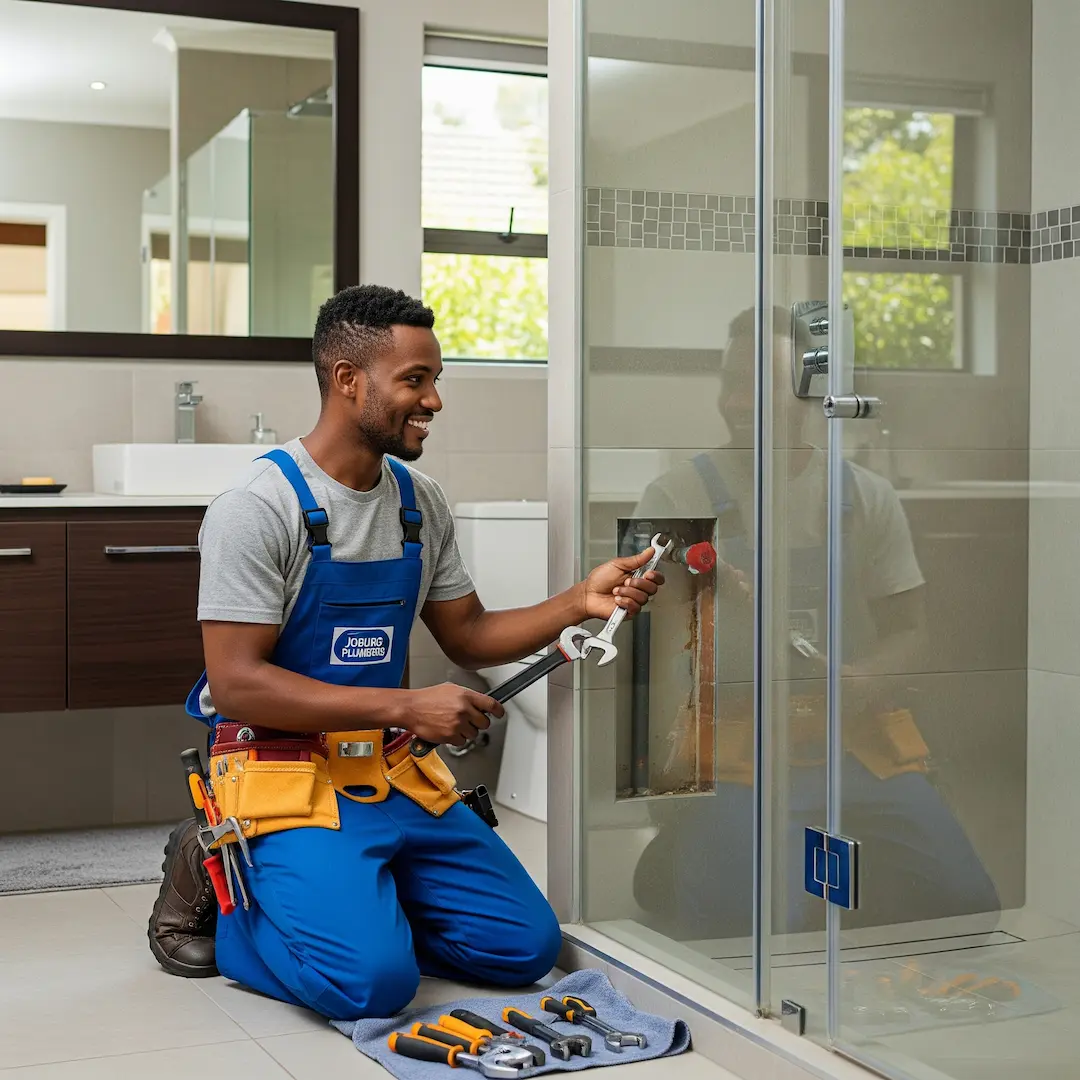
Leaky Shower? Common Causes of Shower Problems and When to Call for Repair
Leaky or unreliable shower in South Africa? Discover common shower problems, what causes them, and when professional repair is essential to save water, prevent damage, and restore comfort.

Leaky Shower? Common Causes of Shower Problems and When to Call for Repair
There's nothing quite like a refreshing shower to start or end your day. But when your shower starts acting up – whether it's a persistent drip, a sudden loss of pressure, or wildly fluctuating temperatures – it can quickly turn a moment of relaxation into a source of frustration. Understanding what's going wrong can not only help you decide if it's a DIY job or time to call in the professionals, but it can also save you a lot of water and potential damage in the long run.
Our expert plumbers across South Africa have seen it all, from the most common shower woes to the trickiest, hidden issues. They often share stories of how a seemingly small drip can indicate a much larger problem lurking behind the tiles, or how a quick diagnosis can prevent extensive water damage. Let's delve into some of the most common shower problems and how to tell when you need an expert hand.
The Annoying Drip: Why Your Shower Keeps Leaking
A dripping shower head or faucet isn't just irritating; it's a significant waste of water and can lead to unsightly stains in your shower or even structural damage over time.
- Worn-Out Washers or O-Rings: This is perhaps the most frequent culprit. Over time, the rubber washers or O-rings inside your shower tap or mixer can degrade, harden, or simply wear out. When this happens, they lose their ability to create a watertight seal, leading to those persistent drips. Our plumbers often note that in older homes, these components are usually the first thing they check. It's a relatively straightforward fix for a professional, involving replacing the worn parts.
- Corroded Valve Seats: The valve seat is the part that connects the tap to the faucet spout. Mineral deposits from hard water can accumulate on the valve seat, or the seat itself can become corroded. This prevents the washer from forming a tight seal, resulting in a leak. A plumber might need to clean or replace the valve seat.
- Cracked or Damaged Cartridge (Mixer Showers): Modern mixer showers often use a cartridge that controls the flow and temperature of the water. If this cartridge is cracked, worn, or faulty, it can lead to leaks, dripping, or even difficulty in adjusting water temperature. Replacing a cartridge requires specific knowledge of your shower's make and model.
- High Water Pressure: While good water pressure is desirable, excessively high pressure can put undue strain on your plumbing system, including your shower's internal components. This can accelerate wear and tear, leading to leaks. A plumber can assess your home's water pressure and recommend a pressure-reducing valve if needed.
- Loose Connections: Sometimes, the simplest explanation is the right one. A loose connection at the shower head, mixer, or behind the wall can cause water to seep out. While tightening a visible connection might be a DIY possibility, leaks behind the wall are a clear sign to call a professional before they cause significant damage. One plumber recounted a situation where a persistent damp patch on a client's wall was eventually traced back to a barely visible leak from a loose pipe fitting behind the shower tiles – a classic case where only an expert eye and tools could pinpoint the source.
The Disappearing Act: When Your Shower Has No Pressure
Stepping into a shower expecting a powerful spray only to be met with a pathetic trickle is incredibly frustrating. Low water pressure can have several causes, some more serious than others.
- Clogged Shower Head: The most common and easiest fix. Mineral deposits (limescale) from hard water can build up in the tiny nozzles of your shower head, restricting water flow. You might notice some jets are weaker than others, or the overall flow has diminished. Often, a good clean of the shower head by soaking it in a descaling solution can resolve this.
- Kinked Hose (Handheld Showers): If you have a handheld shower, check the hose. It might be kinked or twisted, which will restrict water flow. This is a simple visual check and fix.
- Faulty Diverter Valve: If you have a shower/bath combination and the pressure is fine in the bath tap but low in the shower, the diverter valve (which directs water to either the bath spout or the shower head) might be faulty or partially blocked.
- Pipe Corrosion or Buildup: In older homes, galvanised steel pipes can corrode internally or accumulate significant mineral deposits over time, reducing the internal diameter of the pipes and thus restricting water flow. This is a more serious issue that requires professional assessment and potentially pipe replacement.
- Water Heater Issues: If the low pressure only affects hot water, or if you also notice issues with hot water pressure at other taps in your home, the problem might lie with your geyser. Sediment buildup inside the geyser can reduce its capacity and pressure, or there might be an issue with the geyser's inlet valve.
- Main Water Supply Problem: In rare cases, the issue might stem from the main water supply to your home, perhaps due to a partially closed main valve or an issue with municipal supply. If multiple taps in your home are experiencing low pressure, this could be the case.
The Temperature Tango: Why Your Shower Water Fluctuates
Nothing is worse than a sudden blast of icy cold or scorching hot water when you're showering. Temperature fluctuations can be uncomfortable and even dangerous.
- Faulty Thermostatic Mixer Valve: Many modern showers have a thermostatic mixer valve designed to maintain a consistent water temperature. If this valve is faulty or has mineral buildup, it can struggle to blend hot and cold water correctly, leading to sudden temperature changes.
- Issues with Your Geyser:Insufficient Hot Water: If your geyser is too small for your household's demand, or if too many hot water appliances are being used simultaneously, you might simply be running out of hot water, leading to a sudden switch to cold.
- Thermostat Issues: A faulty thermostat on your geyser can lead to incorrect water heating or inconsistent temperatures.
- Element Problems: A failing heating element within the geyser might not be heating the water efficiently or consistently.
- Dip Tube Issues: The dip tube delivers cold water to the bottom of the geyser to be heated. If it's cracked or broken, cold water can mix with hot water at the top, leading to lukewarm or fluctuating temperatures.
- Pressure Imbalance: If there's a significant pressure drop in either the hot or cold water supply (e.g., someone flushes a toilet or turns on a tap elsewhere in the house), it can affect the water temperature in the shower as the mixer struggles to compensate. This is often noticeable in older plumbing systems.
When to Call a Professional Plumber
While some minor shower issues like a clogged shower head can be tackled by a confident DIY enthusiast, many problems require the expertise, specialised tools, and experience of a qualified plumber. Here's when it's definitely time to call in the pros:
- Persistent Leaks: If you've tried the basic fixes and the drip persists, or if you suspect a leak behind your walls or under your floor, don't delay. Unseen leaks can cause significant structural damage, mould growth, and expensive repairs down the line. Our plumbers have seen homes where seemingly minor damp patches escalated into thousands of rands in repairs due to neglected leaks.
- Low Water Pressure Across Multiple Fixtures: If low pressure isn't isolated to your shower but affects other taps in your home, it indicates a larger plumbing issue that needs professional diagnosis. This could range from issues with your geyser to problems with your main water supply.
- No Hot Water or Significant Temperature Fluctuations: Geyser-related issues are best left to qualified plumbers and electricians, as they involve high voltage electricity and potentially high-pressure water systems. Tampering with a geyser without the necessary expertise can be dangerous.
- Complex Mixer or Cartridge Problems: Replacing internal components of a mixer, especially in more modern, integrated units, often requires specific tools and a good understanding of the particular model. Incorrect installation can lead to further damage or persistent leaks.
- Any Suspected Pipe Issues: If you hear strange noises in your pipes, see damp spots on walls or ceilings near the shower, or suspect a burst or corroded pipe, it's crucial to call a plumber immediately. These issues can cause extensive damage and require immediate attention.
- You're Unsure or Uncomfortable: If you're not confident in your DIY abilities, or you're unsure about the cause of the problem, it's always safer and often more cost-effective in the long run to call a professional. They can quickly diagnose the problem and provide a lasting solution, giving you peace of mind.
Frequently Asked Questions
How long does a typical shower repair take?
The duration of a shower repair depends entirely on the nature of the problem. A simple shower head declogging might take minutes, while replacing a faulty cartridge in a mixer could take an hour or two. More complex issues like tracing a hidden leak or dealing with pipe corrosion could take several hours or even require multiple visits.
Can a leaky shower increase my water bill?
Absolutely. Even a slow drip can waste a significant amount of water over time. A shower that drips 10 times a minute can waste hundreds of litres of water per month, leading to a noticeable increase in your municipal water bill.
Is it safe to use my shower if it's leaking?
If the leak is minor and only affects the shower head, it might be an inconvenience rather than a safety hazard. However, if the leak is significant, or if you suspect water is seeping behind walls or into electrical fittings, it is not safe to use and should be turned off at the main supply until repaired by a professional. Water and electricity are a dangerous combination.
How often should I descale my shower head?
The frequency depends on the hardness of the water in your area. In areas with very hard water, you might need to descale your shower head every few months. In areas with softer water, once or twice a year might be sufficient. You'll notice it's time when water jets become erratic or weak.
Suzette Meyer is the lead author and content creator for Kandua.com, South Africa’s #1 marketplace for home services. Suzette has made it her mission to help homeowners with advice on all aspects of home repair, maintenance and improvement, including how to choose the right Pro and how to make smart upgrades that improve your resale value or save costs.

Latest articles, advice and more
.webp)
.webp)
.jpeg)
Sinking Pavers, Weeds and Water That Pools: What Your Driveway Is Telling You
When your driveway starts sprouting weeds, pooling water, or sinking in patches, the bricks are not failing you. The layers underneath have moved, and they are trying to tell you exactly what went wrong.
.jpeg)
What Your Garage Door Motor Actually Does (And Why It Breaks)
Spoiler alert: your garage door motor isn't actually doing the heavy lifting. The torsion springs carry almost all the weight. The motor simply pushes, pulls, controls the descent so it doesn't slam, and acts as a lock when the door is shut. That’s why a relatively small box on your ceiling can move such a massive door. Want to test this? Pull the red manual release cord and lift the door by hand. If it glides up easily and stays put when you let go, your springs are doing their job, and the fault lies with the motor. If the door feels like dead weight or slams back down- stop. You’ve got a spring problem.
.jpeg)
4 Warning Signs Your Tiles Are Failing (And What They Mean)
Tiles rarely fail overnight. They warn you first. A hollow sound underfoot, grout that crumbles away, a tile that lifts at one edge, or a crack that runs across two tiles all point to something happening under the surface. Here is what each sign means, and how urgent it is.
.webp)
.webp)
Beyond the Unboxing: A Detailed Guide to Correct Washing Machine Plumbing & Setup
New washing machine in South Africa? Learn essential plumbing and setup tips to prevent leaks, ensure efficient operation, and extend your appliance’s lifespan - expert advice before your first load.
.webp)
New Washing Machine? Don't Plug It In Yet! Essential Installation Tips for SA Homes
Installing a new washing machine? Learn the essential setup steps South African homeowners often overlook to prevent leaks, noise, and damage—and ensure efficient, long-lasting performance from day one.
.webp)
.webp)
%25201200%2520x%25201200%2520(1).jpeg)
What Retiling a Bathroom Costs in 2026, Room by Room
Retiling a bathroom in South Africa costs between R230 and R800 per square metre in 2026, including materials and labour. A standard family bathroom, stripped and fully retiled, usually lands between R11,800 and R27,500. A guest toilet costs a fraction of that. A large porcelain en-suite costs a lot more.
How to Install a Horizontal Geyser | Step-by-Step Pro Guide
Want to install a geyser like a pro? This step-by-step tutorial shows you exactly how to do a horizontal Ariston Axios geyser installation, straight from the BluLever plumbing workshop. 🎥 Hosted by MK, BluLever’s technical facilitator, and supported by a qualified electrician, Life and a BluLever graduate artisan, Zinhle. This is your ultimate guide to a SANS 10254-compliant installation — from preparing the wall, to plumbing, electrical wiring, and pro troubleshooting tips.
How to Maintain a Geyser | Step-by-Step Pro Guide
Want to maintain a geyser like a pro? This step-by-step tutorial shows you exactly how to do the three core geyser maintenance checks on an Ariston Axios geyser installation, straight from the BluLever plumbing workshop. 🎥 Hosted by MK, BluLever’s technical facilitator, and supported by a qualified electrician, Life. This is your ultimate guide to geyser maintenance — from diagnosing the problem to checking the heat regulation of the geyser, to pressure regulation and then finally corrosion protection.
%201.avif)
Not just another newsletter. It's an advantage