
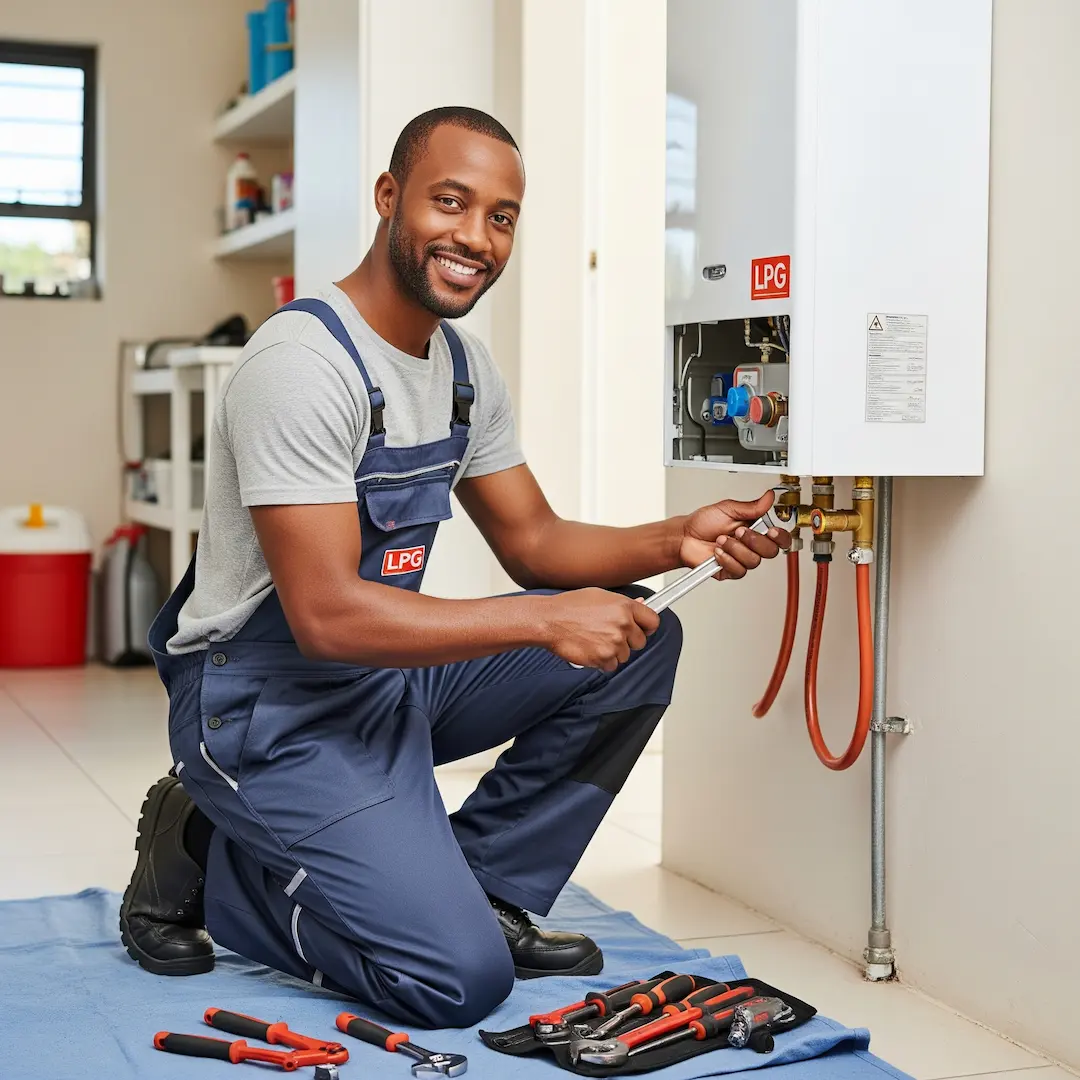
LPG Gas Geyser Repair Costs in South Africa: What to Budget For Common Issues
LPG gas geyser acting up in South Africa? Learn common faults, typical repair costs, and what affects pricing - expert insights to help you budget and restore reliable hot water fast.

LPG gas geysers offer an efficient and convenient way to heat water in South African homes, especially with the prevalence of load shedding. However, like any appliance, they can encounter issues that require professional attention. Understanding the common faults and what to expect regarding repair costs can help you budget effectively and ensure your hot water supply remains uninterrupted.
From our conversations with experienced plumbers and gas installers across South Africa, particularly those in bustling cities like Cape Town and Johannesburg, we've gathered insights into the typical repair scenarios and the factors that influence the final bill.
Common LPG Gas Geyser Faults and Their Repair Costs
When your gas geyser starts acting up, it's often due to a few usual suspects. Knowing what these are can help you explain the symptoms to your plumber, potentially leading to a quicker diagnosis.
1. Thermocouple Issues: The Flame Goes Out
One of the most frequent problems with gas geysers is a faulty thermocouple. This small but crucial safety device detects if the pilot light is lit. If it's not working correctly, it will cut off the gas supply, causing your geyser to stop heating water or to not ignite at all. It's a common culprit when your geyser lights up but then quickly extinguishes.
- Symptoms: Geyser ignites but doesn't stay on; pilot light struggles to stay lit.
- Why it happens: Over time, the thermocouple can wear out, become dirty, or shift out of position. Sometimes, it's a simple case of it being coated in soot, preventing it from accurately sensing the flame.
- Typical Repair: A qualified gas installer will typically inspect the thermocouple, clean it if necessary, or replace it if it's faulty. This is generally a straightforward repair.
- Estimated Cost: For a thermocouple replacement, you can typically expect to pay between R450 and R900 for the part and labour, depending on the geyser model and the specific installer's rates.
One plumber in Durban recounted a job where a homeowner was convinced their geyser was beyond repair because it kept cutting out. After a quick inspection, it turned out to be a slightly dislodged and dirty thermocouple. A clean and a minor adjustment, and the geyser was back to full operation – a much more affordable fix than a new geyser!
2. Igniter Problems: No Spark, No Flame
If your gas geyser isn't making the familiar clicking sound when you turn on the hot water, or if it clicks continuously without igniting, the issue could lie with the igniter. The igniter is responsible for creating the spark that lights the gas.
- Symptoms: No clicking sound when activating hot water; continuous clicking without ignition; geyser fails to ignite.
- Why it happens: The igniter can get clogged with debris, the electrode might be worn, or the wiring could be loose. In some battery-operated models, a flat battery is a surprisingly common cause.
- Typical Repair: A professional will first check the battery (if applicable) and then inspect the igniter for blockages or damage. Replacement of the igniter or its components might be necessary.
- Estimated Cost: Repairing or replacing an igniter can range from R600 to R1,200, depending on the complexity and part availability.
3. Water Diaphragm Issues: Pressure Problems
The water diaphragm in a gas geyser is crucial for sensing water flow and pressure, signalling the geyser to ignite and heat water. If the diaphragm is worn, cracked, or stiff, it can lead to inconsistent hot water, low flow, or the geyser not igniting at all.
- Symptoms: Inconsistent hot water temperature; geyser not igniting despite gas supply; reduced water pressure from the hot tap.
- Why it happens: Over time, especially in areas with hard water, mineral deposits can build up, or the rubber diaphragm can simply degrade from constant use and exposure to hot water.
- Typical Repair: This involves disassembling the water manifold to access and replace the diaphragm. It requires careful handling to ensure no leaks after reassembly.
- Estimated Cost: A water diaphragm replacement typically falls within the range of R700 to R1,500, including parts and labour.
A seasoned gas installer from Pretoria once shared a story about a home with very hard water. The homeowner's gas geyser kept failing after only a year or two. The installer diagnosed repeated diaphragm failures due to scale buildup. Along with replacing the diaphragm, they advised the homeowner on water softening solutions, highlighting how preventative measures can save on future repair costs.
Factors Influencing LPG Gas Geyser Repair Costs
While the costs mentioned above are good general estimates for common repairs, several factors can influence the final price you pay:
- Type and Brand of Geyser: Some geyser brands or specific models have more expensive or harder-to-find spare parts. More complex "constant temperature" or "fan-forced" models might also have more intricate components, impacting labour time.
- Accessibility of the Geyser: If your gas geyser is installed in a difficult-to-reach spot, like a cramped cupboard or high up on a wall, it can increase the labour time and thus the cost.
- Age of the Geyser: Older geysers might be more challenging to find compatible parts for, or they might have multiple issues surfacing simultaneously, making repairs more extensive.
- Plumber/Gas Installer's Rates: Rates vary based on the service provider's experience, location (major cities might have slightly higher rates), and their call-out fee. Always ask for a detailed quote.
- Additional Issues Discovered: Sometimes, what appears to be a simple issue can reveal underlying problems during the diagnostic process. For instance, an igniter issue might lead to discovering a gas leak that also needs addressing.
- Call-out Fees: Most qualified professionals will charge a call-out fee to cover their travel and initial assessment time. This fee is often waived or incorporated into the total cost if you proceed with the repair.
The Value of Professional Diagnosis and SANS Compliance
While it might be tempting to try and fix minor issues yourself, especially with the abundance of online guides, LPG gas plumbing involves significant safety risks. Gas leaks, improper ventilation, and incorrect installations can lead to serious hazards, including carbon monoxide poisoning, fires, and explosions.
- Expertise and Trustworthiness: A qualified and registered gas installer has the specialised knowledge and tools to correctly diagnose the problem and carry out repairs safely and effectively. They are familiar with various geyser models and their specific quirks. They have seen it all, from minor part failures to more complex system imbalances.
- Safety and Compliance: In South Africa, all gas installations and repairs must comply with the SANS 10087-1 national standard. This standard governs the handling, storage, distribution, and maintenance of LPG installations. A registered installer will ensure all work adheres to these regulations, providing you with a Certificate of Conformity (CoC) upon completion for any new installation or significant modification. This CoC is crucial for insurance purposes and your peace of mind. Without it, you could face serious repercussions in case of an incident.
As one experienced professional from Johannesburg explained, "We don't just fix the immediate problem; we ensure the entire system is safe and compliant. Sometimes a small issue like an igniter failure is a symptom of a larger underlying problem with gas pressure or ventilation. Skipping a professional diagnosis can put your home and family at risk."
What to Do When Your LPG Gas Geyser Needs Repair
- Safety First: If you smell gas, turn off the gas supply at the cylinder immediately, ventilate the area, and call an emergency gas service provider. Do not operate any electrical appliances or create any sparks.
- Describe the Symptoms: Note down exactly what your geyser is doing or not doing. Is there a clicking sound? Is the pilot light staying on? Is the water lukewarm?
- Find a Qualified Professional: Always engage a SAQCC Gas registered installer for any LPG gas geyser repair. Ask to see their registration card.
- Request a Detailed Quote: Before any work begins, get a clear, itemised quote for the diagnosis and repair.
By understanding the common issues, typical costs, and the importance of professional expertise and safety compliance, you're better equipped to handle LPG gas geyser repairs, ensuring your home remains safe and comfortable.
Frequently Asked Questions
How often should I have my LPG gas geyser serviced?
It is generally recommended to have your LPG gas geyser serviced annually by a qualified professional. Regular servicing helps to identify potential issues early, ensures optimal efficiency, and prolongs the lifespan of your appliance.
Why is my gas geyser making a continuous clicking sound but not igniting?
This usually indicates an issue with the ignition system. It could be a faulty igniter, low gas pressure, a problem with the gas supply, or even dead batteries in battery-operated models. A qualified gas installer can accurately diagnose the specific cause.
Can I repair my gas geyser myself to save money?
Attempting DIY repairs on a gas appliance is highly discouraged due to the significant safety risks involved. Improper handling of gas lines and components can lead to dangerous gas leaks, fires, or explosions. Always hire a qualified and registered gas installer for any repairs.
My gas geyser is producing lukewarm water. What could be the problem?
Lukewarm water can be caused by several factors, including:
- Insufficient gas supply or low gas pressure.
- A faulty water diaphragm not allowing enough water flow.
- Incorrect temperature settings (especially if it has a winter/summer mode).
- A build-up of mineral deposits inside the heat exchanger, reducing efficiency. A professional can assess the specific cause and recommend the appropriate repair.
Find a vetted plumber near you
LPG gas plumbing repairs: find a pro near you
Suzette Meyer is the lead author and content creator for Kandua.com, South Africa’s #1 marketplace for home services. Suzette has made it her mission to help homeowners with advice on all aspects of home repair, maintenance and improvement, including how to choose the right Pro and how to make smart upgrades that improve your resale value or save costs.

Latest articles, advice and more
.webp)
.webp)
.jpeg)
Sinking Pavers, Weeds and Water That Pools: What Your Driveway Is Telling You
When your driveway starts sprouting weeds, pooling water, or sinking in patches, the bricks are not failing you. The layers underneath have moved, and they are trying to tell you exactly what went wrong.
.jpeg)
What Your Garage Door Motor Actually Does (And Why It Breaks)
Spoiler alert: your garage door motor isn't actually doing the heavy lifting. The torsion springs carry almost all the weight. The motor simply pushes, pulls, controls the descent so it doesn't slam, and acts as a lock when the door is shut. That’s why a relatively small box on your ceiling can move such a massive door. Want to test this? Pull the red manual release cord and lift the door by hand. If it glides up easily and stays put when you let go, your springs are doing their job, and the fault lies with the motor. If the door feels like dead weight or slams back down- stop. You’ve got a spring problem.
.jpeg)
4 Warning Signs Your Tiles Are Failing (And What They Mean)
Tiles rarely fail overnight. They warn you first. A hollow sound underfoot, grout that crumbles away, a tile that lifts at one edge, or a crack that runs across two tiles all point to something happening under the surface. Here is what each sign means, and how urgent it is.
.webp)
.webp)
Beyond the Unboxing: A Detailed Guide to Correct Washing Machine Plumbing & Setup
New washing machine in South Africa? Learn essential plumbing and setup tips to prevent leaks, ensure efficient operation, and extend your appliance’s lifespan - expert advice before your first load.
.webp)
New Washing Machine? Don't Plug It In Yet! Essential Installation Tips for SA Homes
Installing a new washing machine? Learn the essential setup steps South African homeowners often overlook to prevent leaks, noise, and damage—and ensure efficient, long-lasting performance from day one.
.webp)
.webp)
%25201200%2520x%25201200%2520(1).jpeg)
What Retiling a Bathroom Costs in 2026, Room by Room
Retiling a bathroom in South Africa costs between R230 and R800 per square metre in 2026, including materials and labour. A standard family bathroom, stripped and fully retiled, usually lands between R11,800 and R27,500. A guest toilet costs a fraction of that. A large porcelain en-suite costs a lot more.
How to Install a Horizontal Geyser | Step-by-Step Pro Guide
Want to install a geyser like a pro? This step-by-step tutorial shows you exactly how to do a horizontal Ariston Axios geyser installation, straight from the BluLever plumbing workshop. 🎥 Hosted by MK, BluLever’s technical facilitator, and supported by a qualified electrician, Life and a BluLever graduate artisan, Zinhle. This is your ultimate guide to a SANS 10254-compliant installation — from preparing the wall, to plumbing, electrical wiring, and pro troubleshooting tips.
How to Maintain a Geyser | Step-by-Step Pro Guide
Want to maintain a geyser like a pro? This step-by-step tutorial shows you exactly how to do the three core geyser maintenance checks on an Ariston Axios geyser installation, straight from the BluLever plumbing workshop. 🎥 Hosted by MK, BluLever’s technical facilitator, and supported by a qualified electrician, Life. This is your ultimate guide to geyser maintenance — from diagnosing the problem to checking the heat regulation of the geyser, to pressure regulation and then finally corrosion protection.
%201.avif)
Not just another newsletter. It's an advantage