
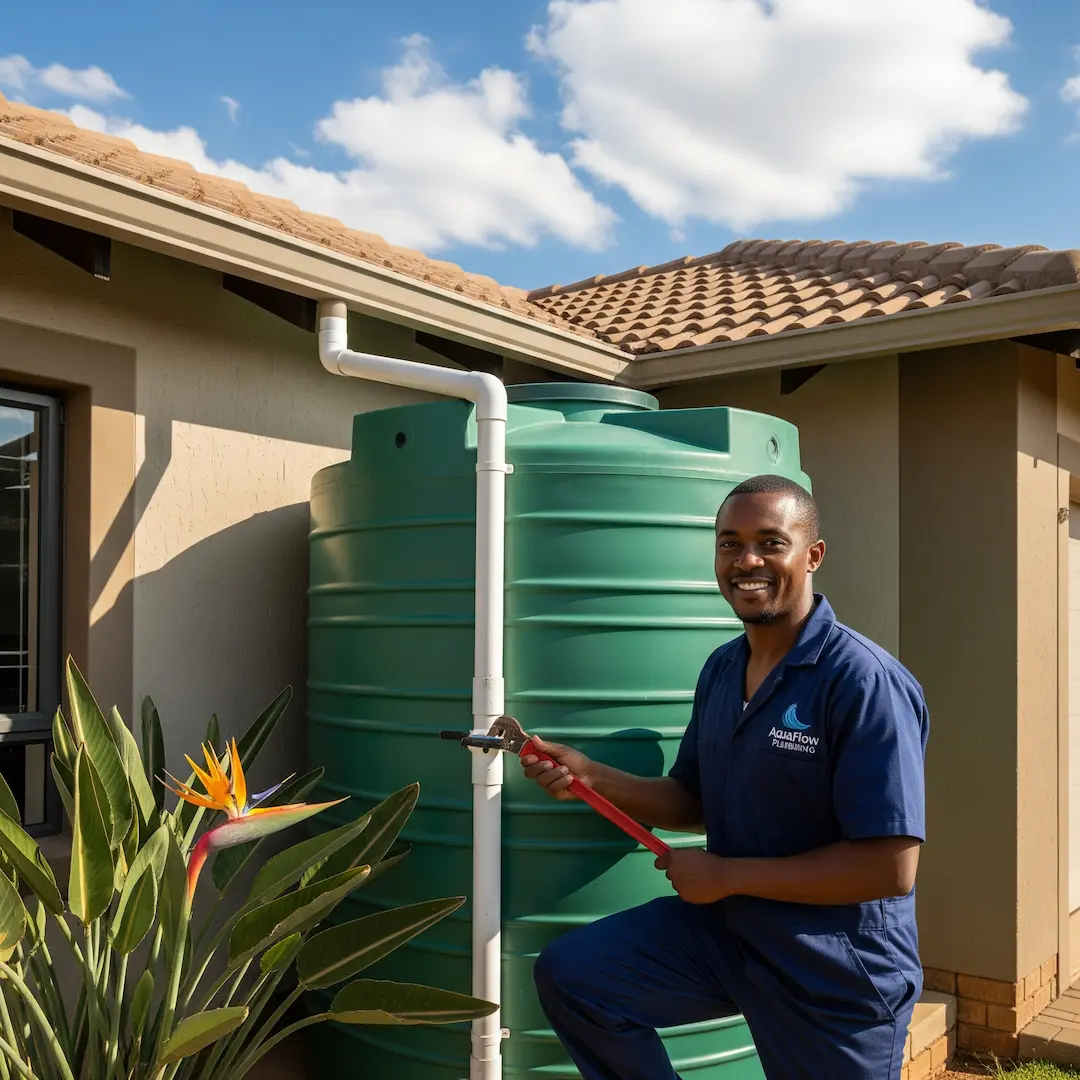
Maximising Your Rainwater System's Potential: Post-Installation Maintenance & Usage Tips for SA
Rainwater system installed in South Africa? Learn essential post-installation maintenance and smart usage tips to maximise efficiency, protect your system, and ensure long-term water savings.

Maximising Your Rainwater System's Potential: Post-Installation Maintenance & Usage Tips for SA
So, you've taken the plunge and had a rainwater harvesting system installed – excellent choice! In a water-stressed country like South Africa, it's a smart move towards greater water independence and sustainability. But the journey doesn't end with the installation. To truly maximise your system's potential and ensure it provides long-term value, regular maintenance and smart usage are key.
Think of it like a well-oiled machine; neglect it, and it won't perform optimally. Our expert plumbers, who've installed countless systems across various South African climates, often highlight that the real benefits of rainwater harvesting are reaped through consistent care. They've seen firsthand how a little preventative maintenance can save homeowners a lot of hassle and expense down the line.
Understanding Your Rainwater Harvesting System
Before diving into the specifics of maintenance, it's helpful to quickly recap the main components of a typical rainwater harvesting system:
- Catchment Area (Roof): This is where the rain first lands.
- Gutters and Downpipes: These channel the water from your roof to the collection system.
- First Flush Diverter: This crucial component diverts the initial, dirtiest flow of water, preventing contaminants from entering your tank.
- Filters/Screens: Located at various points (e.g., gutter leaf screens, tank inlet filters), these prevent leaves, debris, and insects from entering the tank.
- Storage Tank: This is where the harvested rainwater is stored.
- Pump (Optional): If you're using the water for indoor purposes or irrigation requiring pressure, a pump will be part of your system.
- Distribution System: Pipes and taps that deliver the water where it's needed.
Each of these components plays a vital role, and maintaining them ensures the entire system functions efficiently.
Essential Maintenance for Your Rainwater Harvesting System
Regular maintenance is not just about keeping things running; it's about safeguarding your water quality and extending the lifespan of your investment.
1. Keeping Your Gutters Clean: The First Line of Defence
This might seem obvious, but clean gutters are paramount. One plumber shared a story of a homeowner who complained about low water collection despite heavy rains. Upon inspection, they found gutters completely choked with autumn leaves and debris, effectively blocking water from reaching the downpipes.
- Frequency: Inspect and clean your gutters at least every three months, or more frequently if you have many trees around your property, especially before and after the rainy season.
- What to look for: Leaves, twigs, moss, bird nests, and general sediment.
- How to clean: Use a sturdy ladder, gloves, and a small scoop or your hands to remove debris. Flush the gutters with a hosepipe to ensure water flows freely towards the downpipes. Pay attention to the slope; gutters should have a slight gradient towards the downpipes to prevent pooling.
2. Maintaining Filters and Screens: Keeping Debris Out
Your system likely has several filters designed to keep out unwanted material. These are critical for maintaining water quality and preventing blockages further down the line.
- Gutter Leaf Screens: If you have these, check them regularly for blockages. Leaves can still pile up on top of them.
- Inlet Filters/Basket Filters: These are typically found where the downpipe connects to the tank or just inside the tank's inlet.
- Frequency: Check and clean these monthly, or after heavy rainfall events.
- How to clean: Remove the filter basket and empty any trapped debris. Rinse it thoroughly with clean water.
- Inline Filters (if applicable): If your system includes inline filters for finer filtration (e.g., before a pump or for potable water use), follow the manufacturer's recommendations for cleaning or replacement. Some are simple cartridges that need rinsing, while others might require replacement every few months or annually.
3. Servicing the First Flush Diverter: Preventing Contamination
The first flush diverter is a clever device that ensures the initial, dirtiest rainwater (containing roof debris, dust, and bird droppings) is diverted away from your tank.
- Frequency: Check and clean your first flush diverter every 3-6 months, or after prolonged dry spells followed by rain.
- What to look for: Ensure the mechanism is clear and operating correctly. Some diverters have a small trickle-out hole that can get blocked.
- How to clean: Follow the manufacturer's instructions for your specific diverter type. This usually involves opening a valve or cap to release the accumulated "first flush" water and cleaning any internal screens or floats.
4. Inspecting the Storage Tank: Water Quality and Structural Integrity
While rainwater tanks are robust, periodic checks are essential for water quality and the longevity of the tank itself.
- External Inspection:Frequency: Quarterly.
- What to look for: Cracks, leaks, algae growth on the exterior (especially if the tank is translucent or exposed to sunlight), signs of pest entry (insects, rodents), and ensuring the tank is level and on a stable base.
- Internal Inspection (Rarely Needed, unless issues arise):Frequency: Generally, only if you notice a significant drop in water quality (odour, discolouration) or suspect a large amount of sediment build-up. This is a job often best left to a professional, especially for larger tanks.
- What to look for: Sediment build-up at the bottom, algae growth on internal surfaces, or any foreign objects.
- Cleaning: If significant sediment has accumulated, the tank may need to be drained and professionally cleaned. This involves brushing down the interior walls and flushing out the sediment. One expert noted that for an average household system, this might only be necessary every 5-10 years, depending on the effectiveness of your pre-filtration.
5. Checking Your Pump (If Applicable): The Heart of Your System
If your system uses a pump to deliver water, its performance is crucial.
- Frequency: Monthly visual check; annual professional service.
- What to look for: Unusual noises, vibrations, leaks, or a drop in water pressure. Ensure the pump is free from debris and has adequate ventilation.
- Maintenance: Keep the area around the pump clear. If you notice any issues, it's best to call a qualified plumber. Trying to fix complex pump issues yourself can be dangerous and void warranties. Our service providers regularly advise against DIY pump repairs due to the electrical and mechanical components involved.
6. Monitoring Water Quality: Taste, Odour, and Colour
While harvested rainwater is generally safe for non-potable uses (gardening, flushing toilets, laundry), it's important to be vigilant about its quality.
- Regular checks: Pay attention to the water's taste, odour, and colour, especially after heavy rains or prolonged dry spells.
- Discolouration/Odour: If you notice any significant changes, it could indicate a problem with your filtration or an issue within the tank (e.g., anaerobic decomposition of organic matter). This might necessitate a professional inspection and potential tank cleaning.
- Potable Use: If you are using harvested rainwater for drinking or cooking, it must be adequately treated and purified to meet SANS 241 standards for drinking water. This typically involves advanced filtration (e.g., UV sterilisation, activated carbon filters) and regular testing, which should be set up and maintained by a qualified professional.
Smart Usage Tips: Getting the Most from Your Harvested Water
Beyond maintenance, how you use your rainwater can significantly impact its value and your water savings.
1. Match Usage to Water Quality
Not all harvested rainwater is created equal. The quality can vary based on your pre-filtration and the cleanliness of your roof.
- Untreated Rainwater (Basic Filtration): Ideal for:
- Gardening and irrigation
- Flushing toilets
- Washing cars and outdoor surfaces
- Laundry (ensure your washing machine manufacturer approves)
- Treated Rainwater (Advanced Filtration/Purification): Can be used for:
- Showering and bathing
- Drinking and cooking (only after proper purification and testing)
2. Plan for South Africa's Varied Rainfall
South Africa's rainfall patterns are diverse. The Western Cape experiences winter rainfall, while most of the country receives summer rain.
- Seasonal Storage: Consider your average rainfall and water usage when planning tank size. During peak rainy seasons, maximise collection. During dry spells, conserve your stored water.
- Prioritise Usage: During drought periods or low rainfall, prioritise essential uses like toilet flushing over extensive garden irrigation.
- Connect to Mains Water (as backup): Most systems have an automatic or manual switchover to municipal water when the tank runs low. Ensure this system is functioning correctly to avoid running out of water.
3. Be Mindful of What Lands on Your Roof
What washes into your gutters ultimately ends up in your tank.
- Clean Roof Regularly: If your roof is prone to accumulating leaves or debris, sweep it off occasionally, especially before anticipated heavy rains.
- Avoid Contaminants: Be cautious with activities that might introduce contaminants onto your roof, such as pest control treatments or extensive bird droppings (consider bird deterrents if they are a major issue).
4. Monitor Your Water Levels
Knowing how much water you have on hand helps you manage your usage effectively.
- Visual Indicators: Many tanks have visual indicators or sight gauges.
- Automated Monitors: More advanced systems may have electronic water level monitors linked to an app, providing real-time data.
DIY vs. Professional Help: Knowing When to Call an Expert
While many basic maintenance tasks like gutter and filter cleaning can be done by a confident homeowner, it's crucial to know when to call in the professionals.
- DIY Safety Disclaimer: Always exercise extreme caution when working on ladders or with electrical components. If you're not confident in your ability to safely perform a task, or if it involves working with electrical pumps or complex plumbing connections, it's always best to call a qualified professional. Safety should be your number one priority.
- When to Call a Plumber:Leaks in the tank or plumbing system.
- Pump malfunctions or unusual noises.
- Persistent poor water quality despite regular filter cleaning.
- Issues with the first flush diverter not operating correctly.
- Any complex repairs or system expansions.
- Annual system health checks and professional cleaning of the tank interior.
By integrating these maintenance practices and smart usage tips into your routine, you'll ensure your rainwater harvesting system remains a valuable asset, providing a sustainable and reliable water source for your South African home for years to come.
Frequently Asked Questions
How often should I clean my gutters for a rainwater harvesting system?
You should aim to inspect and clean your gutters at least every three months. If your property is surrounded by many trees, especially deciduous ones, you might need to do this more frequently, particularly before and after the main rainy seasons to prevent leaf build-up.
Can I drink the water from my rainwater harvesting tank?
Generally, no, not without proper treatment. Rainwater collected directly from your roof and stored in a tank with basic filtration is typically suitable for non-potable uses like gardening, flushing toilets, and laundry. For drinking or cooking, the water needs to undergo advanced purification processes (e.g., UV sterilisation, fine filtration, carbon filters) to meet South African drinking water standards (SANS 241). It's always best to consult with a water treatment specialist if you intend to use harvested rainwater for potable purposes.
What happens if my rainwater tank runs empty during a dry spell?
Most modern rainwater harvesting systems designed for household use are integrated with the municipal water supply. This means when your rainwater tank's level drops below a certain point, the system will automatically (or sometimes manually, depending on the setup) switch over to using mains water as a backup, ensuring you always have a water supply.
How do I know if my rainwater harvesting pump needs servicing?
Signs that your pump might need attention include unusual noises (grinding, whining), reduced water pressure, frequent cycling on and off, or visible leaks. If you notice any of these symptoms, it's advisable to contact a qualified plumber to inspect and service the pump to prevent further damage or system failure.
Suzette Meyer is the lead author and content creator for Kandua.com, South Africa’s #1 marketplace for home services. Suzette has made it her mission to help homeowners with advice on all aspects of home repair, maintenance and improvement, including how to choose the right Pro and how to make smart upgrades that improve your resale value or save costs.

Related articles, advice and more
.webp)
What Does a Plumbing Call-Out Fee Usually Include?
When that familiar drip-drip-drip starts under the kitchen sink or your geyser begins a slow weep in the ceiling, the first thing most South African homeowners do is pick up the phone. But before a wrench even touches a pipe, you’ll likely hear the term "call-out fee."
.jpg)
How to Choose Between Repair and Replacement for Your Geyser
Deciding between repairing and replacing isn't just about the immediate price tag. It is about safety, long-term electricity savings, and compliance with South African building regulations. Based on insights from vetted plumbers across Johannesburg, Cape Town, and Durban, this guide will help you navigate that decision with confidence.
.jpg)
What to Do If Your Electric Problem Comes Back After Repair
There are few things more frustrating than paying for a repair only to have the lights flicker, the breaker trip, or the plug point fail again a few days later. Here is a step-by-step guide to handling the situation professionally, safely, and effectively to get it sorted out for good.
.jpg)
Understanding Geyser Warranties in South Africa
For most South African households, the geyser is the hardest-working appliance in the home. To help you protect your investment, we have broken down exactly how Geyser warranties work in South Africa, drawing on insights from qualified plumbers who handle rejected claims daily.
.webp)
How Hard Water Damages Your Plumbing (and What to Do About It)
If you suspect you have hard water, you are in the "awareness" stage of a very important journey for your home's maintenance. Ignoring it can lead to burst geysers and clogged pipes. This guide, compiled with insights from top local plumbers, will explain exactly how hard water affects your plumbing and the practical steps you can take to fix it.
.webp)
.webp)
.webp)
Latest articles, advice and more
.webp)
How To Fix A Damp Wall And What's Actually Causing It
If your walls are weeping, your plaster is flaking, or you can smell that musty, damp smell, you're not dealing with one problem; you're dealing with three possible ones. The fix depends entirely on the cause.
.webp)
Gutter Cleaning: How Often Should You Do It and What Does It Cost?
Clean your gutters at least twice a year, and always before your rainy season kicks in. In South Africa, a professional gutter clean usually costs somewhere between R450 and R2,500, depending on the size of your home, how high the roof is, and how blocked things have become. Here is how to work out the right frequency and a fair price.
.webp)
Why Are My Plug Points Not Working? A Troubleshooting Guide
If your plug points have suddenly gone dead, the usual culprits are a tripped earth leakage switch, a tripped circuit breaker, loose or burnt wiring, or a faulty appliance overloading the circuit. Work through the safety checks below before you call anyone, then understand when the job requires a registered electrician.
.webp)
How a Geyser Timer Can Cut Your Electricity Bill
If you've been staring at your Eskom bill and wondering where the money is going, your geyser might be the culprit. Here's the good news: a simple geyser timer can cut your hot water costs by up to 30% each month, which typically saves South African homeowners between R200 and R400 on their electricity bills, depending on their current usage.
%20(1).webp)
How To Treat and Paint Over Damp Walls (So It Doesn't Come Back)
You've noticed a patch on the bedroom wall: discoloured and maybe a bit soft to the touch, and you're wondering if a fresh coat of paint will simply cover the problem. The short answer: no, it won't. But the good news is that understanding what's happening beneath that stain, and treating it properly, is far simpler than you might think.
.webp)
Beyond the Unboxing: A Detailed Guide to Correct Washing Machine Plumbing & Setup
New washing machine in South Africa? Learn essential plumbing and setup tips to prevent leaks, ensure efficient operation, and extend your appliance’s lifespan - expert advice before your first load.
.webp)
New Washing Machine? Don't Plug It In Yet! Essential Installation Tips for SA Homes
Installing a new washing machine? Learn the essential setup steps South African homeowners often overlook to prevent leaks, noise, and damage—and ensure efficient, long-lasting performance from day one.
%20(1).webp)
.webp)
TV Repair Costs in South Africa: Diagnosing Screen, Power & Component Issues
Find out what TV repairs really cost in South Africa – from call-out and diagnosis fees to screen, power and main board fixes – and when it’s cheaper to replace your TV instead of repairing it.
.webp)
Septic Tank Leak Repair Cost in South Africa: Addressing Odours & Environmental Hazards
Learn typical septic tank leak repair costs in South Africa, what drives the price up, how to spot early warning signs (odours, soggy ground, backups), and when it’s safer and cheaper to get a professional in.
How to Install a Horizontal Geyser | Step-by-Step Pro Guide
Want to install a geyser like a pro? This step-by-step tutorial shows you exactly how to do a horizontal Ariston Axios geyser installation, straight from the BluLever plumbing workshop. 🎥 Hosted by MK, BluLever’s technical facilitator, and supported by a qualified electrician, Life and a BluLever graduate artisan, Zinhle. This is your ultimate guide to a SANS 10254-compliant installation — from preparing the wall, to plumbing, electrical wiring, and pro troubleshooting tips.
How to Maintain a Geyser | Step-by-Step Pro Guide
Want to maintain a geyser like a pro? This step-by-step tutorial shows you exactly how to do the three core geyser maintenance checks on an Ariston Axios geyser installation, straight from the BluLever plumbing workshop. 🎥 Hosted by MK, BluLever’s technical facilitator, and supported by a qualified electrician, Life. This is your ultimate guide to geyser maintenance — from diagnosing the problem to checking the heat regulation of the geyser, to pressure regulation and then finally corrosion protection.
%201.avif)
Not just another newsletter. It's an advantage


From problem to solved.


.svg)


.avif)
.avif)
.avif)


.avif)