
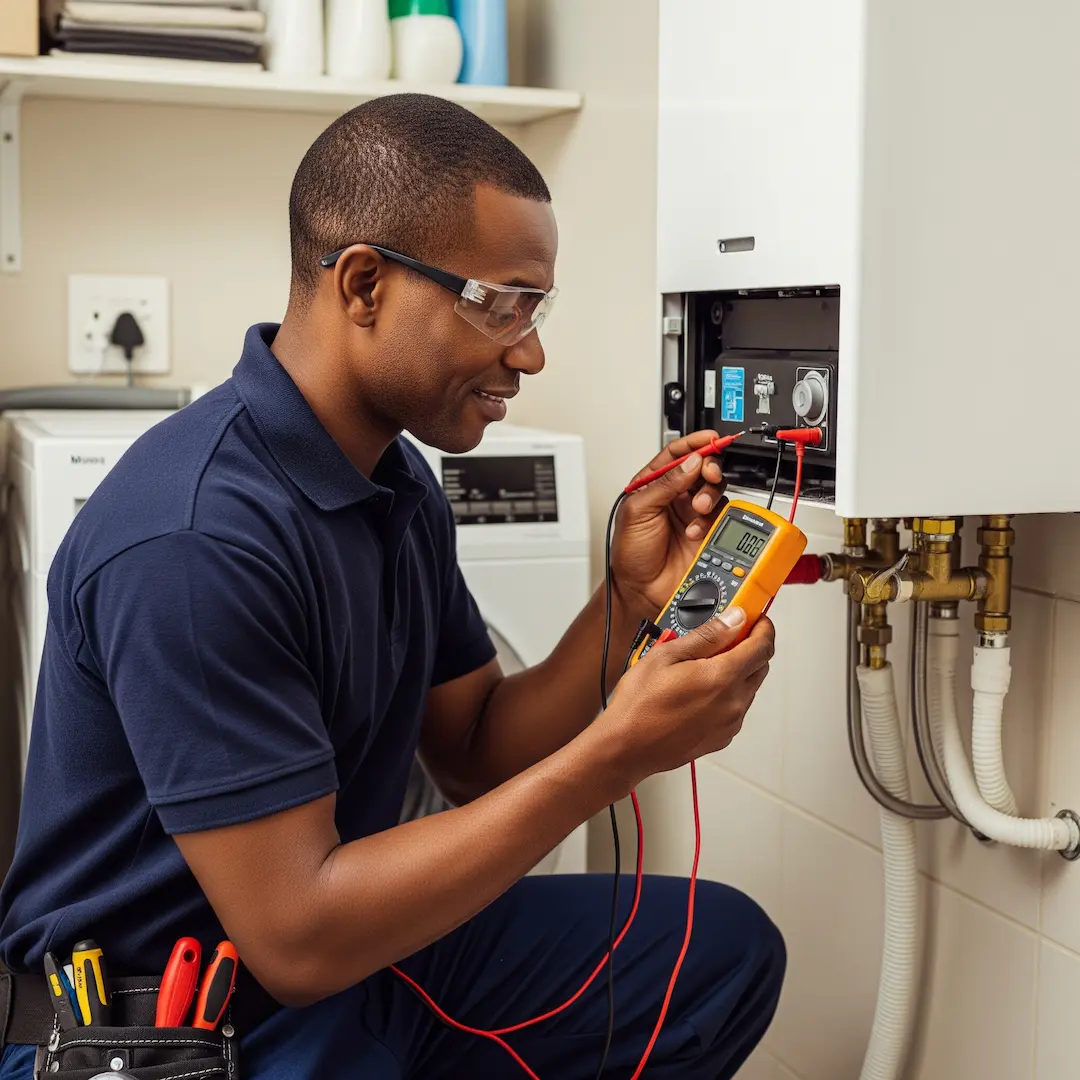
Natural Gas Geyser Problems: A Deeper Dive into Diagnosis and Repair Solutions
Natural gas geyser problems in South Africa? Discover common causes of ignition failures and shutdowns, understand key components, and learn when expert gas repair is essential for safe, reliable hot water.

There’s nothing quite like the convenience and efficiency of a natural gas geyser, providing instant hot water whenever you need it. However, when these reliable units start acting up, especially with issues like constantly turning off or ignition failures, it can be incredibly frustrating. While some problems might seem straightforward, many often point to more intricate technical faults that require a deeper understanding to diagnose and resolve.
This guide will take you through the common culprits behind natural gas geyser woes, moving beyond the simple checks to explore more complex issues like gas pressure irregularities, manifold malfunctions, and specific valve failures. We’ll offer insights gleaned directly from experienced gas installers in South Africa, providing you with the knowledge to better understand what might be happening with your unit and when it’s time to call in a qualified professional.
Understanding Your Natural Gas Geyser's Core Components
Before diving into troubleshooting, it's helpful to understand the basic operation. A natural gas geyser works by igniting a burner that heats water as it flows through a heat exchanger. This ignition process is usually electronic, triggered by water flow, and relies on a series of safety mechanisms to ensure safe operation.
When a geyser keeps turning off, or struggles to ignite, it's often a sign that one of these critical components isn't performing as it should.
When Your Natural Gas Geyser Keeps Turning Off: Beyond the Basics
Many homeowners first check for obvious issues like ensuring the gas supply is open or replacing batteries in battery-operated units. While these are crucial initial steps, if your geyser continues to cut out, it’s time to consider more complex factors.
1. Insufficient Gas Pressure
One of the most frequent yet often overlooked reasons for a natural gas geyser struggling to maintain operation is inadequate gas pressure. Our expert installers have encountered countless cases where what seemed like a major fault was simply a pressure issue.
- Symptoms: Your geyser might ignite briefly, produce some hot water, and then shut off. Or it might struggle to ignite at all, making clicking sounds without a steady flame. Other gas appliances in your home might also seem to be performing poorly.
- Deeper Dive: Natural gas operates at a specific pressure range for optimal combustion. If the pressure is too low, the burner won't receive enough fuel to sustain a consistent flame, causing the geyser's safety mechanisms (like the flame sensor or thermocouple) to shut it down.
- Possible Causes:Issues with the Gas Meter or Regulator: The main gas meter for your property or the regulator attached to it might be faulty or undersized for your gas demands. Our technicians have often found that older regulators can degrade over time, affecting pressure delivery.
- Constrictions in the Gas Line: Sediment build-up or kinks within the gas piping leading to your geyser can restrict gas flow. This is more common in older installations or where pipe sizing was not optimal initially.
- Simultaneous Appliance Usage: If you have multiple natural gas appliances (like a gas stove, heater, or another geyser) running concurrently, the overall demand might exceed the supply capacity, leading to a dip in pressure to individual units. One plumber recounted a situation where a customer’s geyser would only cut out when their gas oven was also in use – a clear indicator of a shared supply issue.
- Expert Action: A qualified gas technician will use a manometer to accurately measure the gas pressure at your geyser. They can then trace the line back to identify the source of the pressure drop and recommend appropriate solutions, which might involve regulator replacement or gas line upgrades, always adhering to SANS 10087 regulations.
2. Manifold Problems and Burner Issues
The gas manifold is the system that distributes gas to the individual burner jets, ensuring an even and efficient flame. Problems here can severely impact your geyser's performance.
- Symptoms: You might notice an uneven flame, a yellow or orange flame (instead of a crisp blue), or the geyser igniting with a "whoosh" sound before shutting off. Sometimes, you'll hear the igniter clicking repeatedly without a successful ignition.
- Deeper Dive:Clogged Burner Jets: Over time, dust, debris, or even small insects can partially or fully block the tiny openings in the burner jets. This prevents uniform gas distribution and leads to an incomplete or weak flame. A common scenario our plumbers describe is finding spiderwebs within burner assemblies, particularly after a geyser has been dormant for a while.
- Manifold Blockages: Less common, but more challenging to resolve, are blockages within the manifold itself. This could be due to manufacturing defects, corrosion, or foreign material in the gas line.
- Heat Exchanger Scale Build-up: While not directly a manifold issue, severe scale build-up inside the heat exchanger can cause the geyser to overheat rapidly, triggering a safety shutdown. When water flows through a restricted, scaled-up heat exchanger, it heats up too quickly, and the internal sensors detect this unsafe temperature, cutting off the gas. This is particularly prevalent in areas with hard water.
- Expert Action: Cleaning burner jets is a meticulous task requiring careful disassembly and the right tools to avoid damage. Addressing manifold blockages or scale build-up in the heat exchanger typically requires professional intervention, as these components are sensitive and central to the geyser's function and safety.
3. Specific Valve Failures: The Hidden Hurdles
Beyond the main gas valve (which controls the overall gas supply), natural gas geysers have several internal valves critical for safe and efficient operation. Failure in any of these can lead to persistent problems.
- Symptoms: These can vary widely depending on the valve. A faulty gas control valve might prevent any gas from reaching the burner, leading to no ignition at all. A defective water flow sensor valve could mean the geyser doesn't even attempt to ignite when a hot tap is opened. A "flame failure" or solenoid valve issue can cause the geyser to ignite but then immediately extinguish.
- Deeper Dive:Gas Control Valve Malfunction: This is the primary valve that regulates gas flow to the burner based on demand. It's an intricate component, and if its internal mechanisms (like diaphragms or solenoids) fail, it won't open or close correctly. A common issue is a sticky or worn-out solenoid, which might intermittently fail to open the gas path.
- Water Flow Sensor/Switch Failure: Modern gas geysers are "instantaneous" and only ignite when they detect water flowing. If the water flow sensor is faulty, it won't signal the geyser to ignite, regardless of gas supply. Our experienced technicians have seen cases where hard water deposits or debris can jam these sensors.
- Flame Failure Device (Thermocouple/Flame Rod): This crucial safety device detects if a flame is present. If it's dirty, bent, or faulty, it might incorrectly register no flame, even if one is lit, leading to the gas supply being cut off as a safety measure. It’s a common issue, and plumbers often carry spares for quick replacement.
- Expert Action: Diagnosing specific valve failures requires specialised knowledge and diagnostic tools. Attempting to tamper with gas valves without proper training is highly dangerous. A qualified gas installer can accurately test each valve, identify the faulty component, and replace it according to manufacturer specifications and South African safety standards (SANS).
Why DIY Can Be Dangerous with Natural Gas Geysers
While it might be tempting to try and fix minor issues yourself, natural gas plumbing involves inherent risks. Incorrect diagnosis or amateur repairs can lead to:
- Gas Leaks: The most significant danger. Even a small leak can accumulate and lead to explosions or carbon monoxide poisoning.
- Carbon Monoxide Poisoning: Incomplete combustion due to improper repairs can produce this odourless, colourless, and highly toxic gas.
- Damage to the Unit: Incorrect repairs can cause further, more expensive damage to your geyser, potentially voiding warranties.
- Non-Compliance: All gas installations and repairs in South Africa must adhere to strict SANS regulations and be performed by registered gas installers. Failure to comply can have serious insurance implications in case of an incident.
Always remember: if you suspect a gas leak (a smell of rotten eggs), immediately turn off your gas supply at the cylinder or main valve, ventilate the area, and evacuate. Do NOT use any electrical appliances or create any sparks. Then, call a qualified professional immediately.
When to Call a Registered Gas Installer
While initial checks like ensuring the gas supply is on and batteries are fresh are good starting points, anything beyond that should be handled by a professional. If your natural gas geyser is:
- Constantly turning off
- Struggling to ignite
- Producing inconsistent hot water temperatures
- Emitting unusual noises or smells
- Showing error codes on its display
It’s time to call in an expert. A qualified and registered gas installer will have the necessary expertise, experience, and tools to diagnose the underlying technical issues, perform repairs safely, and ensure your geyser operates efficiently and compliantly with South African safety standards. They also have the benefit of collective experience from hundreds of similar jobs, allowing them to pinpoint complex issues much faster.
Frequently Asked Questions
How often should a natural gas geyser be serviced?
It is highly recommended to have your natural gas geyser serviced annually by a qualified professional. Regular servicing ensures optimal performance, identifies potential issues before they become major problems, and helps maintain the geyser's safety and efficiency.
What does a yellow or orange flame on my gas geyser mean?
A healthy natural gas flame should be crisp blue. A yellow or orange flame often indicates incomplete combustion, which can produce carbon monoxide. This is usually caused by a dirty burner, inadequate air supply, or incorrect gas-to-air mixture. It's a serious safety concern and requires immediate attention from a qualified gas technician.
Can low water pressure affect my natural gas geyser's operation?
Yes, absolutely. Most natural gas geysers have a water flow sensor that requires a minimum water flow rate to activate the ignition. If your water pressure is too low, the geyser might not even attempt to ignite, or it might ignite and then quickly shut off if the flow is inconsistent. Check if other taps in your home are also experiencing low pressure.
My gas geyser makes a clicking sound but doesn't ignite. What could be the problem?
The clicking sound is the electronic igniter attempting to spark the gas. If it clicks but doesn't ignite, it generally means gas isn't reaching the burner, or the ignition isn't successfully lighting the gas. Common causes include a closed gas supply valve, low gas pressure, a faulty igniter, a dirty pilot light (if applicable), or a problem with the gas control valve. This issue requires professional diagnosis.
Find a vetted plumber near you
Natural gas plumbing repairs: find a pro near you
Suzette Meyer is the lead author and content creator for Kandua.com, South Africa’s #1 marketplace for home services. Suzette has made it her mission to help homeowners with advice on all aspects of home repair, maintenance and improvement, including how to choose the right Pro and how to make smart upgrades that improve your resale value or save costs.

Latest articles, advice and more
.webp)
.webp)
.webp)
.webp)
.jpeg)
Sinking Pavers, Weeds and Water That Pools: What Your Driveway Is Telling You
When your driveway starts sprouting weeds, pooling water, or sinking in patches, the bricks are not failing you. The layers underneath have moved, and they are trying to tell you exactly what went wrong.
.webp)
.webp)
Beyond the Unboxing: A Detailed Guide to Correct Washing Machine Plumbing & Setup
New washing machine in South Africa? Learn essential plumbing and setup tips to prevent leaks, ensure efficient operation, and extend your appliance’s lifespan - expert advice before your first load.
.webp)
New Washing Machine? Don't Plug It In Yet! Essential Installation Tips for SA Homes
Installing a new washing machine? Learn the essential setup steps South African homeowners often overlook to prevent leaks, noise, and damage—and ensure efficient, long-lasting performance from day one.
.webp)
.webp)
%25201200%2520x%25201200%2520(1).jpeg)
What Retiling a Bathroom Costs in 2026, Room by Room
Retiling a bathroom in South Africa costs between R230 and R800 per square metre in 2026, including materials and labour. A standard family bathroom, stripped and fully retiled, usually lands between R11,800 and R27,500. A guest toilet costs a fraction of that. A large porcelain en-suite costs a lot more.
How to Install a Horizontal Geyser | Step-by-Step Pro Guide
Want to install a geyser like a pro? This step-by-step tutorial shows you exactly how to do a horizontal Ariston Axios geyser installation, straight from the BluLever plumbing workshop. 🎥 Hosted by MK, BluLever’s technical facilitator, and supported by a qualified electrician, Life and a BluLever graduate artisan, Zinhle. This is your ultimate guide to a SANS 10254-compliant installation — from preparing the wall, to plumbing, electrical wiring, and pro troubleshooting tips.
How to Maintain a Geyser | Step-by-Step Pro Guide
Want to maintain a geyser like a pro? This step-by-step tutorial shows you exactly how to do the three core geyser maintenance checks on an Ariston Axios geyser installation, straight from the BluLever plumbing workshop. 🎥 Hosted by MK, BluLever’s technical facilitator, and supported by a qualified electrician, Life. This is your ultimate guide to geyser maintenance — from diagnosing the problem to checking the heat regulation of the geyser, to pressure regulation and then finally corrosion protection.
%201.avif)
Not just another newsletter. It's an advantage