
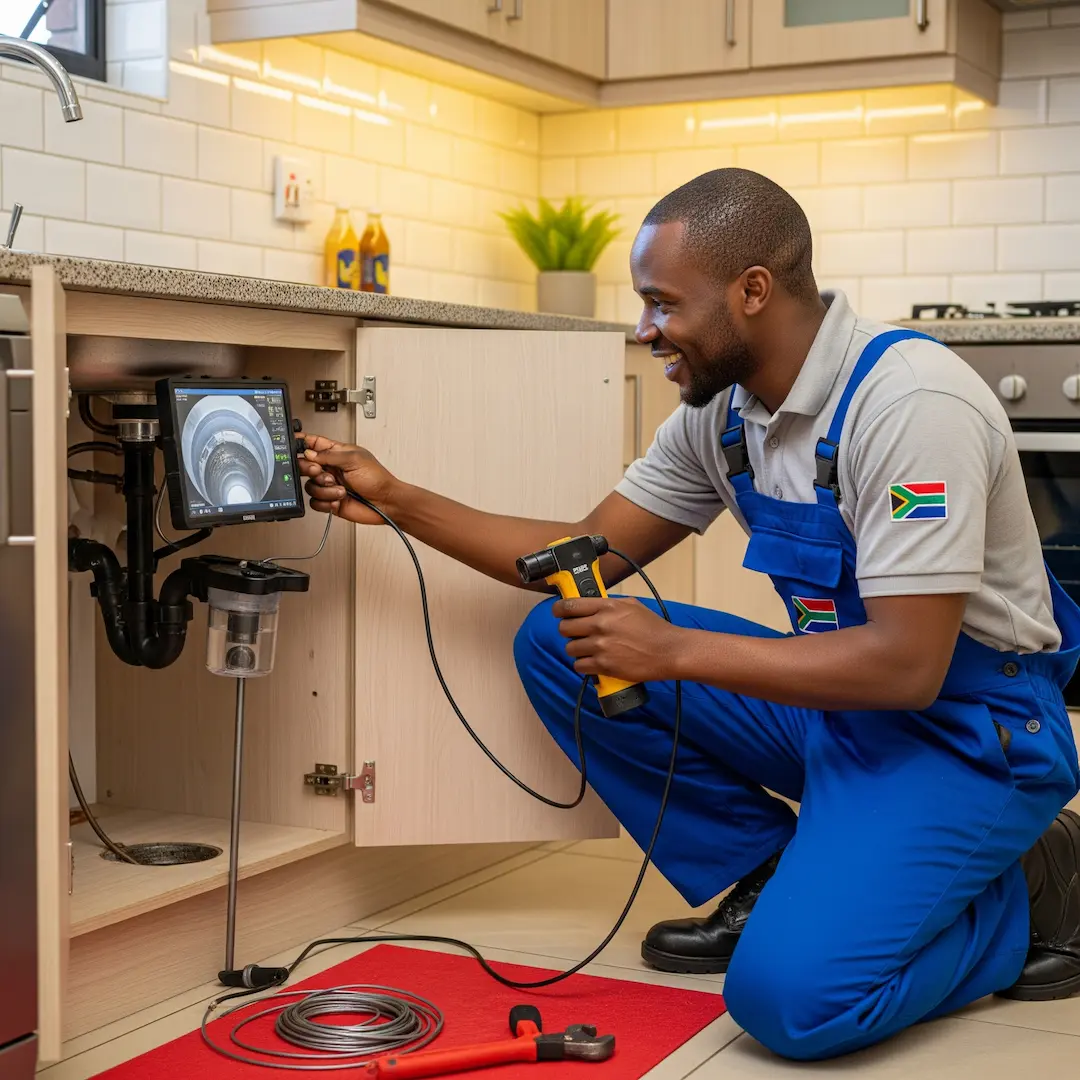
Post-Inspection Insights: Understanding Your Pipe Health & Preventing Future Issues in SA
Had a drain camera inspection in South Africa? Learn what it reveals about your pipe health and how to prevent future blockages and costly plumbing issues - expert insights worth reading.

Post-Inspection Insights: Understanding Your Pipe Health & Preventing Future Issues in SA
So, you've had a professional drain camera inspection, and the immediate crisis of a stubborn blockage is over. But what exactly did that camera reveal about the hidden world beneath your property? And more importantly, how can you use this newfound knowledge to safeguard your plumbing system and avoid future headaches? Let's dive into understanding your pipe health and implementing preventative measures, drawing on the insights of experienced plumbers across South Africa.
Decoding the Drain Camera's Revelations
A drain camera inspection isn't just about finding a blockage; it's a comprehensive diagnostic tool that provides a clear picture of your pipe's internal condition. Our expert plumbers often share stories of the surprising things they uncover. One common finding, particularly in older suburbs with established trees, is extensive root intrusion. As one plumber from Pretoria recounted, "We did a camera inspection for a homeowner who kept experiencing slow drains. The camera showed a complete network of tree roots, almost like a miniature forest, growing right through a crack in their clay pipe. They were amazed at how dense it was."
Here are some of the most common issues a camera inspection might reveal:
- Root Intrusion: Tree and shrub roots are constantly searching for moisture and nutrients. Even the tiniest crack or loose joint in your pipes can be an invitation for them to infiltrate, growing into a dense mass that obstructs flow and can eventually cause the pipe to burst. This is a very common issue in areas with mature gardens.
- Cracks, Fractures, and Collapses: Pipes can be damaged by ground movement, heavy vehicle traffic above ground, or simply age and deterioration. A camera can pinpoint these structural compromises, which can lead to leaks, blockages from soil ingress, or even a complete pipe collapse.
- Corrosion and Scale Buildup: Over time, minerals in water can deposit on the inside of pipes, especially in areas with hard water, reducing the pipe's internal diameter and restricting flow. Similarly, older metal pipes can corrode, leading to rough surfaces that catch debris.
- Foreign Objects: Sometimes, blockages are caused by items that shouldn't have been flushed down the drain. This can range from excessive grease and food waste in kitchen drains to "unflushable" wipes, sanitary products, or even small toys in bathroom pipes. "You wouldn't believe what we've pulled out of drains," chuckled a Durban-based plumber. "From kids' action figures to an entire bar of soap that someone accidentally dropped down the toilet."
- Misaligned or Sagging Pipes: Improper installation or ground settlement can cause sections of piping to sag, creating bellies where water and waste can collect, leading to recurring blockages. Misaligned joints can also catch debris.
Understanding what the camera revealed is the first step towards a lasting solution. Your plumbing professional should provide you with a detailed report, often accompanied by video footage, explaining the findings and recommending specific actions.
Taking Action: Addressing Identified Issues
Once the problems are identified, it's time to consider the solutions. The approach will depend entirely on the nature and severity of the issue:
- For Root Intrusion:Hydro-jetting: This is often the first line of defence. High-pressure water jets can cut through roots and clear the pipe. However, roots will eventually grow back if the pipe is not repaired.
- Pipe Relining (No-Dig Solution): If the damage is not too severe, a trenchless pipe relining can create a new, seamless pipe within the old one, preventing future root ingress and reinforcing the existing structure. This is a less disruptive and often more cost-effective solution than traditional excavation.
- Excavation and Replacement: For severely damaged or collapsed pipes, excavation and replacement of the affected section might be the only viable long-term solution.
- For Cracks, Fractures, or Collapses:Depending on the extent, pipe relining might be an option.
- For significant damage or full collapses, excavation and replacement of the compromised section are typically necessary to restore the pipe's integrity.
- For Corrosion and Scale Buildup:Hydro-jetting: This can effectively remove significant buildup and restore the pipe's diameter.
- Descaling products: For less severe issues, professional-grade descaling agents might be used, but always consult a plumber before attempting this yourself, as some chemicals can damage pipes.
- For Foreign Objects:The camera helps pinpoint the object, allowing for targeted removal using specialised tools. Once removed, the problem is usually solved. The key is to prevent similar objects from entering the system again.
- For Misaligned or Sagging Pipes:In many cases, excavation and repair or replacement of the affected section are required to correct the pipe's gradient and alignment.
Your plumber will walk you through the best course of action, outlining the pros and cons of each solution and providing a clear quotation.
Proactive Measures: Preventing Future Drain Clogs
The most effective way to manage your drain health after an inspection is to be proactive. Prevention is always better (and usually cheaper) than cure. Here are key strategies, informed by plumbing experts, to keep your drains flowing freely:
- Mind What Goes Down the Drain: This is perhaps the single most important preventative measure.
- Kitchen Drains: Avoid pouring grease, oil, and fat down the sink. They solidify in pipes and are a major cause of blockages. Scrape food scraps into the bin before washing dishes. Consider installing a grease trap if your kitchen experiences frequent grease-related issues.
- Bathroom Drains: Only flush human waste and toilet paper. "Flushable" wipes are not truly flushable and are a significant contributor to blockages in municipal and private sewer systems. Hair catchers in showers and baths can prevent hair from accumulating in drains.
- General: Never flush sanitary products, cotton wool, dental floss, or any other foreign objects.
- Regular Hydro-jetting (Especially if Roots are an Issue): If your inspection revealed root intrusion, even after clearing, roots will eventually grow back. Many plumbers recommend scheduled hydro-jetting, perhaps annually or bi-annually, to keep roots at bay and prevent them from causing a full blockage again. This is a common practice for homeowners in areas prone to root problems.
- Professional Drain Cleaning: Even without a full blockage, periodic professional drain cleaning can remove buildup before it becomes a problem. This is different from a DIY chemical drain cleaner, which can sometimes do more harm than good to your pipes.
- Install Drain Screens/Strainers: Simple, inexpensive drain screens or strainers in sinks, showers, and tubs can catch hair, food particles, and other debris before they enter your pipes.
- Be Mindful of Landscaping: If you have large trees, especially water-seeking species, planted close to your sewer lines, consider their potential impact. While you can't always move established trees, being aware of their root systems can inform future landscaping decisions.
- Educate Your Household: Ensure everyone living in your home understands the importance of proper drain habits. A collective effort goes a long way.
By taking these preventative steps, you're not just reacting to problems; you're actively safeguarding your home's plumbing infrastructure. The insights gained from a drain camera inspection are invaluable, empowering you to make informed decisions about your property's long-term health.
Frequently Asked Questions
How often should I have a drain camera inspection?
A drain camera inspection is typically performed when there's a recurring blockage, slow drain issues, or before purchasing a new property to assess the condition of the drainage system. It's not usually a routine maintenance item unless you have specific, ongoing problems or are concerned about aging pipes.
Can I use chemical drain cleaners after an inspection?
It's generally advised to avoid chemical drain cleaners. While they might offer a temporary fix, they can be corrosive, potentially damaging your pipes, especially older ones, and can pose a safety risk. A professional plumber uses safer, more effective methods like hydro-jetting or snaking.
What are the signs that I might need another drain inspection?
Look out for recurring slow drains, frequent blockages, gurgling sounds from your drains or toilet, foul odours emanating from drains, or localised patches of unusually lush grass in your yard (which could indicate a leak). These are all indicators that something might be amiss in your drainage system.
Is a drain camera inspection expensive?
The cost of a drain camera inspection varies depending on the length of the pipes to be inspected, the complexity of the system, and the region. However, consider it an investment. It can save you significantly more money in the long run by identifying potential problems early, preventing costly emergency repairs, or allowing for targeted, rather than speculative, solutions.
Suzette Meyer is the lead author and content creator for Kandua.com, South Africa’s #1 marketplace for home services. Suzette has made it her mission to help homeowners with advice on all aspects of home repair, maintenance and improvement, including how to choose the right Pro and how to make smart upgrades that improve your resale value or save costs.

Related articles, advice and more
.webp)
What Does a Plumbing Call-Out Fee Usually Include?
When that familiar drip-drip-drip starts under the kitchen sink or your geyser begins a slow weep in the ceiling, the first thing most South African homeowners do is pick up the phone. But before a wrench even touches a pipe, you’ll likely hear the term "call-out fee."
.jpg)
How to Choose Between Repair and Replacement for Your Geyser
Deciding between repairing and replacing isn't just about the immediate price tag. It is about safety, long-term electricity savings, and compliance with South African building regulations. Based on insights from vetted plumbers across Johannesburg, Cape Town, and Durban, this guide will help you navigate that decision with confidence.
.jpg)
What to Do If Your Electric Problem Comes Back After Repair
There are few things more frustrating than paying for a repair only to have the lights flicker, the breaker trip, or the plug point fail again a few days later. Here is a step-by-step guide to handling the situation professionally, safely, and effectively to get it sorted out for good.
.jpg)
Understanding Geyser Warranties in South Africa
For most South African households, the geyser is the hardest-working appliance in the home. To help you protect your investment, we have broken down exactly how Geyser warranties work in South Africa, drawing on insights from qualified plumbers who handle rejected claims daily.
.webp)
How Hard Water Damages Your Plumbing (and What to Do About It)
If you suspect you have hard water, you are in the "awareness" stage of a very important journey for your home's maintenance. Ignoring it can lead to burst geysers and clogged pipes. This guide, compiled with insights from top local plumbers, will explain exactly how hard water affects your plumbing and the practical steps you can take to fix it.
.webp)
.webp)
.webp)
Latest articles, advice and more
.webp)
How To Fix A Damp Wall And What's Actually Causing It
If your walls are weeping, your plaster is flaking, or you can smell that musty, damp smell, you're not dealing with one problem; you're dealing with three possible ones. The fix depends entirely on the cause.
.webp)
Gutter Cleaning: How Often Should You Do It and What Does It Cost?
Clean your gutters at least twice a year, and always before your rainy season kicks in. In South Africa, a professional gutter clean usually costs somewhere between R450 and R2,500, depending on the size of your home, how high the roof is, and how blocked things have become. Here is how to work out the right frequency and a fair price.
.webp)
Why Are My Plug Points Not Working? A Troubleshooting Guide
If your plug points have suddenly gone dead, the usual culprits are a tripped earth leakage switch, a tripped circuit breaker, loose or burnt wiring, or a faulty appliance overloading the circuit. Work through the safety checks below before you call anyone, then understand when the job requires a registered electrician.
.webp)
How a Geyser Timer Can Cut Your Electricity Bill
If you've been staring at your Eskom bill and wondering where the money is going, your geyser might be the culprit. Here's the good news: a simple geyser timer can cut your hot water costs by up to 30% each month, which typically saves South African homeowners between R200 and R400 on their electricity bills, depending on their current usage.
%20(1).webp)
How To Treat and Paint Over Damp Walls (So It Doesn't Come Back)
You've noticed a patch on the bedroom wall: discoloured and maybe a bit soft to the touch, and you're wondering if a fresh coat of paint will simply cover the problem. The short answer: no, it won't. But the good news is that understanding what's happening beneath that stain, and treating it properly, is far simpler than you might think.
.webp)
Beyond the Unboxing: A Detailed Guide to Correct Washing Machine Plumbing & Setup
New washing machine in South Africa? Learn essential plumbing and setup tips to prevent leaks, ensure efficient operation, and extend your appliance’s lifespan - expert advice before your first load.
.webp)
New Washing Machine? Don't Plug It In Yet! Essential Installation Tips for SA Homes
Installing a new washing machine? Learn the essential setup steps South African homeowners often overlook to prevent leaks, noise, and damage—and ensure efficient, long-lasting performance from day one.
%20(1).webp)
.webp)
TV Repair Costs in South Africa: Diagnosing Screen, Power & Component Issues
Find out what TV repairs really cost in South Africa – from call-out and diagnosis fees to screen, power and main board fixes – and when it’s cheaper to replace your TV instead of repairing it.
.webp)
Septic Tank Leak Repair Cost in South Africa: Addressing Odours & Environmental Hazards
Learn typical septic tank leak repair costs in South Africa, what drives the price up, how to spot early warning signs (odours, soggy ground, backups), and when it’s safer and cheaper to get a professional in.
How to Install a Horizontal Geyser | Step-by-Step Pro Guide
Want to install a geyser like a pro? This step-by-step tutorial shows you exactly how to do a horizontal Ariston Axios geyser installation, straight from the BluLever plumbing workshop. 🎥 Hosted by MK, BluLever’s technical facilitator, and supported by a qualified electrician, Life and a BluLever graduate artisan, Zinhle. This is your ultimate guide to a SANS 10254-compliant installation — from preparing the wall, to plumbing, electrical wiring, and pro troubleshooting tips.
How to Maintain a Geyser | Step-by-Step Pro Guide
Want to maintain a geyser like a pro? This step-by-step tutorial shows you exactly how to do the three core geyser maintenance checks on an Ariston Axios geyser installation, straight from the BluLever plumbing workshop. 🎥 Hosted by MK, BluLever’s technical facilitator, and supported by a qualified electrician, Life. This is your ultimate guide to geyser maintenance — from diagnosing the problem to checking the heat regulation of the geyser, to pressure regulation and then finally corrosion protection.
%201.avif)
Not just another newsletter. It's an advantage


From problem to solved.


.svg)


.avif)
.avif)
.avif)


.avif)