
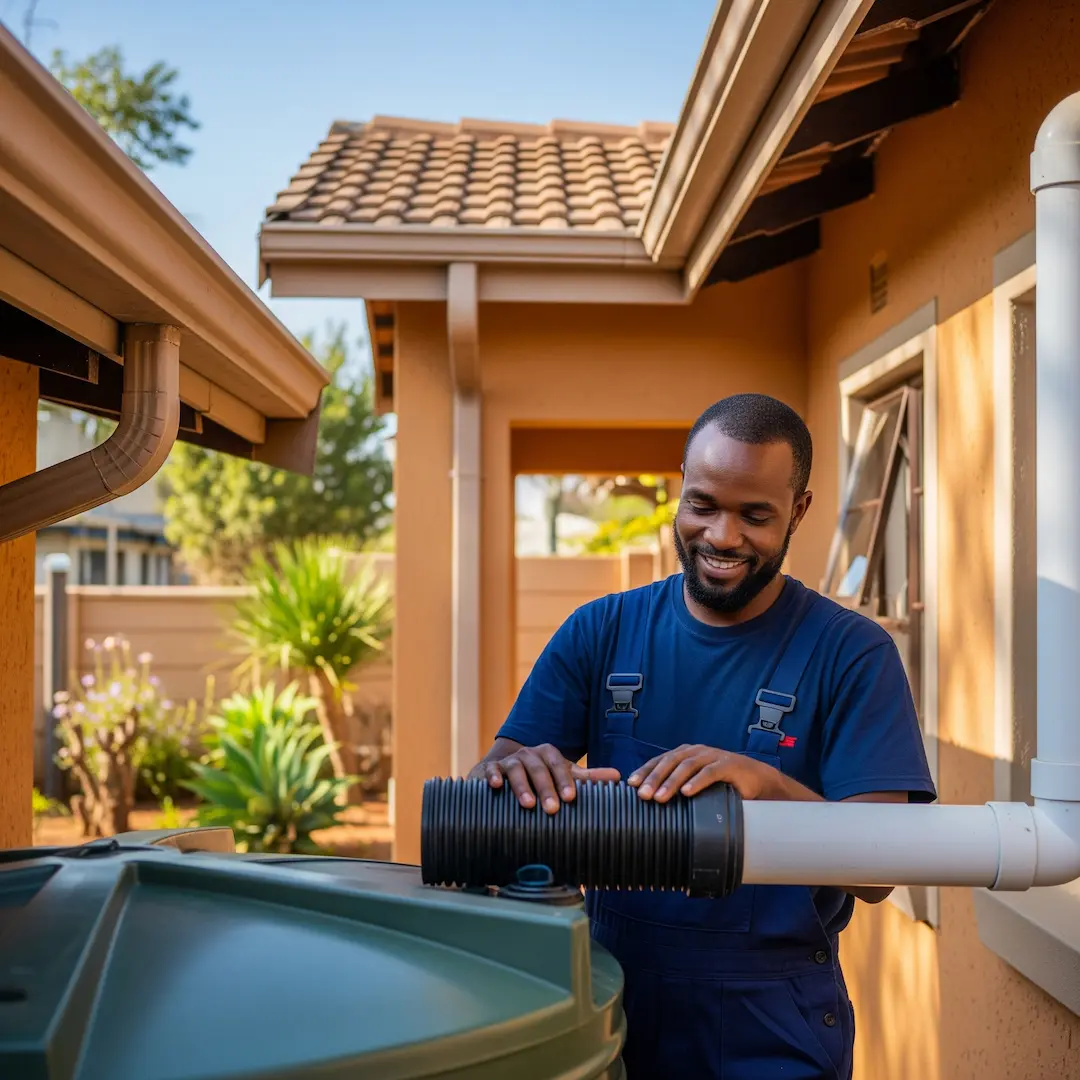
Rainwater Harvesting System Components: Designing Your Setup for South African Conditions
Thinking about rainwater harvesting in South Africa? Learn the key system components, how they work together, and what to consider when designing a reliable setup for local climate conditions.

Water scarcity is a growing concern across South Africa, making alternative water sources like rainwater harvesting increasingly attractive for homeowners. Beyond just saving on your municipal bill, a well-designed rainwater harvesting system can provide a reliable backup during water restrictions or even serve as a primary water source for non-potable uses. But what exactly goes into one of these systems, and how do you ensure it's built to handle our unique South African climate?
From the roof over your head to the tap in your garden, a rainwater harvesting system is a series of interconnected components working in harmony. Let's break down the essential elements you'll need to consider when designing your setup for local conditions.
The Journey of a Raindrop: From Roof to Tap
A typical rainwater harvesting system follows the natural path of rainfall, capturing it from a surface, storing it, and then making it accessible for use. Understanding each stage is crucial for a robust and efficient system.
1. Catchment Area: Your Roof is Your Collector
The most common catchment area for residential rainwater harvesting is your roof. The larger and cleaner your roof, the more water you can potentially collect.
- Material Matters: While most roof types can be used, some are better than others. Corrugated iron and tiled roofs are excellent for rainwater collection as they're durable and relatively easy to clean. As one of our experienced plumbers in the Western Cape often points out, "We've seen everything from old asbestos roofs to modern chromadek. The key is to ensure the surface is well-maintained and free from contaminants like lead paint or excessive moss, which can affect water quality."
- Calculating Potential: To get a rough idea of how much water you can collect, multiply your roof's surface area (in square metres) by the average annual rainfall for your region (in millimetres). Remember, this is a theoretical maximum; actual collection will be less due to evaporation, splash-out, and system inefficiencies.
2. Conveyance System: Guiding the Flow
Once the rain hits your roof, it needs a clear path to your storage. This is where your gutters and downpipes come in.
- Gutters: Ensure your gutters are correctly sized and sloped to handle heavy South African downpours. They should be free of leaves, debris, and blockages. Blocked gutters can lead to overflow, wasting precious water and potentially causing damage to your fascia boards. We often advise homeowners to check their gutters after a big storm – it’s surprising how much gunk can accumulate.
- Downpipes: These connect the gutters to the rest of your system. Opt for larger diameter downpipes if you experience intense rainfall to prevent bottlenecks.
3. Pre-Filtration: Keeping Debris Out
This is a critical stage often overlooked but vital for maintaining water quality and preventing blockages in your system. Pre-filtration removes larger debris before it enters your storage tank.
- Leaf Screens/Leaf Traps: These are typically installed at the top of your downpipes or where the downpipe connects to the first flush diverter. They prevent leaves, twigs, and larger insects from entering the system. An installer once showed me how a simple, well-designed leaf screen at the top of a downpipe dramatically reduced the amount of muck reaching the tank, saving the homeowner a lot of maintenance in the long run.
- First Flush Diverters: This clever device diverts the initial flow of rainwater, which often contains the highest concentration of dust, bird droppings, and other contaminants from your roof. After a certain volume (the 'first flush') is diverted, the cleaner water then flows into your storage tank. These are essential for improving water quality, especially if you plan to use the water for anything beyond irrigation. Think of it as rinsing your roof before you start collecting.
4. Storage: The Heart of Your System
Your storage tank is where your collected rainwater will reside until you need it. Tank selection depends on your space, budget, and water demand.
- Tank Material:Polyethylene (Plastic) Tanks: These are the most common in South Africa due to their durability, affordability, and resistance to corrosion. They come in various shapes and sizes (slimline, round, underground) to fit different spaces. Ensure they are UV-stabilised for outdoor use.
- Fibreglass Tanks: Also durable, but generally more expensive.
- Steel Tanks: Can be very large capacity, but require internal lining to prevent corrosion and protect water quality.
- Concrete Tanks: Often installed underground, offering temperature stability and discrete storage. However, installation is more complex and permanent.
- Tank Sizing: This is where local expertise really comes in handy. A plumber will assess your roof area, average rainfall, water usage needs, and even your property's soil conditions (for underground tanks) to recommend the optimal tank size. Trying to undersize your tank means you'll run out of water quickly during dry spells, while oversizing can be an unnecessary expense. A general rule of thumb for many South African homes aiming for some level of water independence is often a minimum of 5,000 to 10,000 litres, but this can vary wildly based on individual circumstances and intended use.
- Tank Placement: Consider accessibility for maintenance, proximity to your downpipes, and aesthetic impact. Underground tanks save space but are more costly to install. Above-ground tanks are easier to install but require more footprint.
- Overflow: All tanks must have an overflow outlet to prevent damage when full. This overflow can be directed to a storm drain or a garden bed for passive irrigation.
5. Water Delivery: Getting Water Where You Need It
Once stored, you need a way to get the water out of the tank and to its point of use.
- Pumps: For pressurised systems (e.g., connecting to toilets, washing machines, or garden hoses), a pump is essential. The type of pump depends on the required flow rate and pressure. Pressure pumps are common, but submersible pumps (placed inside the tank) offer quieter operation. Ensure your pump is suitable for rainwater and has dry-run protection.
- Gravity Feed: For simple irrigation or outdoor taps directly below the tank, gravity can sometimes suffice, eliminating the need for a pump. This is often seen in smaller, simpler setups.
6. Post-Storage Filtration and Treatment: Ensuring Quality
The level of filtration and treatment required depends entirely on how you intend to use the harvested water.
- Basic Filtration (e.g., Sediment Filters): If you're using water for irrigation or toilet flushing, a simple sediment filter (e.g., 20-micron filter) at the pump outlet or before specific appliances can remove fine particles and protect your plumbing.
- UV Sterilisation: For potable uses (drinking, cooking), UV sterilisation is a common and effective method to kill bacteria and viruses without chemicals. It's often combined with finer sediment and carbon filters.
- Activated Carbon Filters: These remove odours, tastes, and some chemical contaminants. Useful if your water has an earthy taste or smell.
- Bypassing Municipal Water: For whole-house systems, a plumber will install a switching valve that allows you to seamlessly switch between rainwater and municipal supply, or even blend the two. This system often incorporates backflow prevention to ensure your rainwater doesn't contaminate the municipal supply, adhering to local regulations.
Designing for South African Conditions: Beyond the Basics
South Africa's diverse climate, from the arid Karoo to the summer rainfall regions of Gauteng and the winter rainfall of the Western Cape, demands careful consideration when designing your system.
- Rainfall Patterns: In areas with long dry spells, larger storage tanks are crucial to bridge the gap between rainfall events. In regions with frequent, heavy downpours, the capacity of your conveyance system (gutters, downpipes) and pre-filtration becomes paramount to prevent overflow and ensure efficient capture.
- Water Quality: If you live in an area with high levels of air pollution or industrial activity, additional filtration may be necessary to ensure water quality, especially for potable uses. Consider the types of trees near your roof; some shed more pollen or sap, which can impact water quality.
- Maintenance Access: Design your system with easy access for cleaning leaf traps, first flush diverters, and tank inspections. Regular maintenance is key to the longevity and efficiency of your system. As one plumber from Durban explained, "The biggest issue we see with older systems is lack of maintenance. Leaves build up, filters get clogged, and then the whole system underperforms."
- Safety Standards: Always ensure your system complies with local building codes and plumbing regulations (e.g., SANS standards for plumbing installations). This is particularly important for connections to your internal plumbing and ensuring no cross-contamination with municipal supply. Using a qualified plumber for installation is not just about convenience; it's about safety and compliance.
Investing in a rainwater harvesting system is a smart move for any South African homeowner looking to become more water-wise. By understanding the components and designing a system tailored to your specific needs and local conditions, you'll be well on your way to a more sustainable and resilient home.
Frequently Asked Questions
What is the typical lifespan of a rainwater harvesting system?
A well-installed and properly maintained rainwater harvesting system can last for many years. The tank itself, particularly plastic or concrete, can last 20-30 years or more. Pumps and filtration components may require replacement every 5-10 years, depending on quality and usage. Regular maintenance is key to extending the overall lifespan of the system.
Can I drink rainwater collected from my roof?
Yes, rainwater can be made potable (safe for drinking) with proper filtration and treatment. For drinking purposes, you'll typically need a multi-stage filtration system including sediment filters, activated carbon filters, and a UV sterilisation unit to remove particles, chemicals, and kill bacteria and viruses. It's crucial to have your water tested periodically if you rely on it for drinking.
How often do I need to clean my rainwater tank?
The frequency of tank cleaning depends on your pre-filtration system and environmental factors. If you have effective leaf traps and a first flush diverter, you might only need to clean your tank every 2-5 years. However, if debris bypasses your pre-filters, you may need to clean it more often. Signs that your tank needs cleaning include discoloured water, sediment at the bottom of the tank, or foul odours.
Do I need municipal approval to install a rainwater harvesting system?
While specific regulations can vary by municipality in South Africa, generally, for residential properties, basic rainwater harvesting systems for non-potable uses (like garden irrigation or toilet flushing) may not require extensive approval, but it's always best to check with your local council. If you plan to connect the system to your internal plumbing for potable use, or if it involves significant structural changes or underground storage, stricter regulations and approvals may apply, and compliance with SANS standards for plumbing is essential.
Find a vetted plumber near you
Rainwater harvesting: find a pro near you
Suzette Meyer is the lead author and content creator for Kandua.com, South Africa’s #1 marketplace for home services. Suzette has made it her mission to help homeowners with advice on all aspects of home repair, maintenance and improvement, including how to choose the right Pro and how to make smart upgrades that improve your resale value or save costs.

Latest articles, advice and more
.webp)
.webp)
.webp)
.webp)
.jpeg)
Sinking Pavers, Weeds and Water That Pools: What Your Driveway Is Telling You
When your driveway starts sprouting weeds, pooling water, or sinking in patches, the bricks are not failing you. The layers underneath have moved, and they are trying to tell you exactly what went wrong.
.webp)
.webp)
Beyond the Unboxing: A Detailed Guide to Correct Washing Machine Plumbing & Setup
New washing machine in South Africa? Learn essential plumbing and setup tips to prevent leaks, ensure efficient operation, and extend your appliance’s lifespan - expert advice before your first load.
.webp)
New Washing Machine? Don't Plug It In Yet! Essential Installation Tips for SA Homes
Installing a new washing machine? Learn the essential setup steps South African homeowners often overlook to prevent leaks, noise, and damage—and ensure efficient, long-lasting performance from day one.
.webp)
.webp)
%25201200%2520x%25201200%2520(1).jpeg)
What Retiling a Bathroom Costs in 2026, Room by Room
Retiling a bathroom in South Africa costs between R230 and R800 per square metre in 2026, including materials and labour. A standard family bathroom, stripped and fully retiled, usually lands between R11,800 and R27,500. A guest toilet costs a fraction of that. A large porcelain en-suite costs a lot more.
How to Install a Horizontal Geyser | Step-by-Step Pro Guide
Want to install a geyser like a pro? This step-by-step tutorial shows you exactly how to do a horizontal Ariston Axios geyser installation, straight from the BluLever plumbing workshop. 🎥 Hosted by MK, BluLever’s technical facilitator, and supported by a qualified electrician, Life and a BluLever graduate artisan, Zinhle. This is your ultimate guide to a SANS 10254-compliant installation — from preparing the wall, to plumbing, electrical wiring, and pro troubleshooting tips.
How to Maintain a Geyser | Step-by-Step Pro Guide
Want to maintain a geyser like a pro? This step-by-step tutorial shows you exactly how to do the three core geyser maintenance checks on an Ariston Axios geyser installation, straight from the BluLever plumbing workshop. 🎥 Hosted by MK, BluLever’s technical facilitator, and supported by a qualified electrician, Life. This is your ultimate guide to geyser maintenance — from diagnosing the problem to checking the heat regulation of the geyser, to pressure regulation and then finally corrosion protection.
%201.avif)
Not just another newsletter. It's an advantage