
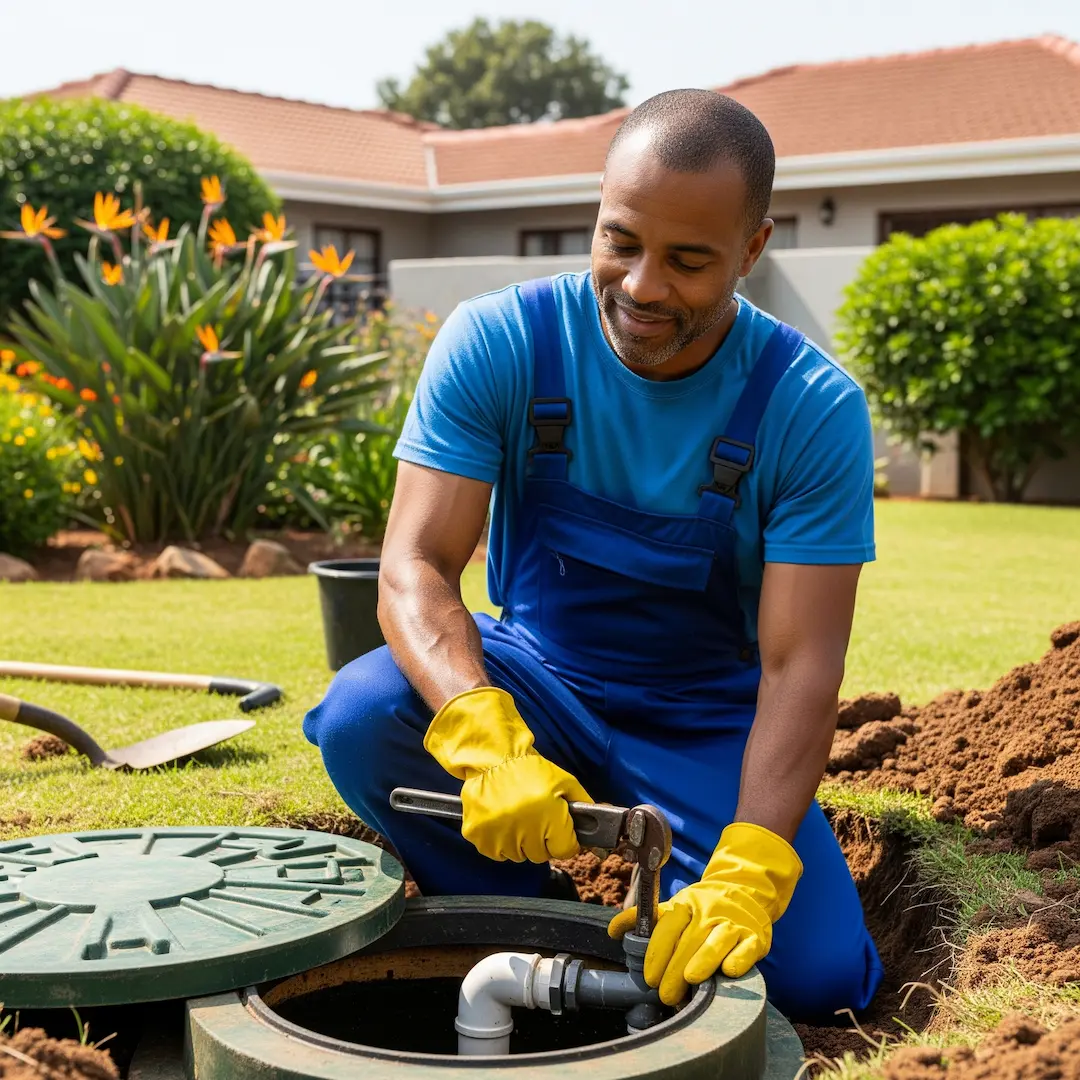
Septic Tank Leak Repair: Common Causes, Diagnosis, and Effective Solutions
Dealing with a leaking septic tank? Learn the common causes, warning signs, and effective repair solutions to protect your health, property, and the environment.

A well-functioning septic system is crucial for homes not connected to municipal sewage lines. When a septic tank starts leaking, it's not just an inconvenience; it can pose significant health and environmental risks. Understanding the common causes, knowing how to diagnose a leak, and being aware of the effective solutions can save you a lot of hassle and expense.
The Hidden Dangers of a Leaking Septic Tank
Imagine walking across your lawn and noticing a persistently soggy patch, even during dry spells. Or perhaps an unpleasant odour hangs in the air around your septic tank area. These could be tell-tale signs of a leak. From what our expert plumbers have shared, a leaking septic tank isn't just about a wet patch. It means untreated wastewater is escaping into your soil, potentially contaminating groundwater, causing foul odours, and creating a breeding ground for harmful bacteria. This can directly impact your family's health and the local environment.
Common Causes of Septic Tank Leaks
Septic tanks are built to be durable, but over time and under certain conditions, they can develop leaks. Our experienced service providers often pinpoint these common culprits:
1. Cracks in the Tank Structure
- Age and Material Degradation: Older tanks, particularly those made of concrete or steel, can naturally degrade over decades. Concrete can become porous or crack due to ground movement or exposure to corrosive elements in the wastewater. Steel tanks are susceptible to rust and corrosion, eventually leading to holes.
- Ground Movement and Settlement: Shifting soil, especially in areas with expansive clay or during periods of heavy rain followed by drought, can put immense pressure on the tank, leading to hairline cracks or even significant fractures. We've seen instances where a small tremor, not even noticeable to humans, was enough to exacerbate an existing weakness in an older concrete tank.
- Vehicle Traffic: Driving heavy vehicles over or near the septic tank can exert tremendous pressure, causing the tank lid or walls to crack. This is why it's always advised to clearly mark the tank's location and avoid parking or driving heavy machinery over it.
2. Faulty Connections and Piping
- Inlet and Outlet Pipe Issues: The connections where the waste enters (inlet) and leaves (outlet) the tank are critical points. If these pipes are not properly sealed during installation or if they shift due to ground movement, leaks can occur around the joints. Sometimes, tree roots aggressively seeking moisture can infiltrate these connections, widening existing gaps.
- Drain Field Line Problems: While not strictly the tank itself, issues within the drain field lines can often be misdiagnosed or contribute to what appears to be a tank leak. If the drain field is clogged or damaged, effluent can back up into the tank and potentially find weak points to escape, or it might emerge at the surface near the tank due to oversaturation.
3. High Water Table
- External Pressure: In areas with a high water table, especially after heavy rains, the external hydrostatic pressure on the septic tank can be immense. If the tank is not properly sealed or has existing weaknesses, this external pressure can force water into the tank or, more commonly, force internal wastewater out through any compromised points. We've encountered situations after particularly wet KwaZulu-Natal summers where previously minor issues became significant leaks due to saturated ground.
Diagnosing a Septic Tank Leak
Spotting a septic tank leak early can prevent more extensive and costly damage. Here’s how professionals typically diagnose the problem:
1. Visual Inspection
The first step is always a thorough visual inspection.
- Soggy Patches or Pooling Water: The most obvious sign is unexplained wet, soggy areas or standing water on your lawn above or near the septic tank and drain field. This is often accompanied by an unusually lush, green patch of grass, as the escaping nutrients act as fertiliser.
- Foul Odours: A strong, persistent sewage smell around the tank area or even inside your home can indicate a leak or a system backup.
- Slow Drains or Backups: While these can point to many plumbing issues, combined with other signs, they might suggest the tank isn't effectively draining due to a leak or drain field problem.
- Dye Testing: This is a common and effective diagnostic method. A non-toxic, biodegradable dye is flushed down your toilets. If there's a leak, the coloured water will eventually appear on the surface near the tank or drain field, indicating the exact location of the breach. This is particularly useful for identifying elusive leaks.
- Camera Inspection: For internal issues or to pinpoint cracks within the tank or pipes, a small, waterproof camera can be snaked into the system. This provides a clear visual of the tank's interior, allowing plumbers to identify cracks, blockages, or damaged connections. One plumber recalled a job where a camera inspection revealed a significant crack in the tank's base, which was completely hidden from surface view.
Effective Solutions for Septic Tank Leaks
Once a leak is diagnosed, the repair method depends entirely on the cause and severity. It’s crucial to have a qualified plumber or septic system expert assess the situation, as DIY repairs can be dangerous and ineffective.
1. Repairing Cracks in the Tank
- Patching and Sealing: For minor cracks in concrete tanks, specialized epoxy sealants or hydraulic cement can be used. The tank needs to be pumped out and thoroughly cleaned first. The crack is then prepared and filled with the sealing material. This is often a good solution for small, non-structural cracks.
- Fibre-Reinforced Liners: For more extensive cracking, particularly in older concrete tanks, a professional might recommend installing a fibreglass or polymer liner inside the existing tank. This creates a new, watertight barrier within the old structure, effectively giving the tank a new lease on life. This is a more involved process and requires the tank to be completely empty and cleaned.
2. Addressing Faulty Connections and Pipes
- Replacing Damaged Pipes/Fittings: If the inlet or outlet pipes are cracked or dislodged, the damaged sections will need to be excavated and replaced. This involves careful excavation to expose the pipes and then correctly fitting and sealing new sections. Ensuring proper grading and support for the new pipes is crucial to prevent future issues.
- Root Removal and Barrier Installation: If tree roots are the culprit, they need to be professionally removed (often with specialized augers or hydro-jetting equipment). To prevent recurrence, a root barrier might be installed around the pipe work or tank, or consideration given to removing problematic trees.
3. Resolving Drain Field Issues
- Jetting and Cleaning: If the drain field lines are clogged with sludge or biomat, hydro-jetting can clear the blockages and restore proper flow.
- Drain Field Repair or Replacement: In cases of severe damage or saturation, sections of the drain field might need to be repaired, replaced, or a completely new drain field installed. This is a significant undertaking and requires careful planning and compliance with local regulations. Our experts often emphasise that a failed drain field is a system failure, not just a tank issue, and needs comprehensive attention.
4. Managing High Water Table Issues
- Improving Site Drainage: If a high water table is consistently an issue, improving surface drainage around the septic system can help. This might involve grading the landscape to divert water away from the tank and drain field.
- Pump Installation: In some extreme cases, a perimeter drain with a sump pump might be installed around the septic tank to manage groundwater levels and reduce hydrostatic pressure.
Important Disclaimer: Addressing septic tank leaks is complex and often dangerous due to the presence of hazardous waste and potential for collapse during excavation. It requires specialized knowledge, equipment, and adherence to safety protocols. Never attempt to repair a septic tank leak yourself unless you are a qualified professional. Always consult with a certified plumber or septic system specialist. They have the expertise to safely diagnose the problem, recommend the most effective solution, and ensure all repairs comply with local South African building and environmental regulations.
Frequently Asked Questions
How often should a septic tank be inspected for leaks?
It's generally recommended to have your septic system inspected by a professional every 3-5 years. This regular check-up can identify potential issues, including minor leaks or weaknesses, before they escalate into major problems.
Can a septic tank leak contaminate my drinking water?
Yes, absolutely. A leaking septic tank releases untreated wastewater into the ground, which can seep into and contaminate nearby groundwater sources, including boreholes or wells used for drinking water. This poses a serious health risk.
What are the signs that my drain field might be failing, not just the tank?
Signs of a failing drain field often include very wet or marshy areas in your yard (even when it hasn't rained), particularly strong sewage odours, lush green grass over the drain field lines, or plumbing backups in your home (slow drains, toilets not flushing properly) when the septic tank itself isn't full.
How long does a septic tank repair typically take?
The duration of a septic tank repair varies significantly depending on the nature and severity of the leak. A simple patch for a minor crack might take a day or two once the tank is pumped and cleaned. More complex repairs, like replacing sections of piping or addressing drain field issues, can take several days to a week or more, as they often involve excavation, specific materials, and time for ground settlement.
Find a vetted plumber near you
Septic systems maintenance: find a pro near you
- Septic systems maintenance near you
- Septic systems maintenance in Johannesburg
- Septic systems maintenance in Sandton
- Septic systems maintenance in Midrand
- Septic systems maintenance in Roodepoort
- Septic systems maintenance in Randburg
- Septic systems maintenance in Pretoria
- Septic systems maintenance in Cape Town
Suzette Meyer is the lead author and content creator for Kandua.com, South Africa’s #1 marketplace for home services. Suzette has made it her mission to help homeowners with advice on all aspects of home repair, maintenance and improvement, including how to choose the right Pro and how to make smart upgrades that improve your resale value or save costs.

Latest articles, advice and more
.webp)
.webp)
.webp)
.webp)
.jpeg)
Sinking Pavers, Weeds and Water That Pools: What Your Driveway Is Telling You
When your driveway starts sprouting weeds, pooling water, or sinking in patches, the bricks are not failing you. The layers underneath have moved, and they are trying to tell you exactly what went wrong.
.webp)
.webp)
Beyond the Unboxing: A Detailed Guide to Correct Washing Machine Plumbing & Setup
New washing machine in South Africa? Learn essential plumbing and setup tips to prevent leaks, ensure efficient operation, and extend your appliance’s lifespan - expert advice before your first load.
.webp)
New Washing Machine? Don't Plug It In Yet! Essential Installation Tips for SA Homes
Installing a new washing machine? Learn the essential setup steps South African homeowners often overlook to prevent leaks, noise, and damage—and ensure efficient, long-lasting performance from day one.
.webp)
.webp)
%25201200%2520x%25201200%2520(1).jpeg)
What Retiling a Bathroom Costs in 2026, Room by Room
Retiling a bathroom in South Africa costs between R230 and R800 per square metre in 2026, including materials and labour. A standard family bathroom, stripped and fully retiled, usually lands between R11,800 and R27,500. A guest toilet costs a fraction of that. A large porcelain en-suite costs a lot more.
How to Install a Horizontal Geyser | Step-by-Step Pro Guide
Want to install a geyser like a pro? This step-by-step tutorial shows you exactly how to do a horizontal Ariston Axios geyser installation, straight from the BluLever plumbing workshop. 🎥 Hosted by MK, BluLever’s technical facilitator, and supported by a qualified electrician, Life and a BluLever graduate artisan, Zinhle. This is your ultimate guide to a SANS 10254-compliant installation — from preparing the wall, to plumbing, electrical wiring, and pro troubleshooting tips.
How to Maintain a Geyser | Step-by-Step Pro Guide
Want to maintain a geyser like a pro? This step-by-step tutorial shows you exactly how to do the three core geyser maintenance checks on an Ariston Axios geyser installation, straight from the BluLever plumbing workshop. 🎥 Hosted by MK, BluLever’s technical facilitator, and supported by a qualified electrician, Life. This is your ultimate guide to geyser maintenance — from diagnosing the problem to checking the heat regulation of the geyser, to pressure regulation and then finally corrosion protection.
%201.avif)
Not just another newsletter. It's an advantage