
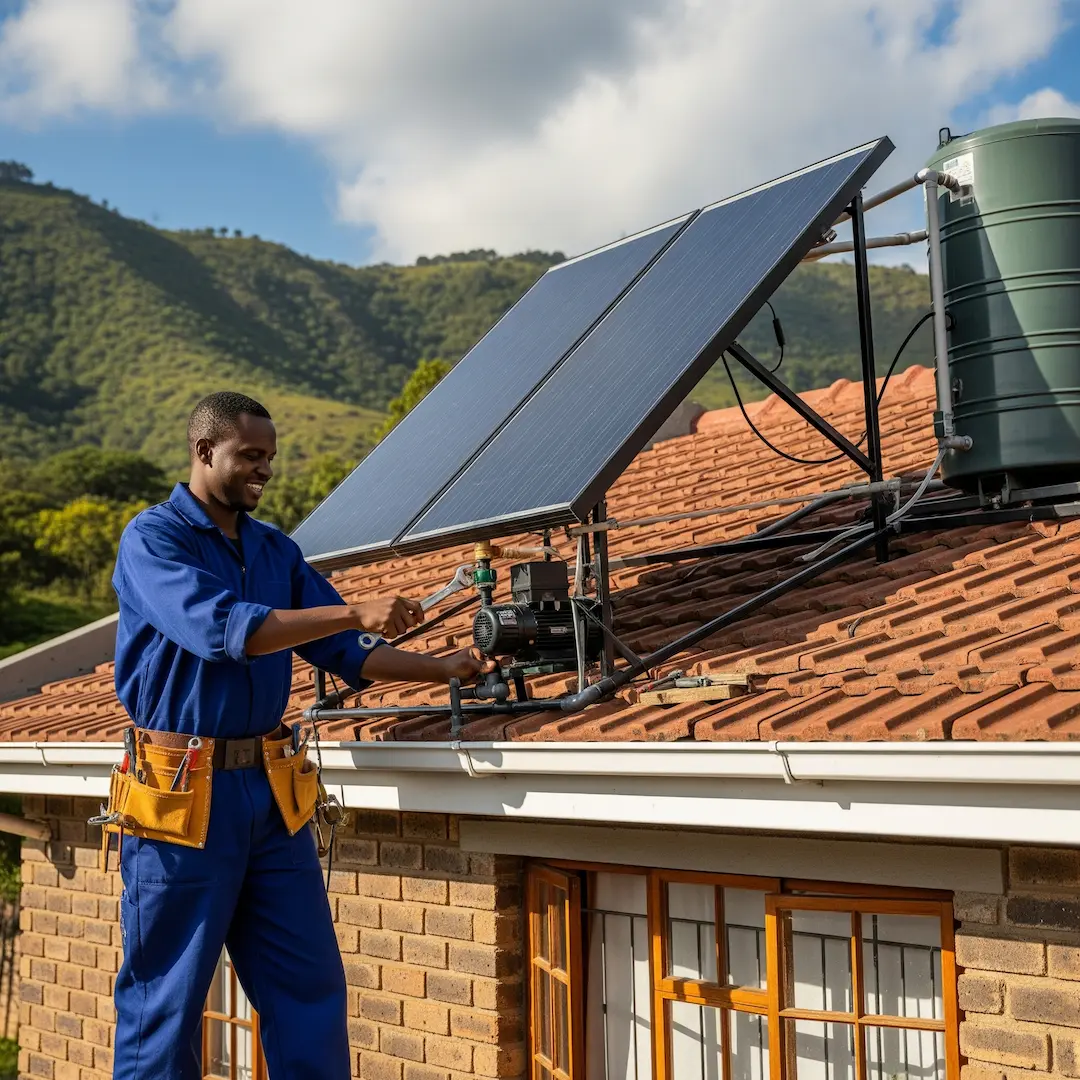
Solar Geyser Panel & Pump Repairs: Addressing Common Performance Issues
Solar geyser not heating properly? Discover common collector and circulation pump issues, what causes poor performance, and how professional repairs restore efficient, reliable hot water in South African homes.

There's nothing quite like the satisfaction of hot water, especially when you know it's being heated efficiently by the sun. Solar geysers are fantastic for reducing electricity bills and your carbon footprint, but like any system, they can encounter issues over time. When your solar geyser isn't delivering the hot water you expect, it often comes down to problems with the solar panels (collectors) or the circulation pump. Let's delve into common performance issues, what might be causing them, and how these vital components are typically repaired.
Understanding Your Solar Geyser System
Before we jump into repairs, it’s helpful to understand the basic setup. A typical South African solar geyser system usually consists of:
- Solar Collectors (Panels): These are the heart of the system, absorbing solar radiation to heat a fluid (either directly heating water or a heat transfer fluid). They come in various types, most commonly flat plate collectors or evacuated tube collectors.
- Storage Tank (Geyser): This is where your hot water is stored.
- Circulation Pump: In pumped (indirect) systems, this pump circulates the heat transfer fluid between the collectors and the geyser’s heat exchanger.
- Controller: This electronic brain manages the pump and monitors system temperatures, ensuring optimal operation and preventing overheating.
- Piping: Connects all the components, carrying water or heat transfer fluid.
One installer from Durban recently shared an experience where a client was convinced their whole system was faulty, but it turned out to be a simple misunderstanding of how their specific direct solar geyser worked in winter. A basic overview of the system components can often clear up initial confusion, helping homeowners pinpoint where the real issue might lie.
When Your Solar Geyser Isn't Heating: Common Culprits
If your solar geyser isn't providing enough hot water, or any at all, here are some common areas a qualified solar technician will investigate:
Solar Collectors (Panels): Issues and Repairs
Your collectors are exposed to the elements, making them susceptible to damage and reduced efficiency.
- Dirt and Debris Buildup: Over time, dust, leaves, bird droppings, and other environmental debris can accumulate on the surface of your collectors. This acts as an insulating layer, preventing sunlight from reaching the absorber and significantly reducing heat absorption.
- Repair/Solution: This is often a straightforward cleaning process. Technicians will safely clean the collector surface, ensuring no damage to the panel. It’s important to use appropriate cleaning agents and methods to avoid scratching or damaging the sensitive surfaces, especially on evacuated tubes.
- Cracked or Damaged Glass/Tubes: Hail, falling branches, or even accidental impacts can crack the glass cover of flat plate collectors or break individual evacuated tubes. This compromises the collector's efficiency and can lead to leaks.
- Repair/Solution: For flat plate collectors, repairing cracked glass is often complex and may necessitate replacing the entire panel, depending on the extent of the damage. For evacuated tube systems, individual damaged tubes can typically be replaced without needing to replace the entire manifold or panel, which is a more cost-effective solution. Our expert technicians often carry common replacement tube sizes for quick repairs.
- Internal Blockages or Leaks: While less common, the internal pathways within the collectors can sometimes develop blockages from scale buildup (especially in direct systems in hard water areas) or pinhole leaks.
- Repair/Solution: Blockages might require flushing the system, often with specialized descaling agents. Leaks within the collector itself usually mean a replacement is needed, as repairing internal collector leaks is highly challenging and often impractical.
We had a job in Pretoria where a homeowner complained about inconsistent hot water. After inspection, it turned out that years of neglecting panel cleaning had led to a thick layer of grime, drastically reducing the solar gain. A thorough cleaning was all it took to restore full performance.
Circulation Pump: The Heartbeat of Your Indirect System
In indirect or pumped systems, the circulation pump is crucial. If it fails, the heat transfer fluid won't move, and your water won't heat up.
- No Power to the Pump: This is often the simplest issue. The pump might not be receiving power due to a tripped circuit breaker, a faulty electrical connection, or a problem with the solar controller.
- Repair/Solution: A technician will check the power supply, fuses, and wiring connections to the pump and controller. They will also test the circuit breaker in your distribution board.
- Seized or Faulty Motor: Pumps have internal motors that can seize up due to wear and tear, debris, or overheating.
- Repair/Solution: If the motor is seized, it usually requires a pump replacement. Some pumps allow for motor replacement, but often a full pump unit is installed for reliability.
- Airlock in the System: Air trapped in the plumbing lines can prevent the pump from circulating fluid effectively. This often manifests as strange noises from the pump or no flow.
- Repair/Solution: Technicians will bleed the air out of the system using specific valves or procedures, ensuring a smooth flow of heat transfer fluid.
- Controller Malfunction: The solar geyser controller dictates when the pump should run. If the controller is faulty, it might not be sending the signal to the pump, even if the pump itself is fine.
- Repair/Solution: A technician will diagnose the controller using diagnostic tools and check sensor readings. If the controller is faulty, it will need to be replaced. They often check sensor accuracy as well, as incorrect temperature readings can prevent the pump from activating correctly.
- Leaking Pump Seals: Over time, seals within the pump can degrade, leading to leaks. This not only wastes heat transfer fluid but can also damage the pump's motor if fluid gets into electrical components.
- Repair/Solution: Depending on the pump model, seals can sometimes be replaced. However, if the leak has caused significant internal damage, a full pump replacement is usually recommended.
A common scenario our service providers encounter is a homeowner reporting a "dead" solar geyser, only for the technician to find that the circulation pump had simply seized due to an accumulation of sludge in the heat transfer fluid after years of neglect. Regular fluid checks and flushing, as per manufacturer guidelines, can prevent this.
The Importance of Certified Solar Technicians
While some basic checks like cleaning panels can be done by a confident DIY enthusiast, anything involving electrical components, pressure systems, or working at heights should always be handled by a certified solar technician.
- Safety First: Working with electrical systems and hot water under pressure carries inherent risks. Certified technicians are trained in safety protocols and have the right tools to perform repairs without endangering themselves or your property.
- Expert Diagnosis: Solar geyser systems, especially pumped ones, can be complex. An expert understands the interplay between collectors, pumps, controllers, and plumbing. They can quickly and accurately diagnose the root cause of the problem, saving you time and money.
- Correct Parts and Procedures: They have access to genuine replacement parts and follow manufacturer-recommended repair procedures, ensuring the longevity and efficiency of your system. They also understand relevant South African standards and regulations (like SANS 10106 for solar water heaters).
- Warranty Protection: Many solar geyser warranties require that installations and repairs be carried out by certified professionals to remain valid.
One of our trusted technicians in Cape Town recently recounted a job where a homeowner had attempted to "fix" a leaking pipe on their solar collector with epoxy. Not only did it fail, but the incorrect repair method had put undue stress on other parts of the system, leading to more extensive and costly repairs down the line. This highlights why professional expertise is invaluable.
Troubleshooting Your Solar Geyser: What to Check (Safely)
Before calling in the professionals, here are a few safe checks you can do yourself:
- Check for Power: Ensure the circuit breaker for your geyser/solar system in your main distribution board hasn't tripped.
- Visual Inspection of Panels: Are your collectors excessively dirty? Can you safely clean them from the ground or with a long-handled soft brush? If not, do not attempt to climb onto the roof without proper safety equipment.
- Check the Controller: If your system has a digital controller, check for any error codes or unusual readings. Consult your user manual for what these codes mean.
- Listen to the Pump (if applicable): In pumped systems, can you hear the pump running when the sun is shining? Sometimes a faint hum indicates it's trying to work. If you hear grinding or no noise at all, it's a sign of a problem.
Remember, if you're unsure or uncomfortable at any point, it's always best to call a qualified professional.
Frequently Asked Questions
How long do solar geyser pumps typically last?
The lifespan of a solar geyser pump can vary, but most high-quality pumps are designed to last between 5 to 10 years, depending on factors like operating conditions, maintenance, and water quality. Regular servicing can help extend their life.
Can I repair a cracked evacuated tube myself?
While replacing a single evacuated tube is a relatively simple process for a trained professional, it involves working at heights, handling glass, and understanding the system's pressure. It's generally not recommended as a DIY task due to safety risks and the potential for incorrect installation affecting system performance.
How often should I have my solar geyser system serviced?
It's generally recommended to have your solar geyser system serviced every 1 to 3 years. This allows a technician to clean the panels, check fluid levels (if applicable), inspect for leaks, test the pump and controller, and ensure overall optimal performance.
What are the signs of a faulty solar geyser controller?
Signs of a faulty controller can include incorrect temperature readings displayed, the pump not activating when it should (or running constantly), no display at all, or error codes that persist even after a system reset.
Suzette Meyer is the lead author and content creator for Kandua.com, South Africa’s #1 marketplace for home services. Suzette has made it her mission to help homeowners with advice on all aspects of home repair, maintenance and improvement, including how to choose the right Pro and how to make smart upgrades that improve your resale value or save costs.

Related articles, advice and more
.webp)
What Does a Plumbing Call-Out Fee Usually Include?
When that familiar drip-drip-drip starts under the kitchen sink or your geyser begins a slow weep in the ceiling, the first thing most South African homeowners do is pick up the phone. But before a wrench even touches a pipe, you’ll likely hear the term "call-out fee."
.jpg)
How to Choose Between Repair and Replacement for Your Geyser
Deciding between repairing and replacing isn't just about the immediate price tag. It is about safety, long-term electricity savings, and compliance with South African building regulations. Based on insights from vetted plumbers across Johannesburg, Cape Town, and Durban, this guide will help you navigate that decision with confidence.
.jpg)
What to Do If Your Electric Problem Comes Back After Repair
There are few things more frustrating than paying for a repair only to have the lights flicker, the breaker trip, or the plug point fail again a few days later. Here is a step-by-step guide to handling the situation professionally, safely, and effectively to get it sorted out for good.
.jpg)
Understanding Geyser Warranties in South Africa
For most South African households, the geyser is the hardest-working appliance in the home. To help you protect your investment, we have broken down exactly how Geyser warranties work in South Africa, drawing on insights from qualified plumbers who handle rejected claims daily.
.webp)
How Hard Water Damages Your Plumbing (and What to Do About It)
If you suspect you have hard water, you are in the "awareness" stage of a very important journey for your home's maintenance. Ignoring it can lead to burst geysers and clogged pipes. This guide, compiled with insights from top local plumbers, will explain exactly how hard water affects your plumbing and the practical steps you can take to fix it.
.webp)
.webp)
.webp)
Latest articles, advice and more
.webp)
How To Fix A Damp Wall And What's Actually Causing It
If your walls are weeping, your plaster is flaking, or you can smell that musty, damp smell, you're not dealing with one problem; you're dealing with three possible ones. The fix depends entirely on the cause.
.webp)
Gutter Cleaning: How Often Should You Do It and What Does It Cost?
Clean your gutters at least twice a year, and always before your rainy season kicks in. In South Africa, a professional gutter clean usually costs somewhere between R450 and R2,500, depending on the size of your home, how high the roof is, and how blocked things have become. Here is how to work out the right frequency and a fair price.
.webp)
Why Are My Plug Points Not Working? A Troubleshooting Guide
If your plug points have suddenly gone dead, the usual culprits are a tripped earth leakage switch, a tripped circuit breaker, loose or burnt wiring, or a faulty appliance overloading the circuit. Work through the safety checks below before you call anyone, then understand when the job requires a registered electrician.
.webp)
How a Geyser Timer Can Cut Your Electricity Bill
If you've been staring at your Eskom bill and wondering where the money is going, your geyser might be the culprit. Here's the good news: a simple geyser timer can cut your hot water costs by up to 30% each month, which typically saves South African homeowners between R200 and R400 on their electricity bills, depending on their current usage.
%20(1).webp)
How To Treat and Paint Over Damp Walls (So It Doesn't Come Back)
You've noticed a patch on the bedroom wall: discoloured and maybe a bit soft to the touch, and you're wondering if a fresh coat of paint will simply cover the problem. The short answer: no, it won't. But the good news is that understanding what's happening beneath that stain, and treating it properly, is far simpler than you might think.
.webp)
Beyond the Unboxing: A Detailed Guide to Correct Washing Machine Plumbing & Setup
New washing machine in South Africa? Learn essential plumbing and setup tips to prevent leaks, ensure efficient operation, and extend your appliance’s lifespan - expert advice before your first load.
.webp)
New Washing Machine? Don't Plug It In Yet! Essential Installation Tips for SA Homes
Installing a new washing machine? Learn the essential setup steps South African homeowners often overlook to prevent leaks, noise, and damage—and ensure efficient, long-lasting performance from day one.
%20(1).webp)
.webp)
TV Repair Costs in South Africa: Diagnosing Screen, Power & Component Issues
Find out what TV repairs really cost in South Africa – from call-out and diagnosis fees to screen, power and main board fixes – and when it’s cheaper to replace your TV instead of repairing it.
.webp)
Septic Tank Leak Repair Cost in South Africa: Addressing Odours & Environmental Hazards
Learn typical septic tank leak repair costs in South Africa, what drives the price up, how to spot early warning signs (odours, soggy ground, backups), and when it’s safer and cheaper to get a professional in.
How to Install a Horizontal Geyser | Step-by-Step Pro Guide
Want to install a geyser like a pro? This step-by-step tutorial shows you exactly how to do a horizontal Ariston Axios geyser installation, straight from the BluLever plumbing workshop. 🎥 Hosted by MK, BluLever’s technical facilitator, and supported by a qualified electrician, Life and a BluLever graduate artisan, Zinhle. This is your ultimate guide to a SANS 10254-compliant installation — from preparing the wall, to plumbing, electrical wiring, and pro troubleshooting tips.
How to Maintain a Geyser | Step-by-Step Pro Guide
Want to maintain a geyser like a pro? This step-by-step tutorial shows you exactly how to do the three core geyser maintenance checks on an Ariston Axios geyser installation, straight from the BluLever plumbing workshop. 🎥 Hosted by MK, BluLever’s technical facilitator, and supported by a qualified electrician, Life. This is your ultimate guide to geyser maintenance — from diagnosing the problem to checking the heat regulation of the geyser, to pressure regulation and then finally corrosion protection.
%201.avif)
Not just another newsletter. It's an advantage


From problem to solved.


.svg)


.avif)
.avif)
.avif)


.avif)