
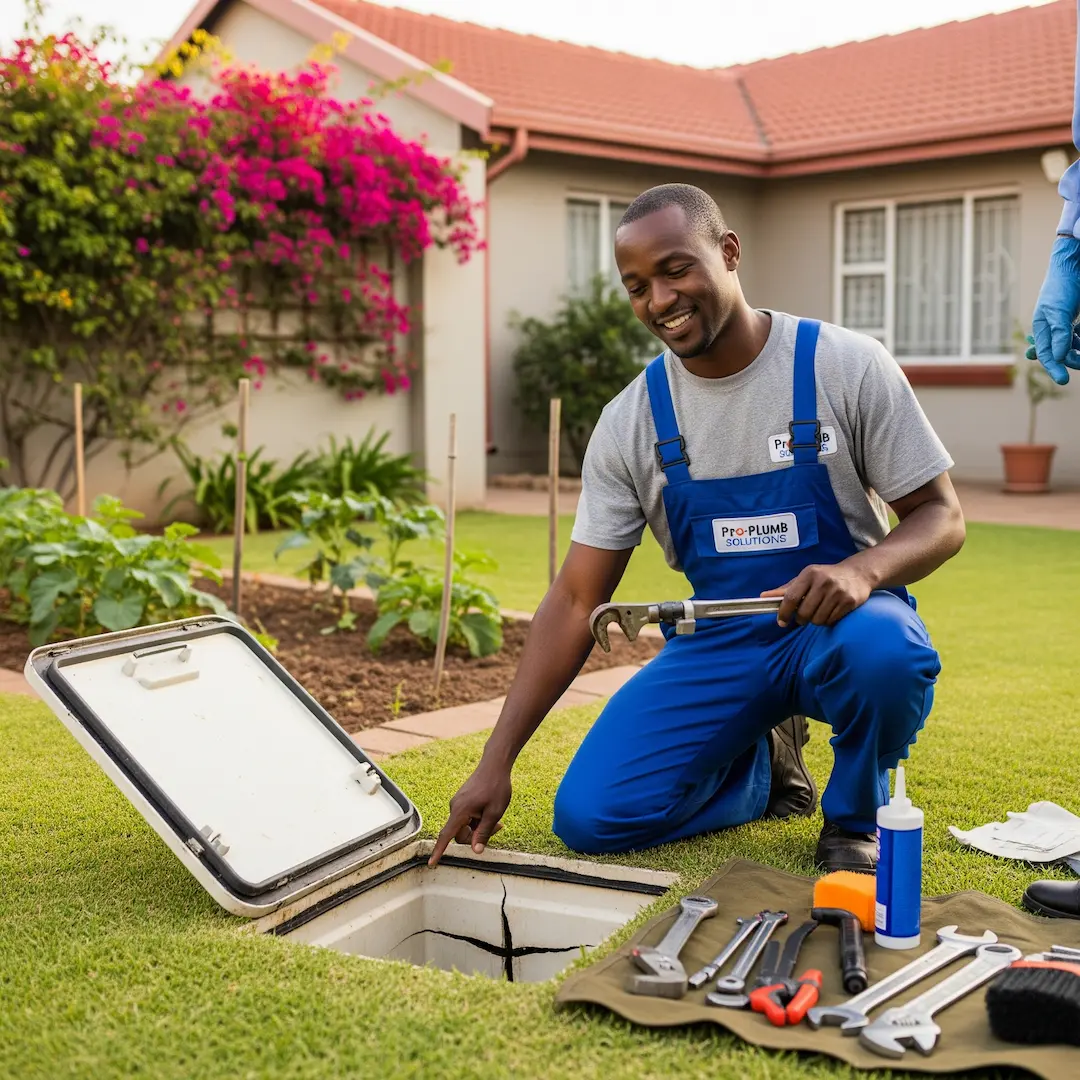
Your Septic Tank is Sealed! Post-Repair Care & Future Leak Prevention in SA
Septic tank leak repaired? Learn essential post-repair care and prevention tips to protect your system, avoid future leaks, and ensure long-term performance - expert advice for South African homeowners.

Your Septic Tank is Sealed! Post-Repair Care & Future Leak Prevention in SA
Having a septic tank leak repaired is a massive relief for any homeowner. The immediate worry of wastewater seeping into your property is gone, but the job isn't entirely done. Proper post-repair care and establishing long-term maintenance habits are crucial to ensure your septic system continues to function effectively and to prevent future costly issues. Think of it like recovering from a serious illness – the immediate treatment is vital, but the recovery period and ongoing healthy habits are what truly ensure a lasting return to well-being.
Expert plumbers across South Africa consistently emphasise that what you do after a repair is just as important as the repair itself. They often share stories of homeowners who, eager to get back to normal, inadvertently put strain on their newly fixed systems. Taking a little extra care in the days and weeks following a repair can save you a lot of hassle and expense down the line.
Immediate Post-Repair Care for Your Septic Tank
The first few days and weeks after a septic tank repair are critical. Your system needs time to settle and for any new components or seals to fully cure. Here’s what the pros recommend:
- Minimise Water Usage: This is perhaps the most important immediate step. For the first 24-48 hours (or as advised by your plumber), try to drastically reduce water entering the system. This means:
- Delaying laundry loads.
- Taking shorter showers or spacing them out.
- Flushing toilets only when absolutely necessary.
- Avoiding running dishwashers or washing machines.
- An experienced plumber once shared how a client, after a baffle repair, decided to do three loads of laundry back-to-back. The sheer volume of water overwhelmed the still-setting repairs, leading to a minor backup and another service call. It’s a classic example of too much too soon.
- Avoid Harsh Chemicals: Do not flush strong drain cleaners, harsh detergents, or excessive amounts of bleach down your drains. These chemicals can disrupt the beneficial bacterial balance within your septic tank, which is essential for breaking down waste. They can also degrade newly installed seals or patching materials.
- Monitor for Warning Signs: Keep an eye (and nose!) out for any unusual signs. This includes:
- Slow draining fixtures.
- Gurgling sounds from pipes.
- Unpleasant odours around the tank or drain field.
- Wet, soggy spots or unusually lush green patches in your yard near the septic system components.
- If you notice anything concerning, contact your plumber immediately. Early detection can prevent minor issues from escalating.
- Limit Heavy Loads on the Tank Area: While the ground above your septic tank might look solid, avoid driving vehicles or placing heavy objects over the tank and drain field area. This can compact the soil, damage pipes, or put undue stress on the tank itself, especially after recent excavation or repair work.
Long-Term Strategies for Preventing Future Septic Tank Leaks
Once your septic system has recovered from the repair, it’s time to implement a long-term strategy for its ongoing health. Preventing future leaks is all about understanding how your system works and treating it with care.
1. Smart Water Usage is Key
Excessive water entering your septic system is a leading cause of issues, including leaks and drain field failure. The more water your tank receives, the more frequently it fills, and the more strain is placed on all its components.
- Install Water-Saving Fixtures: Low-flow showerheads, toilets, and aerators on taps can significantly reduce your household’s water consumption. This lessens the burden on your septic system.
- Fix Leaks Promptly: A dripping tap or a running toilet can send hundreds of litres of unnecessary water into your septic tank each month. Fix these leaks as soon as you detect them.
- Space Out Water-Heavy Activities: Instead of doing all your laundry on one day, spread it out over the week. This allows the septic tank and drain field adequate time to process the wastewater effectively.
2. Watch What Goes Down the Drain
Your septic tank is designed to handle human waste and toilet paper. Anything else can cause blockages, disrupt the bacterial balance, and lead to problems.
- Only Flush the "Three Ps": Pee, Poo, and (Septic-Safe) Paper: This is the golden rule for septic systems. Avoid flushing:
- Wet wipes (even "flushable" ones).
- Feminine hygiene products.
- Cotton balls, ear swabs, or dental floss.
- Cigarette butts.
- Kitty litter.
- Food scraps (even if you have a garbage disposal, it's best to compost or bin food waste).
- Grease and oils (they solidify and can clog pipes and the drain field).
- Use Septic-Safe Cleaning Products: Opt for biodegradable, non-antibacterial cleaning products where possible. Harsh chemicals can kill the beneficial bacteria in your tank.
3. Regular Septic Tank Pumping
This is arguably the most crucial maintenance task for any septic system. Over time, solids accumulate in the bottom of your septic tank, forming a sludge layer. If this sludge isn't removed regularly, it can overflow into the drain field, leading to blockages, system failure, and potentially leaks.
- Frequency: The pumping frequency depends on the tank size, household size, and water usage. As a general guideline, most households need their septic tank pumped every 3-5 years. However, a larger family or a smaller tank might require pumping every 1-2 years. Your plumber can advise on the ideal schedule for your specific system.
- Signs You Might Need Pumping Sooner:Sewage odours in your yard or house.
- Slow drains or backups.
- Pooling water over the drain field.
- Lush, green grass growing only over your septic tank or drain field (this can indicate effluent reaching the surface).
4. Protect Your Drain Field
The drain field (also known as the leach field or absorption field) is where the treated wastewater from your tank is dispersed into the soil. Its proper functioning is vital for the entire system.
- Avoid Compaction: Never drive or park vehicles, heavy equipment, or even build structures over your drain field. This compacts the soil, reducing its ability to absorb water and can damage the distribution pipes.
- Plant Appropriately: Only plant grass or shallow-rooted plants over your drain field. Avoid planting trees or shrubs with deep root systems, as these roots can grow into and damage the pipes, leading to blockages and leaks.
- Direct Gutter Runoff Away: Ensure that stormwater runoff from your roof gutters and other drainage systems is directed away from your septic tank and drain field. Excessive water saturation of the drain field can impede its ability to absorb treated wastewater.
5. Regular Professional Inspections
Even with diligent maintenance, issues can arise. Regular inspections by a qualified plumber can catch minor problems before they become major, expensive repairs.
- Annual Checks: Consider an annual inspection of your septic system, especially if it's an older system. A professional can identify potential issues like cracks, blockages, or worn components that might not be obvious to the untrained eye.
- Keep Records: Maintain a record of all septic system maintenance, including pumping dates, repairs, and inspections. This helps you track its history and can be useful information for future service providers.
By understanding the importance of immediate post-repair care and committing to these long-term preventative measures, you can significantly extend the life of your septic system, prevent future leaks, and ensure your home’s wastewater management remains efficient and trouble-free for years to come.
Frequently Asked Questions
How long should I wait before doing laundry after a septic tank repair?
It's generally recommended to wait at least 24-48 hours after a septic tank repair before resuming normal laundry activities, or as advised by your plumber. This allows any new seals or patching materials to cure properly and prevents overwhelming the system with a large volume of water too soon.
What types of toilet paper are best for septic tanks in South Africa?
Look for toilet paper labelled as "septic-safe" or "biodegradable." These are designed to break down quickly and completely in water, reducing the risk of blockages in your pipes and septic tank. Avoid ultra-plush or extra-thick toilet papers, as they tend to break down more slowly.
Can I use a garbage disposal with a septic tank?
While you technically can use a garbage disposal with a septic tank, it's generally not recommended. Garbage disposals introduce additional solids and grease into your tank, which can accelerate sludge accumulation and increase the frequency of pumping needed. It's best to compost food waste or dispose of it in the bin.
How do I know if my drain field is failing?
Signs of a failing drain field include persistent soggy areas or standing water in your yard over the drain field, sewage odours outdoors, unusually lush green grass in specific patches, slow-draining toilets and sinks, or sewage backups in your home. If you notice any of these, contact a plumber immediately.
Find a vetted plumber near you
Septic systems maintenance: find a pro near you
- Septic systems maintenance near you
- Septic systems maintenance in Johannesburg
- Septic systems maintenance in Sandton
- Septic systems maintenance in Midrand
- Septic systems maintenance in Roodepoort
- Septic systems maintenance in Randburg
- Septic systems maintenance in Pretoria
- Septic systems maintenance in Cape Town

Latest articles, advice and more
.webp)
.webp)
.jpeg)
Sinking Pavers, Weeds and Water That Pools: What Your Driveway Is Telling You
When your driveway starts sprouting weeds, pooling water, or sinking in patches, the bricks are not failing you. The layers underneath have moved, and they are trying to tell you exactly what went wrong.
.jpeg)
What Your Garage Door Motor Actually Does (And Why It Breaks)
Spoiler alert: your garage door motor isn't actually doing the heavy lifting. The torsion springs carry almost all the weight. The motor simply pushes, pulls, controls the descent so it doesn't slam, and acts as a lock when the door is shut. That’s why a relatively small box on your ceiling can move such a massive door. Want to test this? Pull the red manual release cord and lift the door by hand. If it glides up easily and stays put when you let go, your springs are doing their job, and the fault lies with the motor. If the door feels like dead weight or slams back down- stop. You’ve got a spring problem.
.jpeg)
4 Warning Signs Your Tiles Are Failing (And What They Mean)
Tiles rarely fail overnight. They warn you first. A hollow sound underfoot, grout that crumbles away, a tile that lifts at one edge, or a crack that runs across two tiles all point to something happening under the surface. Here is what each sign means, and how urgent it is.
.webp)
.webp)
Beyond the Unboxing: A Detailed Guide to Correct Washing Machine Plumbing & Setup
New washing machine in South Africa? Learn essential plumbing and setup tips to prevent leaks, ensure efficient operation, and extend your appliance’s lifespan - expert advice before your first load.
.webp)
New Washing Machine? Don't Plug It In Yet! Essential Installation Tips for SA Homes
Installing a new washing machine? Learn the essential setup steps South African homeowners often overlook to prevent leaks, noise, and damage—and ensure efficient, long-lasting performance from day one.
.webp)
.webp)
%25201200%2520x%25201200%2520(1).jpeg)
What Retiling a Bathroom Costs in 2026, Room by Room
Retiling a bathroom in South Africa costs between R230 and R800 per square metre in 2026, including materials and labour. A standard family bathroom, stripped and fully retiled, usually lands between R11,800 and R27,500. A guest toilet costs a fraction of that. A large porcelain en-suite costs a lot more.
How to Install a Horizontal Geyser | Step-by-Step Pro Guide
Want to install a geyser like a pro? This step-by-step tutorial shows you exactly how to do a horizontal Ariston Axios geyser installation, straight from the BluLever plumbing workshop. 🎥 Hosted by MK, BluLever’s technical facilitator, and supported by a qualified electrician, Life and a BluLever graduate artisan, Zinhle. This is your ultimate guide to a SANS 10254-compliant installation — from preparing the wall, to plumbing, electrical wiring, and pro troubleshooting tips.
How to Maintain a Geyser | Step-by-Step Pro Guide
Want to maintain a geyser like a pro? This step-by-step tutorial shows you exactly how to do the three core geyser maintenance checks on an Ariston Axios geyser installation, straight from the BluLever plumbing workshop. 🎥 Hosted by MK, BluLever’s technical facilitator, and supported by a qualified electrician, Life. This is your ultimate guide to geyser maintenance — from diagnosing the problem to checking the heat regulation of the geyser, to pressure regulation and then finally corrosion protection.
%201.avif)
Not just another newsletter. It's an advantage