
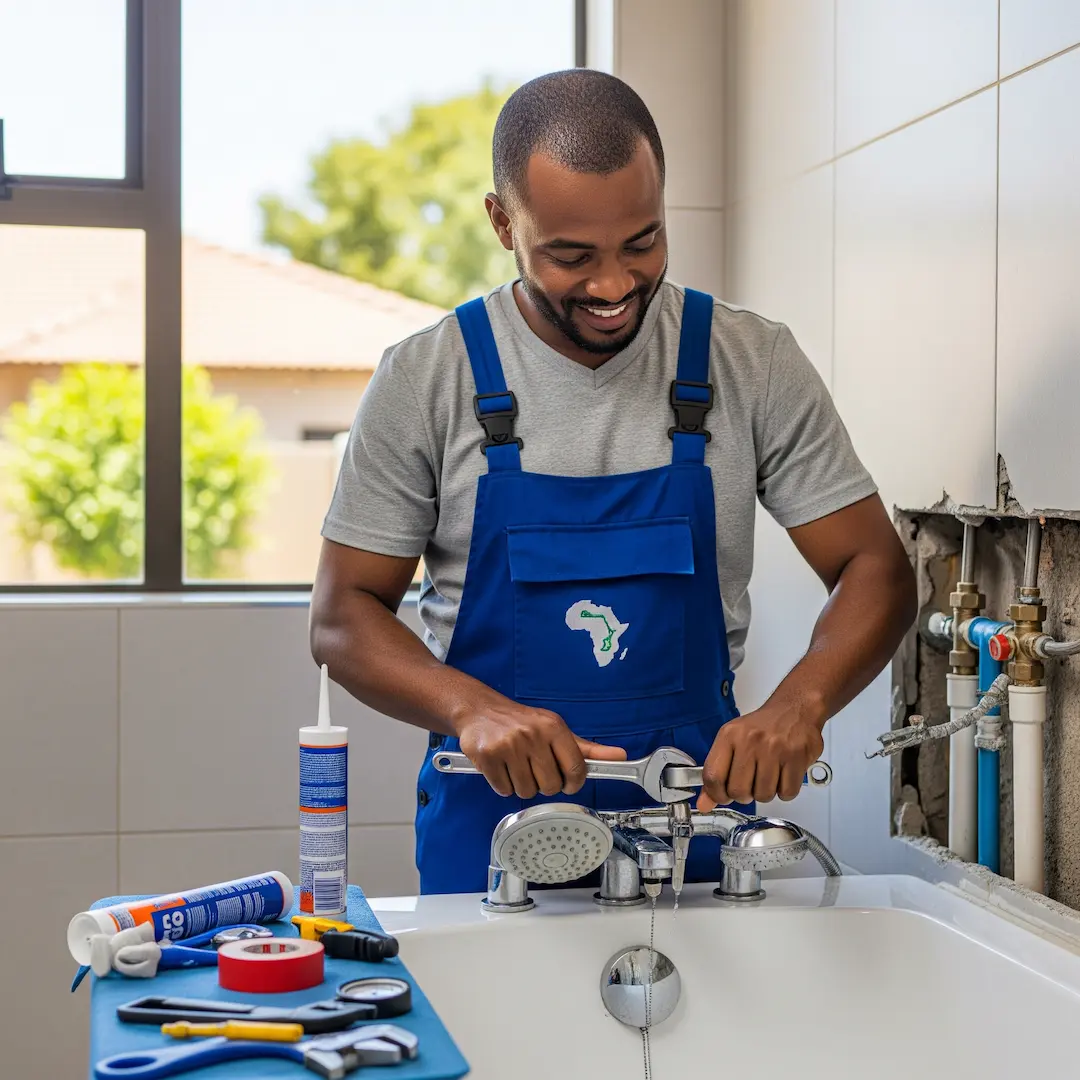
Your Shower is Fixed! Tips for Maintaining Water Pressure and Preventing Future Leaks in SA
Shower repaired? Learn simple maintenance tips to maintain strong water pressure, prevent future leaks, and keep your shower performing perfectly in South African homes.

Your Shower is Fixed! Tips for Maintaining Water Pressure and Preventing Future Leaks in SA
There’s nothing quite as frustrating as a shower that isn’t performing optimally, especially after you’ve just had it repaired. Whether it was a persistent drip, a frustratingly low water pressure, or a sudden leak, getting your shower back in working order is a relief. But the journey doesn't end there. To ensure your shower continues to deliver that refreshing blast and to prevent those pesky issues from returning, a bit of ongoing care is essential.
Our trusted plumbing experts often share valuable insights on how homeowners can extend the life of their shower repairs and maintain peak performance. It's all about understanding the subtle signs and taking proactive steps.
Understanding the Culprits: Why Showers Act Up
Before diving into maintenance, it’s helpful to understand what commonly goes wrong with showers in South Africa. From hard water challenges to general wear and tear, several factors contribute to issues.
- Hard Water Build-Up: Many areas in South Africa, particularly those drawing water from boreholes or certain municipal supplies, have what's known as "hard water." This means the water contains a high concentration of minerals like calcium and magnesium. Over time, these minerals can deposit as limescale inside showerheads, faucets, and even geysers, leading to reduced water flow and pressure.
- Worn Seals and Gaskets: Constant exposure to water, temperature fluctuations, and the natural aging process can cause rubber seals and gaskets within your shower mixer, taps, or showerhead to degrade. When these components fail, leaks are almost inevitable.
- Corrosion: Depending on the type of plumbing and the water quality, internal components can corrode. This can lead to weakened parts, blockages, and eventually, leaks or pressure drops.
- Improper Installation or Repair: While rare with professional plumbers, sometimes an improper initial installation or a patch-up repair can lead to recurring issues. This highlights the importance of using qualified professionals.
- High Water Pressure: Paradoxically, excessively high water pressure can also be detrimental, putting undue stress on pipes, fittings, and seals, leading to premature failure.
Maintaining Optimal Water Pressure: Keeping the Flow Strong
Low water pressure can turn a relaxing shower into a dribble. Here’s how to maintain that invigorating flow, straight from the experts:
1. Descale Your Showerhead Regularly
This is arguably one of the most crucial steps for homeowners in areas with hard water. Plumbers frequently encounter showerheads choked with limescale, drastically reducing water flow.
- The Vinegar Soak Method: This is a tried-and-tested method.
- Option 1 (Detachable Showerhead): Unscrew your showerhead and submerge it in a bowl filled with white vinegar overnight. In the morning, use an old toothbrush or a small brush to scrub away any loosened scale from the nozzles. Rinse thoroughly before reattaching.
- Option 2 (Non-Detachable Showerhead): Pour white vinegar into a plastic bag (a bread bag works well). Secure the bag around the showerhead with a rubber band, ensuring the showerhead is completely immersed in the vinegar. Leave it for several hours or overnight. Remove the bag and gently scrub the nozzles.
- Frequency: Depending on your water hardness, aim to do this every 2-3 months. You'll notice the difference immediately.
2. Check for Kinks in the Shower Hose
If you have a flexible shower hose, sometimes a simple kink can restrict water flow significantly. Our plumbers have often arrived at a call-out to find this is the root cause! Straighten out the hose and ensure it’s not twisted or bent sharply.
3. Inspect the Mixer Cartridge
Inside your shower mixer, there's a cartridge that controls the water flow and temperature. Over time, these can get clogged with sediment or become faulty. While this might require a plumber's touch to replace, being aware of it can help you describe the issue accurately if professional help is needed again. A noticeable drop in pressure specifically from the mixer, even after descaling the head, could point to this.
Preventing Future Leaks: Vigilance is Key
A repaired leak is good, but preventing new ones is even better. Here's how to stay ahead of potential problems:
1. Be Gentle with Fittings
This might sound obvious, but over-tightening taps or shower controls can stress internal components and seals, leading to premature wear. Apply just enough pressure to turn them off and on.
2. Avoid Harsh Chemical Cleaners
Many commercial bathroom cleaners contain harsh chemicals that can be corrosive to chrome finishes, rubber seals, and plastic components within your shower system. Our plumbing experts strongly advise against using abrasive cleaners or scouring pads directly on shower fittings.
- Recommended Cleaning: Stick to mild, pH-neutral bathroom cleaners or natural solutions like diluted white vinegar (for surfaces, not prolonged soaking on metal finishes unless specifically for limescale removal as above) and baking soda. Always rinse thoroughly with water after cleaning. This helps preserve the integrity of seals and finishes, extending their lifespan.
3. Regularly Inspect for Early Signs of Leaks
After a repair, keep a close eye on the area. Leaks often start small and can go unnoticed until significant damage occurs.
- Look for Dampness: Check around the base of the shower, where the mixer is installed, and along the grout lines for any signs of dampness, discolouration, or mould growth.
- Feel for Drips: After showering, feel around the pipes and connections behind the wall (if accessible, e.g., in an inspection panel) or beneath the shower tray.
- Listen for Dripping Sounds: Even a faint, consistent dripping sound when the shower isn't in use can indicate a slow leak.
- Check Grout and Silicone: Over time, grout can crack and silicone seals around the shower screen or tray can degrade. These provide pathways for water to escape. Re-grouting or re-applying silicone sealant periodically (often every few years) is a vital preventative measure. A plumber often includes this in their scope during a repair, but it's important to monitor it afterwards.
4. Monitor Your Water Bill
A sudden, unexplained spike in your water bill could be a silent indicator of a hidden leak, even if you can't see it. This is a common method plumbers use to help homeowners identify undetected leaks in their plumbing system.
5. Consider a Pressure Reducing Valve (PRV)
If your home experiences excessively high water pressure, especially during off-peak hours, a pressure reducing valve can be a wise investment. This device regulates the incoming water pressure to a safe level, protecting all your plumbing fixtures, including your shower, from unnecessary strain and extending their lifespan. This is particularly relevant in some older South African suburbs or areas with direct municipal feed.
When to Call the Pros
While these maintenance tips go a long way, some issues will always require the skill of a qualified plumber. If you notice:
- A significant drop in water pressure that doesn't improve with descaling.
- Persistent leaks despite your best efforts to seal obvious points.
- Water damage signs (ceiling stains below the bathroom, bubbling paint).
- Unusual noises from your pipes when the shower is in use.
- A cold shower when it should be hot, indicating a geyser issue related to the shower.
These are all strong indicators that it's time to call in a plumbing professional. Attempting complex repairs yourself, especially involving water lines or geysers, can be dangerous and lead to further, more costly damage. Adhering to South African National Standards (SANS) for plumbing work is crucial for safety and efficacy.
By incorporating these simple yet effective maintenance practices into your routine, you'll not only enjoy a consistently great shower experience but also significantly reduce the likelihood of future repairs, saving you time, money, and hassle in the long run.
Frequently Asked Questions
How often should I descale my showerhead?
It depends on the hardness of your water. In areas with very hard water, descaling every 2-3 months is recommended. In areas with softer water, every 6 months might suffice. You'll notice reduced water flow as the primary sign that it's time to descale.
Can I use a strong drain cleaner to clear a slow shower drain?
While chemical drain cleaners can be effective for minor clogs, they often contain harsh chemicals that can corrode pipes and seals over time, especially in older plumbing systems. For persistent clogs, it's safer and more effective to use a drain snake or call a plumber.
What's the best way to clean shower tiles and grout to prevent mould?
Regular cleaning with a mild, pH-neutral bathroom cleaner and a soft brush is key. Ensure proper ventilation in your bathroom after showering by opening a window or running an extractor fan. For stubborn mould, a solution of diluted bleach (1 part bleach to 10 parts water) can be used, but always test it in an inconspicuous area first and ensure good ventilation.
How can I tell if a shower leak is coming from the pipes behind the wall or the shower unit itself?
Often, if the leak is from the shower unit (e.g., faulty seals around the tray or screen), you'll see water pooling directly on the bathroom floor or staining adjacent walls at a lower level. If the leak is from pipes behind the wall, you might notice water stains on the ceiling below the bathroom or dampness on walls that are not directly next to the shower unit. A consistently dripping sound from within the wall can also indicate a hidden pipe leak.
Suzette Meyer is the lead author and content creator for Kandua.com, South Africa’s #1 marketplace for home services. Suzette has made it her mission to help homeowners with advice on all aspects of home repair, maintenance and improvement, including how to choose the right Pro and how to make smart upgrades that improve your resale value or save costs.

Related articles, advice and more
.webp)
What Does a Plumbing Call-Out Fee Usually Include?
When that familiar drip-drip-drip starts under the kitchen sink or your geyser begins a slow weep in the ceiling, the first thing most South African homeowners do is pick up the phone. But before a wrench even touches a pipe, you’ll likely hear the term "call-out fee."
.jpg)
How to Choose Between Repair and Replacement for Your Geyser
Deciding between repairing and replacing isn't just about the immediate price tag. It is about safety, long-term electricity savings, and compliance with South African building regulations. Based on insights from vetted plumbers across Johannesburg, Cape Town, and Durban, this guide will help you navigate that decision with confidence.
.jpg)
What to Do If Your Electric Problem Comes Back After Repair
There are few things more frustrating than paying for a repair only to have the lights flicker, the breaker trip, or the plug point fail again a few days later. Here is a step-by-step guide to handling the situation professionally, safely, and effectively to get it sorted out for good.
.jpg)
Understanding Geyser Warranties in South Africa
For most South African households, the geyser is the hardest-working appliance in the home. To help you protect your investment, we have broken down exactly how Geyser warranties work in South Africa, drawing on insights from qualified plumbers who handle rejected claims daily.
.webp)
How Hard Water Damages Your Plumbing (and What to Do About It)
If you suspect you have hard water, you are in the "awareness" stage of a very important journey for your home's maintenance. Ignoring it can lead to burst geysers and clogged pipes. This guide, compiled with insights from top local plumbers, will explain exactly how hard water affects your plumbing and the practical steps you can take to fix it.
.webp)
.webp)
.webp)
Latest articles, advice and more
.webp)
How To Fix A Damp Wall And What's Actually Causing It
If your walls are weeping, your plaster is flaking, or you can smell that musty, damp smell, you're not dealing with one problem; you're dealing with three possible ones. The fix depends entirely on the cause.
.webp)
Gutter Cleaning: How Often Should You Do It and What Does It Cost?
Clean your gutters at least twice a year, and always before your rainy season kicks in. In South Africa, a professional gutter clean usually costs somewhere between R450 and R2,500, depending on the size of your home, how high the roof is, and how blocked things have become. Here is how to work out the right frequency and a fair price.
.webp)
Why Are My Plug Points Not Working? A Troubleshooting Guide
If your plug points have suddenly gone dead, the usual culprits are a tripped earth leakage switch, a tripped circuit breaker, loose or burnt wiring, or a faulty appliance overloading the circuit. Work through the safety checks below before you call anyone, then understand when the job requires a registered electrician.
.webp)
How a Geyser Timer Can Cut Your Electricity Bill
If you've been staring at your Eskom bill and wondering where the money is going, your geyser might be the culprit. Here's the good news: a simple geyser timer can cut your hot water costs by up to 30% each month, which typically saves South African homeowners between R200 and R400 on their electricity bills, depending on their current usage.
%20(1).webp)
How To Treat and Paint Over Damp Walls (So It Doesn't Come Back)
You've noticed a patch on the bedroom wall: discoloured and maybe a bit soft to the touch, and you're wondering if a fresh coat of paint will simply cover the problem. The short answer: no, it won't. But the good news is that understanding what's happening beneath that stain, and treating it properly, is far simpler than you might think.
.webp)
Beyond the Unboxing: A Detailed Guide to Correct Washing Machine Plumbing & Setup
New washing machine in South Africa? Learn essential plumbing and setup tips to prevent leaks, ensure efficient operation, and extend your appliance’s lifespan - expert advice before your first load.
.webp)
New Washing Machine? Don't Plug It In Yet! Essential Installation Tips for SA Homes
Installing a new washing machine? Learn the essential setup steps South African homeowners often overlook to prevent leaks, noise, and damage—and ensure efficient, long-lasting performance from day one.
%20(1).webp)
.webp)
TV Repair Costs in South Africa: Diagnosing Screen, Power & Component Issues
Find out what TV repairs really cost in South Africa – from call-out and diagnosis fees to screen, power and main board fixes – and when it’s cheaper to replace your TV instead of repairing it.
.webp)
Septic Tank Leak Repair Cost in South Africa: Addressing Odours & Environmental Hazards
Learn typical septic tank leak repair costs in South Africa, what drives the price up, how to spot early warning signs (odours, soggy ground, backups), and when it’s safer and cheaper to get a professional in.
How to Install a Horizontal Geyser | Step-by-Step Pro Guide
Want to install a geyser like a pro? This step-by-step tutorial shows you exactly how to do a horizontal Ariston Axios geyser installation, straight from the BluLever plumbing workshop. 🎥 Hosted by MK, BluLever’s technical facilitator, and supported by a qualified electrician, Life and a BluLever graduate artisan, Zinhle. This is your ultimate guide to a SANS 10254-compliant installation — from preparing the wall, to plumbing, electrical wiring, and pro troubleshooting tips.
How to Maintain a Geyser | Step-by-Step Pro Guide
Want to maintain a geyser like a pro? This step-by-step tutorial shows you exactly how to do the three core geyser maintenance checks on an Ariston Axios geyser installation, straight from the BluLever plumbing workshop. 🎥 Hosted by MK, BluLever’s technical facilitator, and supported by a qualified electrician, Life. This is your ultimate guide to geyser maintenance — from diagnosing the problem to checking the heat regulation of the geyser, to pressure regulation and then finally corrosion protection.
%201.avif)
Not just another newsletter. It's an advantage


From problem to solved.


.svg)


.avif)
.avif)
.avif)


.avif)