
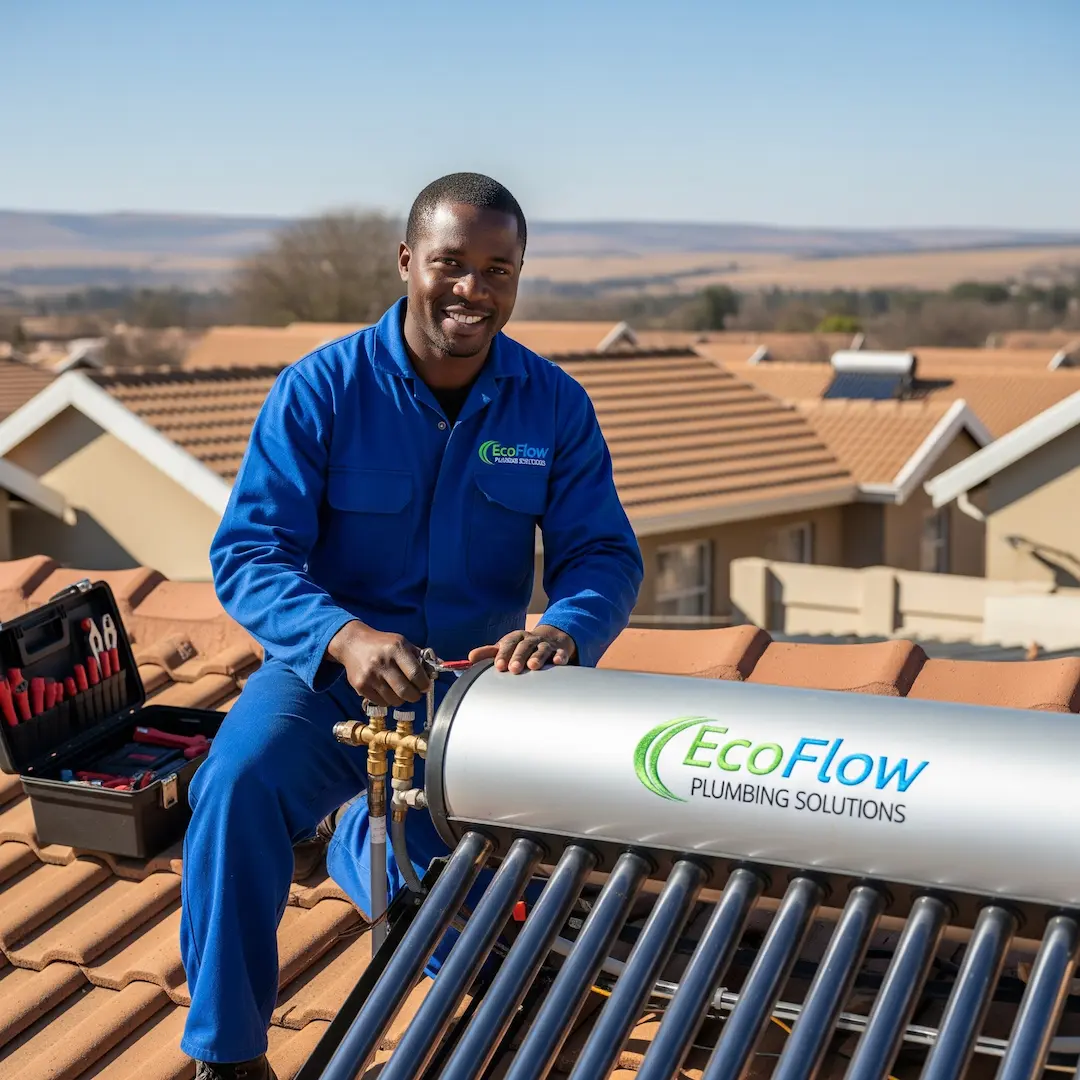
Your Solar Geyser is Back! How to Keep It Running Efficiently After Repair in SA
Solar geyser repaired? Learn essential post-repair maintenance tips to keep it efficient, extend its lifespan, and avoid future breakdowns - expert advice every South African homeowner should read.

Your Solar Geyser is Back! How to Keep It Running Efficiently After Repair in SA
It's a huge relief when your solar geyser is back up and running, providing hot water efficiently. But the repair is just one part of the journey. To ensure you get the most out of your investment and avoid future issues, understanding post-repair care and ongoing maintenance is crucial. Our expert service providers often share valuable insights on how homeowners can proactively keep their solar geysers in top condition, especially after a specific component has been repaired.
Understanding Your Solar Geyser System
Before diving into post-repair care, it’s helpful to have a basic understanding of your solar geyser system. In South Africa, common systems include:
- Flat Plate Collectors: These typically sit on your roof and absorb sunlight, heating water that then circulates to a storage tank.
- Evacuated Tube Collectors: These use vacuum-sealed glass tubes to capture solar energy, offering excellent insulation and efficiency, especially in cooler conditions.
- Circulation Systems: These can be direct (water circulates directly through the collector) or indirect (a heat transfer fluid circulates through the collector, heating the water in the tank via a coil).
Knowing which type of system you have can help you understand the advice better and communicate more effectively with professionals if future issues arise.
Immediate Post-Repair Checks and Monitoring
Once your solar geyser has been repaired, it's not simply a case of "set it and forget it." A bit of vigilance in the days and weeks following the repair can help confirm the fix was successful and identify any lingering or new issues.
Our professionals often recommend the following:
- Listen to Your Pump (If Repaired or Relevant): If your repair involved the circulation pump, pay close attention to its operation. A healthy pump should typically run smoothly with a consistent, low hum. Any new or unusual noises – like grinding, squealing, or intermittent operation – could indicate an issue. One of our plumbers recounted a situation where a homeowner called back a week after a pump replacement because they noticed a faint rattling sound. It turned out to be a minor airlock, easily resolved, but catching it early prevented potential damage.
- Monitor Water Temperature and Consistency: Is the water reaching the desired temperature? Is it consistently hot, or are there fluctuations? Pay attention to the time of day and the amount of sunlight. If you notice a significant drop in temperature or inconsistent heating, it's a sign that the system might not be performing optimally.
- Check for Leaks: Even if the repair wasn't directly leak-related, always double-check all connections, pipes, and the geyser tank itself for any signs of dripping or moisture. This is especially important if pipes were disconnected or reconnected during the repair. Look for water stains on ceilings, walls, or around the geyser itself.
- Observe Pressure Gauge (If Applicable): Some solar geyser systems have a pressure gauge. If yours does, monitor it to ensure the pressure remains within the manufacturer's recommended range. Sudden drops or spikes could indicate a problem.
- Check Electrical Connections (If Relevant): If the repair involved electrical components (like a thermostat or element backup), ensure the circuit breaker isn't tripping and that the backup element is engaging correctly when needed (e.g., on cloudy days).
Ongoing Maintenance for Long-Term Efficiency
Beyond the immediate post-repair monitoring, regular maintenance is key to extending the life of your solar geyser and keeping it running efficiently.
Annual Servicing: Your Best Defence
Think of your solar geyser like your car – it needs regular servicing. Our experts strongly advise an annual service by a qualified solar geyser technician. During this service, they typically:
- Inspect and Clean Collectors: Dust, grime, bird droppings, and even hard water stains can accumulate on solar collectors, reducing their efficiency. A professional clean ensures maximum solar absorption.
- Check and Top Up Heat Transfer Fluid: For indirect systems, the heat transfer fluid can degrade or evaporate over time. Ensuring adequate levels and good quality fluid is vital for efficient heat exchange.
- Examine Pipework and Insulation: Over time, insulation can degrade, and pipes can develop minor leaks. A thorough inspection helps identify and rectify these issues before they become major problems.
- Test Pressure Relief Valves and Safety Components: These are crucial for the safe operation of your geyser. Regular testing ensures they are functioning correctly.
- Inspect Sacrificial Anode: In many geysers, a sacrificial anode prevents corrosion of the tank. This anode needs to be checked and replaced periodically. Neglecting this can significantly shorten your geyser's lifespan.
- Assess Electrical Backup System: The electrical element and thermostat should be tested to ensure they are operating correctly for those times when solar alone isn't sufficient.
DIY Tips (Proceed with Caution!)
While professional servicing is non-negotiable, there are a few simple things homeowners can do to contribute to their solar geyser's health:
- Keep Collectors Clear: Safely clear any leaves, branches, or obvious debris from your solar collectors. For basic cleaning, use a soft cloth and plain water. Never use abrasive cleaners or high-pressure washers, as these can damage the collector surface. Only attempt this if you can safely access the roof without risk of falling. If access is difficult or involves heights, always call a professional.
- Monitor for Shading: As trees grow or new structures are built, they can cast shadows on your collectors, reducing efficiency. Periodically check for new sources of shading, especially during different times of the day.
- Listen and Look: Continue to be observant. If you hear unusual noises, notice strange smells, or see any drips or puddles, investigate immediately or call a professional. Early detection can save you significant repair costs down the line.
Important Disclaimer: Attempting any repairs or complex maintenance yourself without the proper knowledge, tools, and safety equipment can be extremely dangerous, leading to electric shock, burns, falls, or damage to your expensive solar geyser system. Always consult with a qualified and experienced professional for anything beyond basic visual checks and safe surface cleaning.
Troubleshooting Common Post-Repair Issues (and when to call an expert)
Even after a repair, sometimes new or recurring issues can crop up. Here's a quick guide to some common problems and what they might indicate:
- No Hot Water or Not Hot Enough:Possible Causes: Insufficient sunlight, fault with the backup element, sensor issue, circulation problem (e.g., airlock, pump failure), or collector blockage.
- When to Call: If the problem persists for more than a day of good sunlight, or if your electrical backup isn't working.
- Leaking Water:Possible Causes: Loose connection, cracked pipe, faulty pressure relief valve, or a leak in the tank or collector.
- When to Call: Immediately! Even a small leak can cause significant water damage and is a sign of a compromised system.
- Strange Noises from the System:Possible Causes: Air in the system, failing pump, expansion/contraction noises, or sediment build-up.
- When to Call: If the noises are persistent, loud, or accompanied by a lack of hot water.
- High Electricity Bills (Despite Having a Solar Geyser):Possible Causes: Backup element running too frequently, inefficient circulation, or solar collectors not performing optimally.
- When to Call: If your electricity bill suddenly spikes without a change in usage patterns, it suggests your solar component isn't pulling its weight.
Conclusion
Your solar geyser is a significant investment in energy efficiency and long-term savings. By taking a proactive approach to post-repair care and regular maintenance, you can ensure its continued efficient operation and extend its lifespan. Listening to the advice from our expert service providers and being vigilant about your system's performance will empower you to enjoy reliable hot water for years to come.
Frequently Asked Questions
How often should my solar geyser be serviced?
It is generally recommended to have your solar geyser professionally serviced at least once a year to ensure optimal performance, prevent issues, and extend its lifespan.
What are the signs that my solar geyser needs professional attention?
Key signs include a significant decrease in hot water temperature or quantity, visible leaks, unusual noises coming from the system or pump, a persistently tripping circuit breaker related to the geyser, or unexplained increases in your electricity bill.
Can I clean my solar geyser collectors myself?
You can safely wipe down accessible solar collectors with a soft cloth and plain water to remove dust and light debris. However, for thorough cleaning, especially if there are stubborn stains or if collectors are difficult to access, it's best to call a professional technician to avoid damage and ensure safety.
My solar geyser works well on sunny days but struggles on cloudy days. Is this normal?
Yes, it's normal for a solar geyser's performance to decrease on heavily overcast or rainy days as there is less solar radiation. Most solar geysers are equipped with an electrical backup element to provide hot water during these periods. If it consistently struggles even with the backup on, it might indicate an issue with the backup element or thermostat.
Find a vetted plumber near you
Solar geyser repairs: find a pro near you
Suzette Meyer is the lead author and content creator for Kandua.com, South Africa’s #1 marketplace for home services. Suzette has made it her mission to help homeowners with advice on all aspects of home repair, maintenance and improvement, including how to choose the right Pro and how to make smart upgrades that improve your resale value or save costs.

Latest articles, advice and more
.webp)
.webp)
.jpeg)
Sinking Pavers, Weeds and Water That Pools: What Your Driveway Is Telling You
When your driveway starts sprouting weeds, pooling water, or sinking in patches, the bricks are not failing you. The layers underneath have moved, and they are trying to tell you exactly what went wrong.
.jpeg)
What Your Garage Door Motor Actually Does (And Why It Breaks)
Spoiler alert: your garage door motor isn't actually doing the heavy lifting. The torsion springs carry almost all the weight. The motor simply pushes, pulls, controls the descent so it doesn't slam, and acts as a lock when the door is shut. That’s why a relatively small box on your ceiling can move such a massive door. Want to test this? Pull the red manual release cord and lift the door by hand. If it glides up easily and stays put when you let go, your springs are doing their job, and the fault lies with the motor. If the door feels like dead weight or slams back down- stop. You’ve got a spring problem.
.jpeg)
4 Warning Signs Your Tiles Are Failing (And What They Mean)
Tiles rarely fail overnight. They warn you first. A hollow sound underfoot, grout that crumbles away, a tile that lifts at one edge, or a crack that runs across two tiles all point to something happening under the surface. Here is what each sign means, and how urgent it is.
.webp)
.webp)
Beyond the Unboxing: A Detailed Guide to Correct Washing Machine Plumbing & Setup
New washing machine in South Africa? Learn essential plumbing and setup tips to prevent leaks, ensure efficient operation, and extend your appliance’s lifespan - expert advice before your first load.
.webp)
New Washing Machine? Don't Plug It In Yet! Essential Installation Tips for SA Homes
Installing a new washing machine? Learn the essential setup steps South African homeowners often overlook to prevent leaks, noise, and damage—and ensure efficient, long-lasting performance from day one.
.webp)
.webp)
%25201200%2520x%25201200%2520(1).jpeg)
What Retiling a Bathroom Costs in 2026, Room by Room
Retiling a bathroom in South Africa costs between R230 and R800 per square metre in 2026, including materials and labour. A standard family bathroom, stripped and fully retiled, usually lands between R11,800 and R27,500. A guest toilet costs a fraction of that. A large porcelain en-suite costs a lot more.
How to Install a Horizontal Geyser | Step-by-Step Pro Guide
Want to install a geyser like a pro? This step-by-step tutorial shows you exactly how to do a horizontal Ariston Axios geyser installation, straight from the BluLever plumbing workshop. 🎥 Hosted by MK, BluLever’s technical facilitator, and supported by a qualified electrician, Life and a BluLever graduate artisan, Zinhle. This is your ultimate guide to a SANS 10254-compliant installation — from preparing the wall, to plumbing, electrical wiring, and pro troubleshooting tips.
How to Maintain a Geyser | Step-by-Step Pro Guide
Want to maintain a geyser like a pro? This step-by-step tutorial shows you exactly how to do the three core geyser maintenance checks on an Ariston Axios geyser installation, straight from the BluLever plumbing workshop. 🎥 Hosted by MK, BluLever’s technical facilitator, and supported by a qualified electrician, Life. This is your ultimate guide to geyser maintenance — from diagnosing the problem to checking the heat regulation of the geyser, to pressure regulation and then finally corrosion protection.
%201.avif)
Not just another newsletter. It's an advantage