
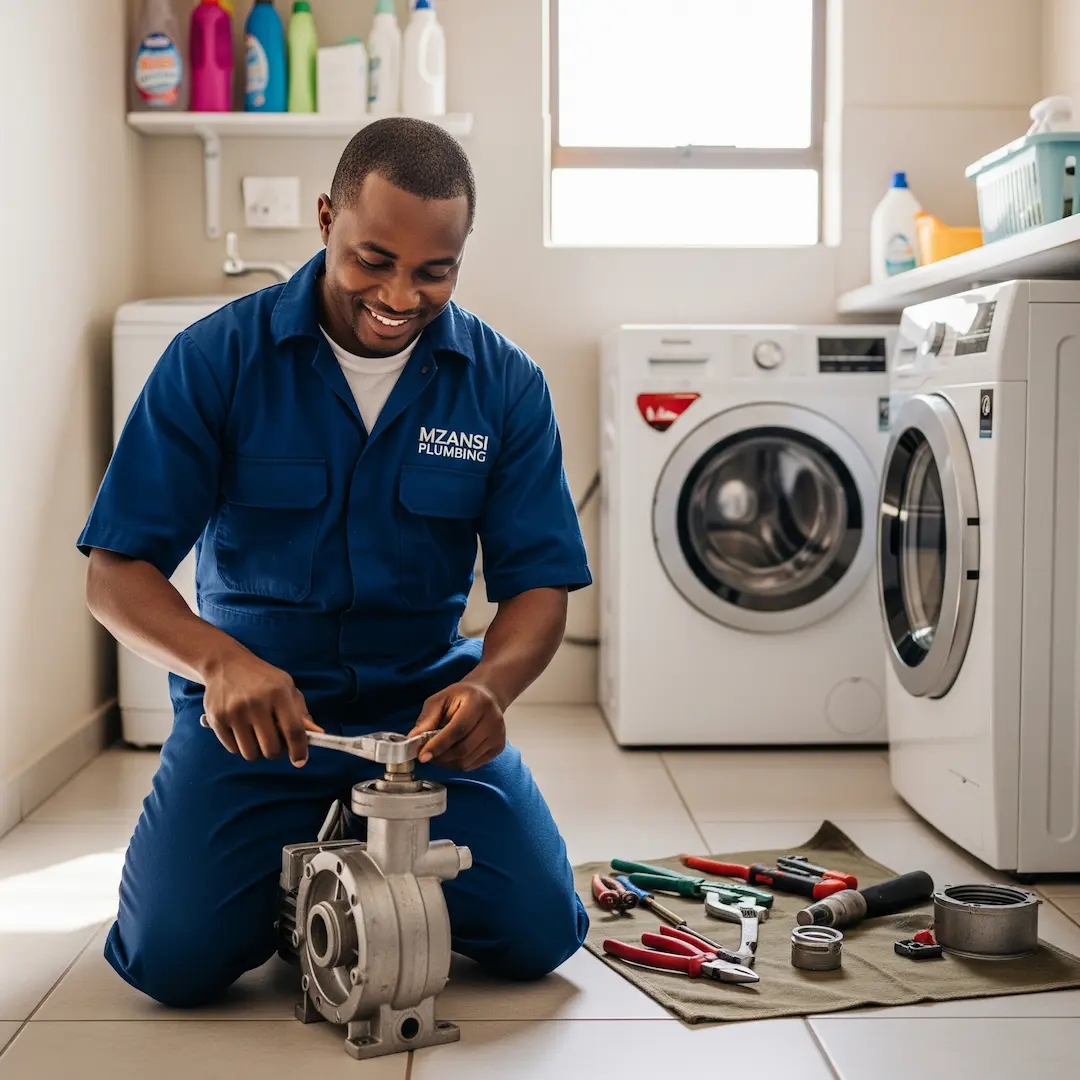
Your Water Pump is Running Again! Essential Checks for Continued Performance in SA
Water pump working again? Discover essential post-repair checks and expert maintenance tips to ensure long-term performance, efficiency, and fewer breakdowns in South African homes.

Your Water Pump is Running Again! Essential Checks for Continued Performance in SA
It's a huge relief when your water pump, after a hiccup, is up and running smoothly again. Whether it’s supplying water to your home from a borehole, boosting pressure, or managing greywater, a well-functioning pump is crucial for daily convenience in many South African households. But getting it repaired is only half the battle; ensuring its long-term health and efficiency requires a proactive approach.
Here, we'll dive into essential checks and maintenance tips directly from seasoned plumbing professionals across South Africa to help you keep your water pump performing optimally and avoid future breakdowns.
The Importance of Post-Repair Vigilance
Think of your water pump like an athlete recovering from an injury. While the immediate issue might be fixed, the surrounding systems and ongoing performance need careful monitoring to prevent a relapse. Our experts often see that neglecting post-repair observation can lead to recurring problems or even new ones down the line. A few simple checks can save you significant hassle and cost in the long run.
What to Monitor After Your Water Pump Repair
Even if your pump seems to be working perfectly, it’s wise to keep an eye (and ear) on a few key indicators.
Listen Up: Monitoring Pump Noise
One of the first things plumbers listen for during a service call is unusual pump noise. After a repair, pay close attention to the sounds your pump makes.
- Normal vs. Abnormal: A healthy pump typically emits a consistent, low hum. Any sudden changes – a new grinding, whining, rattling, or excessively loud operation – could indicate an underlying issue. For example, one professional recounted a recent job where a homeowner noticed a faint, high-pitched whine after a motor bearing replacement. It turned out to be a slight misalignment that, if left unaddressed, could have caused significant damage to the new bearing.
- Intermittent Noises: If the pump makes strange noises only occasionally, it might be an early warning sign of wear and tear, perhaps a partially blocked impeller or an issue with the motor windings. Jot down when you hear these noises and what the pump is doing at the time (e.g., just starting, running under heavy load).
Pressure Points: Checking for Consistent Water Pressure
Your water pump's primary job is to move water, often under pressure. Inconsistent pressure or flow after a repair can be a red flag.
- Steady Flow: When you open a tap, the water flow should be strong and consistent. If you notice the pressure fluctuating significantly – for instance, it's strong for a few seconds then weakens, or cycles between strong and weak – this could suggest issues with the pump's pressure switch, a partially clogged filter, or even air in the system.
- Start-Stop Cycling: Does your pump switch on and off frequently even when no water is being used? This "short cycling" is a common symptom of a pressure tank issue, a leaking pipe in the system, or a faulty pressure switch. It not only wastes energy but also puts unnecessary strain on the pump motor, drastically shortening its lifespan. A plumber once shared a case where a customer's pump was short cycling due to a pinhole leak in an unseen pipe underground, causing the pressure to drop subtly and trigger the pump repeatedly.
Keep it Clean: The Pump's Environment
The area around your water pump might seem insignificant, but its cleanliness and accessibility play a vital role in the pump's long-term health.
- Clear the Clutter: Ensure the pump area is free from debris, dust, and any obstructions that could hinder airflow around the motor. Good ventilation prevents overheating, which is a major cause of pump failure.
- Check for Leaks: Visually inspect the pump and surrounding pipes regularly for any signs of water leaks. Even a small drip can indicate a seal problem, a loose connection, or a developing crack. Promptly addressing these can prevent more extensive water damage and pump component corrosion.
- Pest Control: Rodents and insects can damage wiring or clog ventilation openings. Keeping the area tidy helps deter them.
Routine Checks for Ongoing Efficiency
Beyond immediate post-repair monitoring, incorporating a few routine checks into your maintenance schedule can significantly extend your pump's life.
- Filter and Strainer Cleaning: Many pumps have inline filters or strainers to prevent debris from entering the pump mechanism. Depending on your water source (borehole water tends to have more sediment), these can clog over time. Refer to your pump's manual for recommended cleaning intervals, but a visual check every few months is a good practice. A blocked filter forces your pump to work harder, leading to inefficiency and premature wear.
- Check Electrical Connections: While electrical work should only be handled by a qualified electrician, a visual check for any loose, frayed, or corroded wiring around the pump's external connections is always a good idea. If you notice anything amiss, call a professional immediately. All electrical installations must adhere to the South African National Standards (SANS) regulations for safety.
- Pressure Tank Inspection (if applicable): If your system includes a pressure tank, check its air pressure annually (when the pump is off and the system is depressurised) using a tyre gauge. The pressure should typically be 2 PSI below the pump's cut-in pressure. This ensures the tank is effectively doing its job of maintaining system pressure and reducing pump cycles.
When to Call in the Experts Again
While DIY vigilance is important, knowing when to call a professional plumber is crucial.
- Persistent Issues: If any of the problems mentioned above (unusual noises, inconsistent pressure, frequent cycling) persist despite your general checks, it's time to call in an expert. These could be symptoms of more complex mechanical or electrical faults that require specialised tools and knowledge to diagnose and repair.
- Sudden Performance Drop: A sudden, unexplained drop in performance, like significantly reduced flow or complete pump failure, warrants immediate professional attention.
- Visible Damage: Any visible damage to the pump casing, pipes, or electrical components should be addressed by a qualified professional without delay.
- Scheduled Maintenance: Consider scheduling an annual or bi-annual professional check-up, especially for high-use pumps or those critical to your home's water supply. Professional plumbers can identify potential issues before they escalate, often performing preventative maintenance like seal lubrication, bearing checks, and electrical system evaluations.
Addressing minor issues proactively, rather than waiting for a complete breakdown, is a piece of advice we hear repeatedly from experienced plumbers. What might seem like a small anomaly today could become a costly repair tomorrow. By staying attentive to your pump’s performance and knowing when to call in the professionals, you can ensure your water supply remains consistent and reliable for years to come.
Frequently Asked Questions
What causes a water pump to make loud noises after it’s been repaired?
Loud noises after a repair can be caused by several factors, including loose mounting bolts, worn bearings (if not replaced during the repair), cavitation (air in the system), or an unbalanced impeller. Sometimes, new components might need to "settle in," but persistent or worsening noise usually indicates an issue.
How often should I clean the filter or strainer on my water pump?
The frequency depends heavily on your water source and the amount of sediment in the water. For borehole water, it might be necessary to check and clean the filter every few months. For municipal water, less frequent checks (e.g., twice a year) might suffice. Always refer to your pump's specific manual for manufacturer recommendations.
Can I repair my water pump myself if it breaks down again?
While some minor issues might seem DIY-friendly, most water pump repairs require specific tools, diagnostic skills, and knowledge of plumbing and electrical systems. Attempting complex repairs without the proper expertise can lead to further damage to the pump, void its warranty, and potentially create hazardous electrical or water leak situations. It's always best to consult a qualified plumber.
What are the signs that my water pump's pressure tank needs attention?
Signs that your pressure tank might need attention include the pump cycling on and off very frequently (short cycling), inconsistent water pressure (surging), or the pump running even when no water is being used. These often indicate a loss of air pressure in the tank's bladder or a faulty bladder.
Find a vetted plumber near you
Pumps installation and repair: find a pro near you
- Pumps installation and repair near you
- Pumps installation and repair in Johannesburg
- Pumps installation and repair in Sandton
- Pumps installation and repair in Midrand
- Pumps installation and repair in Roodepoort
- Pumps installation and repair in Randburg
- Pumps installation and repair in Pretoria
- Pumps installation and repair in Cape Town
Suzette Meyer is the lead author and content creator for Kandua.com, South Africa’s #1 marketplace for home services. Suzette has made it her mission to help homeowners with advice on all aspects of home repair, maintenance and improvement, including how to choose the right Pro and how to make smart upgrades that improve your resale value or save costs.

Latest articles, advice and more
.webp)
.webp)
.webp)
.webp)
.jpeg)
Sinking Pavers, Weeds and Water That Pools: What Your Driveway Is Telling You
When your driveway starts sprouting weeds, pooling water, or sinking in patches, the bricks are not failing you. The layers underneath have moved, and they are trying to tell you exactly what went wrong.
.webp)
.webp)
Beyond the Unboxing: A Detailed Guide to Correct Washing Machine Plumbing & Setup
New washing machine in South Africa? Learn essential plumbing and setup tips to prevent leaks, ensure efficient operation, and extend your appliance’s lifespan - expert advice before your first load.
.webp)
New Washing Machine? Don't Plug It In Yet! Essential Installation Tips for SA Homes
Installing a new washing machine? Learn the essential setup steps South African homeowners often overlook to prevent leaks, noise, and damage—and ensure efficient, long-lasting performance from day one.
.webp)
.webp)
%25201200%2520x%25201200%2520(1).jpeg)
What Retiling a Bathroom Costs in 2026, Room by Room
Retiling a bathroom in South Africa costs between R230 and R800 per square metre in 2026, including materials and labour. A standard family bathroom, stripped and fully retiled, usually lands between R11,800 and R27,500. A guest toilet costs a fraction of that. A large porcelain en-suite costs a lot more.
How to Install a Horizontal Geyser | Step-by-Step Pro Guide
Want to install a geyser like a pro? This step-by-step tutorial shows you exactly how to do a horizontal Ariston Axios geyser installation, straight from the BluLever plumbing workshop. 🎥 Hosted by MK, BluLever’s technical facilitator, and supported by a qualified electrician, Life and a BluLever graduate artisan, Zinhle. This is your ultimate guide to a SANS 10254-compliant installation — from preparing the wall, to plumbing, electrical wiring, and pro troubleshooting tips.
How to Maintain a Geyser | Step-by-Step Pro Guide
Want to maintain a geyser like a pro? This step-by-step tutorial shows you exactly how to do the three core geyser maintenance checks on an Ariston Axios geyser installation, straight from the BluLever plumbing workshop. 🎥 Hosted by MK, BluLever’s technical facilitator, and supported by a qualified electrician, Life. This is your ultimate guide to geyser maintenance — from diagnosing the problem to checking the heat regulation of the geyser, to pressure regulation and then finally corrosion protection.
%201.avif)
Not just another newsletter. It's an advantage