
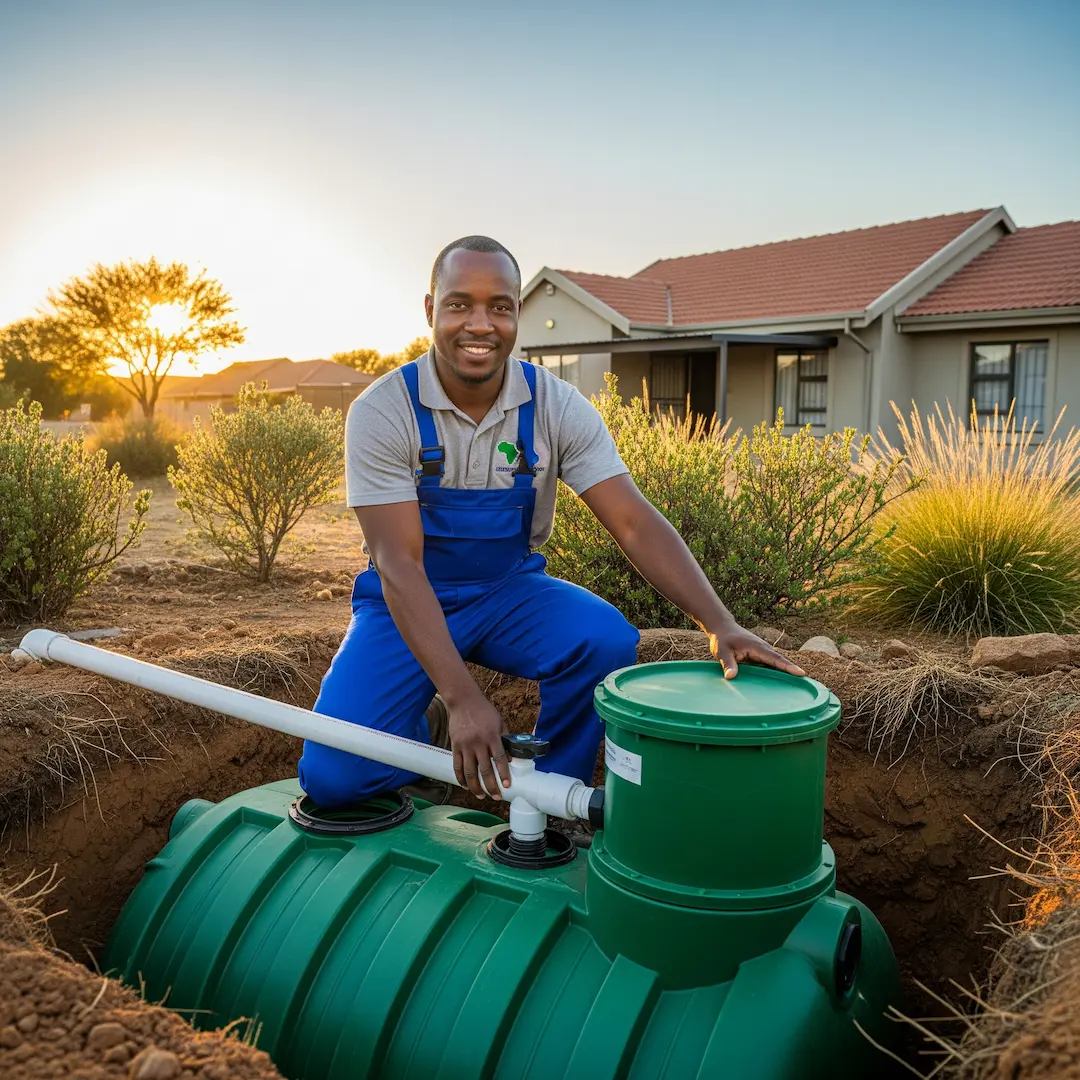
Caring for Your New Septic Tank System in SA: Essential Do's and Don'ts for Longevity
New septic tank installed in South Africa? Learn essential do’s and don’ts for proper care, preventing blockages, avoiding costly failures, and ensuring your system lasts for decades.

Caring for Your New Septic Tank System in SA: Essential Do's and Don'ts for Longevity
So, you've just had a new septic tank system installed on your property. Congratulations! You've made a smart investment in an efficient, self-contained wastewater solution. But the journey doesn't end with the installation. To ensure your septic system serves you reliably for decades, especially with South Africa's diverse climates and soil conditions, proper care and maintenance are absolutely crucial. Think of it like a car – regular servicing keeps it running smoothly.
Many homeowners often underestimate the importance of mindful usage when it comes to septic systems. Our plumbing experts often share stories of call-outs that could have been avoided with a little preventative care. From overflowing tanks to sluggish drains, the issues often stem from a lack of understanding about what a septic system can and cannot handle. This guide will walk you through the essential do's and don'ts to keep your new septic tank thriving, based on the practical wisdom of seasoned professionals across Mzansi.
Understanding Your Septic System's Core Function
Before diving into the specifics of care, let's quickly recap how your septic system works. It’s a mini-wastewater treatment plant right in your backyard. Wastewater from your home flows into the septic tank, where solids settle to the bottom (forming sludge) and lighter materials like grease and oil float to the top (forming a scum layer). Naturally occurring bacteria in the tank break down some of these solids. The remaining liquid effluent then flows out of the tank and into a drain field (also known as a leach field or soakaway), where it percolates through the soil, getting further treated before rejoining the groundwater.
The key takeaway? Your septic system relies on a delicate balance of bacterial activity and proper drainage. Anything that disrupts this balance can lead to costly problems.
The Essential Do's for Septic Tank Longevity
Following these guidelines will significantly extend the life of your septic system and help you avoid unnecessary headaches and expenses.
1. Be Mindful of What Goes Down the Drain
This is perhaps the most critical aspect of septic system care. Your septic tank is designed to handle human waste and toilet paper, not a wide array of household items. Our experts consistently highlight this as the number one cause of septic system failures.
- Do flush only human waste and approved toilet paper. Look for toilet paper that is labelled "septic-safe" or "biodegradable." A good test for toilet paper is to put a few squares in a jar of water and shake it vigorously. If it breaks down quickly, it's likely safe for your septic system.
- Do use a garbage disposal sparingly, if at all. While convenient, garbage disposals add a significant amount of solids and grease to your septic tank, accelerating sludge build-up and requiring more frequent pumping. If you must use one, ensure it's for very small amounts of food waste.
- Do scrape food scraps into the bin. Even small amounts of food waste can accumulate over time and contribute to the sludge layer in your tank.
- Do be careful with fats, oils, and grease (FOG). Never pour cooking oil, bacon grease, or any fatty substances down your drains. These solidify in the tank, contributing to the scum layer and potentially clogging the outlet baffle or drain field. Rather, collect them in a sealed container and dispose of them with your regular refuse.
2. Schedule Regular Septic Tank Pumping
Even with careful usage, sludge and scum will accumulate in your septic tank. Over time, if not removed, these layers can overflow into your drain field, causing irreversible damage.
- Do have your septic tank pumped regularly. The frequency depends on the tank size, household size, and wastewater generated. As a general rule, most septic tanks in South Africa should be pumped every 3 to 5 years. However, a larger family or heavier water usage might necessitate pumping every 1 to 2 years. Our professionals always recommend checking your tank's sludge and scum levels annually to determine the optimal pumping schedule for your specific circumstances.
- Do keep records of pumping dates. This helps you track the frequency and reminds you when the next service is due.
3. Conserve Water
Every litre of water you use ends up in your septic system. Excessive water usage can overload the system, especially the drain field, preventing the soil from adequately treating the wastewater.
- Do repair leaky taps and toilets promptly. A dripping tap can waste thousands of litres of water annually, all of which stresses your septic system. A running toilet can be an even bigger culprit.
- Do install water-efficient fixtures. Low-flow showerheads, toilets, and washing machines significantly reduce the amount of wastewater entering your tank.
- Do spread out your laundry loads. Doing multiple loads of laundry on the same day can overwhelm the drain field. Distribute your washing throughout the week to allow the system to recover.
4. Protect Your Drain Field
The drain field is the final and most crucial stage of wastewater treatment. Damage to this area can be incredibly costly to repair.
- Do know the location of your septic tank and drain field. Keep a map or diagram handy. This knowledge is essential for all maintenance and to prevent accidental damage.
- Do direct rainwater away from the drain field. Downspouts and other drainage systems should discharge water well away from this area. Excess water saturating the drain field can impede its ability to absorb and treat effluent.
- Do plant only grass over the drain field. Shallow-rooted grasses are ideal. Avoid planting trees or shrubs, as their roots can grow into the drain pipes and cause blockages, leading to system failure.
- Do keep heavy vehicles and structures off the drain field. Parking cars, building sheds, or even compacting the soil with heavy foot traffic can damage the underground pipes and reduce the soil's ability to drain effectively.
5. Be Mindful of Chemical Use
The bacteria in your septic tank are vital for breaking down waste. Harsh chemicals can kill these beneficial bacteria, disrupting the natural treatment process.
- Do use septic-safe cleaning products. Opt for biodegradable, phosphate-free, and chlorine-free detergents and cleaners. Many common household products can be detrimental to your system.
- Do use bleach sparingly. A small amount of bleach in your laundry is unlikely to cause significant harm, but excessive use or pouring concentrated bleach down the drain can impact the bacterial balance.
- Do avoid chemical drain cleaners. These highly corrosive substances can kill the beneficial bacteria in your tank and damage your plumbing pipes. For slow drains, try a plunger or a plumber's snake, or consider professional drain cleaning.
- Do not flush medications down the toilet. Expired or unused medications can contaminate groundwater and disrupt the biological processes in your septic tank. Dispose of them safely as per local regulations.
The Critical Don'ts for Septic Tank Longevity
Avoiding these common pitfalls is just as important as following the "do's."
- Don't flush non-biodegradable items: This includes wet wipes (even if labelled "flushable" – they often aren't truly septic-safe!), sanitary products, nappies, cotton wool, dental floss, cigarette butts, paper towels, cat litter, or coffee grounds. These items don't break down and will quickly contribute to blockages and sludge build-up.
- Don't ignore warning signs: Slow drains, gurgling sounds from pipes, sewage odours around your tank or drain field, standing water or unusually green grass over the drain field, or plumbing backups are all red flags. If you notice any of these, contact a qualified plumber immediately. Ignoring these symptoms will only lead to more severe and costly problems down the line.
- Don't use septic tank additives unless advised by a professional: Many commercially available septic tank additives claim to improve performance. However, most experts agree that a healthy, properly sized septic system with regular pumping does not need these additives. Some can even be detrimental by mobilising solids and pushing them into the drain field.
- Don't plant trees or shrubs near your septic system: Their roots are drawn to the moisture and nutrients in the drain field and can quickly infiltrate and damage pipes, leading to costly repairs. Maintain a safe distance, typically at least 10-15 metres, depending on the tree species.
- Don't open your septic tank yourself: The gases inside a septic tank are highly toxic and flammable. Leave inspection and pumping to qualified professionals.
The Importance of Professional Inspection
Even if you follow all these guidelines, regular professional inspection is invaluable. A qualified plumber specializing in septic systems can identify potential issues before they become major problems. They can assess the sludge and scum levels, check the integrity of the tank and baffles, and inspect the drain field for signs of saturation or damage. This proactive approach can save you a significant amount of money and stress in the long run.
Taking good care of your new septic tank system is a commitment, but it's one that truly pays off. By understanding its functions, being mindful of what goes down your drains, and adhering to a sensible maintenance schedule, you'll ensure your system operates efficiently for many years, providing a reliable and environmentally sound wastewater solution for your home in South Africa.
Frequently Asked Questions
How can I tell if my septic tank needs to be pumped?
Look for several warning signs. Slow draining sinks or toilets, gurgling sounds from your plumbing, sewage odours around your septic tank or drain field, or unusually lush, green grass or standing water over your drain field are all indicators that your tank might be full and needs pumping. The most reliable way is to have a professional inspect the sludge and scum levels inside your tank.
What happens if I don't pump my septic tank regularly?
If your septic tank isn't pumped regularly, the accumulated sludge and scum will eventually overflow from the tank and enter your drain field. This causes the drain field to clog, preventing it from absorbing and treating wastewater. Once a drain field is clogged, it often fails completely, requiring very expensive repairs or even replacement, which can be a significant undertaking.
Can I use a garbage disposal with a septic tank?
While you can technically use a garbage disposal with a septic tank, it's generally not recommended. Garbage disposals introduce a lot of additional solids and grease into your septic tank, which accelerates the build-up of sludge and scum. This means your tank will need to be pumped much more frequently, increasing your maintenance costs and the risk of system overload.
How far away from my house should my septic tank and drain field be?
The exact distances are determined by local regulations and the design of your specific system. Generally, septic tanks are located at least a few metres from the house. Drain fields need even more space and are typically situated in an open, level area. It's crucial to consult your system's design plans and local municipal bylaws, as well as ensure they are a safe distance from boreholes or water sources.
Find a vetted plumber near you
Septic systems installation: find a pro near you
- Septic systems installation near you
- Septic systems installation in Johannesburg
- Septic systems installation in Sandton
- Septic systems installation in Midrand
- Septic systems installation in Roodepoort
- Septic systems installation in Randburg
- Septic systems installation in Pretoria
- Septic systems installation in Cape Town
Suzette Meyer is the lead author and content creator for Kandua.com, South Africa’s #1 marketplace for home services. Suzette has made it her mission to help homeowners with advice on all aspects of home repair, maintenance and improvement, including how to choose the right Pro and how to make smart upgrades that improve your resale value or save costs.

Latest articles, advice and more
.webp)
.webp)
.webp)
.webp)
.jpeg)
Sinking Pavers, Weeds and Water That Pools: What Your Driveway Is Telling You
When your driveway starts sprouting weeds, pooling water, or sinking in patches, the bricks are not failing you. The layers underneath have moved, and they are trying to tell you exactly what went wrong.
.webp)
.webp)
Beyond the Unboxing: A Detailed Guide to Correct Washing Machine Plumbing & Setup
New washing machine in South Africa? Learn essential plumbing and setup tips to prevent leaks, ensure efficient operation, and extend your appliance’s lifespan - expert advice before your first load.
.webp)
New Washing Machine? Don't Plug It In Yet! Essential Installation Tips for SA Homes
Installing a new washing machine? Learn the essential setup steps South African homeowners often overlook to prevent leaks, noise, and damage—and ensure efficient, long-lasting performance from day one.
.webp)
.webp)
%25201200%2520x%25201200%2520(1).jpeg)
What Retiling a Bathroom Costs in 2026, Room by Room
Retiling a bathroom in South Africa costs between R230 and R800 per square metre in 2026, including materials and labour. A standard family bathroom, stripped and fully retiled, usually lands between R11,800 and R27,500. A guest toilet costs a fraction of that. A large porcelain en-suite costs a lot more.
How to Install a Horizontal Geyser | Step-by-Step Pro Guide
Want to install a geyser like a pro? This step-by-step tutorial shows you exactly how to do a horizontal Ariston Axios geyser installation, straight from the BluLever plumbing workshop. 🎥 Hosted by MK, BluLever’s technical facilitator, and supported by a qualified electrician, Life and a BluLever graduate artisan, Zinhle. This is your ultimate guide to a SANS 10254-compliant installation — from preparing the wall, to plumbing, electrical wiring, and pro troubleshooting tips.
How to Maintain a Geyser | Step-by-Step Pro Guide
Want to maintain a geyser like a pro? This step-by-step tutorial shows you exactly how to do the three core geyser maintenance checks on an Ariston Axios geyser installation, straight from the BluLever plumbing workshop. 🎥 Hosted by MK, BluLever’s technical facilitator, and supported by a qualified electrician, Life. This is your ultimate guide to geyser maintenance — from diagnosing the problem to checking the heat regulation of the geyser, to pressure regulation and then finally corrosion protection.
%201.avif)
Not just another newsletter. It's an advantage