
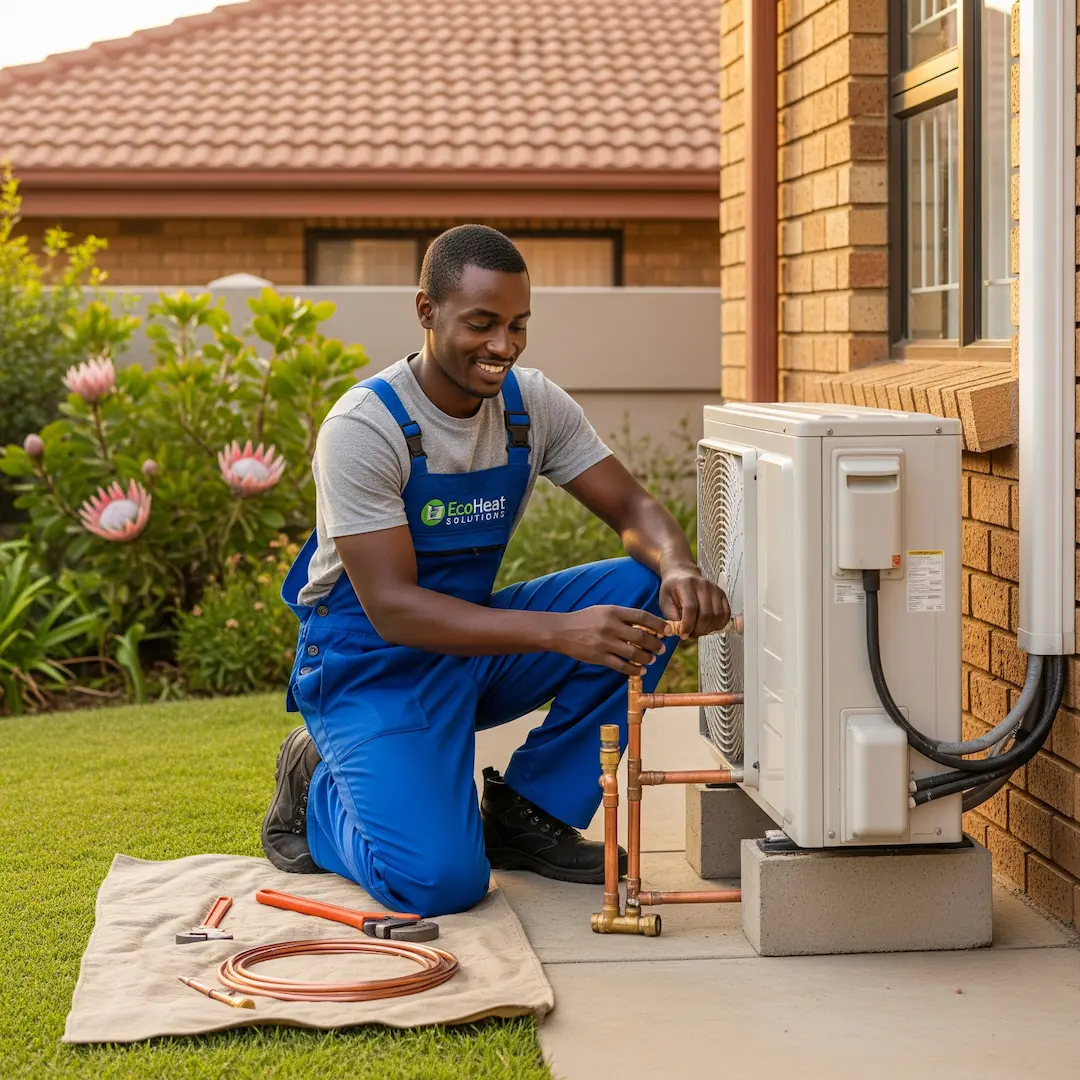
Enjoying Your New Heat Pump in SA? Essential Post-Installation Tips for Longevity & Savings
Installed a heat pump in South Africa? Discover essential post-installation tips to maximise efficiency, extend lifespan, and boost savings - expert insights that ensure your investment keeps paying off.

Enjoying Your New Heat Pump in SA? Essential Post-Installation Tips for Longevity & Savings
So, you've made the smart move and invested in a heat pump for your home. Excellent choice! These systems are fantastic for energy efficiency and can significantly reduce your electricity bills in South Africa, especially with the rising cost of power. But the installation is just the first step. To truly maximise your investment, ensure its longevity, and continue enjoying those savings, proper post-installation care is absolutely crucial.
Think of it like buying a new car – you wouldn't drive it off the lot and never service it, would you? The same principle applies to your heat pump. Based on insights from experienced plumbers across South Africa, particularly those who've seen countless installations in varying climates, a proactive approach to maintenance is key.
Understanding Your Heat Pump's Post-Installation Needs
Once your heat pump is up and running, it enters its operational phase. While these units are designed to be robust, they still require attention to perform optimally. Many homeowners mistakenly believe that once installed, they can simply forget about it. However, a little ongoing care goes a long way.
For instance, I recently heard from a homeowner in Durban who was puzzled by a drop in their heat pump's efficiency. It turned out the outdoor unit, nestled beside their vibrant garden, had become partially obscured by overgrown shrubs. A simple trim made all the difference, restoring the airflow and the unit's performance. This highlights how small, seemingly insignificant factors can impact your system.
Immediate Post-Installation Checks and Familiarisation
Your installer should have walked you through the basics of your new system. If not, don't hesitate to ask for a comprehensive overview. Here's what you should ideally be familiar with:
- Controller/Thermostat Operation: Understand how to set temperatures, switch modes (heating/cooling if applicable), and use any timer functions. Different models have varying interfaces, so take the time to learn yours.
- Circuit Breaker Location: Know which breaker in your distribution board controls the heat pump. This is important for safety and if you ever need to manually switch off the unit.
- Drainage: Confirm where the condensate drain line terminates and ensure it's free-flowing. You might notice water dripping from the outdoor unit – this is normal and indicates proper condensation removal.
- Initial Noise Levels: Heat pumps make some operational noise, especially the outdoor unit. Familiarise yourself with what's normal for your specific model. Any unusual rattling, grinding, or loud humming should be investigated.
Essential Ongoing Maintenance Tips for South African Homeowners
Making a few simple habits part of your routine can significantly impact your heat pump's lifespan and efficiency.
1. Keep the Outdoor Unit Clear
This is perhaps the most critical and easiest piece of DIY maintenance. The outdoor unit, or condenser, needs unrestricted airflow to operate efficiently.
- Remove Debris: Regularly check for and remove leaves, grass clippings, dust, spiderwebs, and any other debris that might accumulate on or around the unit. This is especially important after windy conditions or during autumn.
- Maintain Clearances: Ensure there's adequate space around the unit, typically at least 30-50 cm, as specified by the manufacturer. Avoid planting shrubs or placing items too close that could obstruct airflow. If you have pets, ensure they aren't using the unit as a scratching post or a shaded nap spot, as this can damage fins.
- Clean Coils (Carefully!): The outdoor coil fins can get dirty over time. With the unit switched off at the circuit breaker, you can gently brush away loose dirt or use a hosepipe with low pressure to rinse them. Always spray downwards, following the direction of the fins, to avoid bending them. If you are unsure about this, rather leave it to a professional during a service.
2. Indoor Unit (Hydro Box/Fan Coil) Care
While less exposed than the outdoor unit, the indoor components also benefit from a bit of attention.
- Keep Vents Unobstructed: If your system includes indoor fan coil units, ensure air vents are not blocked by furniture, curtains, or other items.
- Clean Filters (if applicable): Some heat pump systems (especially air-to-air or hybrid systems) have filters that need regular cleaning or replacement. Refer to your owner's manual for specifics. Dirty filters restrict airflow, reducing efficiency and potentially leading to system strain.
3. Monitor Your Energy Bills
One of the main reasons for installing a heat pump is energy savings. Keep an eye on your electricity bills. A sudden, unexplained increase in consumption might signal that your heat pump is not operating as efficiently as it should be, prompting you to investigate.
4. Understand Seasonal Operation
In South Africa, our weather varies greatly.
- Summer: Your heat pump might work harder in peak summer to heat water, especially if you have a larger household. Ensure it has plenty of fresh air around it.
- Winter: In colder regions, the outdoor unit might occasionally ice up. Most modern heat pumps have a defrost cycle that automatically handles this. You might hear a buzzing sound and see steam coming from the unit during defrost – this is normal. Do not attempt to chip away ice manually, as you could damage the coils. If excessive ice builds up or the defrost cycle doesn't seem to be working, it's time to call a professional.
5. Consider a Protective Cover (with caution)
While tempting to cover your outdoor unit to protect it from the elements, most manufacturers design units to withstand outdoor conditions. If you do use a cover, ensure it's specifically designed for heat pumps, allows for proper ventilation, and is only used when the unit is completely off for an extended period (e.g., during winter if you switch it off entirely, or during a prolonged holiday). Never operate the unit with a cover on, as this will lead to overheating and damage.
The Non-Negotiable: Annual Professional Servicing
While DIY maintenance keeps things ticking over, there's no substitute for a thorough annual service by a qualified technician. This is where true longevity, peak efficiency, and warranty validity are maintained.
From what our experienced plumbers tell us, these annual check-ups are invaluable. They often catch minor issues before they become major, costly repairs. For instance, a technician might identify a slight refrigerant leak, which, if left unaddressed, could severely impact efficiency and lead to compressor failure.
What does a professional service typically involve?
- Refrigerant Level Check: Ensuring the correct amount of refrigerant for optimal performance.
- Coil Cleaning: Thorough cleaning of both indoor and outdoor coils to remove stubborn grime that DIY methods can't address.
- Electrical Connection Check: Inspecting all wiring and electrical components for wear or loose connections, which can be a fire hazard.
- Fan Motor and Bearing Lubrication: Ensuring smooth operation and preventing premature wear.
- Drainage System Flush: Clearing any blockages in the condensate drain line to prevent water damage.
- Thermostat Calibration: Checking that the thermostat is accurately reading and controlling temperatures.
- System Performance Test: Running the unit through its paces to ensure all components are working together efficiently.
- Pressure and Temperature Readings: Taking accurate readings to diagnose potential issues.
- Safety Checks: Ensuring all safety mechanisms are functioning correctly.
The Importance of Servicing for Warranty and Efficiency
Many heat pump manufacturers' warranties stipulate that the unit must be serviced annually by a qualified professional to remain valid. Neglecting regular servicing could void your warranty, leaving you liable for expensive repairs should something go wrong.
Beyond warranty, consistent servicing ensures your heat pump maintains its energy efficiency. Over time, dust buildup, minor component wear, and slight refrigerant fluctuations can all reduce efficiency, meaning your unit has to work harder and consume more electricity to achieve the same results. A service technician recalibrates, cleans, and fine-tunes the system to bring it back to optimal performance.
Final Thoughts
Your heat pump is a significant investment designed to bring comfort and savings to your South African home. By committing to regular, simple DIY care and, crucially, scheduling annual professional servicing, you're not just ensuring its longevity; you're actively protecting your wallet and contributing to a more energy-efficient household. Treat your heat pump well, and it will serve you reliably for many years to come.
Frequently Asked Questions
How often should I clean the outdoor unit of my heat pump?
It's a good idea to visually inspect your outdoor unit at least once a month, especially during seasons when debris like leaves or pollen are prevalent. Give it a gentle clean with a soft brush or low-pressure hose as needed, ensuring it's free from obstructions.
What are the signs that my heat pump needs professional servicing?
Look out for decreased heating/cooling performance, unusually high electricity bills, strange noises coming from the unit (grinding, loud buzzing, excessive rattling), water leaks around the indoor unit, or the system frequently cycling on and off.
Can I use a high-pressure washer to clean my outdoor heat pump unit?
No, it is strongly advised against using a high-pressure washer. The high pressure can easily bend the delicate aluminium fins on the coils, which will restrict airflow and severely reduce the unit's efficiency. Use a standard garden hose with a gentle spray or a soft brush.
How long do heat pumps typically last in South Africa?
With proper installation and consistent maintenance, a good quality heat pump can typically last anywhere from 10 to 15 years, and sometimes even longer. Regular professional servicing plays a crucial role in achieving this lifespan.
Find a vetted plumber near you
Heat pump installation: find a pro near you
Suzette Meyer is the lead author and content creator for Kandua.com, South Africa’s #1 marketplace for home services. Suzette has made it her mission to help homeowners with advice on all aspects of home repair, maintenance and improvement, including how to choose the right Pro and how to make smart upgrades that improve your resale value or save costs.

Latest articles, advice and more
.webp)
.webp)
.jpeg)
Sinking Pavers, Weeds and Water That Pools: What Your Driveway Is Telling You
When your driveway starts sprouting weeds, pooling water, or sinking in patches, the bricks are not failing you. The layers underneath have moved, and they are trying to tell you exactly what went wrong.
.jpeg)
What Your Garage Door Motor Actually Does (And Why It Breaks)
Spoiler alert: your garage door motor isn't actually doing the heavy lifting. The torsion springs carry almost all the weight. The motor simply pushes, pulls, controls the descent so it doesn't slam, and acts as a lock when the door is shut. That’s why a relatively small box on your ceiling can move such a massive door. Want to test this? Pull the red manual release cord and lift the door by hand. If it glides up easily and stays put when you let go, your springs are doing their job, and the fault lies with the motor. If the door feels like dead weight or slams back down- stop. You’ve got a spring problem.
.jpeg)
4 Warning Signs Your Tiles Are Failing (And What They Mean)
Tiles rarely fail overnight. They warn you first. A hollow sound underfoot, grout that crumbles away, a tile that lifts at one edge, or a crack that runs across two tiles all point to something happening under the surface. Here is what each sign means, and how urgent it is.
.webp)
.webp)
Beyond the Unboxing: A Detailed Guide to Correct Washing Machine Plumbing & Setup
New washing machine in South Africa? Learn essential plumbing and setup tips to prevent leaks, ensure efficient operation, and extend your appliance’s lifespan - expert advice before your first load.
.webp)
New Washing Machine? Don't Plug It In Yet! Essential Installation Tips for SA Homes
Installing a new washing machine? Learn the essential setup steps South African homeowners often overlook to prevent leaks, noise, and damage—and ensure efficient, long-lasting performance from day one.
.webp)
.webp)
%25201200%2520x%25201200%2520(1).jpeg)
What Retiling a Bathroom Costs in 2026, Room by Room
Retiling a bathroom in South Africa costs between R230 and R800 per square metre in 2026, including materials and labour. A standard family bathroom, stripped and fully retiled, usually lands between R11,800 and R27,500. A guest toilet costs a fraction of that. A large porcelain en-suite costs a lot more.
How to Install a Horizontal Geyser | Step-by-Step Pro Guide
Want to install a geyser like a pro? This step-by-step tutorial shows you exactly how to do a horizontal Ariston Axios geyser installation, straight from the BluLever plumbing workshop. 🎥 Hosted by MK, BluLever’s technical facilitator, and supported by a qualified electrician, Life and a BluLever graduate artisan, Zinhle. This is your ultimate guide to a SANS 10254-compliant installation — from preparing the wall, to plumbing, electrical wiring, and pro troubleshooting tips.
How to Maintain a Geyser | Step-by-Step Pro Guide
Want to maintain a geyser like a pro? This step-by-step tutorial shows you exactly how to do the three core geyser maintenance checks on an Ariston Axios geyser installation, straight from the BluLever plumbing workshop. 🎥 Hosted by MK, BluLever’s technical facilitator, and supported by a qualified electrician, Life. This is your ultimate guide to geyser maintenance — from diagnosing the problem to checking the heat regulation of the geyser, to pressure regulation and then finally corrosion protection.
%201.avif)
Not just another newsletter. It's an advantage