
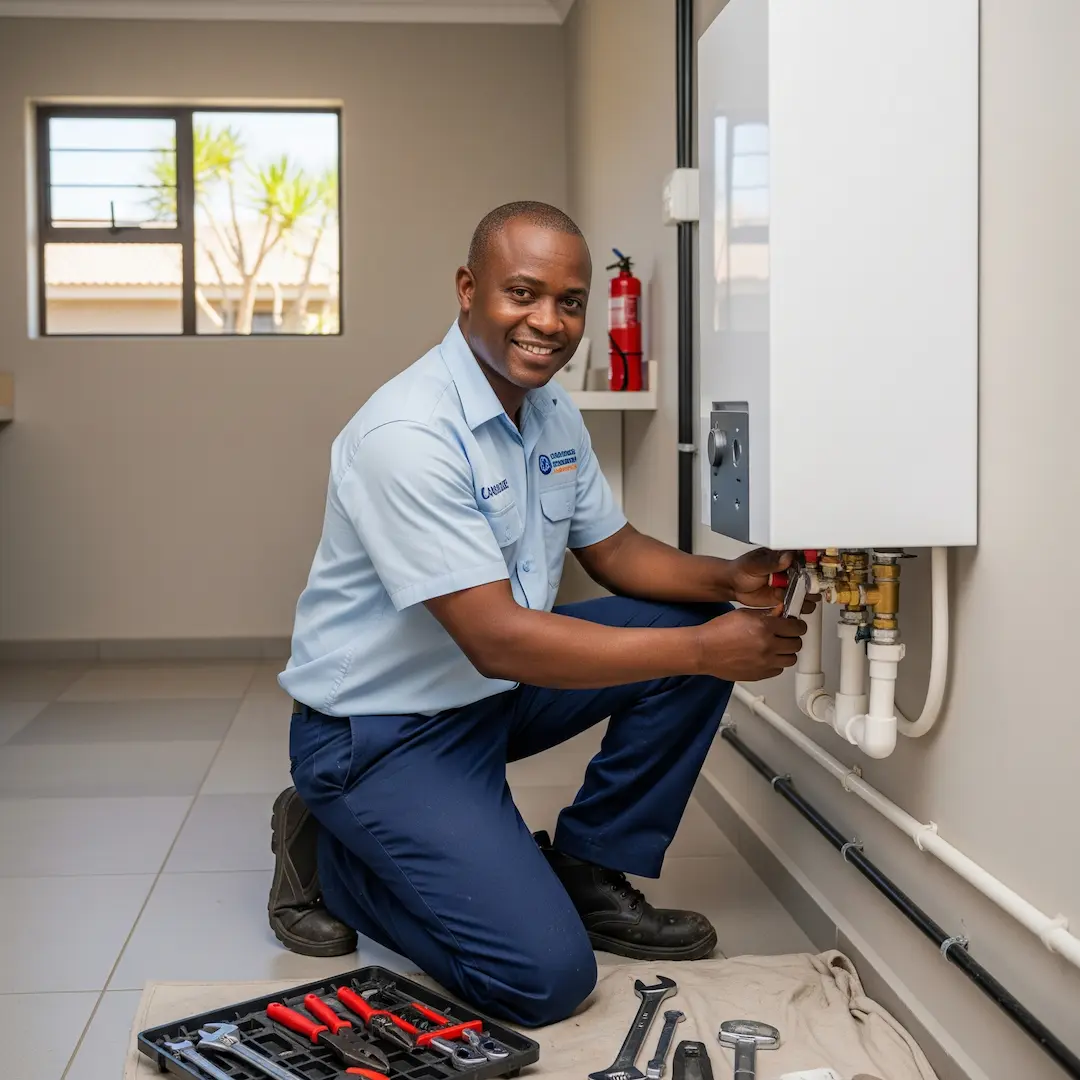
Geyser Installation Best Practices: Ensuring Safety and Longevity in Your SA Home
Wondering what a professional geyser installation really involves? This guide explains key steps, safety standards, and SANS compliance to ensure efficient, long-lasting hot water in South African homes.

A reliable geyser is the silent workhorse of any South African home, providing the comfort of hot water on demand. But beneath the surface, a professional geyser installation involves a precise sequence of steps and adherence to strict safety standards. Far more than just connecting pipes, it's about ensuring your system operates efficiently, safely, and lasts for years to come.
From insights shared by seasoned plumbers we’ve spoken with, one of the most common issues they encounter with DIY or sub-standard installations is premature geyser failure or, worse, safety hazards. This guide breaks down the essential best practices involved in a professional geyser installation, focusing on critical safety aspects and compliance with South African National Standards (SANS) to give you peace of mind.
Understanding the Geyser Installation Process
Installing a geyser is a multi-faceted task that requires expertise in plumbing, electrical work, and adherence to specific regulations. Here's a look at the typical steps a professional will follow:
1. Site Assessment and Preparation
Before any work begins, a thorough site assessment is crucial. This involves:
- Location suitability: Is the chosen location appropriate for the geyser size and type (e.g., roof cavity, cupboard)? Factors like accessibility for maintenance, ventilation, and proximity to water and electrical points are considered.
- Structural integrity: For roof-mounted geysers, the structural integrity of the roof trusses must be assessed to ensure they can safely bear the weight of a full geyser. Our experts often recount stories of having to reinforce roof structures because an existing geyser was installed without proper support, leading to sagging or even ceiling damage over time.
- Power supply: Verifying the existing electrical circuit can handle the geyser's power requirements.
- Water supply: Checking water pressure and the condition of existing pipework.
2. Mounting the Geyser Securely
Proper mounting is paramount for safety and longevity, especially for horizontal geysers.
- Support structure: For roof installations, a sturdy and level geyser cradle or platform is essential. This must be securely fastened to the roof trusses, distributing the weight evenly. Imagine the immense weight of a 150-litre geyser when full – that's 150 kilograms! An inadequate support can lead to catastrophic failure.
- Accessibility: The geyser should be mounted in a way that allows for future maintenance and repairs.
3. Plumbing Connections: Precision and Compliance
This is where the hot and cold water magic happens, but it also demands meticulous attention to detail to prevent leaks and ensure proper water flow.
- Cold water inlet: The cold water supply is connected to the geyser's inlet. This connection typically includes a stopcock for isolation during maintenance and a non-return valve to prevent hot water from flowing back into the cold water supply.
- Hot water outlet: The hot water outlet connects to your home's hot water distribution system.
- Drain cock: A drain cock is installed at the lowest point of the geyser, allowing for easy draining during maintenance or if the geyser needs to be replaced.
- Pressure control valve (PCV): This is a critical safety device that regulates the incoming cold water pressure to the geyser. SANS 10254 mandates the installation of a pressure control valve (PCV). Without it, excessive water pressure can damage the geyser tank and even lead to ruptures. Our plumbers frequently highlight that an incorrectly installed or missing PCV is a common cause of premature geyser failure.
- Temperature and pressure (T&P) relief valve: Another indispensable safety component, the T&P relief valve is designed to release water if the temperature or pressure inside the geyser exceeds safe limits. This prevents the geyser from exploding due to overheating or over-pressurisation. It must be connected to a dedicated drainage pipe leading outside or to a tundish.
- Vacuum breakers: These are installed on both the hot and cold water lines close to the geyser. Their purpose is to prevent a vacuum from forming inside the geyser when water is drawn off, which could lead to the geyser collapsing or imploding.
4. Electrical Wiring: Safety First
Connecting the geyser to the electrical supply is a job strictly for qualified electricians or plumbers with electrical accreditation. This is where SANS 10142-1 (the wiring code) comes into play.
- Dedicated circuit: The geyser must be on its own dedicated electrical circuit, protected by an appropriately sized circuit breaker in the distribution board.
- Earth leakage protection: All geysers must be protected by an earth leakage unit to prevent electric shock in case of an electrical fault.
- Thermostat and element wiring: The geyser's thermostat and heating element are wired correctly according to manufacturer specifications. Loose or incorrect wiring can lead to short circuits, overheating, and fire hazards.
- Isolator switch: An accessible isolator switch should be installed near the geyser, allowing the power to be safely cut off for maintenance or in an emergency.
5. Drip Tray Installation and Drainage
A drip tray is not just a nice-to-have; it's a non-negotiable safety and protective measure, especially for geysers installed within the roof space or above living areas.
- Purpose: The drip tray is designed to catch any water leaking from the geyser or its associated pipework, preventing water damage to your ceiling, walls, and belongings.
- Drainage: The drip tray must have a dedicated drainage pipe, correctly sloped and routed to discharge water safely outside your home or to a visible tundish. A plumber once shared a story about a geyser that burst in a roof space where the drip tray drain was blocked – the homeowner only discovered the issue when water started pouring through their light fittings!
6. Commissioning and Testing
Once all connections are made, the professional will:
- Fill the geyser: Slowly fill the geyser with water, checking for any leaks at the connections.
- Bleed air: Open hot water taps in the house to bleed any air out of the system.
- Switch on power: Turn on the electrical supply to the geyser.
- Check for heating: Confirm that the geyser is heating the water correctly.
- Test safety valves: Manually test the T&P relief valve to ensure it’s functioning.
How to Ensure Geyser Safety: Beyond Installation
While professional installation is key, ongoing vigilance can further enhance your geyser's safety and extend its lifespan.
- Regular inspections: Periodically check around your geyser for any signs of leaks, rust, or corrosion. Look at the drip tray – if there's water in it, it's an indicator of an issue that needs immediate attention.
- T&P valve testing: Your plumber will likely show you how to do this, but gently lift the lever on the temperature and pressure relief valve once a year to flush out any mineral build-up and ensure it's not seized. Be careful, as hot water will be discharged. If it doesn't release water or continues to drip, it needs to be replaced.
- Pressure control valve (PCV) maintenance: While not typically a DIY task, if you notice fluctuating water pressure or a constant drip from the PCV overflow pipe, it's time to call a professional to inspect or replace it.
- Thermostat settings: Avoid setting your geyser thermostat to excessively high temperatures. Not only does this waste electricity, but it can also increase pressure within the tank and accelerate wear and tear. A temperature between 55-60°C is generally sufficient for household use and helps prevent scalding.
- Professional servicing: Consider having your geyser serviced by a qualified plumber every few years. They can check all components, clean out sediment, and ensure everything is operating safely and efficiently.
Important Disclaimer: While this guide provides detailed information on geyser installation best practices, remember that working with electricity and high-pressure water systems can be extremely dangerous. DIY attempts, especially with electrical connections or high-pressure components, can lead to serious injury, property damage, or even fatalities. Always enlist the services of a qualified and certified plumber for any geyser installation or significant repair work. In South Africa, ensure they are PIRB (Plumbing Industry Registration Board) registered for plumbing work and have the necessary electrical accreditation.
Frequently Asked Questions
How long does a typical geyser installation take?
The duration of a geyser installation can vary depending on the complexity of the job, but a standard replacement or new installation in an existing space typically takes a qualified plumber between 3 to 6 hours. Factors like modifying existing pipework, upgrading electrical circuits, or accessing difficult locations can extend this time.
What are the signs that my geyser might need to be replaced?
Common signs include a lack of hot water, rust-coloured water, strange noises (like banging or rumbling) coming from the geyser, visible leaks around the tank or from the pressure relief valve that don't stop, or if your geyser is more than 10-15 years old.
Can I install a bigger geyser than my current one?
You can, but it's crucial to consult with a plumber first. They will assess if your existing plumbing and electrical infrastructure can support a larger geyser. Considerations include the structural capacity of the mounting area, the existing pipework's ability to handle increased flow, and whether your electrical circuit can handle the higher power draw.
What is the difference between horizontal and vertical geysers?
The main difference is their orientation. Vertical geysers stand upright and are generally more efficient due to the natural stratification of hot water, making them popular for internal installations. Horizontal geysers lie on their side and are often chosen for installation in tight roof spaces where height is limited. The type of geyser installed will depend on the available space and structural considerations.
Find a vetted plumber near you
Geyser installation and repairs: find a pro near you
- Geyser installation and repairs near you
- Geyser installation and repairs in Johannesburg
- Geyser installation and repairs in Sandton
- Geyser installation and repairs in Midrand
- Geyser installation and repairs in Roodepoort
- Geyser installation and repairs in Randburg
- Geyser installation and repairs in Pretoria
- Geyser installation and repairs in Cape Town
Suzette Meyer is the lead author and content creator for Kandua.com, South Africa’s #1 marketplace for home services. Suzette has made it her mission to help homeowners with advice on all aspects of home repair, maintenance and improvement, including how to choose the right Pro and how to make smart upgrades that improve your resale value or save costs.

Latest articles, advice and more
.webp)
.webp)
.jpeg)
Sinking Pavers, Weeds and Water That Pools: What Your Driveway Is Telling You
When your driveway starts sprouting weeds, pooling water, or sinking in patches, the bricks are not failing you. The layers underneath have moved, and they are trying to tell you exactly what went wrong.
.jpeg)
What Your Garage Door Motor Actually Does (And Why It Breaks)
Spoiler alert: your garage door motor isn't actually doing the heavy lifting. The torsion springs carry almost all the weight. The motor simply pushes, pulls, controls the descent so it doesn't slam, and acts as a lock when the door is shut. That’s why a relatively small box on your ceiling can move such a massive door. Want to test this? Pull the red manual release cord and lift the door by hand. If it glides up easily and stays put when you let go, your springs are doing their job, and the fault lies with the motor. If the door feels like dead weight or slams back down- stop. You’ve got a spring problem.
.jpeg)
4 Warning Signs Your Tiles Are Failing (And What They Mean)
Tiles rarely fail overnight. They warn you first. A hollow sound underfoot, grout that crumbles away, a tile that lifts at one edge, or a crack that runs across two tiles all point to something happening under the surface. Here is what each sign means, and how urgent it is.
.webp)
.webp)
Beyond the Unboxing: A Detailed Guide to Correct Washing Machine Plumbing & Setup
New washing machine in South Africa? Learn essential plumbing and setup tips to prevent leaks, ensure efficient operation, and extend your appliance’s lifespan - expert advice before your first load.
.webp)
New Washing Machine? Don't Plug It In Yet! Essential Installation Tips for SA Homes
Installing a new washing machine? Learn the essential setup steps South African homeowners often overlook to prevent leaks, noise, and damage—and ensure efficient, long-lasting performance from day one.
.webp)
.webp)
%25201200%2520x%25201200%2520(1).jpeg)
What Retiling a Bathroom Costs in 2026, Room by Room
Retiling a bathroom in South Africa costs between R230 and R800 per square metre in 2026, including materials and labour. A standard family bathroom, stripped and fully retiled, usually lands between R11,800 and R27,500. A guest toilet costs a fraction of that. A large porcelain en-suite costs a lot more.
How to Install a Horizontal Geyser | Step-by-Step Pro Guide
Want to install a geyser like a pro? This step-by-step tutorial shows you exactly how to do a horizontal Ariston Axios geyser installation, straight from the BluLever plumbing workshop. 🎥 Hosted by MK, BluLever’s technical facilitator, and supported by a qualified electrician, Life and a BluLever graduate artisan, Zinhle. This is your ultimate guide to a SANS 10254-compliant installation — from preparing the wall, to plumbing, electrical wiring, and pro troubleshooting tips.
How to Maintain a Geyser | Step-by-Step Pro Guide
Want to maintain a geyser like a pro? This step-by-step tutorial shows you exactly how to do the three core geyser maintenance checks on an Ariston Axios geyser installation, straight from the BluLever plumbing workshop. 🎥 Hosted by MK, BluLever’s technical facilitator, and supported by a qualified electrician, Life. This is your ultimate guide to geyser maintenance — from diagnosing the problem to checking the heat regulation of the geyser, to pressure regulation and then finally corrosion protection.
%201.avif)
Not just another newsletter. It's an advantage