
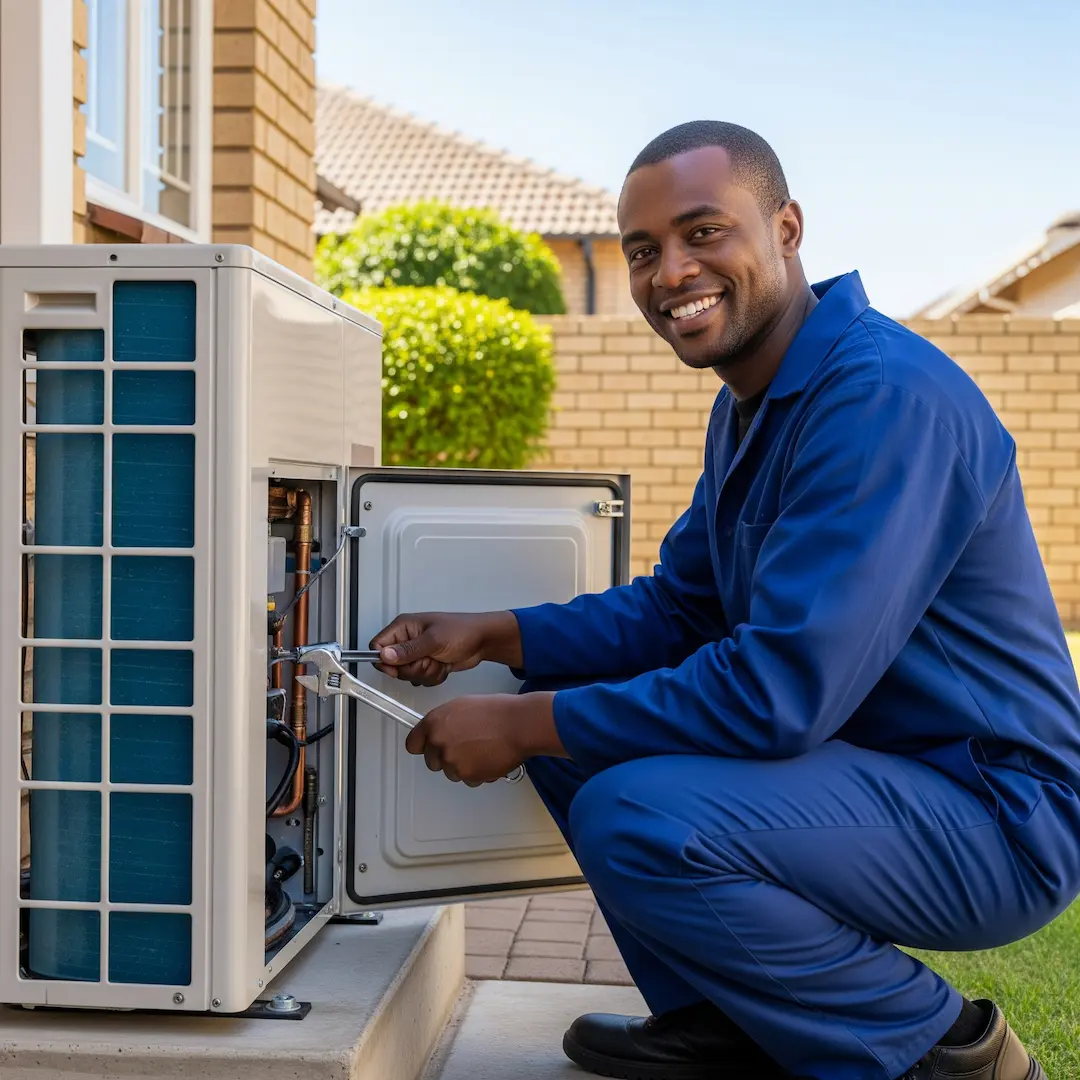
Heat Pump Noises & Performance Issues: A Guide to Diagnosing and Repairing Common Faults
Heat pump making strange noises or not heating properly? Learn common warning signs, what they mean, and when to call a professional to prevent costly repairs in South African homes.

Heat pumps are fantastic for energy-efficient water heating in South African homes, but like any hardworking appliance, they can sometimes develop quirks. One day, your trusty heat pump might start making unusual noises, or you might notice it's just not heating water as effectively as it used to. These aren't just minor annoyances; they're often indicators of underlying issues that, if left unaddressed, could lead to more significant problems and costly repairs down the line.
Understanding what these symptoms mean can save you a lot of headache and potentially extend the life of your unit. While diagnosing and repairing a heat pump often requires the skills of a qualified technician, knowing what to look out for can help you explain the problem clearly and even prevent issues from escalating.
Unpacking Those Peculiar Heat Pump Noises
When a heat pump starts making an unfamiliar sound, it's often trying to tell you something. Our expert plumbers have heard it all, and they can usually pinpoint the issue just by listening. Here's a breakdown of common noises and what they typically signify:
1. Clunking or Banging Sounds
If your heat pump sounds like there’s something loose inside, or you hear distinct clunking or banging, it’s usually a sign of mechanical trouble.
- What it often means:Loose Compressor Mounts: This is a common culprit. Over time, the bolts holding the compressor in place can loosen, causing the unit to vibrate and knock against its housing. One of our technicians recently attended a call where the homeowner described the sound as "someone hammering inside the unit." It turned out to be exactly this – a few tightened bolts and the noise vanished.
- Fan Blade Imbalance or Obstruction: The fan blades can sometimes become unbalanced or hit against debris within the unit. We've seen instances where a small twig or a build-up of leaves gets sucked in and causes a rhythmic thumping.
- Worn Bearings: Bearings within the motor can wear out, leading to a loud, grinding clunk. This is more serious and usually requires professional attention.
- What to do: If you suspect loose compressor mounts or a fan obstruction, a quick visual inspection might confirm it. However, it's generally best to call in a professional, as working with internal components can be tricky and potentially dangerous.
2. Humming or Buzzing Noises
A low hum is normal for a heat pump, but if it becomes excessively loud or takes on a distinct buzzing quality, it's worth investigating.
- What it often means:Electrical Issues: This is a common cause of buzzing. Loose wiring, a failing capacitor, or even a struggling motor can produce an electrical hum or buzz. We once had a client report a "swarm of angry bees" coming from their unit; it was a loose connection at the terminal block creating a loud electrical arc.
- Contactor Problems: The contactor is an electrical switch that powers the compressor. If it's failing, it can produce a loud buzzing sound.
- Refrigerant Imbalance: While less common for a distinct buzz, an overcharged or undercharged refrigerant system can put strain on the compressor, leading to a louder-than-usual hum.
- What to do: Electrical issues can be hazardous. Unless you are a qualified electrician, do not attempt to diagnose or repair these yourself. Switch off the power to the unit at the mains and contact a professional.
3. Rattling or Vibrating Sounds
Rattling often indicates something loose, but it's typically less severe than a clunk or bang.
- What it often means:Loose Panels or Screws: The simplest cause is often the most overlooked. Vibration can loosen external panels or screws, creating a persistent rattle. A quick tighten can often resolve this.
- Debris Inside: Small stones, leaves, or even insects can get trapped inside the unit and rattle around when the fan is operating.
- Refrigerant Lines Touching: Sometimes, the refrigerant lines can come into contact with each other or the unit's casing, causing a rattling sound due to vibrations.
- What to do: Inspect the exterior of the unit for loose panels. If you can see any debris, and it's safe to do so with the power off, you might be able to remove it. For internal rattling or persistent issues, professional help is advised.
4. Hissing or Gurgling Sounds
These sounds are often associated with the refrigerant system.
- What it often means:Refrigerant Leak (Hissing): A distinct hissing sound often indicates a refrigerant leak. This is a serious issue as it affects the heat pump's ability to transfer heat effectively and can be damaging to the environment. Our plumbers often carry leak detection equipment for precisely this reason.
- Air in the System (Gurgling): A gurgling sound can suggest air trapped within the refrigerant lines, often after an installation or a repair. This can impede efficiency.
- What to do: If you hear hissing, switch off the unit and call a professional immediately. Refrigerant leaks need to be addressed promptly by a qualified technician who can safely recover, repair, and recharge the system.
When Your Heat Pump Isn't Heating Water Properly
Beyond strange noises, a drop in performance is a clear sign that your heat pump needs attention. If your water isn't as hot as it should be, or it takes an unusually long time to heat, consider these potential culprits:
1. Insufficient Hot Water or Lukewarm Water
This is perhaps the most frustrating performance issue. You expect hot water, and you get lukewarm at best.
- Common causes and solutions:Low Refrigerant Levels: As mentioned, a leak in the refrigerant system means the heat pump can't absorb and transfer heat effectively. This is a primary reason for poor heating. The solution involves finding and repairing the leak, then recharging the system. This requires specialised tools and expertise.
- Dirty Evaporator Coils: The evaporator coil absorbs heat from the air. If it's covered in dust, dirt, or debris, its ability to extract heat is significantly reduced. Regular cleaning of the outdoor unit's coils is crucial for optimal performance. You can often carefully hose down the outdoor coils, but avoid getting electrical components wet.
- Faulty Compressor: The compressor is the heart of the heat pump. If it's weak or failing, it won't be able to adequately compress the refrigerant, leading to poor heat transfer. A faulty compressor often presents with unusual noises (like buzzing or clunking) before it completely fails.
- Thermostatic Expansion Valve (TXV) Issues: The TXV regulates the flow of refrigerant. If it's stuck open or closed, it can starve or flood the evaporator coil, impacting performance. Diagnosing and replacing a TXV is a complex task for a professional.
- Incorrect Sizing: While not a repair issue, if your heat pump was incorrectly sized for your home's hot water demands, it will always struggle to provide enough hot water, especially during peak usage or colder months.
2. Heat Pump Running Constantly or Too Frequently
If your heat pump seems to be running non-stop, or cycles on and off more often than usual, it's not only inefficient but also indicative of a problem.
- Common causes and solutions:Refrigerant Issues: Again, low refrigerant levels mean the unit has to work harder and longer to achieve the desired temperature, leading to continuous running.
- Faulty Thermostat or Temperature Sensor: If the thermostat or its sensor isn't accurately reading the water temperature, it might cause the unit to over-cycle or run unnecessarily. Our plumbers often check the thermostat calibration first when faced with this issue.
- Dirty Air Filter: While less common in dedicated hot water heat pumps, some units have air filters that can get clogged, restricting airflow and making the unit work harder.
- External Temperature Fluctuations: In very cold weather, a heat pump might naturally run longer. However, if it's running excessively in mild conditions, there's likely an underlying issue.
3. Tripping Circuit Breakers
If your heat pump is causing your electrical circuit breaker to trip, it's an immediate red flag and requires prompt attention.
- Common causes and solutions:Electrical Short: This is the most serious concern. A short circuit within the wiring or a component can draw excessive current, tripping the breaker to prevent damage or fire.
- Failing Motor or Compressor: A motor or compressor that is struggling or nearing the end of its life can draw too much power, causing the breaker to trip.
- Faulty Capacitor: Capacitors help motors start and run efficiently. A failing capacitor can lead to increased current draw.
- What to do: Do NOT repeatedly reset the breaker. This is extremely dangerous. Switch off the unit at the main isolator and call a qualified electrician or heat pump technician immediately. According to SANS 10142-1, any electrical fault causing a breaker to trip must be investigated by a competent person.
The Importance of Professional Diagnosis and Repair
While it's helpful for homeowners to understand these symptoms, most heat pump repairs are not DIY friendly. They involve:
- Working with high-voltage electricity: This is inherently dangerous and should only be handled by qualified electricians or technicians.
- Handling refrigerants: Refrigerants are controlled substances and require specialised equipment for safe handling, recovery, and recharging, as per environmental regulations.
- Complex mechanical components: Diagnosing issues with compressors, expansion valves, and other internal parts requires specific knowledge and tools.
Attempting complex repairs yourself without the necessary training and equipment can lead to further damage to your heat pump, void its warranty, and pose significant safety risks to yourself and your home. Our network of expert plumbers and technicians are well-versed in heat pump systems, ensuring accurate diagnosis and efficient, safe repairs that comply with South African standards.
Frequently Asked Questions
How often should I have my heat pump serviced?
It's generally recommended to have your heat pump serviced annually by a qualified technician. Regular maintenance can prevent minor issues from escalating, improve efficiency, and extend the lifespan of your unit.
Can a heat pump still work with a small refrigerant leak?
While a heat pump might still operate with a small refrigerant leak, its efficiency will be significantly reduced, and it will have to work much harder to heat water. Over time, this can cause further damage to the compressor and other components. It's best to address any leaks promptly.
What is the average lifespan of a heat pump in South Africa?
The average lifespan of a well-maintained heat pump in South Africa is typically between 10 to 15 years. Factors like installation quality, regular maintenance, water quality, and environmental conditions can all influence its longevity.
Is it normal for my heat pump to freeze up in winter?
Modern heat pumps are designed to operate effectively even in colder temperatures and have a defrost cycle to prevent ice buildup on the outdoor coils. If your heat pump is frequently freezing up, especially outside of very cold periods, it could indicate an issue with the defrost cycle, low refrigerant, or insufficient airflow, and should be checked by a professional.
Find a vetted plumber near you
Heat pump repairs: find a pro near you
Suzette Meyer is the lead author and content creator for Kandua.com, South Africa’s #1 marketplace for home services. Suzette has made it her mission to help homeowners with advice on all aspects of home repair, maintenance and improvement, including how to choose the right Pro and how to make smart upgrades that improve your resale value or save costs.

Latest articles, advice and more
.webp)
.webp)
.webp)
.webp)
.jpeg)
Sinking Pavers, Weeds and Water That Pools: What Your Driveway Is Telling You
When your driveway starts sprouting weeds, pooling water, or sinking in patches, the bricks are not failing you. The layers underneath have moved, and they are trying to tell you exactly what went wrong.
.webp)
.webp)
Beyond the Unboxing: A Detailed Guide to Correct Washing Machine Plumbing & Setup
New washing machine in South Africa? Learn essential plumbing and setup tips to prevent leaks, ensure efficient operation, and extend your appliance’s lifespan - expert advice before your first load.
.webp)
New Washing Machine? Don't Plug It In Yet! Essential Installation Tips for SA Homes
Installing a new washing machine? Learn the essential setup steps South African homeowners often overlook to prevent leaks, noise, and damage—and ensure efficient, long-lasting performance from day one.
.webp)
.webp)
%25201200%2520x%25201200%2520(1).jpeg)
What Retiling a Bathroom Costs in 2026, Room by Room
Retiling a bathroom in South Africa costs between R230 and R800 per square metre in 2026, including materials and labour. A standard family bathroom, stripped and fully retiled, usually lands between R11,800 and R27,500. A guest toilet costs a fraction of that. A large porcelain en-suite costs a lot more.
How to Install a Horizontal Geyser | Step-by-Step Pro Guide
Want to install a geyser like a pro? This step-by-step tutorial shows you exactly how to do a horizontal Ariston Axios geyser installation, straight from the BluLever plumbing workshop. 🎥 Hosted by MK, BluLever’s technical facilitator, and supported by a qualified electrician, Life and a BluLever graduate artisan, Zinhle. This is your ultimate guide to a SANS 10254-compliant installation — from preparing the wall, to plumbing, electrical wiring, and pro troubleshooting tips.
How to Maintain a Geyser | Step-by-Step Pro Guide
Want to maintain a geyser like a pro? This step-by-step tutorial shows you exactly how to do the three core geyser maintenance checks on an Ariston Axios geyser installation, straight from the BluLever plumbing workshop. 🎥 Hosted by MK, BluLever’s technical facilitator, and supported by a qualified electrician, Life. This is your ultimate guide to geyser maintenance — from diagnosing the problem to checking the heat regulation of the geyser, to pressure regulation and then finally corrosion protection.
%201.avif)
Not just another newsletter. It's an advantage