
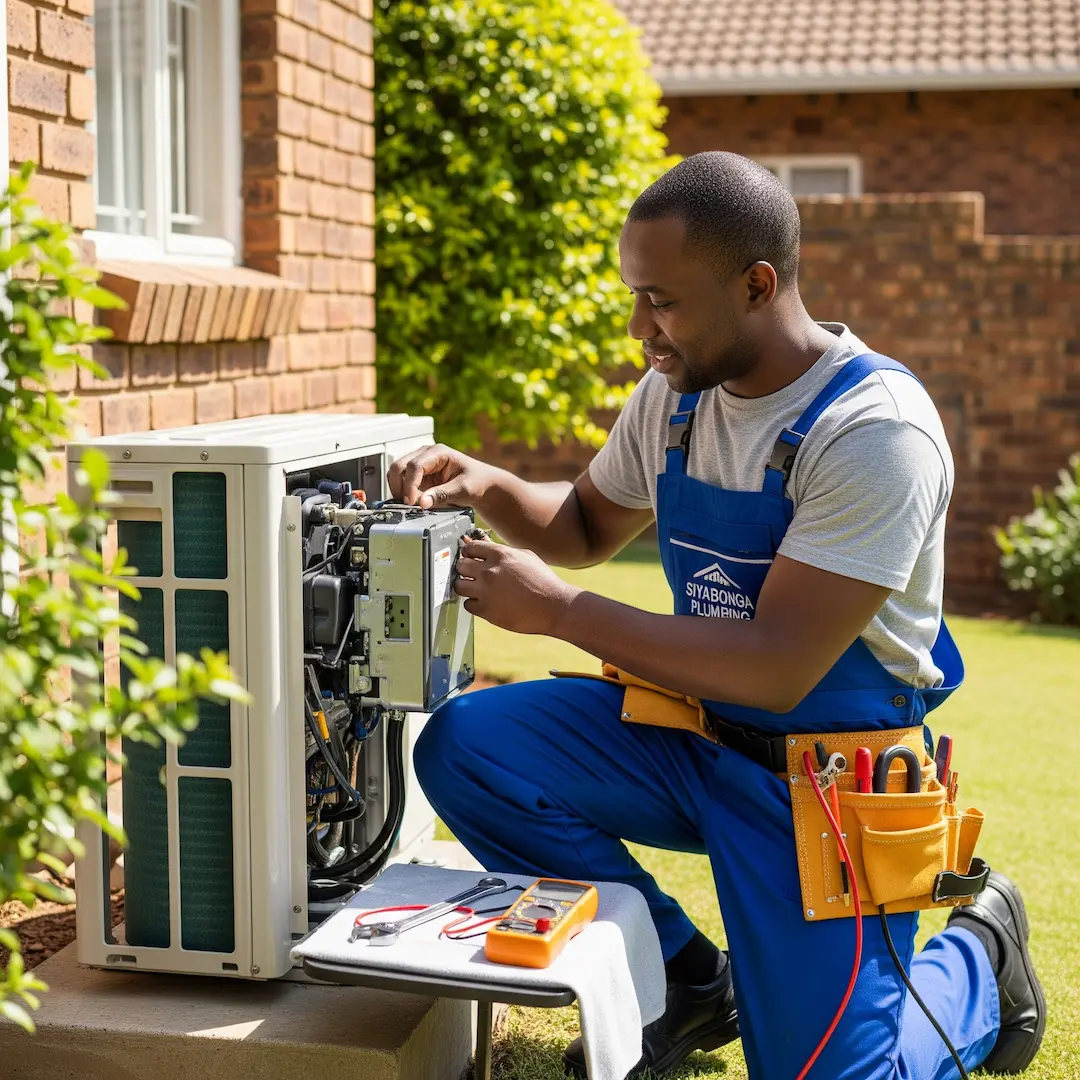
Heat Pump Not Working? Why Expert Diagnosis Saves You Money on Repairs in SA
Heat pump not working in South Africa? Discover why expert diagnosis prevents costly mistakes, reduces repair bills, and ensures your heat pump is fixed right the first time.

Heat Pump Not Working? Why Expert Diagnosis Saves You Money on Repairs in SA
There’s nothing quite like the sinking feeling of discovering your heat pump has given up. One day you have efficient hot water or a perfectly heated pool, and the next, you’re met with cold water or a blinking error code. In that moment of frustration, your first instinct might be to find the quickest, cheapest fix possible. But when it comes to sophisticated technology like a heat pump, a hasty decision can often lead to bigger bills and more headaches down the line.
The truth is, a heat pump isn’t like a simple kettle or toaster. It's a complex refrigeration system working in reverse, full of sensitive electronics, pressurised gas, and finely-tuned components. Guessing the problem is a recipe for disaster. This is where a professional diagnosis isn't just a step in the repair process—it's the most crucial, money-saving part of the entire job.
Common Culprits: Why Your Heat Pump Might Be Failing
While it may seem like a total system failure, the issue is often a single faulty component. The challenge is identifying which one. Our network of vetted plumbers and refrigeration specialists report that most breakdowns trace back to a few common culprits.
- Electrical Faults: Modern heat pumps rely on printed circuit boards (PCBs), sensors, and capacitors. Power surges from load shedding, loose connections, or a failed capacitor can bring the entire unit to a standstill. One of our top-rated pros in Johannesburg recently told us about a client who was quoted for a full compressor replacement. On inspection, the technician found the actual issue was just a single burnt-out capacitor on the control board—a repair that cost a fraction of the initial quote. Without a multimeter and the knowledge to test the board's components, the real problem would have been missed.
- Refrigerant Leaks: The refrigerant is the lifeblood of your heat pump. If it leaks, the unit can't transfer heat effectively. You might notice the system is running constantly but not heating the water, or you might see ice forming on the evaporator coils. A technician uses specialised tools like an electronic leak detector or a nitrogen pressure test to find the precise location of a pinhole leak, which is impossible to spot with the naked eye. Simply "topping up" the gas without fixing the leak is a temporary fix that wastes money and is harmful to the environment.
- Faulty Sensors or Valves: Your heat pump uses various sensors (like temperature probes and pressure switches) and valves (like the reversing valve or expansion valve) to manage its cycle. If a sensor provides an incorrect reading to the main circuit board, the system might shut down as a safety precaution or operate inefficiently. An expert can test these components individually to see if they are functioning within their correct parameters, ensuring they only replace what is truly broken.
- Airflow or Water Flow Issues: For the heat pump to work, it needs a steady flow of air over its evaporator and a consistent flow of water through its heat exchanger. Blockages from leaves, dirt, or a failing circulation pump can cause the system to overheat or "trip out." While cleaning the external fins is simple, diagnosing a problem with the internal water circulation pump requires a professional assessment.
The Danger of a 'Quick Fix': Why Guesswork Costs You More
When a technician arrives and immediately suggests replacing a major, expensive part like the compressor or the main circuit board without performing any tests, it should be a major red flag. This approach is a gamble, and you’re the one footing the bill.
Here’s why a proper diagnosis is non-negotiable:
- Prevents Unnecessary Replacements: The most common pitfall of guesswork is replacing perfectly good parts. A flashing error code might point to a "gas pressure fault," but this could be caused by a leak, a faulty sensor, a blockage, or an electronic issue. A technician who just refills the gas without finding the leak ensures they'll be back in a few weeks for another (paid) call-out, while your system’s efficiency plummets.
- Protects Other Components: Running a heat pump with an undiagnosed fault can cause a chain reaction of failures. For example, a small refrigerant leak can force the compressor to work harder, leading to overheating and premature failure of a component that costs thousands of Rands to replace.
- Ensures Safety: Heat pumps operate with high-pressure refrigerant and high-voltage electricity. An incorrect repair, especially on the gas or electrical side, is not only ineffective but can be genuinely dangerous. A qualified technician understands the safety protocols required by South African National Standards (SANS) for handling refrigerants and electrical systems.
A professional's diagnostic process is methodical. They will connect pressure gauges to check the refrigerant levels, use a multimeter to test electrical components, check temperature differentials, and listen for unusual noises. This systematic approach isn't about running up the clock; it's about being certain.
What to Look For in a Reputable Heat Pump Repair Technician
Finding the right person for the job is key to a successful and cost-effective repair. When you’re looking for a pro, focus on these signs of expertise and trustworthiness:
- Relevant Qualifications: Ask if they are a qualified refrigeration mechanic. While many plumbers install heat pumps, specialised repairs often require a deeper understanding of the refrigeration cycle. They should be certified to handle refrigerants safely.
- Experience with Your Brand and Type: A swimming pool heat pump is different from an air-to-water geyser heat pump. Ask if they have experience with your specific model (e.g., ITS, Kwikot, Sirair). An experienced technician will be familiar with common faults for particular brands.
- A Clear Diagnostic Process: A true professional will explain their diagnostic plan. They should be able to tell you what they are going to test and why. They will arrive with the right tools—not just a wrench and a screwdriver, but pressure gauges, multimeters, and leak detectors.
- Transparent Quoting: The technician should provide a clear breakdown of costs. This often includes a call-out or diagnostic fee, which covers their time and expertise in finding the fault. This should be followed by a separate, no-obligation quote for the actual repair, including parts and labour. Be wary of anyone offering a "free" call-out, as they may inflate the repair costs to compensate.
Ultimately, investing in an hour or two of an expert's time for a thorough diagnosis can save you thousands in unnecessary parts, repeat repairs, and high electricity bills. It's the smartest first step towards getting your heat pump—and your comfort—back on track.
Frequently Asked Questions
How long should a typical heat pump repair take?
A diagnostic visit usually takes between one and two hours. The actual repair time depends on the fault. Simple repairs like replacing a capacitor or sensor might be done on the same day if the technician has the part. More complex jobs, like repairing a refrigerant leak or replacing a major component that needs to be ordered, could take a few days.
Is it better to repair or replace my old heat pump?
This depends on the age of the unit, the cost of the repair, and the unit's overall condition. A general rule of thumb is if the repair cost is more than 50% of the price of a new unit, and your heat pump is over 10 years old, replacement is often the more economical long-term solution. A new unit will be more energy-efficient and come with a fresh warranty.
Can load shedding damage my heat pump?
Yes, unfortunately, it can. The power surges and sudden cuts that accompany load shedding can damage the sensitive electronic components, particularly the main circuit board (PCB). It is highly recommended to have a surge protector installed on the electrical supply to your heat pump to minimise this risk.
Does my heat pump need regular servicing after a repair?
Absolutely. Regular servicing is the best way to prevent future breakdowns and ensure your heat pump runs efficiently. An annual service should include cleaning the evaporator coils, checking refrigerant pressures, testing electrical connections, and ensuring proper airflow. This proactive maintenance can catch small issues before they become expensive failures.
Suzette Meyer is the lead author and content creator for Kandua.com, South Africa’s #1 marketplace for home services. Suzette has made it her mission to help homeowners with advice on all aspects of home repair, maintenance and improvement, including how to choose the right Pro and how to make smart upgrades that improve your resale value or save costs.

Related articles, advice and more
.webp)
What Does a Plumbing Call-Out Fee Usually Include?
When that familiar drip-drip-drip starts under the kitchen sink or your geyser begins a slow weep in the ceiling, the first thing most South African homeowners do is pick up the phone. But before a wrench even touches a pipe, you’ll likely hear the term "call-out fee."
.jpg)
How to Choose Between Repair and Replacement for Your Geyser
Deciding between repairing and replacing isn't just about the immediate price tag. It is about safety, long-term electricity savings, and compliance with South African building regulations. Based on insights from vetted plumbers across Johannesburg, Cape Town, and Durban, this guide will help you navigate that decision with confidence.
.jpg)
What to Do If Your Electric Problem Comes Back After Repair
There are few things more frustrating than paying for a repair only to have the lights flicker, the breaker trip, or the plug point fail again a few days later. Here is a step-by-step guide to handling the situation professionally, safely, and effectively to get it sorted out for good.
.jpg)
Understanding Geyser Warranties in South Africa
For most South African households, the geyser is the hardest-working appliance in the home. To help you protect your investment, we have broken down exactly how Geyser warranties work in South Africa, drawing on insights from qualified plumbers who handle rejected claims daily.
.webp)
How Hard Water Damages Your Plumbing (and What to Do About It)
If you suspect you have hard water, you are in the "awareness" stage of a very important journey for your home's maintenance. Ignoring it can lead to burst geysers and clogged pipes. This guide, compiled with insights from top local plumbers, will explain exactly how hard water affects your plumbing and the practical steps you can take to fix it.
.webp)
.webp)
.webp)
Latest articles, advice and more
.webp)
How To Fix A Damp Wall And What's Actually Causing It
If your walls are weeping, your plaster is flaking, or you can smell that musty, damp smell, you're not dealing with one problem; you're dealing with three possible ones. The fix depends entirely on the cause.
.webp)
Gutter Cleaning: How Often Should You Do It and What Does It Cost?
Clean your gutters at least twice a year, and always before your rainy season kicks in. In South Africa, a professional gutter clean usually costs somewhere between R450 and R2,500, depending on the size of your home, how high the roof is, and how blocked things have become. Here is how to work out the right frequency and a fair price.
.webp)
Why Are My Plug Points Not Working? A Troubleshooting Guide
If your plug points have suddenly gone dead, the usual culprits are a tripped earth leakage switch, a tripped circuit breaker, loose or burnt wiring, or a faulty appliance overloading the circuit. Work through the safety checks below before you call anyone, then understand when the job requires a registered electrician.
.webp)
How a Geyser Timer Can Cut Your Electricity Bill
If you've been staring at your Eskom bill and wondering where the money is going, your geyser might be the culprit. Here's the good news: a simple geyser timer can cut your hot water costs by up to 30% each month, which typically saves South African homeowners between R200 and R400 on their electricity bills, depending on their current usage.
%20(1).webp)
How To Treat and Paint Over Damp Walls (So It Doesn't Come Back)
You've noticed a patch on the bedroom wall: discoloured and maybe a bit soft to the touch, and you're wondering if a fresh coat of paint will simply cover the problem. The short answer: no, it won't. But the good news is that understanding what's happening beneath that stain, and treating it properly, is far simpler than you might think.
.webp)
Beyond the Unboxing: A Detailed Guide to Correct Washing Machine Plumbing & Setup
New washing machine in South Africa? Learn essential plumbing and setup tips to prevent leaks, ensure efficient operation, and extend your appliance’s lifespan - expert advice before your first load.
.webp)
New Washing Machine? Don't Plug It In Yet! Essential Installation Tips for SA Homes
Installing a new washing machine? Learn the essential setup steps South African homeowners often overlook to prevent leaks, noise, and damage—and ensure efficient, long-lasting performance from day one.
%20(1).webp)
.webp)
TV Repair Costs in South Africa: Diagnosing Screen, Power & Component Issues
Find out what TV repairs really cost in South Africa – from call-out and diagnosis fees to screen, power and main board fixes – and when it’s cheaper to replace your TV instead of repairing it.
.webp)
Septic Tank Leak Repair Cost in South Africa: Addressing Odours & Environmental Hazards
Learn typical septic tank leak repair costs in South Africa, what drives the price up, how to spot early warning signs (odours, soggy ground, backups), and when it’s safer and cheaper to get a professional in.
How to Install a Horizontal Geyser | Step-by-Step Pro Guide
Want to install a geyser like a pro? This step-by-step tutorial shows you exactly how to do a horizontal Ariston Axios geyser installation, straight from the BluLever plumbing workshop. 🎥 Hosted by MK, BluLever’s technical facilitator, and supported by a qualified electrician, Life and a BluLever graduate artisan, Zinhle. This is your ultimate guide to a SANS 10254-compliant installation — from preparing the wall, to plumbing, electrical wiring, and pro troubleshooting tips.
How to Maintain a Geyser | Step-by-Step Pro Guide
Want to maintain a geyser like a pro? This step-by-step tutorial shows you exactly how to do the three core geyser maintenance checks on an Ariston Axios geyser installation, straight from the BluLever plumbing workshop. 🎥 Hosted by MK, BluLever’s technical facilitator, and supported by a qualified electrician, Life. This is your ultimate guide to geyser maintenance — from diagnosing the problem to checking the heat regulation of the geyser, to pressure regulation and then finally corrosion protection.
%201.avif)
Not just another newsletter. It's an advantage


From problem to solved.


.svg)


.avif)
.avif)
.avif)


.avif)