
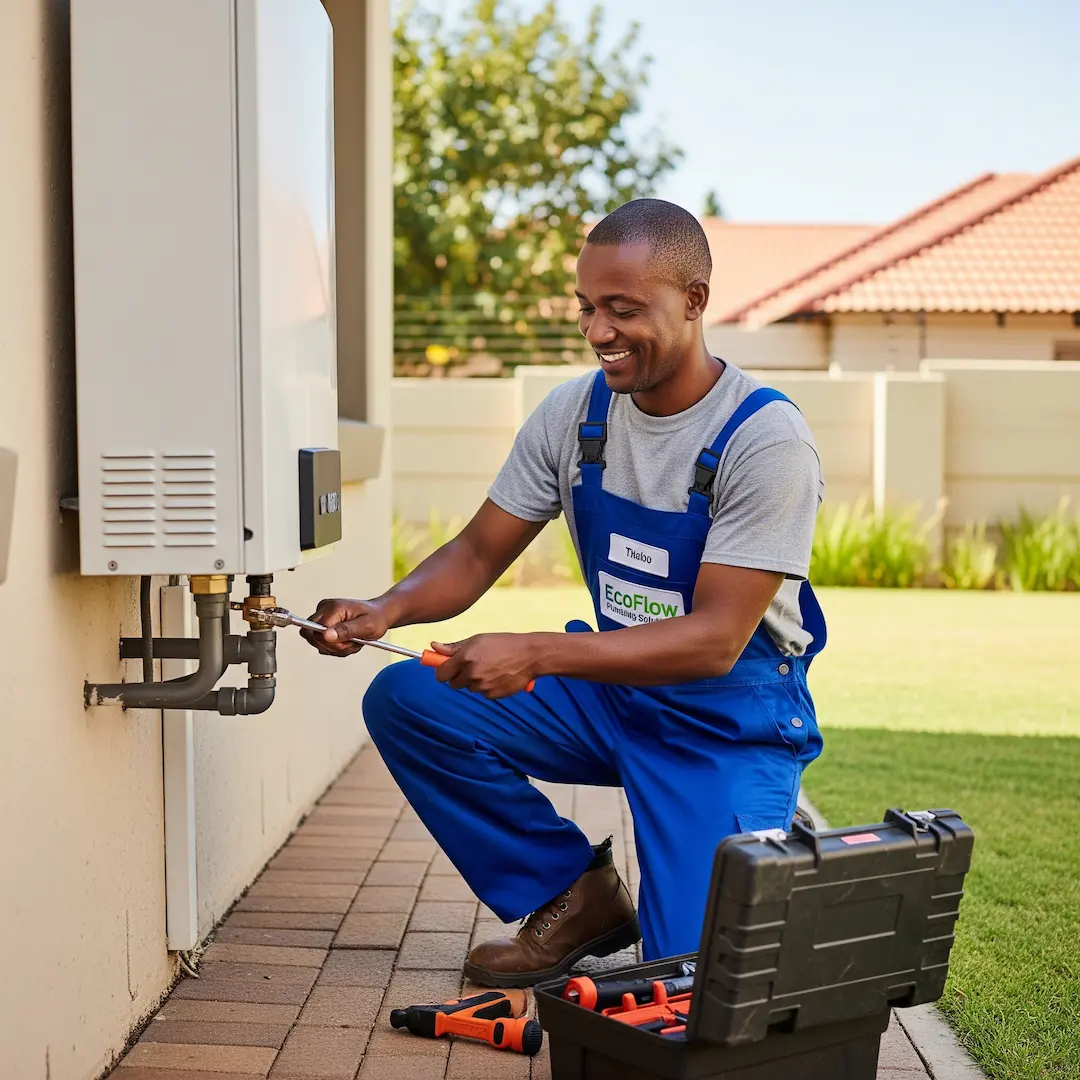
Is Your Heat Pump Underperforming? Signs You Might Need a Repair
Heat pump underperforming in South Africa? Learn the early warning signs, common issues, and when to book professional repairs to restore efficiency and avoid costly breakdowns.

Is Your Heat Pump Underperforming? Signs You Might Need a Repair
A well-functioning heat pump is a fantastic asset for any South African home, providing efficient hot water without the hefty electricity bill often associated with traditional geysers. But like any hard-working appliance, they can sometimes run into trouble. When your heat pump isn't quite pulling its weight, it can be frustrating. Knowing the early warning signs can save you a lot of hassle and prevent minor issues from escalating into costly repairs.
This guide, based on insights from experienced plumbers who regularly work with heat pump systems across South Africa, will help you identify common signs of underperformance and understand when it’s time to call in a professional.
The Tell-Tale Signs of a Struggling Heat Pump
Sometimes, the signs are obvious, like a complete lack of hot water. Other times, they're more subtle – a gradual decline in efficiency or unusual noises that creep up over time.
1. Reduced Hot Water Supply or Fluctuating Temperatures
One of the most immediate indicators that something is amiss is a noticeable drop in your hot water availability. Perhaps your hot showers are shorter than usual, or the water isn't reaching the temperature it once did.
- Experience Speaks: "We had a client in Durbanville who swore their heat pump was 'on the blink' because they kept running out of hot water after just one shower," one plumbing expert recounted. "It turned out the refrigerant level was low, which meant the heat pump wasn't extracting heat from the air efficiently. Once we topped it up, their hot water supply was back to normal."
This could be due to several issues, including:
- Low Refrigerant Levels: The refrigerant is crucial for heat transfer. If it's low, the system can't absorb enough heat from the air to warm your water effectively.
- Blocked Condenser Coils: If the coils where heat is transferred to the water are fouled with scale or sediment, the heat exchange process is hindered.
- Faulty Thermostat or Sensors: An inaccurate reading can cause the heat pump to switch off prematurely or not heat the water to the desired temperature.
- Airflow Obstructions: If the outdoor unit's airflow is restricted by debris, overgrown plants, or even a build-up of dirt on the fins, it can’t perform optimally.
2. Increased Energy Bills
One of the primary reasons homeowners invest in heat pumps is their energy efficiency. If your electricity bill suddenly spikes without a corresponding increase in usage, your heat pump might be working harder than it should to achieve the desired results.
- Expert Insight: "A heat pump that's struggling with a dirty air filter or a failing compressor will draw more power to compensate," explained a seasoned technician from Johannesburg. "It’s like trying to run a marathon with blocked nostrils – you're working harder for less output."
Common culprits for increased energy consumption include:
- Dirty Air Filters: Clogged filters restrict airflow, forcing the unit to work harder.
- Failing Components: A worn-out compressor or fan motor will consume more electricity to maintain operation.
- Refrigerant Leaks: If the system is constantly trying to make up for lost refrigerant, it will run inefficiently.
3. Strange Noises Coming from the Unit
While heat pumps aren't completely silent, they typically produce a low hum. Any new or unusual noises should grab your attention.
- "Why is my heat pump noisy?" This is a question we hear often. The type of noise can often pinpoint the problem:
- Grinding or Squealing: This often indicates a problem with the fan motor bearings. A failing motor can be noisy and lead to complete system failure if not addressed.
- Clicking: While a single click at startup or shutdown is normal (relays engaging), continuous clicking might signal a faulty control board or relay.
- Hissing or Bubbling: This is a strong indicator of a refrigerant leak. You might hear the gas escaping or bubbling within the lines. Refrigerant leaks not only impact efficiency but can also be harmful to the environment.
- Loud Buzzing or Vibrating: This could be a loose component, a failing fan motor, or even an issue with the compressor itself. Sometimes, the unit might not be perfectly level, causing vibrations.
- Plausible Scenario: "We once responded to a call in Constantia where the client described their heat pump as sounding like 'a washing machine full of rocks'," a Cape Town-based plumber recalled. "It turned out to be a severely unbalanced fan, which could have eventually damaged the entire unit if left unaddressed."
4. Leaks Around the Unit
Any water pooling around your indoor or outdoor heat pump unit is a red flag.
- Condensate Line Issues: Heat pumps produce condensation during operation, which is normally drained away through a condensate line. If this line becomes clogged or damaged, water can back up and leak.
- Refrigerant Leaks: While refrigerant leaks often manifest as a hissing sound, a visible oily residue or frost build-up on the coils could indicate a refrigerant leak. This is a serious issue that requires immediate professional attention.
5. The Heat Pump is Constantly Running, or Not Running at All
A heat pump that never seems to switch off, or one that refuses to start, clearly signals an issue.
- Constant Running: This could be due to a thermostat malfunction, a loss of refrigerant, or a system that's simply undersized for your hot water demands and struggling to keep up.
- Not Running At All: Check the circuit breaker first. If that’s not the issue, it could be a complete compressor failure, a faulty thermostat, or an electrical problem within the unit.
When to Call a Professional
While some minor issues, like cleaning the outdoor unit's fins, can be tackled by a confident DIY enthusiast, anything involving electrical components, refrigerant, or internal parts of the heat pump should be left to a qualified and experienced plumber or heat pump technician. Attempting repairs without the necessary expertise can be dangerous and could void your warranty.
- Safety First: Working with electricity and pressurized refrigerant lines carries significant risks. Always prioritise your safety.
Professional plumbers have the right tools, knowledge, and experience to diagnose problems accurately and perform repairs safely and effectively, ensuring your heat pump is back to providing efficient hot water in no time. They are also familiar with SANS regulations, ensuring any repairs comply with national safety standards.
Frequently Asked Questions
How often should I have my heat pump serviced?
It's generally recommended to have your heat pump serviced annually by a qualified professional. Regular maintenance helps identify potential issues early, maintain efficiency, and extend the lifespan of your unit.
Can I clean the outdoor unit of my heat pump myself?
Yes, you can carefully clean the exterior of your outdoor unit, ensuring no debris or leaves are blocking the airflow. You can gently hose down the fins to remove dirt and dust. However, avoid using high-pressure washers, which can damage the delicate fins. Always switch off the power to the unit before cleaning.
What is the typical lifespan of a heat pump in South Africa?
With proper installation and regular maintenance, a good quality heat pump can last anywhere from 10 to 15 years, and sometimes even longer. Factors like water quality, environmental conditions, and usage patterns can influence its lifespan.
Is it normal for my heat pump to make a dripping sound?
A dripping sound can be normal if it's the sound of condensation draining from the unit, especially during humid weather or when the unit is actively heating water. However, if the dripping is excessive, continuous, or accompanied by other signs of malfunction, it's worth investigating to ensure it's not a leak from the system itself.
Suzette Meyer is the lead author and content creator for Kandua.com, South Africa’s #1 marketplace for home services. Suzette has made it her mission to help homeowners with advice on all aspects of home repair, maintenance and improvement, including how to choose the right Pro and how to make smart upgrades that improve your resale value or save costs.

Related articles, advice and more
.webp)
What Does a Plumbing Call-Out Fee Usually Include?
When that familiar drip-drip-drip starts under the kitchen sink or your geyser begins a slow weep in the ceiling, the first thing most South African homeowners do is pick up the phone. But before a wrench even touches a pipe, you’ll likely hear the term "call-out fee."
.jpg)
How to Choose Between Repair and Replacement for Your Geyser
Deciding between repairing and replacing isn't just about the immediate price tag. It is about safety, long-term electricity savings, and compliance with South African building regulations. Based on insights from vetted plumbers across Johannesburg, Cape Town, and Durban, this guide will help you navigate that decision with confidence.
.jpg)
What to Do If Your Electric Problem Comes Back After Repair
There are few things more frustrating than paying for a repair only to have the lights flicker, the breaker trip, or the plug point fail again a few days later. Here is a step-by-step guide to handling the situation professionally, safely, and effectively to get it sorted out for good.
.jpg)
Understanding Geyser Warranties in South Africa
For most South African households, the geyser is the hardest-working appliance in the home. To help you protect your investment, we have broken down exactly how Geyser warranties work in South Africa, drawing on insights from qualified plumbers who handle rejected claims daily.
.webp)
How Hard Water Damages Your Plumbing (and What to Do About It)
If you suspect you have hard water, you are in the "awareness" stage of a very important journey for your home's maintenance. Ignoring it can lead to burst geysers and clogged pipes. This guide, compiled with insights from top local plumbers, will explain exactly how hard water affects your plumbing and the practical steps you can take to fix it.
.webp)
.webp)
.webp)
Latest articles, advice and more
.webp)
How To Fix A Damp Wall And What's Actually Causing It
If your walls are weeping, your plaster is flaking, or you can smell that musty, damp smell, you're not dealing with one problem; you're dealing with three possible ones. The fix depends entirely on the cause.
.webp)
Gutter Cleaning: How Often Should You Do It and What Does It Cost?
Clean your gutters at least twice a year, and always before your rainy season kicks in. In South Africa, a professional gutter clean usually costs somewhere between R450 and R2,500, depending on the size of your home, how high the roof is, and how blocked things have become. Here is how to work out the right frequency and a fair price.
.webp)
Why Are My Plug Points Not Working? A Troubleshooting Guide
If your plug points have suddenly gone dead, the usual culprits are a tripped earth leakage switch, a tripped circuit breaker, loose or burnt wiring, or a faulty appliance overloading the circuit. Work through the safety checks below before you call anyone, then understand when the job requires a registered electrician.
.webp)
How a Geyser Timer Can Cut Your Electricity Bill
If you've been staring at your Eskom bill and wondering where the money is going, your geyser might be the culprit. Here's the good news: a simple geyser timer can cut your hot water costs by up to 30% each month, which typically saves South African homeowners between R200 and R400 on their electricity bills, depending on their current usage.
%20(1).webp)
How To Treat and Paint Over Damp Walls (So It Doesn't Come Back)
You've noticed a patch on the bedroom wall: discoloured and maybe a bit soft to the touch, and you're wondering if a fresh coat of paint will simply cover the problem. The short answer: no, it won't. But the good news is that understanding what's happening beneath that stain, and treating it properly, is far simpler than you might think.
.webp)
Beyond the Unboxing: A Detailed Guide to Correct Washing Machine Plumbing & Setup
New washing machine in South Africa? Learn essential plumbing and setup tips to prevent leaks, ensure efficient operation, and extend your appliance’s lifespan - expert advice before your first load.
.webp)
New Washing Machine? Don't Plug It In Yet! Essential Installation Tips for SA Homes
Installing a new washing machine? Learn the essential setup steps South African homeowners often overlook to prevent leaks, noise, and damage—and ensure efficient, long-lasting performance from day one.
%20(1).webp)
.webp)
TV Repair Costs in South Africa: Diagnosing Screen, Power & Component Issues
Find out what TV repairs really cost in South Africa – from call-out and diagnosis fees to screen, power and main board fixes – and when it’s cheaper to replace your TV instead of repairing it.
.webp)
Septic Tank Leak Repair Cost in South Africa: Addressing Odours & Environmental Hazards
Learn typical septic tank leak repair costs in South Africa, what drives the price up, how to spot early warning signs (odours, soggy ground, backups), and when it’s safer and cheaper to get a professional in.
How to Install a Horizontal Geyser | Step-by-Step Pro Guide
Want to install a geyser like a pro? This step-by-step tutorial shows you exactly how to do a horizontal Ariston Axios geyser installation, straight from the BluLever plumbing workshop. 🎥 Hosted by MK, BluLever’s technical facilitator, and supported by a qualified electrician, Life and a BluLever graduate artisan, Zinhle. This is your ultimate guide to a SANS 10254-compliant installation — from preparing the wall, to plumbing, electrical wiring, and pro troubleshooting tips.
How to Maintain a Geyser | Step-by-Step Pro Guide
Want to maintain a geyser like a pro? This step-by-step tutorial shows you exactly how to do the three core geyser maintenance checks on an Ariston Axios geyser installation, straight from the BluLever plumbing workshop. 🎥 Hosted by MK, BluLever’s technical facilitator, and supported by a qualified electrician, Life. This is your ultimate guide to geyser maintenance — from diagnosing the problem to checking the heat regulation of the geyser, to pressure regulation and then finally corrosion protection.
%201.avif)
Not just another newsletter. It's an advantage


From problem to solved.


.svg)


.avif)
.avif)
.avif)


.avif)