
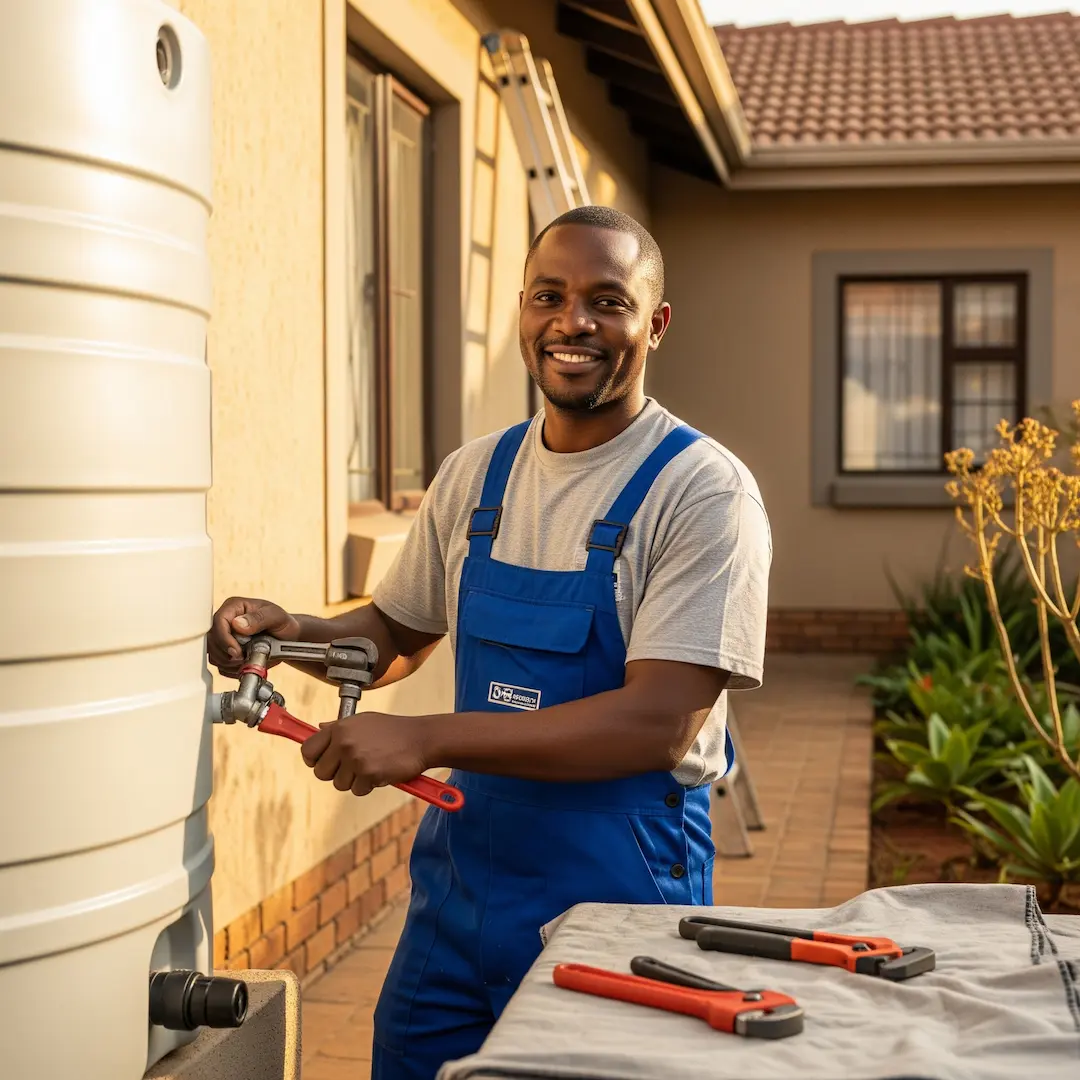
Load Shedding Proof Your Water: The Benefits of a Home Water Backup Tank
Tired of water cuts during load shedding? Discover how a home water backup tank secures your supply, maintains comfort, and gives South African households peace of mind during outages.

Load Shedding Proof Your Water: The Benefits of a Home Water Backup Tank
Living in South Africa, we've become all too familiar with the challenges of unreliable services, from the lights going out during load shedding to unexpected water interruptions. While we often focus on power solutions, what about securing your water supply? A home water backup tank can be a game-changer for maintaining comfort and hygiene during these disruptions.
But what exactly is a water backup tank, and do you really need one for load shedding? Let's dive in and explore how these systems offer peace of mind and practical solutions for South African homes.
What Exactly is a Home Water Backup Tank?
At its core, a home water backup tank is a storage vessel designed to hold a reserve supply of municipal water. This water is kept ready for use in situations where your main water supply is interrupted, whether due to burst pipes, scheduled maintenance, or most commonly in South Africa, a power outage affecting water pumps and distribution.
Think of it like a battery for your water. When the municipal supply is flowing, the tank fills up. When the supply is cut, your home can switch over to using the water stored in the tank, ensuring you still have access to water for essential needs like flushing toilets, washing hands, and even basic cooking and cleaning.
Our plumbing experts often share stories of how these systems have saved the day. "I remember a client in Durbanville," one plumber recounted, "who had a relatively small backup tank installed. A major pipe burst in their area, and they were without municipal water for nearly 24 hours. Thanks to their tank, they could still flush their toilets and run a quick shower – it made a world of difference to their family's comfort." This isn't about going off-grid entirely, but rather about creating a buffer against unforeseen disruptions.
Do You Need a Water Tank for Load Shedding?
This is a question we hear frequently, and the answer, for many South African homeowners, is a resounding "yes." While load shedding directly affects electricity, it has a significant knock-on effect on water supply in many areas. Here’s why:
- Pumping Stations Rely on Electricity: Many municipal water treatment and pumping stations require electricity to operate. When the power goes out, these pumps stop working, leading to reduced water pressure or complete supply cuts, especially in higher-lying areas.
- Pressure Management Systems: Some areas use pressure management systems that also rely on electricity. When these systems are down, water flow can be severely impacted.
- Infrastructure Strain: Frequent load shedding can also put a strain on aging water infrastructure, leading to more frequent bursts and leaks, further impacting supply.
Our experts have observed this firsthand. "In areas like Fourways or Pretoria East, where there are many complexes and higher elevations, a long bout of load shedding almost always means a drop in water pressure or no water at all," one professional explained. "Homeowners who've installed backup tanks are simply not affected by these issues, which is a huge relief for them."
Key Benefits of Installing a Home Water Backup Tank
Beyond load shedding, a home water backup tank offers a multitude of benefits that contribute to a more resilient and comfortable household:
- Uninterrupted Water Supply During Outages: This is the most immediate and tangible benefit. Whether it's load shedding, pipe bursts, or maintenance work, you won't be left without water for basic needs.
- Enhanced Hygiene and Sanitation: Access to running water for flushing toilets and washing hands is crucial for health and hygiene, especially when disruptions last for extended periods.
- Peace of Mind: Knowing you have a reliable water reserve significantly reduces stress and anxiety during unpredictable service interruptions.
- Protection for Appliances: Fluctuations in water pressure, often caused by supply interruptions, can sometimes damage water-reliant appliances like washing machines and dishwashers. A stable supply from a tank can help mitigate this.
- Increased Property Value: A home with a robust water backup system can be more attractive to potential buyers, especially in areas prone to service interruptions. It signals a well-prepared and thoughtfully maintained property.
- Emergency Preparedness: Beyond day-to-day inconveniences, a water backup tank forms a critical part of a comprehensive emergency preparedness plan, ensuring you have a vital resource in unforeseen circumstances.
Types of Water Backup Tanks and Sizing Considerations
When considering a water backup tank, you'll encounter a few main types and crucial sizing decisions:
Types of Tanks:
- Vertical Tanks: These are the most common for residential backup, taking up less ground space and typically ranging from 750 litres to 5,000 litres or more. They are usually made of durable plastic (polyethylene) and come in various colours.
- Horizontal Tanks: Less common for direct home backup, these are often used for bulk storage or in agricultural settings.
- Slimline Tanks: Designed for properties with limited space, these tanks are narrower and can fit along walls or in tight passages, making them ideal for urban settings.
Sizing Your Tank:
This is where the "expertise" truly comes into play. The ideal tank size depends on several factors, and it's not a one-size-fits-all answer. Our plumbing experts typically advise considering:
- Household Size: How many people live in your home? A family of four will naturally use more water than a single person.
- Average Daily Water Consumption: While hard to measure precisely without a water meter, a good plumber can help you estimate this based on typical appliance usage and daily habits. A general rule of thumb for emergency backup is around 50-100 litres per person per day for essential needs.
- Desired Backup Duration: How long do you want your water supply to last during an interruption? Do you want enough for 24 hours, 48 hours, or even longer? For example, a family of four aiming for 48 hours of backup at 50 litres per person per day would need 4 (people) x 50 (litres/person) x 2 (days) = 400 litres. However, most experts would recommend a minimum of 750 litres to 1,000 litres for a small family to allow for more comfortable usage and a buffer.
- Available Space: This is a practical consideration. You need enough space for the tank itself and the necessary plumbing connections.
- Budget: Larger tanks naturally come with a higher upfront cost.
"Many of my clients initially think a 250-litre tank will be enough," one experienced plumber noted, "but after discussing their family's needs and how long they've been without water during previous outages, they often realise a 1,000-litre or 2,500-litre tank is a much more practical solution for true peace of mind. It’s always better to slightly over-estimate your needs than to run dry when you need it most."
Installation Considerations and Professional Advice
While the concept of a water backup tank seems straightforward, the installation process requires professional expertise to ensure it functions correctly, safely, and efficiently. Key considerations include:
- Location: The tank needs to be placed on a solid, level surface capable of supporting its weight when full. It should also be easily accessible for maintenance.
- Pumping System: Unless your tank is significantly elevated above your house, you will likely need a pump to pressurise the water from the tank and deliver it to your taps. The type and size of the pump are crucial for adequate water pressure.
- Filtration: It's highly recommended to include a filtration system, especially if you plan to use the water for drinking or cooking. Even municipal water can have sediment that you wouldn't want entering your home's plumbing.
- Bypass Valves: A proper installation will include bypass valves that allow you to easily switch between municipal supply and your tank supply, or even bypass the tank if needed.
- Compliance: Ensure your plumber adheres to local regulations and SANS standards for water installations. This is vital for both safety and the longevity of your system.
A crucial disclaimer: While understanding the components is helpful, installing a water backup tank system is complex and involves plumbing, electrical (for pumps), and structural considerations. Attempting a DIY installation without the necessary expertise can lead to significant problems, including water damage, electrical hazards, and an unreliable system. It is always best to consult with and hire a qualified and experienced plumber to ensure a safe and effective installation that complies with all relevant standards. They can advise on the best system for your specific needs, manage the installation, and ensure it operates flawlessly when you need it most.
Conclusion
In a country where service delivery can be unpredictable, a home water backup tank is no longer a luxury but a practical investment in your family's comfort, hygiene, and peace of mind. It's about empowering yourself against disruptions and ensuring that come load shedding or water cuts, your household can continue to function with minimal inconvenience. By understanding the benefits, sizing considerations, and the importance of professional installation, you can make an informed decision to "load shedding proof" your water supply.
Frequently Asked Questions
How long does the water in a backup tank stay fresh?
If the tank is properly sealed and installed, and you are regularly cycling the water (i.e., using and refilling it), the water from your municipal supply should remain fresh for several weeks to a few months. It's generally recommended to use and replenish the water every few months to ensure optimal freshness.
Can a water backup tank be connected to a rainwater harvesting system?
Yes, a water backup tank can absolutely be integrated with a rainwater harvesting system. This allows you to collect and store rainwater for non-potable uses like flushing toilets or irrigating your garden, further reducing your reliance on municipal water and potentially saving on water bills.
What maintenance is required for a water backup tank system?
Regular maintenance for a water backup tank system typically involves checking the pump and filtration system periodically, inspecting the tank for any leaks or damage, and ensuring the water is being cycled through the system to prevent stagnation. Your installer can provide a specific maintenance schedule.
Will a water backup tank increase my water bill?
No, a water backup tank itself does not directly increase your water bill. It stores municipal water that you have already paid for. If you opt for a system with a pump, there will be a minor electricity cost associated with the pump's operation when it's actively drawing water from the tank, but this is usually negligible compared to the benefits.
Suzette Meyer is the lead author and content creator for Kandua.com, South Africa’s #1 marketplace for home services. Suzette has made it her mission to help homeowners with advice on all aspects of home repair, maintenance and improvement, including how to choose the right Pro and how to make smart upgrades that improve your resale value or save costs.

Related articles, advice and more
.webp)
What Does a Plumbing Call-Out Fee Usually Include?
When that familiar drip-drip-drip starts under the kitchen sink or your geyser begins a slow weep in the ceiling, the first thing most South African homeowners do is pick up the phone. But before a wrench even touches a pipe, you’ll likely hear the term "call-out fee."
.jpg)
How to Choose Between Repair and Replacement for Your Geyser
Deciding between repairing and replacing isn't just about the immediate price tag. It is about safety, long-term electricity savings, and compliance with South African building regulations. Based on insights from vetted plumbers across Johannesburg, Cape Town, and Durban, this guide will help you navigate that decision with confidence.
.jpg)
What to Do If Your Electric Problem Comes Back After Repair
There are few things more frustrating than paying for a repair only to have the lights flicker, the breaker trip, or the plug point fail again a few days later. Here is a step-by-step guide to handling the situation professionally, safely, and effectively to get it sorted out for good.
.jpg)
Understanding Geyser Warranties in South Africa
For most South African households, the geyser is the hardest-working appliance in the home. To help you protect your investment, we have broken down exactly how Geyser warranties work in South Africa, drawing on insights from qualified plumbers who handle rejected claims daily.
.webp)
How Hard Water Damages Your Plumbing (and What to Do About It)
If you suspect you have hard water, you are in the "awareness" stage of a very important journey for your home's maintenance. Ignoring it can lead to burst geysers and clogged pipes. This guide, compiled with insights from top local plumbers, will explain exactly how hard water affects your plumbing and the practical steps you can take to fix it.
.webp)
.webp)
.webp)
Latest articles, advice and more
.webp)
How To Fix A Damp Wall And What's Actually Causing It
If your walls are weeping, your plaster is flaking, or you can smell that musty, damp smell, you're not dealing with one problem; you're dealing with three possible ones. The fix depends entirely on the cause.
.webp)
Gutter Cleaning: How Often Should You Do It and What Does It Cost?
Clean your gutters at least twice a year, and always before your rainy season kicks in. In South Africa, a professional gutter clean usually costs somewhere between R450 and R2,500, depending on the size of your home, how high the roof is, and how blocked things have become. Here is how to work out the right frequency and a fair price.
.webp)
Why Are My Plug Points Not Working? A Troubleshooting Guide
If your plug points have suddenly gone dead, the usual culprits are a tripped earth leakage switch, a tripped circuit breaker, loose or burnt wiring, or a faulty appliance overloading the circuit. Work through the safety checks below before you call anyone, then understand when the job requires a registered electrician.
.webp)
How a Geyser Timer Can Cut Your Electricity Bill
If you've been staring at your Eskom bill and wondering where the money is going, your geyser might be the culprit. Here's the good news: a simple geyser timer can cut your hot water costs by up to 30% each month, which typically saves South African homeowners between R200 and R400 on their electricity bills, depending on their current usage.
%20(1).webp)
How To Treat and Paint Over Damp Walls (So It Doesn't Come Back)
You've noticed a patch on the bedroom wall: discoloured and maybe a bit soft to the touch, and you're wondering if a fresh coat of paint will simply cover the problem. The short answer: no, it won't. But the good news is that understanding what's happening beneath that stain, and treating it properly, is far simpler than you might think.
.webp)
Beyond the Unboxing: A Detailed Guide to Correct Washing Machine Plumbing & Setup
New washing machine in South Africa? Learn essential plumbing and setup tips to prevent leaks, ensure efficient operation, and extend your appliance’s lifespan - expert advice before your first load.
.webp)
New Washing Machine? Don't Plug It In Yet! Essential Installation Tips for SA Homes
Installing a new washing machine? Learn the essential setup steps South African homeowners often overlook to prevent leaks, noise, and damage—and ensure efficient, long-lasting performance from day one.
%20(1).webp)
.webp)
TV Repair Costs in South Africa: Diagnosing Screen, Power & Component Issues
Find out what TV repairs really cost in South Africa – from call-out and diagnosis fees to screen, power and main board fixes – and when it’s cheaper to replace your TV instead of repairing it.
.webp)
Septic Tank Leak Repair Cost in South Africa: Addressing Odours & Environmental Hazards
Learn typical septic tank leak repair costs in South Africa, what drives the price up, how to spot early warning signs (odours, soggy ground, backups), and when it’s safer and cheaper to get a professional in.
How to Install a Horizontal Geyser | Step-by-Step Pro Guide
Want to install a geyser like a pro? This step-by-step tutorial shows you exactly how to do a horizontal Ariston Axios geyser installation, straight from the BluLever plumbing workshop. 🎥 Hosted by MK, BluLever’s technical facilitator, and supported by a qualified electrician, Life and a BluLever graduate artisan, Zinhle. This is your ultimate guide to a SANS 10254-compliant installation — from preparing the wall, to plumbing, electrical wiring, and pro troubleshooting tips.
How to Maintain a Geyser | Step-by-Step Pro Guide
Want to maintain a geyser like a pro? This step-by-step tutorial shows you exactly how to do the three core geyser maintenance checks on an Ariston Axios geyser installation, straight from the BluLever plumbing workshop. 🎥 Hosted by MK, BluLever’s technical facilitator, and supported by a qualified electrician, Life. This is your ultimate guide to geyser maintenance — from diagnosing the problem to checking the heat regulation of the geyser, to pressure regulation and then finally corrosion protection.
%201.avif)
Not just another newsletter. It's an advantage


From problem to solved.


.svg)


.avif)
.avif)
.avif)


.avif)