
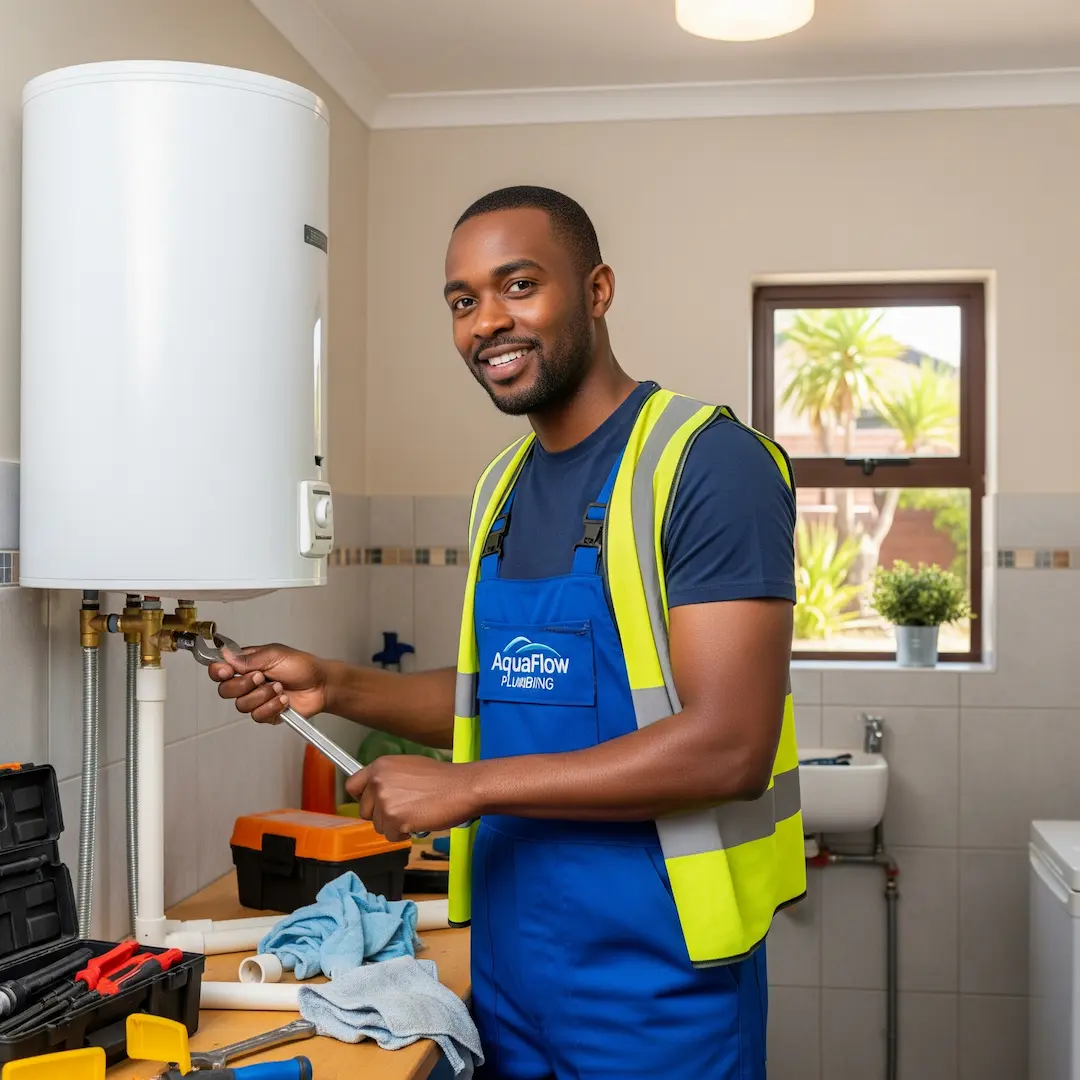
New Geyser? Choosing the Right Size & Type for Your South African Home
Choosing a new geyser in South Africa? Learn how to select the right size and type to ensure reliable hot water, control energy costs, and avoid costly installation mistakes.

New Geyser? Choosing the Right Size & Type for Your South African Home
Making the switch to a new geyser, or replacing an old one, can feel like a daunting task. With so many options available in the South African market, from different sizes to various heating technologies, it's easy to get overwhelmed. But choosing the right geyser is crucial for ensuring a comfortable hot water supply, managing your energy bills, and making a smart investment for your home.
As experts who regularly engage with top plumbers across South Africa, we've gathered their invaluable insights to help you navigate this decision. They've seen it all – from homes with geysers that are far too small, leading to cold showers and frustration, to oversized units that unnecessarily inflate electricity costs. This guide will help you understand the key factors to consider, ensuring you pick a geyser that perfectly suits your South African home and lifestyle.
How to Determine the Right Geyser Size for Your Household
The size of your geyser, measured in litres, is perhaps the most critical factor. An undersized geyser means running out of hot water quickly, while an oversized one wastes electricity by heating more water than you need. Here’s how our plumbing professionals recommend you calculate the ideal size:
- Consider the number of people in your household: This is the primary driver.
- 1-2 people: A 50-litre to 100-litre geyser is often sufficient for a single person or a couple with moderate hot water usage. Think of a compact apartment or a small cottage.
- 2-3 people: A 150-litre geyser is a popular choice for smaller families or couples who enjoy longer showers. One expert recently shared an anecdote about a young couple in Stellenbosch who initially opted for a 100L, only to find themselves constantly running out of hot water after a few months. Upgrading to a 150L solved their problem immediately.
- 3-4 people: A 200-litre geyser generally provides ample hot water for an average South African family with standard usage patterns, including multiple showers and daily dishwashing.
- 4+ people or larger homes with multiple bathrooms: A 250-litre to 300-litre geyser, or even multiple geysers, might be necessary. For instance, a large family with teenagers all showering around the same time would undoubtedly benefit from a bigger capacity or a strategically placed second geyser.
- Assess your hot water usage habits:Do you take long, luxurious showers or quick ones?
- Do you fill baths frequently? (A typical bath can use 150-200 litres of hot water!)
- Do you run your washing machine and dishwasher on hot cycles often?
- Do multiple people shower simultaneously?
- Number of bathrooms and hot water outlets: More bathrooms mean a higher demand for hot water, especially if they are used concurrently. In larger homes, plumbers often advise installing smaller geysers closer to the point of use for specific areas like a kitchen or guest bathroom, alongside a main geyser for the primary bathrooms. This reduces heat loss over long pipe runs and provides more efficient hot water delivery.
Understanding Different Geyser Types in South Africa
Beyond size, the type of geyser you choose significantly impacts energy efficiency, running costs, and convenience. South Africa offers a few main types, each with its own advantages and considerations:
1. Electric Storage Geysers
These are the most common geyser types found in South African homes. They consist of an insulated tank that heats and stores water using an electric element.
- Pros:Widespread availability: Easy to find and install.
- Relatively lower upfront cost: Compared to solar or gas systems.
- Reliable: Provides a consistent supply of hot water as long as there's electricity.
- Cons:High energy consumption: Geysers are typically the biggest electricity consumer in a household, often accounting for 30-40% of the monthly electricity bill. This is due to "standing loss" – the energy required to keep the stored water hot, even when not in use.
- Impact of load shedding: During power outages, you'll have no hot water once the stored water cools down.
- Energy Efficiency Rating: When purchasing, look for the South African Energy Efficiency Label. Geysers are given an energy efficiency class, with Class B or better being the current minimum standard for sale. A higher rating indicates better insulation and less standing loss, translating to savings on your electricity bill over time.
2. Gas Geysers
Gas geysers heat water on demand, meaning they only activate when a hot water tap is opened. They don't store hot water in a tank.
- Pros:Energy efficient: Only heat water when needed, leading to significant savings on electricity.
- Unaffected by load shedding: As long as you have gas, you'll have hot water. This is a major advantage for many South African households.
- Instant hot water: No waiting for a tank to heat up.
- Space-saving: Tankless design means they take up less space than traditional electric geysers.
- Cons:Higher upfront installation cost: Requires gas line installation and proper ventilation, which adds to the initial outlay.
- Requires gas supply: You'll need to manage LPG cylinders or have access to a natural gas line. Running out of gas means no hot water.
- Ventilation requirements: Strict safety regulations (e.g., SANS 10087 for gas installations) must be followed for safe operation. Always ensure a qualified and registered gas installer handles the installation.
3. Solar Geysers (Solar Water Heating Systems)
Solar geysers harness the abundant South African sunshine to heat water. They typically consist of solar collectors (panels or evacuated tubes) that absorb solar energy, and an insulated storage tank.
- Pros:Significant long-term savings: Can drastically reduce your electricity bill (up to 70% on water heating costs). Over its lifespan, a solar geyser can easily pay for itself in savings.
- Environmentally friendly: Reduces your carbon footprint by using renewable energy.
- Load shedding resilience: Provides hot water even during power cuts, as long as there's sun. Most systems also have an electric backup element for cloudy days or high demand.
- Cons:High initial investment: This is often the biggest barrier for homeowners, with systems costing significantly more than electric geysers. However, payback periods are often quoted around 3-5 years for retrofitted systems.
- Dependent on sunlight: Performance can be affected by prolonged cloudy weather or winter conditions.
- Roof space and orientation: Requires adequate, north-facing roof space for optimal performance.
- Maintenance: While generally low, components like collectors may need occasional cleaning, and the system should be checked annually for optimal performance.
- Direct vs. Indirect Systems:Direct systems: Water flows directly through the solar collectors and into the geyser. These are best suited for frost-free areas of South Africa.
- Indirect systems: A heat transfer fluid (like antifreeze) circulates through the collectors and a heat exchanger within the geyser, transferring heat to the water. These are recommended for areas prone to frost to prevent pipes from freezing and bursting. Many plumbers in frost-prone regions like parts of the Free State or Highveld will strongly recommend an indirect system.
4. Heat Pumps
While not a "geyser" in the traditional sense, heat pumps are an increasingly popular and highly efficient alternative for water heating. They work by extracting heat from the ambient air and transferring it to the water in your geyser tank, similar to how a refrigerator works in reverse.
- Pros:Highly energy efficient: Can be 3-4 times more efficient than traditional electric geysers, leading to substantial electricity savings. They "move" heat rather than "generating" it.
- Works day and night, in most weather: Unlike solar, they don't rely directly on sunshine and can operate effectively even on cloudy days or at night, as long as there's enough heat in the air.
- Reduced carbon footprint: Much lower emissions than electric geysers.
- Cons:Higher upfront cost: More expensive than electric geysers, though typically less than a full solar system.
- Requires space: Needs outdoor space for the compressor unit.
- Noise: The outdoor unit can generate some noise, similar to an air conditioner.
- Professional installation: Requires specialist installation to ensure optimal performance and safety.
Important Installation Considerations
Regardless of the type or size of geyser you choose, the installation process is critical. A proper installation ensures safety, efficiency, and compliance with South African regulations.
- SANS Regulations: All geyser installations and replacements in South Africa must comply with SANS (South African National Standards) 10254. This standard covers crucial aspects like pressure and temperature relief valves, vacuum breakers, drip trays, and support structures. For instance, SANS 10254 dictates that a drip tray must be installed under the geyser to catch any leaks, and its discharge pipe must lead to a visible point outside the building. This is not just a guideline; it's a legal requirement and often a condition for insurance claims.
- Qualified Professionals: Always use a qualified and registered plumber for geyser installation or repairs. For gas geysers, ensure the installer is registered with the Southern African Gas Association (SAGAS) or a similar accredited body. For solar and heat pump systems, choose installers with specific experience and certifications in these technologies. They will ensure compliance and proper system sizing and integration.
- Location: Geysers are typically installed in the roof space, but can also be wall-mounted or in a dedicated cupboard. The location can impact efficiency (longer pipe runs mean more heat loss) and accessibility for maintenance. Your installer can advise on the best placement for your home.
- Electrical Wiring: For electric geysers, ensure your electrical wiring can handle the geyser's load. A professional electrician should always connect the geyser to the main electrical supply.
A Note on DIY
While some minor tasks around the home might be suitable for DIY, working with geysers, especially installation or major repairs, is not one of them. Dealing with high-pressure water, electricity, or gas can be extremely dangerous if you don't have the necessary expertise and tools. Incorrect installation can lead to leaks, burst geysers, electrical shock, gas leaks, and even fires, posing a serious risk to your property and safety. Always engage with qualified and experienced professionals to ensure the work is done correctly and safely, adhering to all South African standards and regulations. Your insurance policy may also be voided if a non-qualified person installs or repairs your geyser.
Frequently Asked Questions
How long does a typical geyser last in South Africa?
A well-maintained electric geyser typically lasts between 5 to 10 years. Solar geysers, particularly the collectors, can last 15-20 years, while heat pumps generally have a lifespan of around 10-15 years for the main unit. Regular maintenance can significantly extend their lifespan.
Can I put my geyser on a timer to save electricity?
Yes, installing a geyser timer is an excellent way to save electricity. It allows you to program your geyser to heat water only during specific times when you need it most, such as in the mornings and evenings, avoiding unnecessary heating throughout the day and night. Many South African homeowners report significant savings using timers.
What are the signs that my geyser needs to be replaced?
Common signs include a lack of hot water, lukewarm water, water leaking from the geyser or drip tray, rusty water, strange noises (like banging or popping) coming from the geyser, or a constantly tripping electrical circuit breaker related to the geyser. If you notice any of these, it's best to call a professional to assess the situation.
Is it possible to combine different water heating systems?
Yes, hybrid systems are becoming more common in South Africa. For instance, you might have a solar geyser as your primary heating source, with an electric or gas backup for cloudy days or high demand. Some homeowners also combine a heat pump with an existing geyser tank. This approach offers the best of both worlds in terms of energy efficiency, reliability, and ensuring hot water availability.
Find a vetted plumber near you
Geyser installation and repairs: find a pro near you
- Geyser installation and repairs near you
- Geyser installation and repairs in Johannesburg
- Geyser installation and repairs in Sandton
- Geyser installation and repairs in Midrand
- Geyser installation and repairs in Roodepoort
- Geyser installation and repairs in Randburg
- Geyser installation and repairs in Pretoria
- Geyser installation and repairs in Cape Town
Suzette Meyer is the lead author and content creator for Kandua.com, South Africa’s #1 marketplace for home services. Suzette has made it her mission to help homeowners with advice on all aspects of home repair, maintenance and improvement, including how to choose the right Pro and how to make smart upgrades that improve your resale value or save costs.

Latest articles, advice and more
.webp)
.webp)
.webp)
.webp)
.jpeg)
Sinking Pavers, Weeds and Water That Pools: What Your Driveway Is Telling You
When your driveway starts sprouting weeds, pooling water, or sinking in patches, the bricks are not failing you. The layers underneath have moved, and they are trying to tell you exactly what went wrong.
.webp)
.webp)
Beyond the Unboxing: A Detailed Guide to Correct Washing Machine Plumbing & Setup
New washing machine in South Africa? Learn essential plumbing and setup tips to prevent leaks, ensure efficient operation, and extend your appliance’s lifespan - expert advice before your first load.
.webp)
New Washing Machine? Don't Plug It In Yet! Essential Installation Tips for SA Homes
Installing a new washing machine? Learn the essential setup steps South African homeowners often overlook to prevent leaks, noise, and damage—and ensure efficient, long-lasting performance from day one.
.webp)
.webp)
%25201200%2520x%25201200%2520(1).jpeg)
What Retiling a Bathroom Costs in 2026, Room by Room
Retiling a bathroom in South Africa costs between R230 and R800 per square metre in 2026, including materials and labour. A standard family bathroom, stripped and fully retiled, usually lands between R11,800 and R27,500. A guest toilet costs a fraction of that. A large porcelain en-suite costs a lot more.
How to Install a Horizontal Geyser | Step-by-Step Pro Guide
Want to install a geyser like a pro? This step-by-step tutorial shows you exactly how to do a horizontal Ariston Axios geyser installation, straight from the BluLever plumbing workshop. 🎥 Hosted by MK, BluLever’s technical facilitator, and supported by a qualified electrician, Life and a BluLever graduate artisan, Zinhle. This is your ultimate guide to a SANS 10254-compliant installation — from preparing the wall, to plumbing, electrical wiring, and pro troubleshooting tips.
How to Maintain a Geyser | Step-by-Step Pro Guide
Want to maintain a geyser like a pro? This step-by-step tutorial shows you exactly how to do the three core geyser maintenance checks on an Ariston Axios geyser installation, straight from the BluLever plumbing workshop. 🎥 Hosted by MK, BluLever’s technical facilitator, and supported by a qualified electrician, Life. This is your ultimate guide to geyser maintenance — from diagnosing the problem to checking the heat regulation of the geyser, to pressure regulation and then finally corrosion protection.
%201.avif)
Not just another newsletter. It's an advantage