
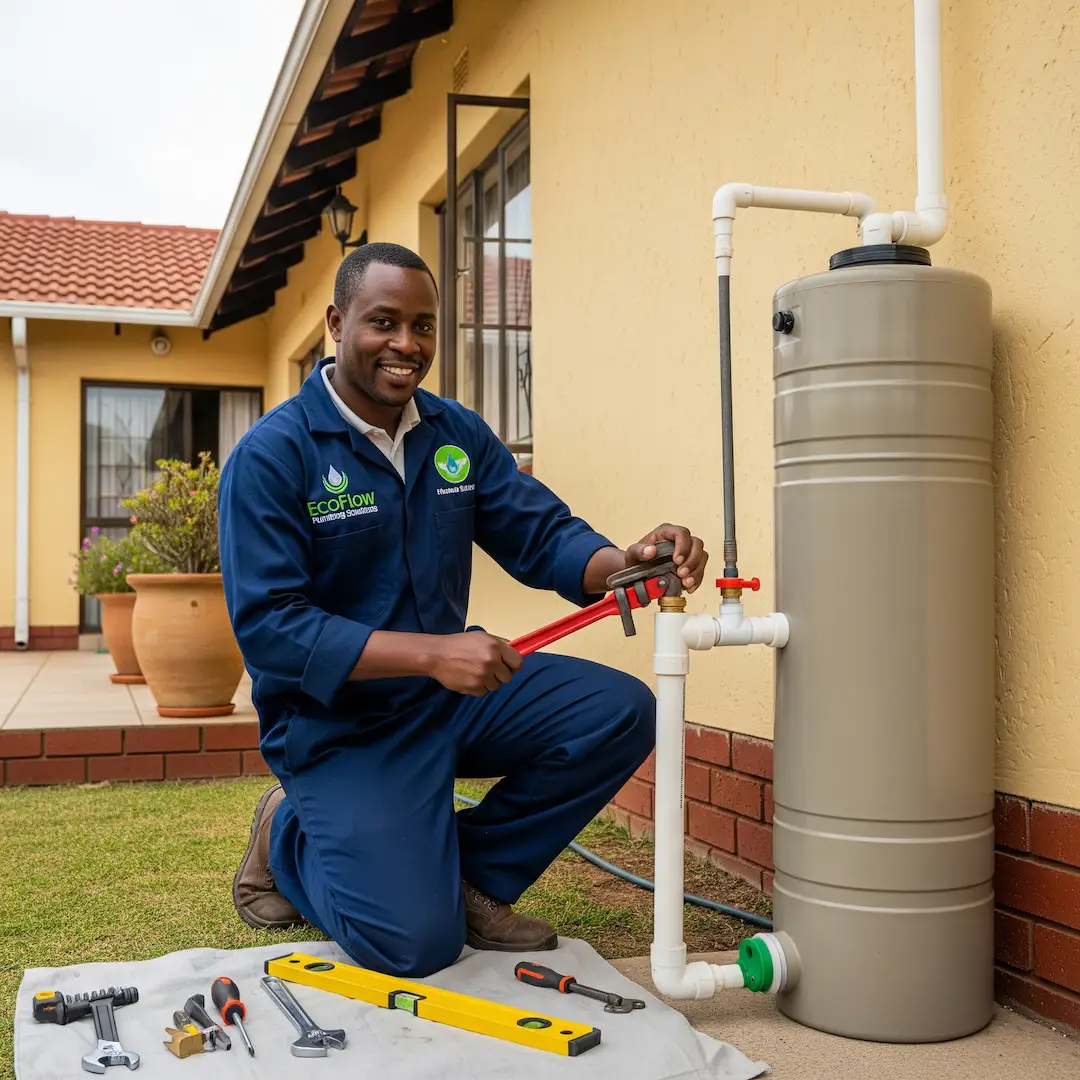
Securing Your Water Supply: Choosing a Reliable Partner for Water Backup Tank Installation in SA
Installing a water backup tank in South Africa? Learn why choosing the right professional installer matters, how to avoid costly mistakes, and ensure a safe, reliable water supply when outages strike.

Securing Your Water Supply: Choosing a Reliable Partner for Water Backup Tank Installation in SA
Water cuts, whether planned "water shedding" or unexpected infrastructure failures, are an increasingly common reality for South African households. While the decision to install a backup water tank is a significant step towards securing your home's water supply, the success of that investment hinges entirely on one crucial factor: the quality of the installation.
Choosing the right professional to install your system is not just about connecting a few pipes. It's about ensuring safety, reliability, and functionality when you need it most. A poorly installed tank can lead to property damage, contaminated water, or a system that simply fails during an outage. This guide will walk you through what separates a true expert from a casual handyman, empowering you to choose a reliable partner for this vital home upgrade.
Why a Professional Installer is Non-Negotiable
It can be tempting to save a few rands by attempting a DIY installation or hiring the first person with a bakkie and a toolbox who offers a cheap quote. However, our network of vetted plumbers has shared countless cautionary tales that highlight the immense risks involved.
One of our top-rated plumbers in Johannesburg recently recounted a call-out to a suburban home. The homeowner had installed a 2,500-litre tank themselves on a patch of lawn they thought was level. After the first heavy Highveld thunderstorm, the ground became saturated and softened. The immense weight of the water caused the base to shift, and the entire tank toppled over, cracking the foundation wall of their double garage. The cost of repairing the structural damage, not to mention the wasted water and broken tank, far exceeded the cost of a professional installation. This is a stark reminder that a water tank installation is a job for a qualified professional.
The Hallmarks of a True Water Tank Installation Expert
A genuine professional does more than just place a tank and connect it. They design and implement a complete system tailored to your home. Here’s what to look for.
Deep Knowledge of Sizing and System Design
The first question an expert will ask isn't "What size tank do you want?" but rather, "What do you need the water for?".
A true professional will assess several factors before recommending a solution:
- Household Size: The number of people living in your home is the primary factor for calculating daily water consumption.
- Intended Use: Are you looking to supply the entire house (toilets, showers, kitchen), or just a single tap in the kitchen for drinking and cooking? The answer dramatically changes the required tank size and pump specifications.
- Typical Outage Duration: They will consider how long water cuts typically last in your area. Is it a few hours, or do you need to prepare for several days without municipal supply?
- Available Space: An expert will perform a site assessment to determine the best location for the tank, considering both aesthetics and structural integrity.
Meticulous Expertise in Base Preparation
This is one of the most critical, yet often overlooked, aspects of a safe installation. Water is incredibly heavy—one litre weighs one kilogram. This means a standard 5,000-litre tank exerts five tonnes of pressure on the surface beneath it.
An experienced installer understands this and will insist on preparing a proper base. This typically involves:
- A Solid Concrete Slab: This is the industry standard. A reinforced concrete slab, perfectly level and cured, provides the most stable and durable foundation for the tank.
- Compacted Ground and Pavers: For smaller tanks, a properly constructed base using compacted ground and thick, high-quality pavers may be sufficient, but the installer must ensure the ground is stable and perfectly levelled.
A pro will never agree to place a tank directly on unprepared soil, lawn, or an uneven surface. Their refusal to cut this corner is a sign of their commitment to safety and quality.
Seamless Plumbing and Pump Integration
Connecting the tank to your home's plumbing is a complex task that requires a qualified plumber. A professional ensures the system is not only functional but also compliant with municipal bylaws.
Key components of a professional installation include:
- Correct Pipework: Using the right diameter and type of pipes (like UV-stabilised HDPE) to ensure good flow and longevity.
- Backflow Prevention: Installing a non-return valve is a legal requirement in most South African municipalities. This crucial device prevents water from your tank from flowing back into the municipal grid, which could cause contamination. An installer who doesn't mention this is a major red flag.
- The Right Pump: If your tank can't rely on gravity (i.e., it's not positioned high enough above the house), you'll need a pressure pump. An expert will help you choose a pump that matches your home's needs, ensuring you have adequate water pressure in your showers and taps. They will also install it correctly to prevent it from running dry or burning out.
- Filters and Valves: A professional will install necessary shut-off valves for maintenance and may recommend sediment filters to protect your pump and appliances.
Familiarity with Local Bylaws
Different metros, from eThekwini to Cape Town, have specific regulations regarding water storage tank installations. These can include rules about where a tank can be placed on your property (e.g., distance from boundary walls), requirements for backflow prevention, and sometimes even the colour of the tank. A reputable installer will be aware of the bylaws in your specific area and ensure your installation is fully compliant.
Key Questions to Ask Your Potential Installer
Before you agree to any work, arm yourself with the right questions. A confident and experienced professional will have no trouble providing clear, detailed answers.
- "Based on my family size and needs, what size tank and what type of pump do you recommend, and why?"
- "Could you please explain in detail how you will prepare the base for the tank?"
- "How will you integrate the tank with my home's plumbing system? What specific measures will you take for backflow prevention?"
- "Is the pump you're quoting powerful enough for my two-storey house? What are its specifications?"
- "Does your quote include all materials—the tank, base, pump, piping, and fittings—as well as labour?"
- "Are you and your team covered by public liability insurance in case of an accident on my property?"
- "Can you provide me with contact details for two or three recent clients who had a similar installation done?"
The quality of their answers will tell you everything you need to know about their level of expertise.
Red Flags to Watch Out For
Just as there are signs of a great installer, there are clear warning signs that should make you hesitate.
- Vague, "Thumbsuck" Quotes: A quote that says "Water tank job - R15,000" is not good enough. Demand an itemised list of all costs.
- Dismissing the Base: Any installer who says, "Don't worry, we'll just level the ground a bit," should be avoided.
- Pressure for a Cash Deal: While it might seem cheaper, a cash-only deal with no invoice leaves you with no recourse if something goes wrong.
- Lack of Specific Knowledge: If they can't confidently explain the difference between pump types or why a non-return valve is essential, they lack the necessary expertise.
- No Verifiable References: An experienced installer will be proud of their work and happy to provide references.
Ultimately, installing a water backup system is an investment in your family's comfort and security. By choosing a qualified, experienced, and trustworthy professional, you ensure that your system will be a reliable source of water for years to come, ready to serve you the moment the municipal taps run dry.
Frequently Asked Questions
How long does a typical water backup tank installation take?
A standard installation, including the construction of a concrete base, usually takes two to three days. Day one is often dedicated to preparing the site and pouring the concrete slab, which then needs time to cure properly. The second or third day involves placing the tank, connecting all the plumbing, and commissioning the pump.
Does a backup water tank need a lot of maintenance?
Maintenance is relatively low but important. It’s recommended to clean the tank annually to remove any sediment that may have accumulated. You should also regularly check the gutters and leaf diverters (if it’s connected to a rainwater system) and test the pump to ensure it’s operating correctly. Your installer should provide you with a basic maintenance checklist.
Will my water pressure be the same with a backup tank?
This depends entirely on the pump you install. A correctly sized and installed pressure pump can provide water pressure that is equal to, or even better than, your typical municipal pressure. If you rely on a gravity-fed system without a pump, the pressure will be lower and depends on how high the tank is elevated.
Can I connect my rainwater harvesting system to my municipal backup tank?
Yes, it is possible to create a hybrid system, but it must be designed correctly by a professional. The system needs to be set up to prioritise rainwater use and automatically switch to municipal backup water when the rainwater tank is empty. It also requires proper filtration to ensure the water entering your home is clean.
Find a vetted plumber near you
Water tanks and backup systems: find a pro near you
- Water tanks and backup systems near you
- Water tanks and backup systems in Johannesburg
- Water tanks and backup systems in Sandton
- Water tanks and backup systems in Midrand
- Water tanks and backup systems in Roodepoort
- Water tanks and backup systems in Randburg
- Water tanks and backup systems in Pretoria
- Water tanks and backup systems in Cape Town
Suzette Meyer is the lead author and content creator for Kandua.com, South Africa’s #1 marketplace for home services. Suzette has made it her mission to help homeowners with advice on all aspects of home repair, maintenance and improvement, including how to choose the right Pro and how to make smart upgrades that improve your resale value or save costs.

Latest articles, advice and more
.webp)
.webp)
.webp)
.webp)
.jpeg)
Sinking Pavers, Weeds and Water That Pools: What Your Driveway Is Telling You
When your driveway starts sprouting weeds, pooling water, or sinking in patches, the bricks are not failing you. The layers underneath have moved, and they are trying to tell you exactly what went wrong.
.webp)
.webp)
Beyond the Unboxing: A Detailed Guide to Correct Washing Machine Plumbing & Setup
New washing machine in South Africa? Learn essential plumbing and setup tips to prevent leaks, ensure efficient operation, and extend your appliance’s lifespan - expert advice before your first load.
.webp)
New Washing Machine? Don't Plug It In Yet! Essential Installation Tips for SA Homes
Installing a new washing machine? Learn the essential setup steps South African homeowners often overlook to prevent leaks, noise, and damage—and ensure efficient, long-lasting performance from day one.
.webp)
.webp)
%25201200%2520x%25201200%2520(1).jpeg)
What Retiling a Bathroom Costs in 2026, Room by Room
Retiling a bathroom in South Africa costs between R230 and R800 per square metre in 2026, including materials and labour. A standard family bathroom, stripped and fully retiled, usually lands between R11,800 and R27,500. A guest toilet costs a fraction of that. A large porcelain en-suite costs a lot more.
How to Install a Horizontal Geyser | Step-by-Step Pro Guide
Want to install a geyser like a pro? This step-by-step tutorial shows you exactly how to do a horizontal Ariston Axios geyser installation, straight from the BluLever plumbing workshop. 🎥 Hosted by MK, BluLever’s technical facilitator, and supported by a qualified electrician, Life and a BluLever graduate artisan, Zinhle. This is your ultimate guide to a SANS 10254-compliant installation — from preparing the wall, to plumbing, electrical wiring, and pro troubleshooting tips.
How to Maintain a Geyser | Step-by-Step Pro Guide
Want to maintain a geyser like a pro? This step-by-step tutorial shows you exactly how to do the three core geyser maintenance checks on an Ariston Axios geyser installation, straight from the BluLever plumbing workshop. 🎥 Hosted by MK, BluLever’s technical facilitator, and supported by a qualified electrician, Life. This is your ultimate guide to geyser maintenance — from diagnosing the problem to checking the heat regulation of the geyser, to pressure regulation and then finally corrosion protection.
%201.avif)
Not just another newsletter. It's an advantage