
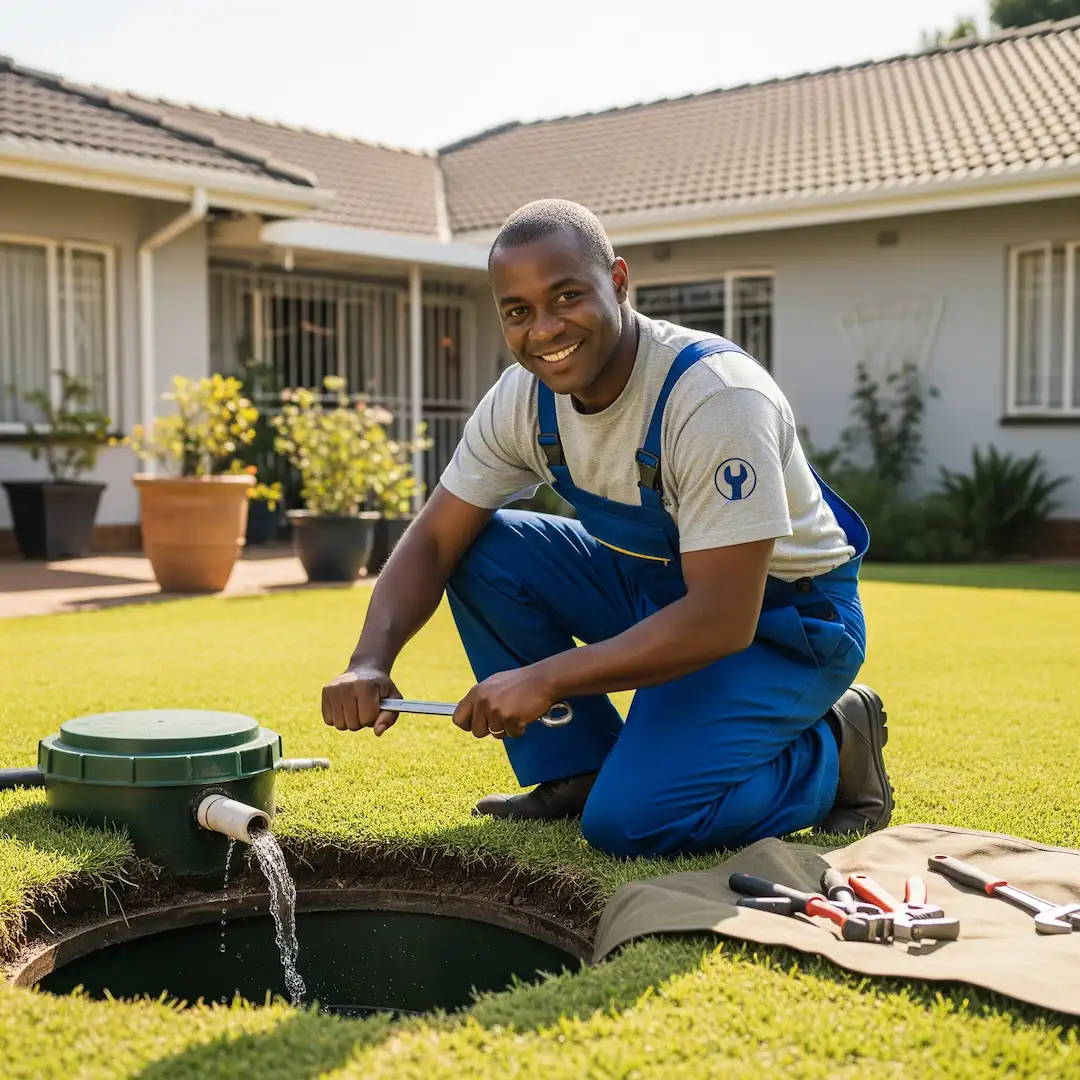
Suspect a Septic Tank Leak? Why Immediate & Expert Repair Protects Your Property & Health in SA
Suspect a septic tank leak in South Africa? Learn the warning signs, health risks, and why immediate expert repair is essential to protect your property, family, and environment.

Suspect a Septic Tank Leak? Why Immediate & Expert Repair Protects Your Property & Health in SA
That nagging, unpleasant smell in your garden. A patch of grass that’s suddenly far greener and more lush than the rest. A soggy, marshy area near where you know your septic tank lies. These aren't just minor inconveniences; they are urgent warning signs of a potential septic tank leak.
For South African homeowners on properties with septic systems, recognising these signs is the first step. The second, and most critical, is understanding that this is not a "wait and see" problem or a job for a general handyman. A leaking septic tank poses significant risks to your family's health, your property's value, and the local environment. Acting fast and hiring a specialist is the only responsible choice.
This guide explains the real dangers of a septic leak and why a professional diagnosis and repair are non-negotiable.
The Telltale Signs: How to Confirm Your Suspicions
If you're reading this, you probably already have a suspicion that something is wrong. Let's confirm those signs. A leaking or failing septic system will almost always leave clues. Be on the lookout for:
- Foul Odours: A distinct sewage or "rotten egg" smell around the tank or the drain field (soakaway) area is the most common red flag.
- Unusual Vegetation Growth: If a specific patch of grass over your septic system is suddenly incredibly green and healthy, it's often being "fertilised" by leaking wastewater.
- Soggy Ground or Pooling Water: Pay close attention to damp or waterlogged patches of soil, especially during dry weather. This indicates that liquid is seeping to the surface instead of being processed correctly underground.
- Plumbing Backups: Frequent clogs, slow drains throughout the house, or gurgling sounds from your pipes can signal that the septic system is full or failing, leading to pressure and potential leaks.
- Visible Sewage: In severe cases, you may see raw sewage backing up into your home through floor drains, showers, or toilets. This is a critical emergency.
Why a Septic Tank Leak is More Than Just a Bad Smell
It's easy to underestimate the severity of a septic leak, but the wastewater (known as effluent) escaping the system is a serious biohazard. The consequences of ignoring it can be far-reaching and costly.
Serious Health Risks for Your Family and Pets
Untreated household wastewater is teeming with harmful pathogens. When it leaks from the tank or pipes, it contaminates the surrounding soil and can easily reach the surface where your children and pets play. This effluent contains:
- Bacteria: Including dangerous strains like E. coli, Salmonella, and others that can cause severe gastrointestinal illness.
- Viruses: Such as Hepatitis A and Norovirus.
- Parasites: Like Giardia, which can cause serious digestive distress.
If this contaminated water seeps into your borehole—or your neighbour's—it can pollute your primary source of drinking and household water, creating a major health crisis.
Environmental Contamination and Property Damage
The impact extends beyond immediate health concerns. A persistent septic leak can cause significant and expensive damage:
- Groundwater Pollution: South Africa is a water-scarce country, and many properties rely on groundwater. Septic leaks are a primary cause of borehole and aquifer contamination, rendering water unsafe for consumption.
- Soil Damage: The high concentration of nitrates, phosphates, and bacteria in effluent can "burn" and destroy the soil's natural balance over time, making it difficult for anything to grow and potentially requiring expensive soil remediation.
- Structural Risks: If a leak is caused by a crack in the tank wall, the escaping water can erode the soil supporting the tank. This can lead to further structural failure or, in the worst-case scenario, a partial collapse of the tank.
The Anatomy of a Leak: What Could Be Wrong?
A "septic leak" is a general term. A qualified professional will diagnose the specific cause to ensure the right repair is performed. The problem usually stems from one of several areas:
- Cracks in the Tank: Concrete tanks can crack due to age, ground shifting, or pressure. Fibreglass and plastic tanks can also be damaged during installation or by ground movement.
- Damaged Inlet or Outlet Pipes: The pipes connecting your home to the tank (inlet) or the tank to the soakaway (outlet) can break, crack, or become dislodged due to tree roots, shifting soil, or being driven over by heavy vehicles.
- Failed Seals: The seals around the manhole cover or where pipes enter the tank can degrade over time, creating a common point for leaks.
- Failing Drain Field (Soakaway): Sometimes, the issue isn't the tank itself but the soakaway. If the ground becomes saturated or clogged, it can no longer absorb the effluent, forcing it back up towards the tank and to the surface.
Why "DIY" and "Handyman" are Dangerous Words for Septic Repairs
When faced with a leak, the temptation to find a quick, cheap fix can be strong. However, this is one area where cutting corners can have disastrous consequences.
One of our vetted septic specialists in Gauteng shared a story about a homeowner on a smallholding who noticed a damp patch in their yard. They hired a general handyman who, unsure of the cause, simply dug a small trench to "divert the water" and covered it with soil. A month later, the problem was ten times worse. The entire area had become a foul-smelling swamp, their borehole water was unsafe to drink, and the original issue—a major crack in the tank—had worsened. The eventual professional repair and soil decontamination cost the homeowner a small fortune, far more than if they had called a specialist from the start.
Here's why you must insist on an expert:
- Extreme Safety Hazards: Septic tanks contain toxic and flammable gases like hydrogen sulfide and methane. Entering or working in an unventilated tank without proper equipment and training can be fatal. Furthermore, direct contact with raw sewage without personal protective equipment (PPE) is a severe biohazard risk.
- Complex Diagnosis: Finding the exact location and cause of a leak is not guesswork. A specialist knows how to interpret the signs and may use tools like drain cameras to inspect pipes without extensive digging. Misdiagnosing the problem means the repair will fail.
- Specialised Repair Techniques: Repairing a concrete or fibreglass tank requires specific materials and methods to ensure a permanent, watertight seal. Using the wrong type of sealant or patch will fail quickly.
Disclaimer: Attempting to inspect or repair a septic tank yourself is extremely dangerous. Due to the risk of toxic gas exposure, biohazards, and potential for structural collapse, this work should only be performed by qualified and experienced professionals.
What to Expect from a Professional Septic Tank Repair Service
Calling in a specialist gives you peace of mind that the job will be done safely and correctly. Here is what the process typically looks like:
- Safety and Site Assessment: A professional will arrive and first assess the site for any immediate safety risks. They will ask you about the symptoms you've noticed and the history of your system.
- Pumping the Tank: In nearly all cases, the tank must be pumped out by a professional honeysucker service. This is essential for a safe and thorough internal inspection.
- Locating the Leak: Once empty, the specialist can safely inspect the tank's interior and exterior walls, baffles, and pipe connections to pinpoint the source of the leak. This may involve some digging around the tank.
- Clear Explanation and Quote: The expert will clearly explain what the problem is, how they plan to fix it, and provide you with a detailed quotation for the work.
- Performing the Repair: Using industry-standard materials and techniques, they will repair the crack, replace the broken pipe, or fix the faulty seal.
- Testing and Backfilling: After the repair, the specialist will test its integrity to ensure it's fully sealed before carefully backfilling the excavated area and cleaning up the site.
A suspected septic leak is an alarm bell you cannot afford to ignore. The risks to your family’s health, your property, and the environment are real and significant. By taking swift action and entrusting the repair to a qualified specialist, you are making the safest, most effective, and ultimately most cost-efficient decision.
Frequently Asked Questions
How long does a septic tank repair usually take?
A straightforward repair, such as patching a small crack or fixing a seal, can often be completed within a day, including pumping the tank. More complex issues, like replacing a broken underground pipe or dealing with a failed soakaway, could take two to three days.
Will my garden be completely destroyed during the repair?
A professional will always aim to minimise disruption. While some digging around the tank and/or pipes is usually unavoidable, a good contractor will work carefully to limit the size of the excavation and will backfill the area properly once the repair is complete. You may need to reseed a patch of lawn, but widespread damage is uncommon for standard repairs.
Can a leaking septic tank contaminate my neighbour's property or borehole?
Yes, absolutely. Effluent can travel surprisingly far underground through the water table. If your leak contaminates a neighbour's soil or borehole, you could be held legally and financially responsible for the damages and clean-up costs. This is a major reason why immediate professional repair is so critical.
After the repair, how can I prevent future leaks?
Regular maintenance is key. Have your tank pumped and inspected every 3-5 years. Avoid planting trees or large shrubs near the tank and soakaway, as roots can cause damage. Never flush non-biodegradable items, and be mindful of pouring harsh chemicals, oils, or grease down your drains.
Find a vetted plumber near you
Septic systems maintenance: find a pro near you
- Septic systems maintenance near you
- Septic systems maintenance in Johannesburg
- Septic systems maintenance in Sandton
- Septic systems maintenance in Midrand
- Septic systems maintenance in Roodepoort
- Septic systems maintenance in Randburg
- Septic systems maintenance in Pretoria
- Septic systems maintenance in Cape Town
Suzette Meyer is the lead author and content creator for Kandua.com, South Africa’s #1 marketplace for home services. Suzette has made it her mission to help homeowners with advice on all aspects of home repair, maintenance and improvement, including how to choose the right Pro and how to make smart upgrades that improve your resale value or save costs.

Latest articles, advice and more
.webp)
.webp)
.webp)
.webp)
.jpeg)
Sinking Pavers, Weeds and Water That Pools: What Your Driveway Is Telling You
When your driveway starts sprouting weeds, pooling water, or sinking in patches, the bricks are not failing you. The layers underneath have moved, and they are trying to tell you exactly what went wrong.
.webp)
.webp)
Beyond the Unboxing: A Detailed Guide to Correct Washing Machine Plumbing & Setup
New washing machine in South Africa? Learn essential plumbing and setup tips to prevent leaks, ensure efficient operation, and extend your appliance’s lifespan - expert advice before your first load.
.webp)
New Washing Machine? Don't Plug It In Yet! Essential Installation Tips for SA Homes
Installing a new washing machine? Learn the essential setup steps South African homeowners often overlook to prevent leaks, noise, and damage—and ensure efficient, long-lasting performance from day one.
.webp)
.webp)
%25201200%2520x%25201200%2520(1).jpeg)
What Retiling a Bathroom Costs in 2026, Room by Room
Retiling a bathroom in South Africa costs between R230 and R800 per square metre in 2026, including materials and labour. A standard family bathroom, stripped and fully retiled, usually lands between R11,800 and R27,500. A guest toilet costs a fraction of that. A large porcelain en-suite costs a lot more.
How to Install a Horizontal Geyser | Step-by-Step Pro Guide
Want to install a geyser like a pro? This step-by-step tutorial shows you exactly how to do a horizontal Ariston Axios geyser installation, straight from the BluLever plumbing workshop. 🎥 Hosted by MK, BluLever’s technical facilitator, and supported by a qualified electrician, Life and a BluLever graduate artisan, Zinhle. This is your ultimate guide to a SANS 10254-compliant installation — from preparing the wall, to plumbing, electrical wiring, and pro troubleshooting tips.
How to Maintain a Geyser | Step-by-Step Pro Guide
Want to maintain a geyser like a pro? This step-by-step tutorial shows you exactly how to do the three core geyser maintenance checks on an Ariston Axios geyser installation, straight from the BluLever plumbing workshop. 🎥 Hosted by MK, BluLever’s technical facilitator, and supported by a qualified electrician, Life. This is your ultimate guide to geyser maintenance — from diagnosing the problem to checking the heat regulation of the geyser, to pressure regulation and then finally corrosion protection.
%201.avif)
Not just another newsletter. It's an advantage