
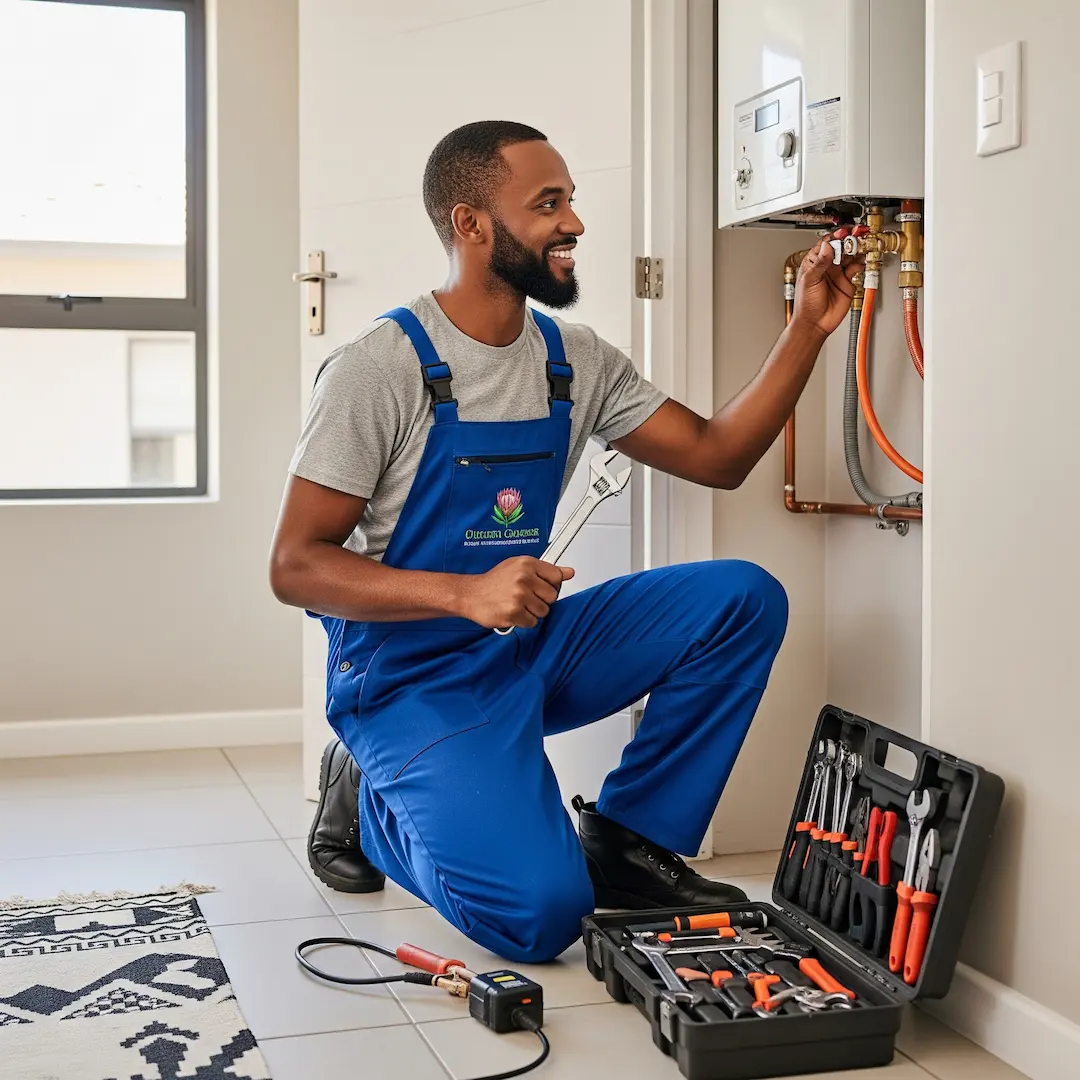
Thinking of a Dishwasher? What You Need to Know Before Buying & Installing
Thinking of installing a dishwasher in South Africa? Learn essential pre-installation considerations to avoid hidden costs, ensure compatibility, and enjoy hassle-free setup from day one.

So, you're dreaming of a life without endless dishwashing by hand? A dishwasher can be a real game-changer in any South African home, saving you time, water, and effort. But before you rush out to buy that gleaming new appliance, there are a few crucial things to consider. Proper planning now can save you a lot of hassle and unexpected costs down the line.
This guide will walk you through the essential pre-installation considerations, drawing on insights from experienced appliance installers across South Africa.
Understanding Your Dishwasher Installation Needs
Installing a dishwasher isn't just about plugging it in. It involves connecting to your home's water supply, drainage system, and electrical supply. This is why understanding these requirements beforehand is vital. Many homeowners assume it’s a simple swap, but often, older homes or homes without pre-existing dishwasher points will need some modifications.
Electrical Requirements: Powering Up Your Appliance
Dishwashers, especially modern ones, require a dedicated power source. This is a common point where installers share stories of unexpected delays. For example, one installer recalled a job in an older Durban North home where the homeowner had a perfect spot for the dishwasher, but the nearest plug point was on a shared circuit, causing trips when other appliances were in use. They had to install a new dedicated circuit, which added time and cost to the project.
Most dishwashers need a standard 15-amp, 230-volt earthed power outlet. It's crucial that this outlet is on a dedicated circuit to prevent overloading your electrical system, which can trip breakers or even damage your new appliance. If you don't have an appropriate outlet nearby, a qualified electrician will need to install one. This isn't a DIY job – messing with electricals without proper training can be extremely dangerous and violates safety regulations like the SANS 10142-1 standard for electrical installations.
Water Supply: Getting the Clean Water In
Your dishwasher needs a reliable supply of hot or cold water, depending on the model. Most modern dishwashers are designed to heat their own water, so a cold water connection is usually sufficient. However, some older models or certain high-end units might benefit from a hot water connection.
The connection point will typically be a standard 15mm copper pipe fitting with a stopcock (isolation valve). This allows you to turn off the water supply to the dishwasher independently if needed for maintenance or repairs. If you don't have a suitable water connection near your desired dishwasher location, a plumber will need to extend your existing plumbing. This often involves tapping into the sink's cold water line or a nearby washing machine connection.
A quick note based on real-world experience, particularly in older South African homes: always check your water pressure. Installers sometimes find that homes with very low water pressure can impact a dishwasher's performance. While not a deal-breaker, it's something to be aware of and potentially discuss with your plumber.
Drainage: Getting the Dirty Water Out
Just as important as getting water in is getting the dirty water out. Dishwashers drain into your home's waste pipe system, typically through a connection to the sink's U-bend or a dedicated spigot on the drain pipe. The connection needs to be higher than the bottom of the dishwasher to prevent backflow and ensure proper drainage – this is often achieved with a high loop in the drain hose.
One common issue installers encounter is an inadequate drain connection. For instance, a homeowner might have an old washing machine drain that's too small or clogged. Or, they might try to simply connect the dishwasher's drain hose directly into the sink, which can lead to foul odours and drainage issues. A professional will ensure the drain connection is secure, properly sealed, and meets local plumbing standards to prevent leaks and blockages.
Essential Pre-Installation Checklist
Before you even start Browse dishwasher models, here’s a checklist of key considerations:
- Space and Dimensions: Measure the height, width, and depth of the space where you plan to install the dishwasher. Don't forget to account for opening the door fully and leaving a small gap for ventilation if required by the manufacturer. Remember to measure the access path as well – you don't want to buy a dishwasher only to find it won't fit through your doorways!
- Proximity to Services:Electrical Outlet: Is there a suitable earthed power outlet nearby? Is it on a dedicated circuit?
- Water Supply: Is there a cold (or hot, if preferred) water connection with a stopcock within reach?
- Drainage: Is there an accessible waste pipe connection, ideally near your sink?
- Flooring: Ensure the floor in the installation area is level and strong enough to support the weight of the dishwasher when it's full of water and dishes.
- Cabinetry: If you're installing a built-in or integrated dishwasher, ensure your cabinetry can accommodate it. This might involve removing existing cupboard shelves or making adjustments. Some homeowners choose to modify existing cabinets, while others opt for new purpose-built cabinetry.
- Ventilation: Some built-in dishwashers require specific ventilation considerations to prevent moisture build-up in cabinetry. Consult the manufacturer's guidelines.
Common Pitfalls to Avoid
Drawing on the collective experience of many appliance installation experts, here are some common mistakes homeowners make that can lead to headaches:
- Underestimating Utility Requirements: This is by far the most frequent issue. "I just thought it would plug in like a toaster!" is a common sentiment. Always verify your electrical, water, and drainage readiness before purchasing.
- DIY Installation Without Expertise: While some might be tempted to save costs, plumbing and electrical work carry significant risks if not done correctly. Leaks can cause extensive water damage, and incorrect electrical wiring can lead to fires or electrocution. It’s always safer and more reliable to use qualified professionals.
- Ignoring Manufacturer Specifications: Every dishwasher comes with specific installation instructions. These detail everything from water pressure requirements to clearance gaps. Deviating from these can void your warranty and lead to operational issues.
- Not Considering Future Maintenance: Think about how easy it will be to access the connections behind the dishwasher if it ever needs servicing. Sometimes, sacrificing a tiny bit of counter space for better access can save a lot of trouble later.
- Poorly Planned Drainage: A common mistake is a poorly configured drain hose, leading to water backing up into the dishwasher or foul odours from the drain. A high loop in the drain hose and a proper connection to the waste pipe are critical.
By taking the time to assess your home's readiness and understand the professional requirements for a dishwasher installation, you'll be well on your way to enjoying the convenience of a sparkling clean kitchen.
Frequently Asked Questions
How long does a typical dishwasher installation take?
The duration of a dishwasher installation can vary. If all the necessary connections (electrical, water, and drain) are already in place and easily accessible, a standard installation might take anywhere from 1 to 3 hours. However, if new plumbing or electrical work is required, it could extend to a half-day or even a full day, depending on the complexity.
Can I install a dishwasher myself?
While some very basic freestanding dishwashers might seem simple to connect, it's generally not recommended for DIY, especially for integrated or built-in models. Dishwasher installation involves working with electricity, water supply, and drainage, all of which require specific knowledge and adherence to safety standards. Incorrect installation can lead to leaks, electrical hazards, or damage to your appliance and home. It's always best to use a qualified plumber or appliance installer.
What's the difference between a freestanding and an integrated dishwasher in terms of installation?
A freestanding dishwasher is a finished appliance that can stand on its own, and its installation primarily involves connecting the utilities behind it. An integrated (or built-in) dishwasher is designed to be hidden behind a cabinet door that matches your kitchen cabinetry. Its installation is more complex as it requires precise fitting into the cabinet space, often involving adjustments to the cabinetry and the secure attachment of the cabinet door.
Do I need a hot water connection for my new dishwasher?
Most modern dishwashers are designed to connect to a cold water supply and have internal heating elements to heat the water to the required temperature. This is generally more energy-efficient as it only heats the water when needed. Some older models or specific high-end units might recommend a hot water connection, but for the vast majority, a cold water line is perfectly sufficient. Always check the manufacturer's specifications for your particular model.
Find a vetted plumber near you
Dishwasher installation: find a pro near you
Suzette Meyer is the lead author and content creator for Kandua.com, South Africa’s #1 marketplace for home services. Suzette has made it her mission to help homeowners with advice on all aspects of home repair, maintenance and improvement, including how to choose the right Pro and how to make smart upgrades that improve your resale value or save costs.

Latest articles, advice and more
.webp)
.webp)
.jpeg)
Sinking Pavers, Weeds and Water That Pools: What Your Driveway Is Telling You
When your driveway starts sprouting weeds, pooling water, or sinking in patches, the bricks are not failing you. The layers underneath have moved, and they are trying to tell you exactly what went wrong.
.jpeg)
What Your Garage Door Motor Actually Does (And Why It Breaks)
Spoiler alert: your garage door motor isn't actually doing the heavy lifting. The torsion springs carry almost all the weight. The motor simply pushes, pulls, controls the descent so it doesn't slam, and acts as a lock when the door is shut. That’s why a relatively small box on your ceiling can move such a massive door. Want to test this? Pull the red manual release cord and lift the door by hand. If it glides up easily and stays put when you let go, your springs are doing their job, and the fault lies with the motor. If the door feels like dead weight or slams back down- stop. You’ve got a spring problem.
.jpeg)
4 Warning Signs Your Tiles Are Failing (And What They Mean)
Tiles rarely fail overnight. They warn you first. A hollow sound underfoot, grout that crumbles away, a tile that lifts at one edge, or a crack that runs across two tiles all point to something happening under the surface. Here is what each sign means, and how urgent it is.
.webp)
.webp)
Beyond the Unboxing: A Detailed Guide to Correct Washing Machine Plumbing & Setup
New washing machine in South Africa? Learn essential plumbing and setup tips to prevent leaks, ensure efficient operation, and extend your appliance’s lifespan - expert advice before your first load.
.webp)
New Washing Machine? Don't Plug It In Yet! Essential Installation Tips for SA Homes
Installing a new washing machine? Learn the essential setup steps South African homeowners often overlook to prevent leaks, noise, and damage—and ensure efficient, long-lasting performance from day one.
.webp)
.webp)
%25201200%2520x%25201200%2520(1).jpeg)
What Retiling a Bathroom Costs in 2026, Room by Room
Retiling a bathroom in South Africa costs between R230 and R800 per square metre in 2026, including materials and labour. A standard family bathroom, stripped and fully retiled, usually lands between R11,800 and R27,500. A guest toilet costs a fraction of that. A large porcelain en-suite costs a lot more.
How to Install a Horizontal Geyser | Step-by-Step Pro Guide
Want to install a geyser like a pro? This step-by-step tutorial shows you exactly how to do a horizontal Ariston Axios geyser installation, straight from the BluLever plumbing workshop. 🎥 Hosted by MK, BluLever’s technical facilitator, and supported by a qualified electrician, Life and a BluLever graduate artisan, Zinhle. This is your ultimate guide to a SANS 10254-compliant installation — from preparing the wall, to plumbing, electrical wiring, and pro troubleshooting tips.
How to Maintain a Geyser | Step-by-Step Pro Guide
Want to maintain a geyser like a pro? This step-by-step tutorial shows you exactly how to do the three core geyser maintenance checks on an Ariston Axios geyser installation, straight from the BluLever plumbing workshop. 🎥 Hosted by MK, BluLever’s technical facilitator, and supported by a qualified electrician, Life. This is your ultimate guide to geyser maintenance — from diagnosing the problem to checking the heat regulation of the geyser, to pressure regulation and then finally corrosion protection.
%201.avif)
Not just another newsletter. It's an advantage