
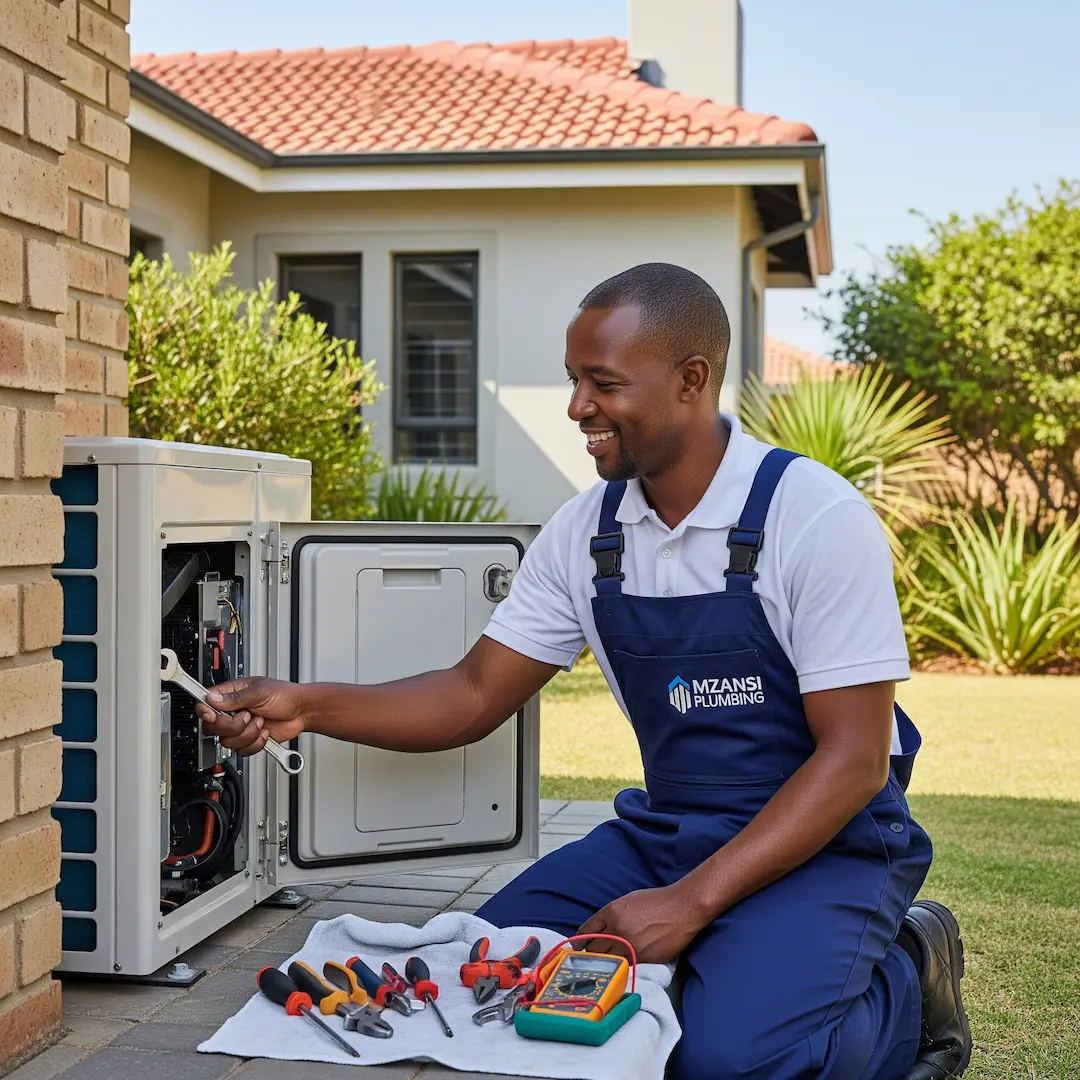
Your Heat Pump is Repaired! How to Spot Early Warnings for Future Prevention in SA
Heat pump repaired? Learn how to spot early warning signs, prevent future breakdowns, and protect your hot water system with simple preventative tips tailored for South African homes.

Your Heat Pump is Repaired! How to Spot Early Warnings for Future Prevention in SA
It's a relief when your heat pump is back up and running, providing efficient hot water for your home. But the repair process isn't just about fixing the immediate problem; it's also a valuable opportunity to learn how to keep your system running smoothly and prevent future breakdowns. As experienced plumbers often share, many common issues can be caught early if you know what to look and listen for.
This guide will walk you through some key indicators and preventative measures, helping you become more attuned to your heat pump's health. Think of it as developing an early warning system for your hot water supply!
Understanding How Your Heat Pump Should Behave
Before we dive into potential problems, let's quickly recap how a healthy heat pump generally operates. This baseline understanding is crucial for spotting deviations.
A properly functioning heat pump should:
- Produce consistent hot water: You should have hot water when you need it, at the temperature you've set.
- Operate relatively quietly: While there's always some operational noise, it should be a consistent, low hum, without loud bangs, grinding, or excessive vibrations.
- Have steady energy consumption: While this can fluctuate with usage, sudden spikes or prolonged high consumption without a clear reason could be a red flag.
- Show no visible leaks or corrosion: The unit and its connections should be dry and free from rust.
Subtle Sounds to Listen For
One of the best ways to detect a developing issue is by paying close attention to the sounds your heat pump makes. Our expert service providers often explain that small changes in acoustics can be early indicators of a bigger problem.
- Persistent Humming or Buzzing (Louder than usual): While a gentle hum is normal, if it becomes noticeably louder or changes in pitch, it could indicate an issue with the compressor, fan motor, or even electrical components. One plumber recalled a client in Durban who noticed a subtle but consistent increase in the humming sound over a few weeks. It turned out to be the early stages of a failing compressor bearing, which was caught before it completely seized.
- Clicking or Ticking: Occasional clicks during start-up or shut-down might be normal for relays, but persistent clicking, especially when the unit is running, could signal an electrical problem or a fan blade hitting something.
- Squealing or Grinding: These noises are usually a dead giveaway of mechanical issues, often related to the fan motor bearings or the compressor. If you hear this, it's best to switch off the unit and call in a professional immediately to prevent further damage.
- Gurgling or Hissing: These sounds can sometimes indicate refrigerant leaks, especially if accompanied by a noticeable drop in heating efficiency. Hissing could also be air in the system or even a small water leak.
Visual Cues That Demand Attention
Beyond sounds, a visual inspection can reveal a lot about your heat pump's condition.
- Water Leaks Around the Unit: Even small puddles or drips near the heat pump are cause for concern. Leaks could stem from loose connections, a cracked tank, a faulty pressure relief valve, or issues with the condensate drain line. It's crucial to address these quickly to prevent water damage and further system issues.
- Corrosion or Rust: Look for signs of rust on the exterior casing, pipes, or connections. Rust indicates moisture presence and can weaken components over time. If you notice rust, especially around water connections, it's a clear sign that a professional inspection is needed.
- Ice Formation on Coils: If you see ice building up on the outdoor unit's coils (if applicable to your model), it's a sign that the unit is struggling to transfer heat. This could be due to low refrigerant levels, a dirty coil, or a malfunctioning defrost cycle.
- Excessive Dirt or Debris on Coils/Fan: Over time, dust, leaves, and other debris can accumulate on the outdoor unit's coils and fan blades, impeding airflow. This forces the unit to work harder, reducing efficiency and potentially leading to premature wear. Regularly clearing visible debris can make a big difference.
Performance Indicators to Monitor
Your heat pump's performance is the ultimate gauge of its health. Keep an eye on these aspects:
- Reduced Hot Water Supply or Fluctuating Temperatures: If you're running out of hot water faster than usual, or if the water temperature isn't consistent, it indicates a problem. This could be anything from a faulty thermostat to a refrigerant issue or a struggling compressor.
- Increased Energy Bills: While seasonal changes affect energy consumption, a sudden or sustained spike in your electricity bill without a corresponding increase in hot water usage could mean your heat pump is operating inefficiently. This often points to issues with the compressor, fan, or a lack of refrigerant.
- Longer Running Cycles: If your heat pump seems to be running constantly or for much longer periods than usual to heat water, it's a sign of reduced efficiency. This could be due to similar reasons as increased energy bills.
- Error Codes on the Display: Many modern heat pumps have digital displays that show error codes when a fault is detected. Consult your owner's manual for what these codes mean and whether it's something you can troubleshoot or if it requires a professional.
What to Do When You Spot a Warning Sign
If you notice any of these warning signs, it's important to act promptly.
- Don't Ignore It: Small issues can quickly escalate into costly repairs if left unaddressed.
- Refer to Your Manual: Your heat pump's owner's manual is a valuable resource. It often has troubleshooting tips for common problems and explanations of error codes.
- Consider a Professional: For anything beyond basic cleaning or simple resets, it's always safest to call in a qualified plumber specializing in heat pump repairs. Attempting complex repairs yourself without the necessary expertise can be dangerous and could void your warranty. Remember, working with electricity and refrigerants requires specialised knowledge and tools.
By being observant and proactive, you can significantly extend the lifespan of your heat pump, maintain its efficiency, and avoid inconvenient breakdowns. Regular professional servicing, typically once a year, is also highly recommended to catch potential issues before they become major problems.
Frequently Asked Questions
How often should I have my heat pump serviced?
It's generally recommended to have your heat pump serviced professionally once a year. Regular maintenance helps ensure optimal efficiency, prolongs the unit's lifespan, and can identify minor issues before they become major problems.
What's the typical lifespan of a heat pump in South Africa?
With proper maintenance, a well-installed heat pump can last anywhere from 10 to 15 years, and sometimes even longer. Factors like water quality, usage, and environmental conditions can influence its lifespan.
Can I clean the outdoor unit's coils myself?
Yes, you can gently clean the visible exterior coils of the outdoor unit by carefully removing leaves, twigs, and other debris. For a more thorough cleaning, especially for dirt embedded deeper in the fins, it's best to use a soft brush and a gentle water spray. However, avoid using high-pressure washers, which can damage the delicate fins. For internal coil cleaning or issues, always consult a professional.
Is it normal for my heat pump to make some noise?
Yes, heat pumps do make some noise during operation, primarily from the compressor and the fan. A low hum is normal. However, sudden changes in noise, or sounds like grinding, squealing, or loud buzzing, are indicators that something might be wrong and should be investigated.
Suzette Meyer is the lead author and content creator for Kandua.com, South Africa’s #1 marketplace for home services. Suzette has made it her mission to help homeowners with advice on all aspects of home repair, maintenance and improvement, including how to choose the right Pro and how to make smart upgrades that improve your resale value or save costs.

Related articles, advice and more
.webp)
What Does a Plumbing Call-Out Fee Usually Include?
When that familiar drip-drip-drip starts under the kitchen sink or your geyser begins a slow weep in the ceiling, the first thing most South African homeowners do is pick up the phone. But before a wrench even touches a pipe, you’ll likely hear the term "call-out fee."
.jpg)
How to Choose Between Repair and Replacement for Your Geyser
Deciding between repairing and replacing isn't just about the immediate price tag. It is about safety, long-term electricity savings, and compliance with South African building regulations. Based on insights from vetted plumbers across Johannesburg, Cape Town, and Durban, this guide will help you navigate that decision with confidence.
.jpg)
What to Do If Your Electric Problem Comes Back After Repair
There are few things more frustrating than paying for a repair only to have the lights flicker, the breaker trip, or the plug point fail again a few days later. Here is a step-by-step guide to handling the situation professionally, safely, and effectively to get it sorted out for good.
.jpg)
Understanding Geyser Warranties in South Africa
For most South African households, the geyser is the hardest-working appliance in the home. To help you protect your investment, we have broken down exactly how Geyser warranties work in South Africa, drawing on insights from qualified plumbers who handle rejected claims daily.
.webp)
How Hard Water Damages Your Plumbing (and What to Do About It)
If you suspect you have hard water, you are in the "awareness" stage of a very important journey for your home's maintenance. Ignoring it can lead to burst geysers and clogged pipes. This guide, compiled with insights from top local plumbers, will explain exactly how hard water affects your plumbing and the practical steps you can take to fix it.
.webp)
.webp)
.webp)
Latest articles, advice and more
.webp)
How To Fix A Damp Wall And What's Actually Causing It
If your walls are weeping, your plaster is flaking, or you can smell that musty, damp smell, you're not dealing with one problem; you're dealing with three possible ones. The fix depends entirely on the cause.
.webp)
Gutter Cleaning: How Often Should You Do It and What Does It Cost?
Clean your gutters at least twice a year, and always before your rainy season kicks in. In South Africa, a professional gutter clean usually costs somewhere between R450 and R2,500, depending on the size of your home, how high the roof is, and how blocked things have become. Here is how to work out the right frequency and a fair price.
.webp)
Why Are My Plug Points Not Working? A Troubleshooting Guide
If your plug points have suddenly gone dead, the usual culprits are a tripped earth leakage switch, a tripped circuit breaker, loose or burnt wiring, or a faulty appliance overloading the circuit. Work through the safety checks below before you call anyone, then understand when the job requires a registered electrician.
.webp)
How a Geyser Timer Can Cut Your Electricity Bill
If you've been staring at your Eskom bill and wondering where the money is going, your geyser might be the culprit. Here's the good news: a simple geyser timer can cut your hot water costs by up to 30% each month, which typically saves South African homeowners between R200 and R400 on their electricity bills, depending on their current usage.
%20(1).webp)
How To Treat and Paint Over Damp Walls (So It Doesn't Come Back)
You've noticed a patch on the bedroom wall: discoloured and maybe a bit soft to the touch, and you're wondering if a fresh coat of paint will simply cover the problem. The short answer: no, it won't. But the good news is that understanding what's happening beneath that stain, and treating it properly, is far simpler than you might think.
.webp)
Beyond the Unboxing: A Detailed Guide to Correct Washing Machine Plumbing & Setup
New washing machine in South Africa? Learn essential plumbing and setup tips to prevent leaks, ensure efficient operation, and extend your appliance’s lifespan - expert advice before your first load.
.webp)
New Washing Machine? Don't Plug It In Yet! Essential Installation Tips for SA Homes
Installing a new washing machine? Learn the essential setup steps South African homeowners often overlook to prevent leaks, noise, and damage—and ensure efficient, long-lasting performance from day one.
%20(1).webp)
.webp)
TV Repair Costs in South Africa: Diagnosing Screen, Power & Component Issues
Find out what TV repairs really cost in South Africa – from call-out and diagnosis fees to screen, power and main board fixes – and when it’s cheaper to replace your TV instead of repairing it.
.webp)
Septic Tank Leak Repair Cost in South Africa: Addressing Odours & Environmental Hazards
Learn typical septic tank leak repair costs in South Africa, what drives the price up, how to spot early warning signs (odours, soggy ground, backups), and when it’s safer and cheaper to get a professional in.
How to Install a Horizontal Geyser | Step-by-Step Pro Guide
Want to install a geyser like a pro? This step-by-step tutorial shows you exactly how to do a horizontal Ariston Axios geyser installation, straight from the BluLever plumbing workshop. 🎥 Hosted by MK, BluLever’s technical facilitator, and supported by a qualified electrician, Life and a BluLever graduate artisan, Zinhle. This is your ultimate guide to a SANS 10254-compliant installation — from preparing the wall, to plumbing, electrical wiring, and pro troubleshooting tips.
How to Maintain a Geyser | Step-by-Step Pro Guide
Want to maintain a geyser like a pro? This step-by-step tutorial shows you exactly how to do the three core geyser maintenance checks on an Ariston Axios geyser installation, straight from the BluLever plumbing workshop. 🎥 Hosted by MK, BluLever’s technical facilitator, and supported by a qualified electrician, Life. This is your ultimate guide to geyser maintenance — from diagnosing the problem to checking the heat regulation of the geyser, to pressure regulation and then finally corrosion protection.
%201.avif)
Not just another newsletter. It's an advantage


From problem to solved.


.svg)


.avif)
.avif)
.avif)


.avif)