
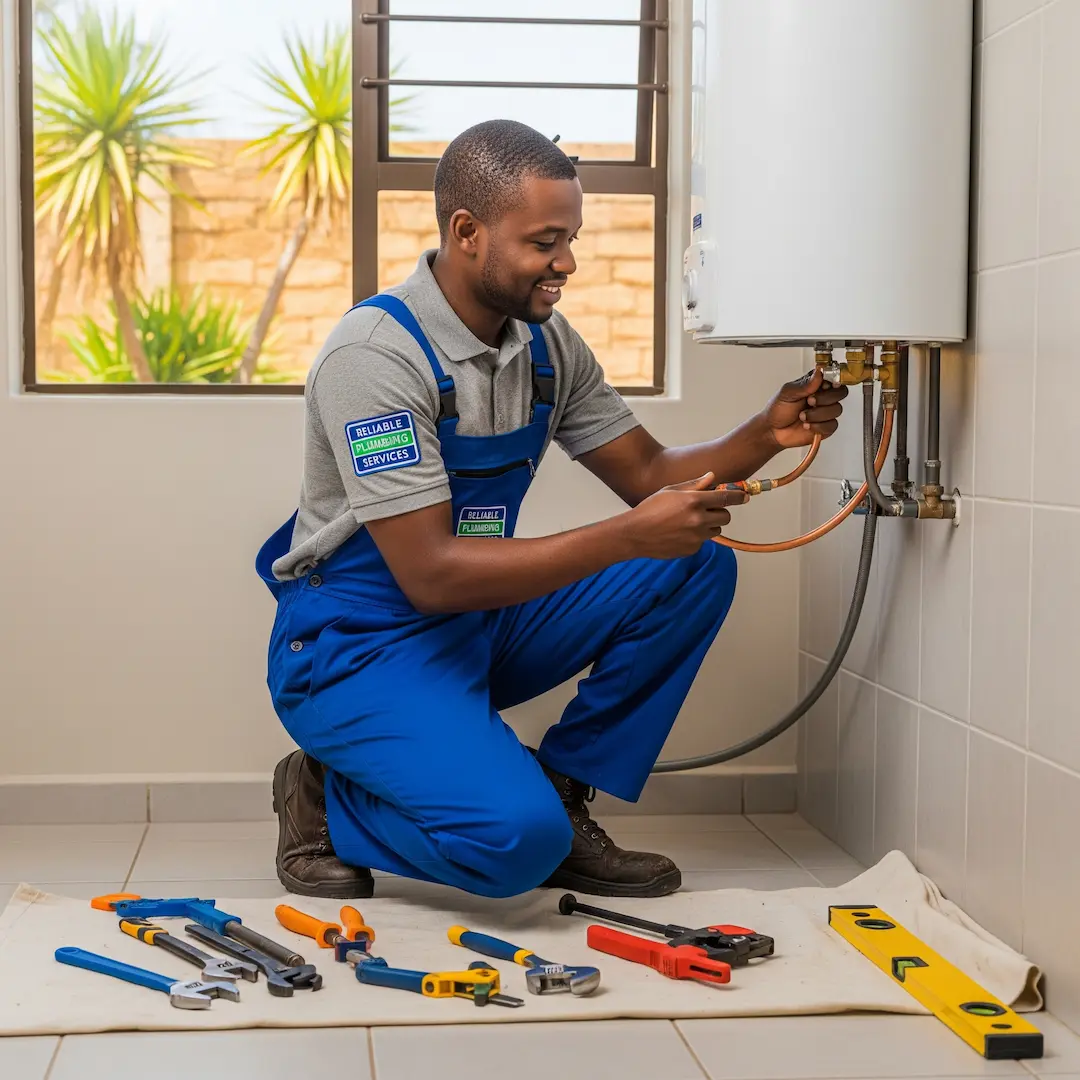
Your New Geyser: Maximising Its Lifespan & Energy Efficiency with Regular Care in SA
New geyser installed in South Africa? Learn why regular maintenance boosts lifespan, improves energy efficiency, and ensures safe, reliable hot water - expert tips every homeowner should know.

Your New Geyser: Maximising Its Lifespan & Energy Efficiency with Regular Care in SA
You've just invested in a new geyser – excellent choice! It’s a crucial component of any South African home, providing the comfort of hot water on demand. But much like your car, a geyser isn't a "install-and-forget" appliance. To ensure it delivers reliable service for years to come, remains energy-efficient, and crucially, maintains its safety, regular care and attention are non-negotiable.
Our trusted plumbing professionals across South Africa consistently share insights on how homeowners can get the most out of their geysers. The key, they say, lies in understanding that even the most robust geysers benefit immensely from a proactive maintenance approach.
Why Geyser Maintenance Matters in South Africa
Beyond simply keeping the hot water flowing, proper geyser maintenance offers several significant benefits tailored to the South African context:
- Extended Lifespan: A well-maintained geyser can easily last 10 to 15 years, if not longer. Neglect, however, can drastically cut this short, leading to premature and costly replacement. We've seen instances where geysers, barely five years old, have failed due to preventable issues like scale buildup.
- Optimal Energy Efficiency: Geysers are notorious for being one of the biggest electricity consumers in a household. Sediment buildup, faulty thermostats, or leaking valves can force your geyser to work harder, consuming more power and inflating your electricity bill. Regular checks ensure it runs as efficiently as possible, saving you money in the long run.
- Safety First: This is paramount. Geysers operate under significant pressure and at high temperatures. Malfunctioning safety valves or excessive pressure can lead to dangerous situations, including geyser bursts. Adhering to maintenance guidelines helps mitigate these risks, ensuring your home and family are safe. Plumbers often recount stories of call-outs to burst geysers where a simple, regular check of the pressure relief valve could have prevented a catastrophic event.
- Insurance Validity: Many homeowners' insurance policies have clauses related to geyser maintenance. Failing to keep your geyser in good working order could potentially jeopardise a claim should something go wrong. Always check your policy details.
Your Annual Geyser Maintenance Checklist
While some tasks are best left to a qualified plumber, there are several checks you can perform yourself to keep an eye on your geyser's health. For anything beyond a visual inspection or simple flush, always call in a professional. DIY can be dangerous, especially with high-pressure water systems and electricity. Only attempt these if you are confident in your ability and understand the risks.
Here’s a breakdown of essential maintenance steps, incorporating advice from experienced plumbers:
1. Periodic Drain Valve Flushing (Every 6-12 Months)
This is one of the most critical maintenance tasks you can do yourself, or have a professional do. Over time, mineral deposits (limescale) from the water supply accumulate at the bottom of the geyser tank. This sediment acts as an insulator, reducing heating efficiency and potentially damaging the heating element.
- How it helps: Flushing removes these deposits, ensuring your heating element can efficiently heat the water. Our plumbers often find a surprising amount of gritty sediment when they perform this service, illustrating just how much can build up.
- DIY Steps (If confident):Switch off the electricity to the geyser at your distribution board. This is non-negotiable for safety.
- Turn off the cold water supply to the geyser (usually a stopcock on the incoming pipe).
- Open a hot water tap in your house to release pressure and allow air into the geyser.
- Locate the drain valve at the bottom of the geyser (it usually has a small spout).
- Attach a hosepipe to the drain valve and direct it to a drain or bucket.
- Open the drain valve. You'll likely see cloudy, discoloured water initially as the sediment flushes out. Continue until the water runs clear.
- Once clear, close the drain valve, turn the cold water supply back on, and allow the geyser to refill.
- Once refilled (you’ll hear the water stop flowing), close the hot water tap you opened.
- Switch the electricity back on at the distribution board.
2. Checking the Temperature and Pressure (T&P) Relief Valve (Annually)
This valve is a vital safety device designed to release water if either the temperature or pressure inside the geyser exceeds safe limits. It’s a non-negotiable safety feature, mandated by SANS 10254 for hot water installations.
- How it helps: Ensures the valve isn't seized or blocked, preventing excessive pressure buildup that could lead to a geyser burst. Plumbers recount numerous incidents where a malfunctioning T&P valve was the direct cause of a geyser failure.
- DIY Steps (If confident and with caution):Locate the T&P relief valve. It's typically brass, protruding from the side or top of the geyser, with a small lever and a discharge pipe leading outside or to a tundish.
- Place a bucket under the discharge pipe.
- Carefully lift the lever on the T&P valve for a few seconds. You should hear a gush of hot water and air.
- Release the lever. The water flow should stop immediately.
- If water continues to trickle, or if no water comes out when you lift the lever, the valve might be faulty and needs immediate professional attention.
- Warning: The water discharged will be hot. Exercise extreme caution. If you are unsure, rather call a professional.
3. Inspecting the Drip Tray (Monthly/Quarterly)
Many geysers in South Africa are installed with a drip tray underneath. This tray is designed to catch water in the event of a leak, preventing damage to ceilings or floors.
- How it helps: Early detection of leaks, even minor ones, can save you from significant water damage and allow for timely repairs before a small leak becomes a burst.
- DIY Steps:Visually inspect the drip tray for any standing water or signs of moisture.
- Check that the drain pipe from the drip tray is clear and not blocked.
- If you notice water, it's a strong indicator of a leak from the geyser or its connections, requiring immediate attention from a qualified plumber.
4. Checking for Leaks (Regularly)
Beyond the drip tray, inspect all pipes and fittings connected to your geyser for any signs of leaks, corrosion, or drips. Pay close attention to the inlet and outlet pipes, the pressure reducing valve, and any overflow pipes.
- How it helps: Prevents water damage and costly repairs down the line. Even a slow drip can waste a significant amount of water over time.
- DIY Steps:Visually scan all connections.
- Feel around pipes for dampness.
- Look for mineral stains or rust on or around fittings.
5. Monitoring Water Temperature (Annually)
Your geyser’s thermostat regulates the water temperature. An incorrectly set or faulty thermostat can lead to scalding hot water or, conversely, lukewarm water that constantly reheats, wasting energy.
- How it helps: Ensures efficient operation and prevents dangerously hot water. According to SANS 10254, the hot water discharge temperature from a geyser should not exceed 60°C.
- Professional Check Recommended: While some thermostats are externally adjustable, it's generally best to have a plumber check and adjust your geyser’s temperature settings. They can use a thermometer to verify the water temperature and ensure the thermostat is functioning correctly.
6. Annual Professional Inspection (Crucial!)
While the DIY checks provide a good general overview, nothing replaces the thorough inspection and maintenance performed by a qualified and experienced plumber. This annual service is a wise investment.
- What a professional will do:Comprehensive flush: They have specialised tools to ensure a more thorough flush of sediment.
- Valve inspection and replacement: They'll check the condition of the T&P valve, vacuum breakers, and pressure reducing valve, and recommend replacement if necessary. These valves have a limited lifespan and often need replacement after 5-7 years.
- Anode rod inspection/replacement: The anode rod (sacrificial anode) protects the inside of your geyser tank from corrosion. It slowly corrodes over time instead of the tank. A plumber will inspect its condition and replace it if depleted – a crucial step for extending tank life. Our plumbers regularly find anode rods completely eaten away in geysers that haven’t been serviced, leaving the tank vulnerable to rust.
- Electrical component check: They will inspect the heating element and thermostat for proper functioning and safety.
- Insulation check: Ensure the geyser and pipes are adequately insulated to minimise heat loss, which is especially important during colder South African winters.
- Overall system assessment: They can identify any potential issues before they become major problems, offering expert advice based on years of experience with various geyser models and common South African plumbing challenges.
Final Thoughts
Your geyser is a significant investment and an essential part of your daily comfort. By implementing these maintenance tips and prioritising annual professional inspections, you’re not just ensuring a steady supply of hot water, you’re also safeguarding your home, optimising energy consumption, and extending the lifespan of your appliance. Think of it as preventative care – a small effort now can save you a significant amount of money and stress in the long run.
Frequently Asked Questions
How often should I drain my geyser?
It's generally recommended to drain or flush your geyser at least once every 6 to 12 months, especially in areas with hard water, to remove sediment buildup.
What are the signs that my geyser needs professional attention?
Look out for discoloured or rusty water, strange noises coming from the geyser (like popping or rumbling), insufficient hot water, a constantly running T&P valve, or any visible leaks around the unit or from the drip tray.
Can I insulate my geyser myself?
Yes, you can add an insulation blanket around your geyser and insulate exposed hot water pipes. This is a relatively simple DIY task that can significantly reduce heat loss and improve energy efficiency. Ensure the blanket doesn't cover the T&P valve or any electrical components.
How can I reduce my geyser's electricity consumption?
Besides regular maintenance, you can reduce consumption by setting the thermostat to 55-60°C, installing a geyser timer to heat water only when needed, insulating the geyser and pipes, and using less hot water overall.
Find a vetted plumber near you
Geyser installation and repairs: find a pro near you
- Geyser installation and repairs near you
- Geyser installation and repairs in Johannesburg
- Geyser installation and repairs in Sandton
- Geyser installation and repairs in Midrand
- Geyser installation and repairs in Roodepoort
- Geyser installation and repairs in Randburg
- Geyser installation and repairs in Pretoria
- Geyser installation and repairs in Cape Town
Suzette Meyer is the lead author and content creator for Kandua.com, South Africa’s #1 marketplace for home services. Suzette has made it her mission to help homeowners with advice on all aspects of home repair, maintenance and improvement, including how to choose the right Pro and how to make smart upgrades that improve your resale value or save costs.

Latest articles, advice and more
.webp)
.webp)
.jpeg)
Sinking Pavers, Weeds and Water That Pools: What Your Driveway Is Telling You
When your driveway starts sprouting weeds, pooling water, or sinking in patches, the bricks are not failing you. The layers underneath have moved, and they are trying to tell you exactly what went wrong.
.jpeg)
What Your Garage Door Motor Actually Does (And Why It Breaks)
Spoiler alert: your garage door motor isn't actually doing the heavy lifting. The torsion springs carry almost all the weight. The motor simply pushes, pulls, controls the descent so it doesn't slam, and acts as a lock when the door is shut. That’s why a relatively small box on your ceiling can move such a massive door. Want to test this? Pull the red manual release cord and lift the door by hand. If it glides up easily and stays put when you let go, your springs are doing their job, and the fault lies with the motor. If the door feels like dead weight or slams back down- stop. You’ve got a spring problem.
.jpeg)
4 Warning Signs Your Tiles Are Failing (And What They Mean)
Tiles rarely fail overnight. They warn you first. A hollow sound underfoot, grout that crumbles away, a tile that lifts at one edge, or a crack that runs across two tiles all point to something happening under the surface. Here is what each sign means, and how urgent it is.
.webp)
.webp)
Beyond the Unboxing: A Detailed Guide to Correct Washing Machine Plumbing & Setup
New washing machine in South Africa? Learn essential plumbing and setup tips to prevent leaks, ensure efficient operation, and extend your appliance’s lifespan - expert advice before your first load.
.webp)
New Washing Machine? Don't Plug It In Yet! Essential Installation Tips for SA Homes
Installing a new washing machine? Learn the essential setup steps South African homeowners often overlook to prevent leaks, noise, and damage—and ensure efficient, long-lasting performance from day one.
.webp)
.webp)
%25201200%2520x%25201200%2520(1).jpeg)
What Retiling a Bathroom Costs in 2026, Room by Room
Retiling a bathroom in South Africa costs between R230 and R800 per square metre in 2026, including materials and labour. A standard family bathroom, stripped and fully retiled, usually lands between R11,800 and R27,500. A guest toilet costs a fraction of that. A large porcelain en-suite costs a lot more.
How to Install a Horizontal Geyser | Step-by-Step Pro Guide
Want to install a geyser like a pro? This step-by-step tutorial shows you exactly how to do a horizontal Ariston Axios geyser installation, straight from the BluLever plumbing workshop. 🎥 Hosted by MK, BluLever’s technical facilitator, and supported by a qualified electrician, Life and a BluLever graduate artisan, Zinhle. This is your ultimate guide to a SANS 10254-compliant installation — from preparing the wall, to plumbing, electrical wiring, and pro troubleshooting tips.
How to Maintain a Geyser | Step-by-Step Pro Guide
Want to maintain a geyser like a pro? This step-by-step tutorial shows you exactly how to do the three core geyser maintenance checks on an Ariston Axios geyser installation, straight from the BluLever plumbing workshop. 🎥 Hosted by MK, BluLever’s technical facilitator, and supported by a qualified electrician, Life. This is your ultimate guide to geyser maintenance — from diagnosing the problem to checking the heat regulation of the geyser, to pressure regulation and then finally corrosion protection.
%201.avif)
Not just another newsletter. It's an advantage