
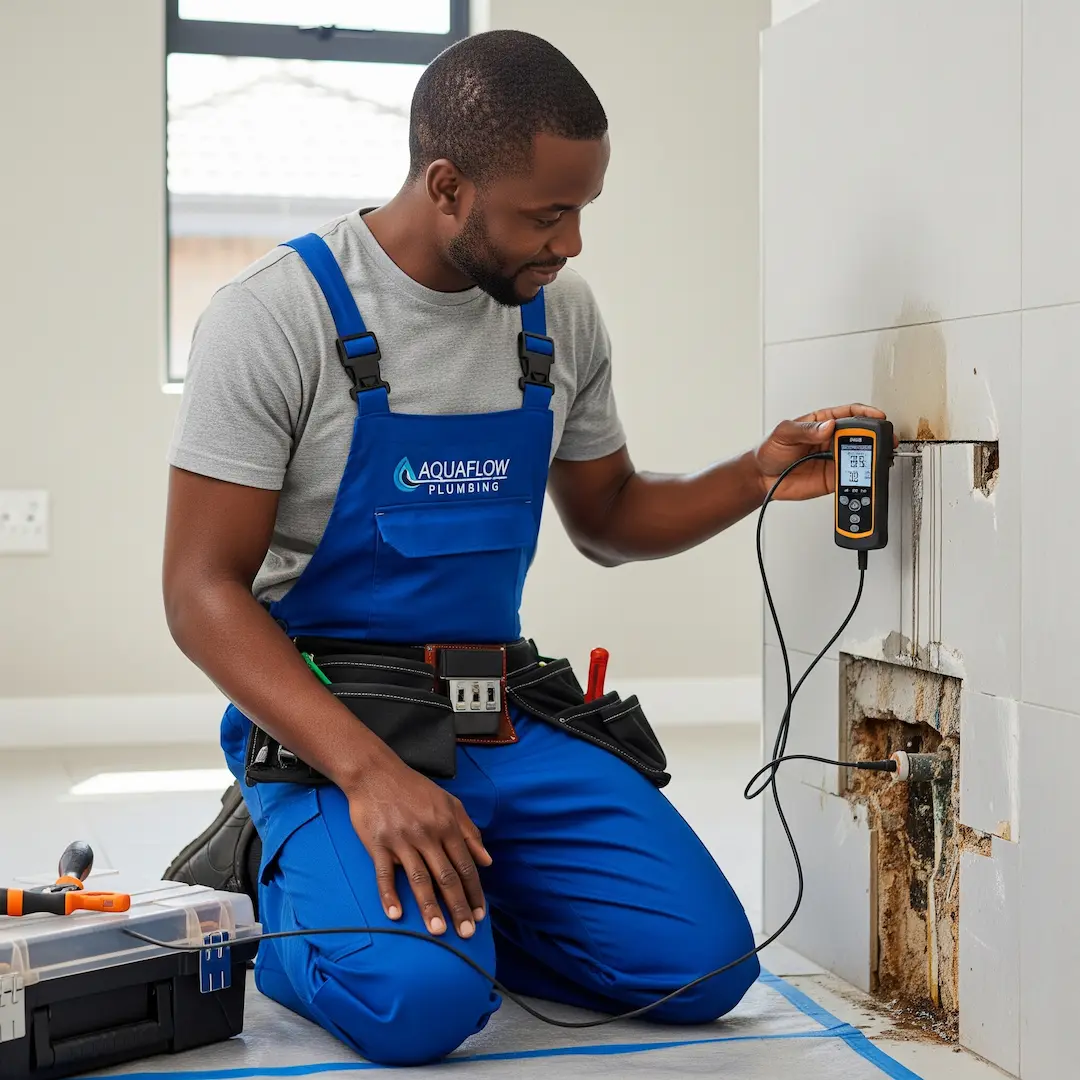
Your Water Tank is Ready! Tips for Maintenance & Enjoying Uninterrupted Water in SA
Water backup tank installed in South Africa? Learn essential maintenance tips to keep water clean, ensure uninterrupted supply, and protect your investment - expert guidance every homeowner should read.

Your Water Tank is Ready! Tips for Maintenance & Enjoying Uninterrupted Water in SA
Congratulations! You’ve taken a significant step towards water security for your home in South Africa by installing a water backup tank. Now that your system is in place, the next crucial phase is ensuring it continues to function optimally and provides you with clean, reliable water for years to come. Proper maintenance is key to protecting your investment and guaranteeing uninterrupted supply, especially with our country's unique water challenges.
This guide, drawing on insights from experienced plumbers across South Africa, will walk you through essential maintenance practices, from keeping your tank spotless to ensuring your pump and connections are always in top shape.
Why Water Tank Maintenance is Non-Negotiable in SA
Think about it: your water tank is a vital part of your home’s infrastructure, holding a precious resource. Neglecting its maintenance can lead to several problems, including:
- Compromised Water Quality: Stagnant water, algae growth, and sediment build-up can affect the purity and taste of your stored water, making it unsuitable for certain uses.
- System Malfunctions: Clogged filters, faulty pumps, or leaky connections can lead to system failures precisely when you need your backup water the most.
- Reduced Lifespan of Equipment: Lack of care can significantly shorten the lifespan of your tank, pump, and other components, leading to costly replacements.
- Health Risks: Contaminated water can pose serious health risks to your household.
One plumber in Gauteng shared a story: "We were called out to a house where the family complained of a strange smell from their backup water. Turns out, they hadn't cleaned their tank in over three years. There was a thick layer of sediment at the bottom and some alarming discolouration. A thorough clean and disinfection sorted it, but it was a stark reminder of why regular checks are so important."
Essential Maintenance Tips for Your Water Backup Tank
Here’s a breakdown of the key areas to focus on for effective water tank maintenance:
1. Regular Tank Cleaning: Keeping it Pristine Inside
Cleaning the inside of your water tank is arguably the most critical maintenance task. How often you need to clean it depends on your water source and usage, but a general guideline for backup tanks is at least once a year, or more frequently if you notice any changes in water quality.
Steps for Cleaning Your Water Backup Tank:
- Drain the Tank: This is the first step. If your tank is connected to your main water supply and you have a bypass, activate it to prevent draining your household’s primary water. Open the drain valve at the bottom of the tank to empty all the water. You might want to collect this water for garden use if it’s reasonably clean.
- Access the Interior: Most tanks have an access hatch or lid. Carefully open this. You might need a ladder to get a good view inside.
- Remove Sediment: You'll likely find a layer of sediment, leaves, or other debris at the bottom. Use a soft brush or a high-pressure hose (if safe for your tank material) to dislodge this. Some professionals use wet/dry vacuums for stubborn sediment.
- Scrub the Walls: With a non-abrasive brush and a mild, food-grade cleaning solution (check with your tank manufacturer for recommendations), scrub the interior walls of the tank to remove any slime or algae. Avoid harsh chemicals that could damage the tank lining or contaminate your water.
- Rinse Thoroughly: This is crucial. Rinse the tank multiple times with clean water, ensuring all cleaning solution residue and dislodged debris are flushed out through the drain valve.
- Disinfect (Optional but Recommended): For an extra layer of protection, especially if you’re concerned about bacterial growth, you can disinfect the tank. A common method involves a small amount of household bleach (sodium hypochlorite – ensure it's unscented and contains only sodium hypochlorite as the active ingredient). Add approximately 50ml of bleach per 1000 litres of tank capacity to a small amount of water, pour it into the empty tank, and use a clean brush to coat the interior surfaces. Let it sit for a few hours (e.g., 2-4 hours), then drain and rinse thoroughly until no bleach smell remains. Always follow manufacturer guidelines for disinfection.
- Refill the Tank: Once clean and thoroughly rinsed, close the access hatch securely and refill your tank.
- DIY Disclaimer: Cleaning a large water tank can be physically demanding and, if not done correctly, can lead to contamination. If you are unsure or uncomfortable with any step, it's always best to contact a professional plumber. They have the right equipment and expertise to do the job safely and effectively.
2. Check Connections and Piping for Leaks
Even a small leak can waste a significant amount of water over time and compromise the efficiency of your system.
- Visual Inspection: Regularly (e.g., monthly) walk around your tank and along all visible piping. Look for drips, damp spots, or puddles around fittings, valves, and the base of the tank.
- Tighten Fittings: If you find a minor drip, try gently tightening the fitting with a wrench. Be careful not to overtighten, as this can cause more damage.
- Look for Corrosion: Check metal components for any signs of rust or corrosion, which can indicate a weakening of the material and potential future leaks.
- Sealant Integrity: Inspect any sealant around entry points or seams on the tank itself. If you see cracks or deterioration, these areas may need to be resealed by a professional.
One plumber recounted a job in Durban: "A client called us reporting unexpectedly low water levels in their tank despite no recent use. Turns out, a small, hairline crack had developed at the base where the outlet pipe connected, likely due to ground movement. It was a slow leak, but over weeks, it had drained half their reserve."
3. Pump Maintenance (If Applicable)
Many water backup systems include a pump to deliver water from the tank to your home. The pump is the heart of your system, and its maintenance is crucial.
- Listen for Unusual Noises: Your pump should operate smoothly. Any grinding, rattling, or whining noises could indicate a problem with the motor or impeller.
- Check for Vibrations: Excessive vibration can signal an issue with the pump’s mounting or internal components.
- Inspect Electrical Connections: Ensure all electrical connections to the pump are secure and free from corrosion. If you are not a qualified electrician, do NOT attempt to work on electrical components. Always call a professional.
- Clean Filters: Many pumps have inline filters to protect them from debris. Check and clean these filters regularly according to the pump manufacturer's instructions. A clogged filter can significantly reduce pump efficiency and lead to premature wear.
- Pressure Checks: If your system includes a pressure tank, monitor the pressure gauge. Fluctuations or consistently low pressure might indicate an issue with the pump or the pressure tank itself.
4. Gutter and Filtration System Checks (for Rainwater Harvesting)
If your backup tank is part of a rainwater harvesting system, maintaining the collection and filtration components is equally important.
- Clean Gutters and Downpipes: Regularly remove leaves, twigs, and other debris from your gutters and downpipes to ensure water flows freely into your tank. Blockages can lead to overflowing gutters and contaminated water.
- Inspect First Flush Diverters: These devices divert the initial, dirtiest flow of rainwater away from your tank. Ensure they are functioning correctly and are clear of any blockages.
- Clean Inlet Screens and Filters: Most rainwater tanks have screens or filters at the inlet to prevent larger debris from entering. Clean these frequently to maintain good water flow and quality. Depending on your system, you might have multiple stages of filtration, and each needs attention.
5. Water Quality Monitoring
Even with regular cleaning, it’s good practice to periodically assess the quality of your stored water.
- Visual Inspection: Before use, visually inspect the water for any discolouration, cloudiness, or unusual particles.
- Smell Test: Healthy water should be largely odourless. A musty, earthy, or chlorine-like smell could indicate a problem.
- Taste Test (for potable water): If your system is designed for potable (drinking) water, taste it cautiously. Any unusual taste warrants further investigation.
- Professional Testing: For ultimate peace of mind, especially if you plan to use the water for drinking, consider having your water professionally tested by a laboratory periodically. They can check for bacteria, heavy metals, and other contaminants.
Preparing for Load Shedding and Water Interruptions
One of the primary reasons for installing a backup water tank in South Africa is to mitigate the impact of service interruptions. Your diligent maintenance efforts will pay off during these times.
- Keep Your Tank Full: During periods of predicted water outages or load shedding, ensure your tank is topped up.
- Understand Your System: Know how to switch between municipal and tank water, how to activate your pump (if manual), and where all shut-off valves are located.
- Emergency Plan: Have a family emergency plan that includes what to do during water interruptions, especially if your backup system relies on electricity (for a pump) during load shedding. Consider a UPS or generator for your pump if consistent water access is critical.
A plumber based in Cape Town shared a scenario: "During the severe droughts, we saw a huge uptake in tank installations. The clients who maintained their systems rigorously were the ones who truly felt the benefit when municipal water pressure dropped or supply was cut off. Those who neglected their tanks often found their 'backup' wasn't reliable when they needed it most."
By following these maintenance guidelines, you’ll not only prolong the life of your water backup system but also ensure you have access to clean, reliable water whenever you need it. This peace of mind is invaluable in the South African context.
Frequently Asked Questions
How often should I drain and clean my water backup tank?
For most backup water tanks in South Africa, it's recommended to fully drain and clean the tank at least once a year. However, if your water source has a lot of sediment, or if you notice changes in water quality (colour, smell, taste), you might need to clean it more frequently.
What kind of cleaning solution should I use for my water tank?
It's best to use a mild, food-grade cleaning solution specifically recommended by your tank manufacturer. Household bleach (unscented, pure sodium hypochlorite) can be used for disinfection after cleaning, but always ensure thorough rinsing afterwards. Avoid harsh chemical cleaners as they can damage the tank material or contaminate your water.
My water pump is making strange noises. What could be wrong?
Unusual noises from your water pump, such as grinding, whining, or rattling, often indicate an issue with the pump motor, bearings, or impeller. It could also be due to air in the system or a clogged filter. It's best to switch off the pump immediately and contact a qualified plumber to diagnose and repair the problem to prevent further damage.
How can I tell if the water in my backup tank is safe to drink?
For regular backup tanks, it's generally recommended for non-potable uses like toilet flushing or garden irrigation unless a comprehensive filtration and purification system is installed. If you intend to use the water for drinking, visual inspection (for clarity), smell (no foul odours), and taste (normal) are initial checks. However, for true safety assurance, especially if not connected to a municipal supply with a certified purification system, consider having the water professionally tested by a laboratory for contaminants.
Suzette Meyer is the lead author and content creator for Kandua.com, South Africa’s #1 marketplace for home services. Suzette has made it her mission to help homeowners with advice on all aspects of home repair, maintenance and improvement, including how to choose the right Pro and how to make smart upgrades that improve your resale value or save costs.

Related articles, advice and more
.webp)
What Does a Plumbing Call-Out Fee Usually Include?
When that familiar drip-drip-drip starts under the kitchen sink or your geyser begins a slow weep in the ceiling, the first thing most South African homeowners do is pick up the phone. But before a wrench even touches a pipe, you’ll likely hear the term "call-out fee."
.jpg)
How to Choose Between Repair and Replacement for Your Geyser
Deciding between repairing and replacing isn't just about the immediate price tag. It is about safety, long-term electricity savings, and compliance with South African building regulations. Based on insights from vetted plumbers across Johannesburg, Cape Town, and Durban, this guide will help you navigate that decision with confidence.
.jpg)
What to Do If Your Electric Problem Comes Back After Repair
There are few things more frustrating than paying for a repair only to have the lights flicker, the breaker trip, or the plug point fail again a few days later. Here is a step-by-step guide to handling the situation professionally, safely, and effectively to get it sorted out for good.
.jpg)
Understanding Geyser Warranties in South Africa
For most South African households, the geyser is the hardest-working appliance in the home. To help you protect your investment, we have broken down exactly how Geyser warranties work in South Africa, drawing on insights from qualified plumbers who handle rejected claims daily.
.webp)
How Hard Water Damages Your Plumbing (and What to Do About It)
If you suspect you have hard water, you are in the "awareness" stage of a very important journey for your home's maintenance. Ignoring it can lead to burst geysers and clogged pipes. This guide, compiled with insights from top local plumbers, will explain exactly how hard water affects your plumbing and the practical steps you can take to fix it.
.webp)
.webp)
.webp)
Latest articles, advice and more
.webp)
How To Fix A Damp Wall And What's Actually Causing It
If your walls are weeping, your plaster is flaking, or you can smell that musty, damp smell, you're not dealing with one problem; you're dealing with three possible ones. The fix depends entirely on the cause.
.webp)
Gutter Cleaning: How Often Should You Do It and What Does It Cost?
Clean your gutters at least twice a year, and always before your rainy season kicks in. In South Africa, a professional gutter clean usually costs somewhere between R450 and R2,500, depending on the size of your home, how high the roof is, and how blocked things have become. Here is how to work out the right frequency and a fair price.
.webp)
Why Are My Plug Points Not Working? A Troubleshooting Guide
If your plug points have suddenly gone dead, the usual culprits are a tripped earth leakage switch, a tripped circuit breaker, loose or burnt wiring, or a faulty appliance overloading the circuit. Work through the safety checks below before you call anyone, then understand when the job requires a registered electrician.
.webp)
How a Geyser Timer Can Cut Your Electricity Bill
If you've been staring at your Eskom bill and wondering where the money is going, your geyser might be the culprit. Here's the good news: a simple geyser timer can cut your hot water costs by up to 30% each month, which typically saves South African homeowners between R200 and R400 on their electricity bills, depending on their current usage.
%20(1).webp)
How To Treat and Paint Over Damp Walls (So It Doesn't Come Back)
You've noticed a patch on the bedroom wall: discoloured and maybe a bit soft to the touch, and you're wondering if a fresh coat of paint will simply cover the problem. The short answer: no, it won't. But the good news is that understanding what's happening beneath that stain, and treating it properly, is far simpler than you might think.
.webp)
Beyond the Unboxing: A Detailed Guide to Correct Washing Machine Plumbing & Setup
New washing machine in South Africa? Learn essential plumbing and setup tips to prevent leaks, ensure efficient operation, and extend your appliance’s lifespan - expert advice before your first load.
.webp)
New Washing Machine? Don't Plug It In Yet! Essential Installation Tips for SA Homes
Installing a new washing machine? Learn the essential setup steps South African homeowners often overlook to prevent leaks, noise, and damage—and ensure efficient, long-lasting performance from day one.
%20(1).webp)
.webp)
TV Repair Costs in South Africa: Diagnosing Screen, Power & Component Issues
Find out what TV repairs really cost in South Africa – from call-out and diagnosis fees to screen, power and main board fixes – and when it’s cheaper to replace your TV instead of repairing it.
.webp)
Septic Tank Leak Repair Cost in South Africa: Addressing Odours & Environmental Hazards
Learn typical septic tank leak repair costs in South Africa, what drives the price up, how to spot early warning signs (odours, soggy ground, backups), and when it’s safer and cheaper to get a professional in.
How to Install a Horizontal Geyser | Step-by-Step Pro Guide
Want to install a geyser like a pro? This step-by-step tutorial shows you exactly how to do a horizontal Ariston Axios geyser installation, straight from the BluLever plumbing workshop. 🎥 Hosted by MK, BluLever’s technical facilitator, and supported by a qualified electrician, Life and a BluLever graduate artisan, Zinhle. This is your ultimate guide to a SANS 10254-compliant installation — from preparing the wall, to plumbing, electrical wiring, and pro troubleshooting tips.
How to Maintain a Geyser | Step-by-Step Pro Guide
Want to maintain a geyser like a pro? This step-by-step tutorial shows you exactly how to do the three core geyser maintenance checks on an Ariston Axios geyser installation, straight from the BluLever plumbing workshop. 🎥 Hosted by MK, BluLever’s technical facilitator, and supported by a qualified electrician, Life. This is your ultimate guide to geyser maintenance — from diagnosing the problem to checking the heat regulation of the geyser, to pressure regulation and then finally corrosion protection.
%201.avif)
Not just another newsletter. It's an advantage


From problem to solved.


.svg)


.avif)
.avif)
.avif)


.avif)