
4 Ways to Save Money and Electricity in South Africa
Looking to cut down on your electricity bill? Discover practical tips from South African homeowners and experts on reducing energy consumption.

4 Ways to Save Money and Electricity
We’re all too familiar with the cold these days. You might even be reading this indoors, with the heat turned up, and the lights on. You may even have a hot cup of tea next to you. What do all these things have in common? They use electricity. And unfortunately, electricity is becoming more and more expensive. We’ve got some tips and tricks that professional electricians in Johannesburg can help you with to save money on electricity.
The problem is the cost of electricity keep escalating at an alarming rate. In the past decade, the cost at which electricity has escalated sits at a whopping 350%. As a knock-on effect, South Africans are forced to tighten their belts. Saving electricity seems like a logical place to start. Not only for the sake of the environment but for the sake of their wallets.
Luckily for you, there are lots of things that you, your loved ones and your colleagues can do to reduce the amount of money you spend every month on your electricity bill.
Some of our Kandua clients shared their best tips for doing their bit to save energy and reduce their electricity bill.
1. Unplug Appliances When Not in Use
Even when switched off, many devices continue to draw power in standby mode. This is called "phantom power" or "vampire energy."
💡Pro Tip: Plug appliances into a power strip and switch it off when you leave the room or go to bed.
2. Lower Your Geyser Temperature
Your geyser accounts for around 40–60% of your household electricity bill. By simply reducing the thermostat to 55–60°C, you can save a significant amount monthly.
💡Pro Tip: Insulate your geyser and pipes to retain heat for longer and reduce how often it switches on.
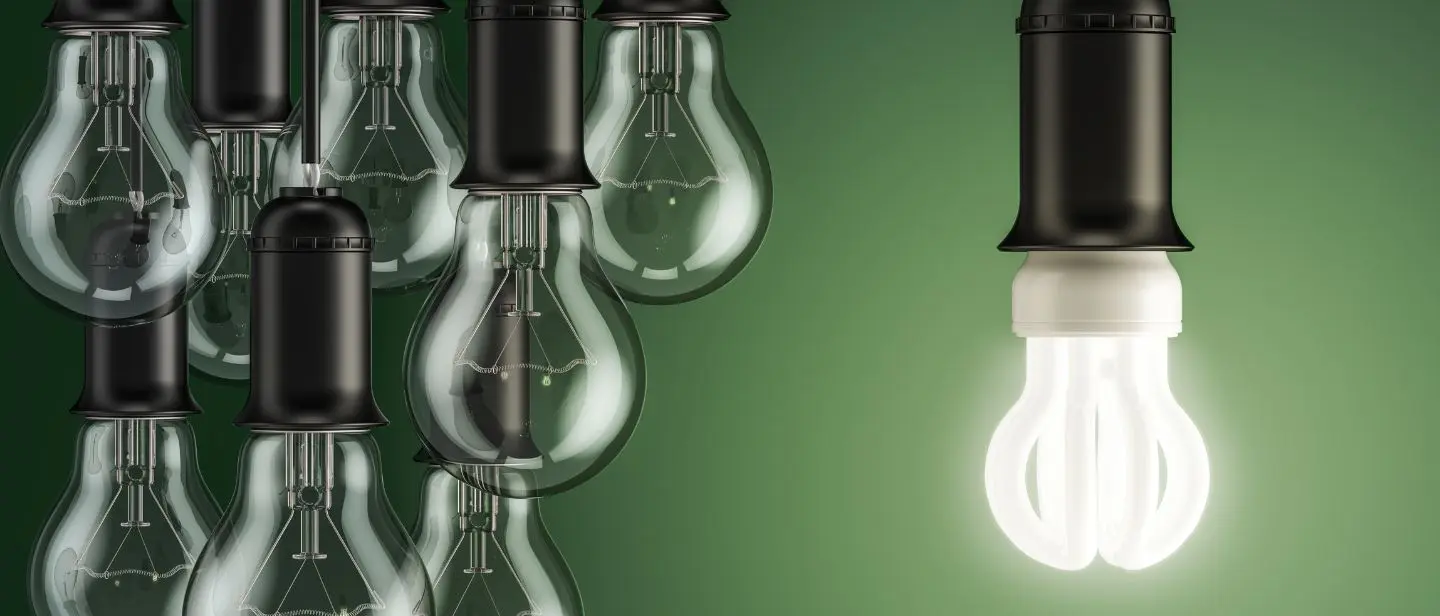
3. Switch to LED Bulbs
LEDs use up to 80% less energy than traditional incandescent bulbs and last significantly longer.
💡Pro Tip: Start with high-use areas like kitchens, bathrooms, and outdoor security lights.
4. Use Appliances More Efficiently
Run washing machines and dishwashers only with full loads, and during off-peak hours when possible. When cooking, use lids on pots and switch off the oven before the cooking time is complete — residual heat will finish the job.
💡Pro Tip: Consider energy-efficient appliances (look for the A+ energy rating label).
Advice from fellow Homeowners:
StephanieBe, Radio Presenter.
“We keep all of our unused appliances and electronics unplugged. Never leave the lights on in a room that’s unoccupied. A big one is making sure to switch off your main switches if you go away on holiday or you’re gone for the weekend. Figure out which plug your fridge is connected to, keep that one on, but switch everything else off. Lastly, start replacing all your light bulbs with energy saving bulbs!”
One of the electricians in Johannesburg, Sibanda Nkosilamandla says this is excellent advice because even though you may not be using them, appliances and electronics still draw electricity when plugged in. While it may not be large amounts of energy, consider the accumulated effect as most people leave their phone charges, kettles, TVs, sound systems, microwaves and a whole list of other electronics plugged in all day, every day. After a year, this all adds up to money down the drain and unnecessary energy consumption.
Cath Jenkin, Writer.
“We turned down the thermostat on our geyser, and make a conscientious effort not to leave unnecessary appliances turned on overnight. Moreover, we also installed LED light bulbs rather than the conventional old type as this helps to save power.”
This is possibly the best tip everyone can do to save electricity. Depending on your household structure, geysers can account for up to 40% of your entire electricity bill. Yes, switching off your geyser when you don’t plan on using it can certainly help save energy and electricity, but there are arguments on both sides of the coin. Heating up your geyser from being completely off will use more electricity than being left on to constantly maintain a certain temperature… That’s where the top-secret electricians’ solution comes into play. Turning down the temperature on your geyser thermostat is, in fact, the best way to conserve electricity and save money. The ideal temperature is 60°C, anything higher than that is actually unnecessary and is a waste of electricity. Hiring the best electricians in Johannesburg to come in and make the necessary adjustments for you is a great way to save electricity and money.
Shelley Pembroke Hartman, Creative Strategist.
“I learned these very helpful electricity saving tricks after my son was born.
- Dress your baby warmer instead of putting every heater in the house on.
- Invest in a gas stove, being home alone when the power goes out is super stressful.
- You use the kettle A LOT so pay attention to the amount of water going into your baby’s bottles or being used to warm up a bottle, don’t boil more water than necessary.”
These are amazing and super easy to follow through with. Your child’s health is the most important thing to any parent but putting every heater in the house on to keep your child warm can be a misuse of electricity. Dress your child in an extra layer or put o a jersey or blanket if need be, alternatively only use a heater in the room where your child is rather than the entire house.
When boiling the kettle, make a conscious effort to only fill it with as much water as you need. This will greatly reduce the amount of electricity you use, (don’t forget to unplug it if you’re not using it) Another helpful tip from a 5 star rated electrician in Pretoria, Pedro Duarte. If you’re making tea or coffee or need warm water not boiling, you don’t have to wait until the kettle is fully boiling. Switching it off when the water is hot enough will also save on electricity.
Tara Osborne, Marketing Professional.
“We decided to purchase a gas stove two years back. Bought a load of blankets and no longer use our heater- extra cuddles for the win. We also purchased extra drying racks so that we wouldn’t need to use a tumble-dryer. Most importantly, we teach our son about saving electricity and he is the biggest elec saver in our house and reminds us to switch off lights if we leave a room!”
Tara has hit the nail on the head here. Teach your children. Educating your children now will help them form sustainable habits in the future. It’s great that we do our best but if the next generation doesn’t start doing their bit the problems will get worse further down the line. On top of the price escalating further, there is also the impact that it has on the environment. Make educating your children fun by having “No Electricity Evenings.”
By implementing just these tips alone, you can save R100s every month on your electricity bill. They are not hard to do and don’t cost you any more than a couple of bucks if anything at all. Share these helpful tips with your family, friends, and colleagues to help save money, electricity, and the environment!
You can also consult with background checked, reviewed and vetted electrician to reduce your carbon footprint and cut electricity costs in your home, or office. They will be able to give you expert advice as well as a quote to install energy saving alternatives.
Find a vetted electrician near you
Solar installations: find a pro near you
Suzette Meyer is the lead author and content creator for Kandua.com, South Africa’s #1 marketplace for home services. Suzette has made it her mission to help homeowners with advice on all aspects of home repair, maintenance and improvement, including how to choose the right Pro and how to make smart upgrades that improve your resale value or save costs.

Latest articles, advice and more
.webp)
.webp)
.webp)
.webp)
.jpeg)
Sinking Pavers, Weeds and Water That Pools: What Your Driveway Is Telling You
When your driveway starts sprouting weeds, pooling water, or sinking in patches, the bricks are not failing you. The layers underneath have moved, and they are trying to tell you exactly what went wrong.
.webp)
.webp)
Beyond the Unboxing: A Detailed Guide to Correct Washing Machine Plumbing & Setup
New washing machine in South Africa? Learn essential plumbing and setup tips to prevent leaks, ensure efficient operation, and extend your appliance’s lifespan - expert advice before your first load.
.webp)
New Washing Machine? Don't Plug It In Yet! Essential Installation Tips for SA Homes
Installing a new washing machine? Learn the essential setup steps South African homeowners often overlook to prevent leaks, noise, and damage—and ensure efficient, long-lasting performance from day one.
.webp)
.webp)
%25201200%2520x%25201200%2520(1).jpeg)
What Retiling a Bathroom Costs in 2026, Room by Room
Retiling a bathroom in South Africa costs between R230 and R800 per square metre in 2026, including materials and labour. A standard family bathroom, stripped and fully retiled, usually lands between R11,800 and R27,500. A guest toilet costs a fraction of that. A large porcelain en-suite costs a lot more.
How to Install a Horizontal Geyser | Step-by-Step Pro Guide
Want to install a geyser like a pro? This step-by-step tutorial shows you exactly how to do a horizontal Ariston Axios geyser installation, straight from the BluLever plumbing workshop. 🎥 Hosted by MK, BluLever’s technical facilitator, and supported by a qualified electrician, Life and a BluLever graduate artisan, Zinhle. This is your ultimate guide to a SANS 10254-compliant installation — from preparing the wall, to plumbing, electrical wiring, and pro troubleshooting tips.
How to Maintain a Geyser | Step-by-Step Pro Guide
Want to maintain a geyser like a pro? This step-by-step tutorial shows you exactly how to do the three core geyser maintenance checks on an Ariston Axios geyser installation, straight from the BluLever plumbing workshop. 🎥 Hosted by MK, BluLever’s technical facilitator, and supported by a qualified electrician, Life. This is your ultimate guide to geyser maintenance — from diagnosing the problem to checking the heat regulation of the geyser, to pressure regulation and then finally corrosion protection.
%201.avif)
Not just another newsletter. It's an advantage