
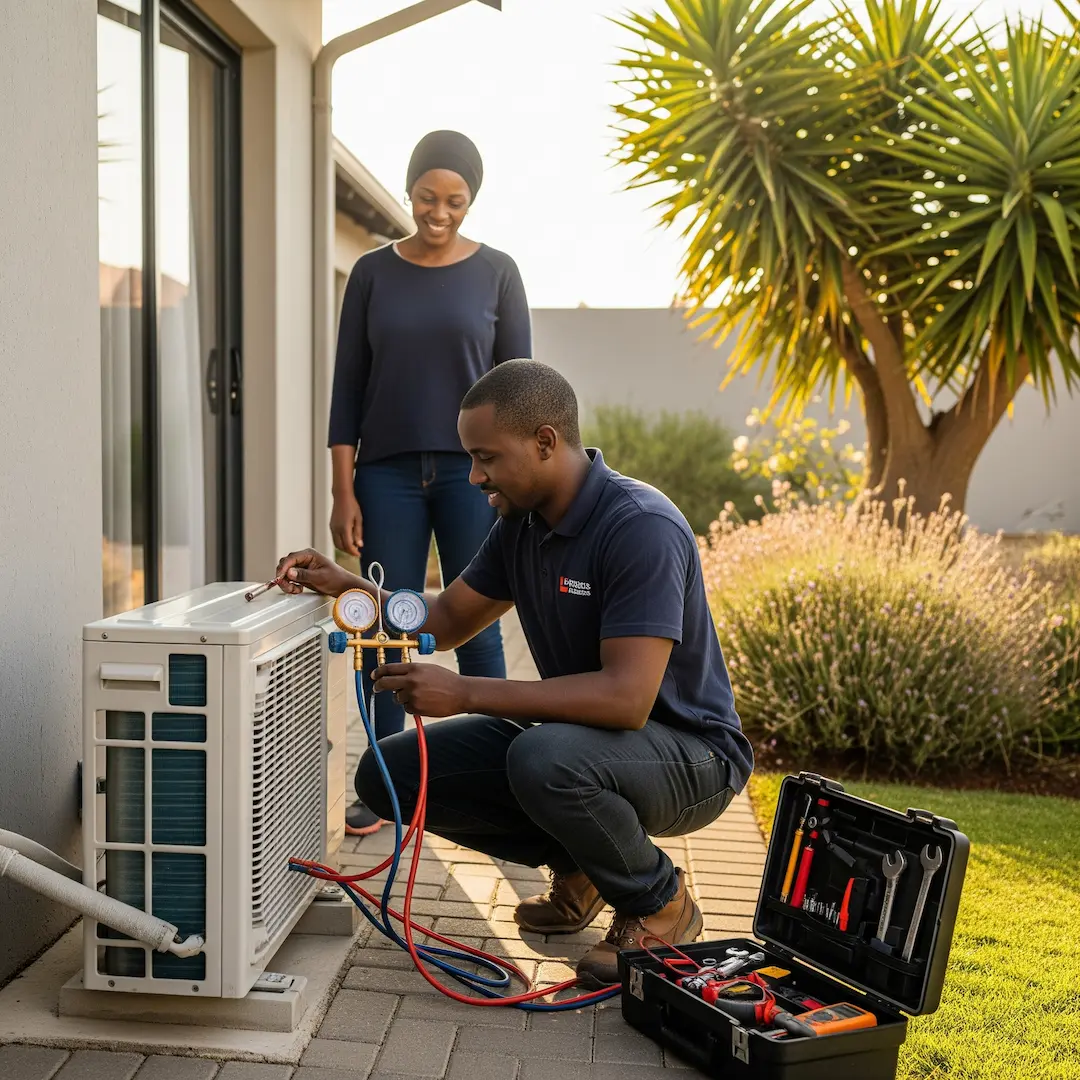
Aircon Not Cooling Efficiently? Understanding Regassing & Common Repair Solutions in SA
Confused about aircon regassing in South Africa? Learn when regassing is really needed, what causes cooling issues, and which repairs restore efficient, reliable cooling - before you spend unnecessarily.

There’s nothing worse than flipping on your aircon on a sweltering South African day, only to be met with warm air or, worse, no air at all. It’s a common frustration, and often the first thought that springs to mind is "Does my aircon need regassing?" While a lack of refrigerant can certainly be the culprit, it’s not always the full story.
Let's break down what's really happening when your aircon isn't cooling efficiently, when regassing is the right solution, and what other common repairs might be needed to get that cool breeze flowing again.
What’s the Deal with Aircon Regassing?
Many homeowners assume that air conditioners, like cars, need regular "top-ups" of refrigerant. This isn't quite accurate. An aircon system is a closed loop, meaning the refrigerant (often called "gas") should, in theory, never run out or diminish. If your aircon is low on refrigerant, it means there's a leak somewhere in the system.
Our expert service providers often explain it like this: "Think of your car tyre. If it's flat, you don't just keep pumping it up every week. You find the puncture and fix it. It's the same with an aircon. If it needs regassing, there's a leak that needs to be addressed first."
When Regassing is Appropriate (and When It's Not):
- Appropriate: Regassing is necessary after a leak has been identified and properly repaired. Simply adding more refrigerant without fixing the leak is a temporary fix that will lead to the same problem recurring, costing you more in the long run and potentially damaging your unit further.
- Not Appropriate: If your aircon is relatively new and has suddenly stopped cooling, it's highly unlikely it's just a "gas" issue without an underlying problem. A professional will need to diagnose the cause.
Why Is My Aircon Not Cold? Common Culprits Beyond Regassing
While a refrigerant leak is a significant cause of poor cooling, many other factors can contribute to an inefficient aircon. Here's a look at what our trusted professionals often encounter:
1. Refrigerant Leaks: The Silent Saboteur
As mentioned, if your aircon needs regassing, it's due to a leak. These leaks can occur in various parts of the system, including:
- Coils (Evaporator or Condenser): Over time, corrosion or stress can lead to tiny pinhole leaks in the copper tubing of the coils.
- Refrigerant Lines: The lines connecting the indoor and outdoor units can develop leaks due to vibration, poor installation, or physical damage.
- Service Valves: These access points for technicians can sometimes leak if not properly sealed.
Identifying a Leak: While you won't typically see refrigerant, common signs of a leak include:
- Reduced Cooling: This is the most obvious sign.
- Ice Formation: Ice build-up on the evaporator coil (the indoor unit) can indicate low refrigerant, as the coil gets too cold.
- Hissing or Bubbling Sounds: Less common, but sometimes a larger leak can produce these noises.
- Higher Electricity Bills: An underperforming aircon has to work harder to try and cool your space, leading to increased energy consumption.
A professional will use specialized tools, such as electronic leak detectors or UV dye, to pinpoint the exact location of the leak before repairing it and then regassing the system.
2. Dirty Air Filters: A Simple Fix Often Overlooked
This is by far one of the most common reasons for reduced cooling and poor airflow. A clogged air filter restricts the flow of air over the evaporator coil. This not only makes your aircon work harder but also reduces its ability to absorb heat from your home effectively.
"You'd be surprised how often a simple filter clean or replacement is all that's needed," recounts one experienced technician from a job in Durban. "The difference in airflow and cooling efficiency after sorting out a severely blocked filter is immediate and noticeable."
DIY Tip: Regularly check and clean or replace your air filters every 1-3 months, especially during peak usage seasons. This is one of the easiest and most effective DIY maintenance tasks you can perform.
3. Clogged Condenser Coils: The Outdoor Obstruction
The condenser coils are located in the outdoor unit of your aircon. Their job is to release the heat absorbed from your home into the outside air. If these coils are covered in dirt, dust, leaves, or other debris, they can't dissipate heat efficiently. This leads to your aircon working harder, consuming more energy, and ultimately providing less cooling.
You can often see the build-up on the fins of the outdoor unit. While a light rinse with a hose can sometimes help, a professional cleaning is often required for deep-seated grime.
4. Fan Problems: When the Air Just Isn't Moving
Both the indoor (evaporator) and outdoor (condenser) units have fans that are crucial for moving air across the coils. If either fan motor malfunctions or the fan blades are damaged or obstructed, it will severely impact your aircon's performance.
Signs of fan issues include:
- No Airflow: If the indoor fan isn't spinning, you'll feel little to no air coming from the vents.
- Loud Noises: Grinding, squealing, or rattling noises from either unit can indicate a failing fan motor bearing or a foreign object interfering with the blades.
- Outdoor Unit Not Spinning: If the fan in your outdoor unit isn't turning, the unit will quickly overheat, and the system won't be able to effectively release heat.
5. Compressor Issues: The Heart of the System
The compressor is often called the "heart" of your aircon system. It's responsible for circulating the refrigerant and putting it under pressure. If the compressor is failing or has completely stopped working, your aircon won't be able to cool at all.
Compressor issues can be complex and expensive to repair. Signs include:
- Aircon Not Cooling at All: This is a primary symptom.
- Loud Humming or Clicking Noises: The unit might be trying to start but failing.
- Tripping Breaker: A failing compressor can draw too much power, causing your electrical breaker to trip.
6. Electrical Problems: Powering Down the Cooling
An aircon unit relies on a complex electrical system to function. Problems with wiring, capacitors, contactors, or circuit boards can prevent the unit from operating correctly, or even starting at all.
For example, a failing capacitor can prevent the fan or compressor from starting, leading to no cooling. These issues require a qualified electrician or aircon technician to diagnose and repair, as they involve high voltage components. Always prioritise safety when dealing with electrical components.
7. Thermostat Malfunctions: Misreading the Temperature
Sometimes, the problem isn't with the aircon unit itself, but with the thermostat that controls it. A faulty thermostat might misread the room temperature, fail to send the correct signals to the aircon, or simply stop working. This could lead to your aircon not turning on, or turning off too quickly before the desired temperature is reached.
DIY vs. Professional Aircon Repair: Knowing Your Limits
While cleaning air filters and ensuring the outdoor unit is free of large debris are safe DIY tasks, anything involving the internal components, refrigerant, or electrical systems of your aircon should be left to qualified professionals.
DIY Safety Disclaimer: Attempting to repair complex aircon components or handling refrigerants without the proper training and tools can be extremely dangerous. Refrigerants can cause chemical burns, and working with electrical components carries a risk of severe electric shock. Furthermore, improper handling of refrigerants can lead to environmental damage. Always consult with a certified technician for anything beyond basic maintenance. South African regulations (such as SANS 10147 for refrigeration systems) mandate specific safety and environmental standards that only trained professionals can adhere to.
A professional aircon technician will:
- Have the necessary tools for accurate diagnosis.
- Be trained in safely handling refrigerants.
- Understand complex electrical systems and components.
- Ensure repairs meet industry standards and safety regulations.
- Offer warranties on their work, giving you peace of mind.
What to Expect When Calling a Professional
When you contact a professional aircon repair service, they will typically follow a systematic approach:
- Initial Assessment: They'll ask about the symptoms you're experiencing and inspect the indoor and outdoor units.
- Diagnosis: Using specialised tools, they'll check refrigerant levels, electrical connections, fan motors, compressor function, and look for leaks.
- Explanation of Issue: The technician will clearly explain what they've found and the recommended repair.
- Quotation: You'll receive a detailed quote for the repair, including parts and labour.
- Repair & Testing: Once approved, they'll carry out the repair, regas the system if necessary (after fixing any leaks), and test the unit to ensure it's cooling efficiently.
Frequently Asked Questions
How often should an aircon be serviced in South Africa?
It's generally recommended to have your aircon serviced annually, ideally before the peak summer season. Regular servicing helps identify minor issues before they become major problems, ensures efficient operation, and prolongs the lifespan of your unit.
Is it normal for an aircon to make noises?
Some operational noise is normal, such as the hum of the compressor or the sound of air moving. However, if you hear unusual noises like grinding, squealing, rattling, bubbling, or loud bangs, it indicates a problem that requires professional attention.
Can I just add gas to my aircon myself?
No, you should not attempt to add refrigerant to your aircon yourself. Refrigerant is a controlled substance, and handling it requires specific tools, training, and certification. Improper handling can be dangerous, harmful to the environment, and won't solve the underlying issue of a leak.
How long does an aircon regas last?
If a leak is properly identified and repaired before regassing, the new refrigerant should last for many years – essentially for the remaining lifespan of the unit. If your aircon needs regassing again within a short period, it's a strong indication that the leak was not adequately fixed, or a new leak has developed.
Suzette Meyer is the lead author and content creator for Kandua.com, South Africa’s #1 marketplace for home services. Suzette has made it her mission to help homeowners with advice on all aspects of home repair, maintenance and improvement, including how to choose the right Pro and how to make smart upgrades that improve your resale value or save costs.

Related articles, advice and more
.webp)
How to Check If an Electrician Is Registered with ECB
The Electrical Conformance Board of South Africa (ECB) serves as a vital gatekeeper in this industry. If you are in the middle of a renovation or just need a new DB board installed, knowing how to verify your electrician’s registration is the most important step you can take.
What to Do If You Smell Burning from an Electrical Outlet
For South African homeowners, electrical faults are a leading cause of house fires. Whether it is caused by old wiring in heritage homes in suburbs like Melville or Observatory, or the strain placed on systems by post-load shedding surges, knowing exactly how to react can save your property and your life.This guide details the immediate steps you must take, the likely causes of the smell, and what to expect when you call in a professional.
.webp)
.webp)
.webp)
Your Inverter is Repaired! Key Checks to Ensure Continued Backup Power in SA
This guide will walk you through the essential checks and maintenance tips to maximise the lifespan and efficiency of your recently repaired inverter and battery setup, straight from the insights of experienced electricians across South Africa.
.webp)
.webp)
.webp)
Latest articles, advice and more
.webp)
How To Fix A Damp Wall And What's Actually Causing It
If your walls are weeping, your plaster is flaking, or you can smell that musty, damp smell, you're not dealing with one problem; you're dealing with three possible ones. The fix depends entirely on the cause.
.webp)
Gutter Cleaning: How Often Should You Do It and What Does It Cost?
Clean your gutters at least twice a year, and always before your rainy season kicks in. In South Africa, a professional gutter clean usually costs somewhere between R450 and R2,500, depending on the size of your home, how high the roof is, and how blocked things have become. Here is how to work out the right frequency and a fair price.
.webp)
Why Are My Plug Points Not Working? A Troubleshooting Guide
If your plug points have suddenly gone dead, the usual culprits are a tripped earth leakage switch, a tripped circuit breaker, loose or burnt wiring, or a faulty appliance overloading the circuit. Work through the safety checks below before you call anyone, then understand when the job requires a registered electrician.
.webp)
How a Geyser Timer Can Cut Your Electricity Bill
If you've been staring at your Eskom bill and wondering where the money is going, your geyser might be the culprit. Here's the good news: a simple geyser timer can cut your hot water costs by up to 30% each month, which typically saves South African homeowners between R200 and R400 on their electricity bills, depending on their current usage.
%20(1).webp)
How To Treat and Paint Over Damp Walls (So It Doesn't Come Back)
You've noticed a patch on the bedroom wall: discoloured and maybe a bit soft to the touch, and you're wondering if a fresh coat of paint will simply cover the problem. The short answer: no, it won't. But the good news is that understanding what's happening beneath that stain, and treating it properly, is far simpler than you might think.
.webp)
Beyond the Unboxing: A Detailed Guide to Correct Washing Machine Plumbing & Setup
New washing machine in South Africa? Learn essential plumbing and setup tips to prevent leaks, ensure efficient operation, and extend your appliance’s lifespan - expert advice before your first load.
.webp)
New Washing Machine? Don't Plug It In Yet! Essential Installation Tips for SA Homes
Installing a new washing machine? Learn the essential setup steps South African homeowners often overlook to prevent leaks, noise, and damage—and ensure efficient, long-lasting performance from day one.
%20(1).webp)
.webp)
TV Repair Costs in South Africa: Diagnosing Screen, Power & Component Issues
Find out what TV repairs really cost in South Africa – from call-out and diagnosis fees to screen, power and main board fixes – and when it’s cheaper to replace your TV instead of repairing it.
.webp)
Septic Tank Leak Repair Cost in South Africa: Addressing Odours & Environmental Hazards
Learn typical septic tank leak repair costs in South Africa, what drives the price up, how to spot early warning signs (odours, soggy ground, backups), and when it’s safer and cheaper to get a professional in.
How to Install a Horizontal Geyser | Step-by-Step Pro Guide
Want to install a geyser like a pro? This step-by-step tutorial shows you exactly how to do a horizontal Ariston Axios geyser installation, straight from the BluLever plumbing workshop. 🎥 Hosted by MK, BluLever’s technical facilitator, and supported by a qualified electrician, Life and a BluLever graduate artisan, Zinhle. This is your ultimate guide to a SANS 10254-compliant installation — from preparing the wall, to plumbing, electrical wiring, and pro troubleshooting tips.
How to Maintain a Geyser | Step-by-Step Pro Guide
Want to maintain a geyser like a pro? This step-by-step tutorial shows you exactly how to do the three core geyser maintenance checks on an Ariston Axios geyser installation, straight from the BluLever plumbing workshop. 🎥 Hosted by MK, BluLever’s technical facilitator, and supported by a qualified electrician, Life. This is your ultimate guide to geyser maintenance — from diagnosing the problem to checking the heat regulation of the geyser, to pressure regulation and then finally corrosion protection.
%201.avif)
Not just another newsletter. It's an advantage


From problem to solved.


.svg)


.avif)
.avif)
.avif)


.avif)