
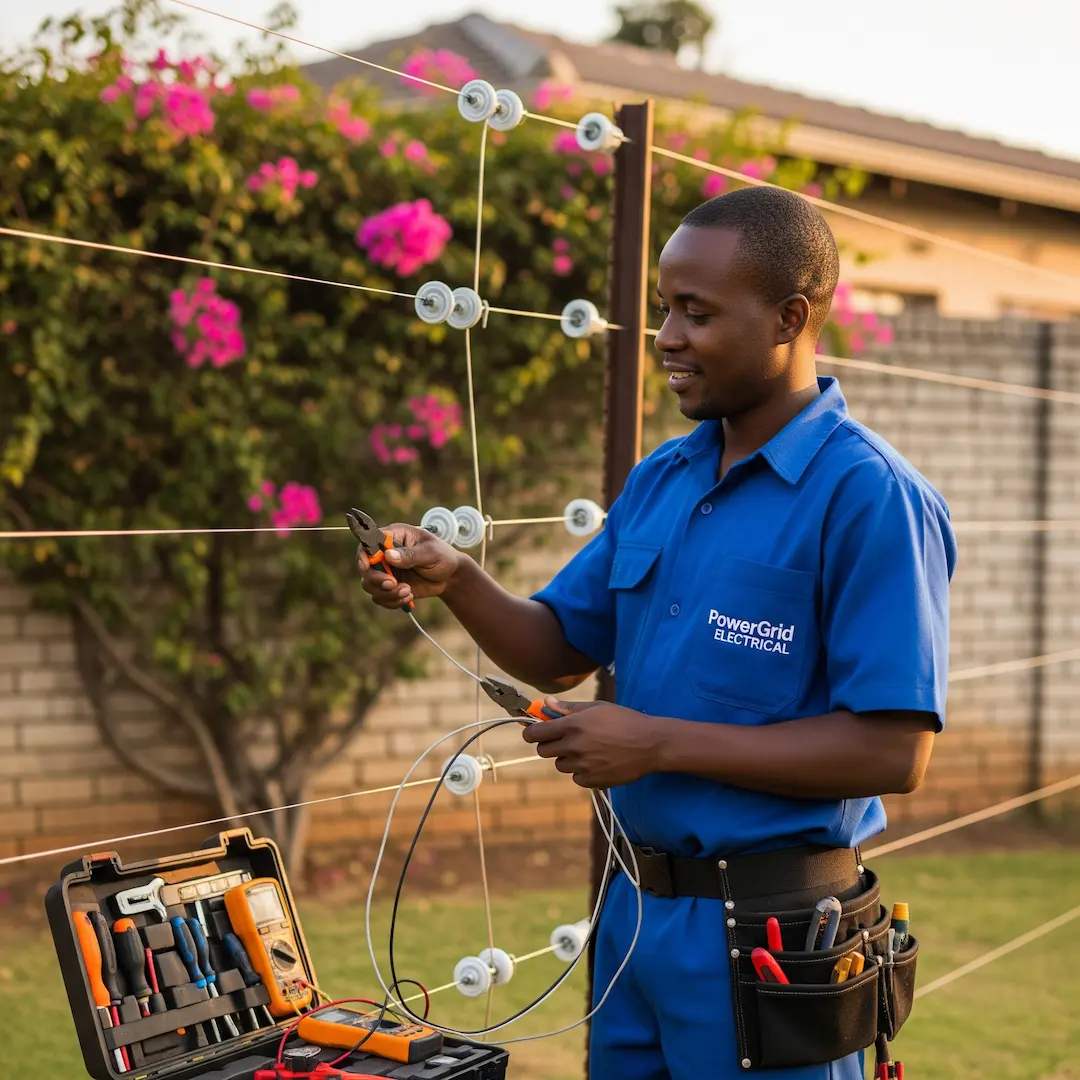
Electric Fence Not Working? Diagnosing & Repairing Common Faults in South Africa
Electric fence stopped working? Discover common faults, safe troubleshooting tips, and when to call a professional to restore security and avoid dangerous high-voltage risks.

A functional electric fence is a cornerstone of home security for many South African properties. It acts as a formidable deterrent, providing peace of mind. But what happens when that reassuring hum goes silent, or your fence alarm keeps tripping for no apparent reason? A non-operational electric fence can leave your property vulnerable, and getting to the root of the problem quickly is essential.
In this guide, we'll walk you through common electric fence faults and provide practical steps for diagnosing them. While some minor issues can be addressed by a confident DIY enthusiast, it's crucial to understand when to call in a qualified professional due to the inherent dangers of high voltage.
Understanding Your Electric Fence System
Before diving into troubleshooting, it helps to have a basic understanding of how your electric fence works. Most systems in South Africa consist of:
- Energizer: This is the heart of the system, converting mains power into high-voltage pulses.
- Fence Wires: Strung around your property, these carry the electrical pulses.
- Insulators: These keep the wires isolated from poles and vegetation, preventing energy loss.
- Earth Spikes (Grounding Rods): Essential for completing the circuit when an intruder touches the fence, sending a shock and triggering the alarm.
- Siren/Alarm: Alerts you to a breach.
- Controller/Keypad: For arming, disarming, and status checks.
Safety First: Essential Precautions
Working with electric fences involves high voltage, which can be extremely dangerous. Never attempt to work on an electric fence without first switching off the energizer at the mains and disconnecting the fence wires from the energizer terminals. Even after switching off, some residual charge might be present, so proceed with extreme caution. Always assume the fence is live until you have personally verified it is off and isolated. If you are ever unsure, or uncomfortable with any step, it is always best to call a qualified electrician specializing in electric fencing.
Diagnosing Common Electric Fence Faults
When your electric fence isn't working, the first step is to systematically diagnose the problem. Here are some of the most common issues encountered by South African homeowners, along with expert insights on how to pinpoint them:
1. No Power to the Fence (Dead Fence)
This is perhaps the most common and concerning issue. If your fence has no power, it's essentially just a set of wires.
- Check the Energizer:Is it Plugged In? It sounds simple, but a disconnected plug or a tripped circuit breaker at your main distribution board (DB board) is a common culprit. Check the socket and the relevant breaker.
- Energizer Indicator Lights: Most modern energizers have indicator lights (e.g., power on, fence voltage, fault indicators). Refer to your energizer's manual to understand what each light signifies. A common scenario we've seen is a client calling in a panic, only for our technician to find the "fault" light illuminated, indicating a short on the fence line, not a dead energizer.
- Is it Humming? Many energizers emit a faint humming sound when operational. If it's silent, it might not be receiving power or could be faulty internally.
- Battery Backup (If Applicable): If your system has a backup battery, check if it's charged. A failing battery can lead to intermittent power or a complete shutdown during power outages.
- Fence Voltage Test:Using a Fence Voltmeter: This is an indispensable tool for diagnosing electric fences. It measures the voltage on the fence line. A healthy electric fence should typically show readings of 5,000 to 10,000 volts. If the reading is very low or zero, you have a power issue.
- How to Test: Touch the voltmeter probe to a live fence wire and the other lead to an earth spike or good ground connection.
2. Fence Alarm Constantly Tripping (False Alarms)
False alarms are frustrating and can lead to complacency. They usually indicate a short circuit or a significant drop in voltage.
- Vegetation Contact: This is an extremely common issue in South Africa, especially after rainy seasons. Overgrown trees, shrubs, or even tall grass touching the fence wires will divert the electrical pulse to earth, causing a voltage drop and triggering the alarm.
- Expert Tip: One of our seasoned installers once shared a story about a client whose alarm kept going off at night. After a thorough inspection, he discovered a specific tree branch that would droop under the weight of dew in the early mornings, making contact with the fence wire. Once the sun dried the leaves, the problem disappeared. Regular pruning is key!
- How to Check: Visually inspect the entire length of your fence for any vegetation touching the wires.
- Resolution: Carefully prune back any offending branches or foliage, ensuring a clear gap around the wires.
- Faulty Insulators: Insulators prevent the fence wires from touching the fence posts, which would ground the system. If an insulator is cracked, broken, or dislodged, the wire can short against the pole.
- How to Check: Walk along the fence line and visually inspect every insulator. Look for cracks, chips, or signs of the wire pulling out of the insulator.
- Loose or Corroded Connections: Every connection point in your fence system (from the energizer to the wires, and wire-to-wire connections) needs to be secure and free of corrosion. A loose or corroded connection can create resistance, reducing voltage and triggering alarms.
- How to Check: Inspect all connections, especially at corners, gates, and where wires join.
- Damaged Wires: A broken or sagging wire can touch other wires or even the ground, causing a short. This can happen due to vandalism, falling branches, or wear and tear.
- How to Check: Look for visibly broken wires, wires that are touching each other, or wires sagging significantly.
3. Broken Electric Fence Wire
A broken wire is a direct breach in your security. It means the circuit is open, and the fence is no longer effective.
- Locating the Break:Visual Inspection: Start by walking the entire perimeter of your fence. Look for obvious breaks, snapped wires, or wires that have come loose from their insulators. This is often the quickest way to find a break caused by impact or heavy wind.
- Using a Fence Voltmeter: If a visual inspection doesn't reveal the break, a voltmeter can help. Start at the energizer and work your way along the fence line, testing the voltage every few metres. The voltage will drop significantly or disappear entirely past the point of the break. Our experts often advise a methodical approach, section by section, especially on larger properties.
- Repairing a Broken Wire:Switch Off the Energizer: Absolutely critical! Disconnect power completely.
- Gather Materials: You'll need appropriate wire joiners (often crimp sleeves or specialized connectors), a crimping tool, and possibly some extra fence wire if a section needs to be replaced. Ensure the new wire matches the existing wire type (e.g., braided, solid).
- Making the Repair:Carefully cut back any frayed or damaged ends of the broken wire to ensure a clean connection.
- Use a wire joiner to securely connect the two ends of the broken wire. Follow the manufacturer's instructions for the specific joiner you are using. A well-executed crimp connection ensures good electrical conductivity and mechanical strength.
- Ensure the repaired section is properly insulated from posts and vegetation.
- Disclaimer: While repairing a broken wire might seem straightforward, achieving a secure and conductive joint is crucial for the fence's effectiveness. Poorly made repairs can lead to ongoing voltage drops and reliability issues. If you're not confident in your ability to make a robust repair, it’s always best to consult a professional.
When to Call a Professional Electrician
While basic troubleshooting can save you time and money, there are situations where calling a qualified and experienced electric fence technician is not just recommended, but essential.
- Energizer Malfunctions: If your energizer isn't functioning correctly (e.g., no output voltage, unusual noises, persistent fault lights even after clearing external issues), it needs professional attention. Tampering with an energizer can be dangerous and void warranties.
- Complex Faults: If you've gone through the basic troubleshooting steps and still can't identify the problem, or if the issue is intermittent and difficult to pinpoint.
- High Voltage Risks: Any work involving the internal components of the energizer or extensive re-wiring should only be handled by a professional.
- Compliance with SANS Regulations: Electric fences in South Africa must comply with SANS 10222-3 regulations. A qualified professional will ensure your fence is repaired and maintained to these safety and performance standards. This is particularly important for insurance purposes and ensuring the ongoing legality of your installation.
- Gate Automation Integration: If your electric fence is integrated with gate motors or other access control systems, a professional will have the expertise to troubleshoot the entire interconnected system.
Maintaining Your Electric Fence for Longevity
Prevention is always better than cure. Regular maintenance can significantly extend the life of your electric fence and prevent many common faults.
- Routine Visual Inspections: Walk your fence line regularly (monthly or bi-monthly) to check for vegetation contact, loose wires, damaged insulators, and signs of wear and tear.
- Keep Vegetation Trimmed: Aggressively prune back any trees, shrubs, or creepers that are growing close to or touching your fence wires.
- Test Voltage Regularly: Use a fence voltmeter to check the voltage on your fence at various points periodically. This helps you spot developing issues before they become major problems.
- Check Earth Spikes: Ensure earth spikes are firmly in the ground and free from corrosion. Good grounding is vital for effective shocking power.
- Professional Servicing: Consider having your electric fence professionally serviced at least once a year. A technician can perform comprehensive checks, test all components, and identify potential problems you might miss.
By understanding the common faults, taking safety precautions, and knowing when to call in the experts, you can ensure your electric fence remains a reliable line of defence for your home in South Africa.
Frequently Asked Questions
How often should I test my electric fence?
It's advisable to test your electric fence at least once a month using a dedicated electric fence voltmeter. This routine check helps you identify any voltage drops or issues before they compromise your security.
Can heavy rain affect my electric fence?
Yes, heavy rain can sometimes affect an electric fence. If there are existing minor shorts (e.g., from vegetation lightly touching the wires) or cracked insulators, the increased moisture can exacerbate these issues, causing a greater current leakage and potentially triggering alarms.
What is the typical lifespan of an electric fence energizer?
The lifespan of an electric fence energizer can vary significantly depending on the brand, quality, and environmental conditions. Generally, a good quality energizer, properly maintained, can last anywhere from 5 to 10 years or even longer. Extreme weather conditions or power surges can shorten its life.
Is it safe to touch an electric fence when it's off?
While an electric fence should be safe to touch when the energizer is switched off and disconnected from the mains, it's always best to exercise caution. Some residual charge might remain in the wires, and it's good practice to assume potential danger until you have confirmed the absence of voltage with a voltmeter. Never assume it's off just because the energizer light is off.
Find a vetted electrician near you
Electric fencing repair: find a pro near you
Suzette Meyer is the lead author and content creator for Kandua.com, South Africa’s #1 marketplace for home services. Suzette has made it her mission to help homeowners with advice on all aspects of home repair, maintenance and improvement, including how to choose the right Pro and how to make smart upgrades that improve your resale value or save costs.

Latest articles, advice and more
.webp)
.webp)
.webp)
.webp)
.jpeg)
Sinking Pavers, Weeds and Water That Pools: What Your Driveway Is Telling You
When your driveway starts sprouting weeds, pooling water, or sinking in patches, the bricks are not failing you. The layers underneath have moved, and they are trying to tell you exactly what went wrong.
.webp)
.webp)
Beyond the Unboxing: A Detailed Guide to Correct Washing Machine Plumbing & Setup
New washing machine in South Africa? Learn essential plumbing and setup tips to prevent leaks, ensure efficient operation, and extend your appliance’s lifespan - expert advice before your first load.
.webp)
New Washing Machine? Don't Plug It In Yet! Essential Installation Tips for SA Homes
Installing a new washing machine? Learn the essential setup steps South African homeowners often overlook to prevent leaks, noise, and damage—and ensure efficient, long-lasting performance from day one.
.webp)
.webp)
%25201200%2520x%25201200%2520(1).jpeg)
What Retiling a Bathroom Costs in 2026, Room by Room
Retiling a bathroom in South Africa costs between R230 and R800 per square metre in 2026, including materials and labour. A standard family bathroom, stripped and fully retiled, usually lands between R11,800 and R27,500. A guest toilet costs a fraction of that. A large porcelain en-suite costs a lot more.
How to Install a Horizontal Geyser | Step-by-Step Pro Guide
Want to install a geyser like a pro? This step-by-step tutorial shows you exactly how to do a horizontal Ariston Axios geyser installation, straight from the BluLever plumbing workshop. 🎥 Hosted by MK, BluLever’s technical facilitator, and supported by a qualified electrician, Life and a BluLever graduate artisan, Zinhle. This is your ultimate guide to a SANS 10254-compliant installation — from preparing the wall, to plumbing, electrical wiring, and pro troubleshooting tips.
How to Maintain a Geyser | Step-by-Step Pro Guide
Want to maintain a geyser like a pro? This step-by-step tutorial shows you exactly how to do the three core geyser maintenance checks on an Ariston Axios geyser installation, straight from the BluLever plumbing workshop. 🎥 Hosted by MK, BluLever’s technical facilitator, and supported by a qualified electrician, Life. This is your ultimate guide to geyser maintenance — from diagnosing the problem to checking the heat regulation of the geyser, to pressure regulation and then finally corrosion protection.
%201.avif)
Not just another newsletter. It's an advantage