
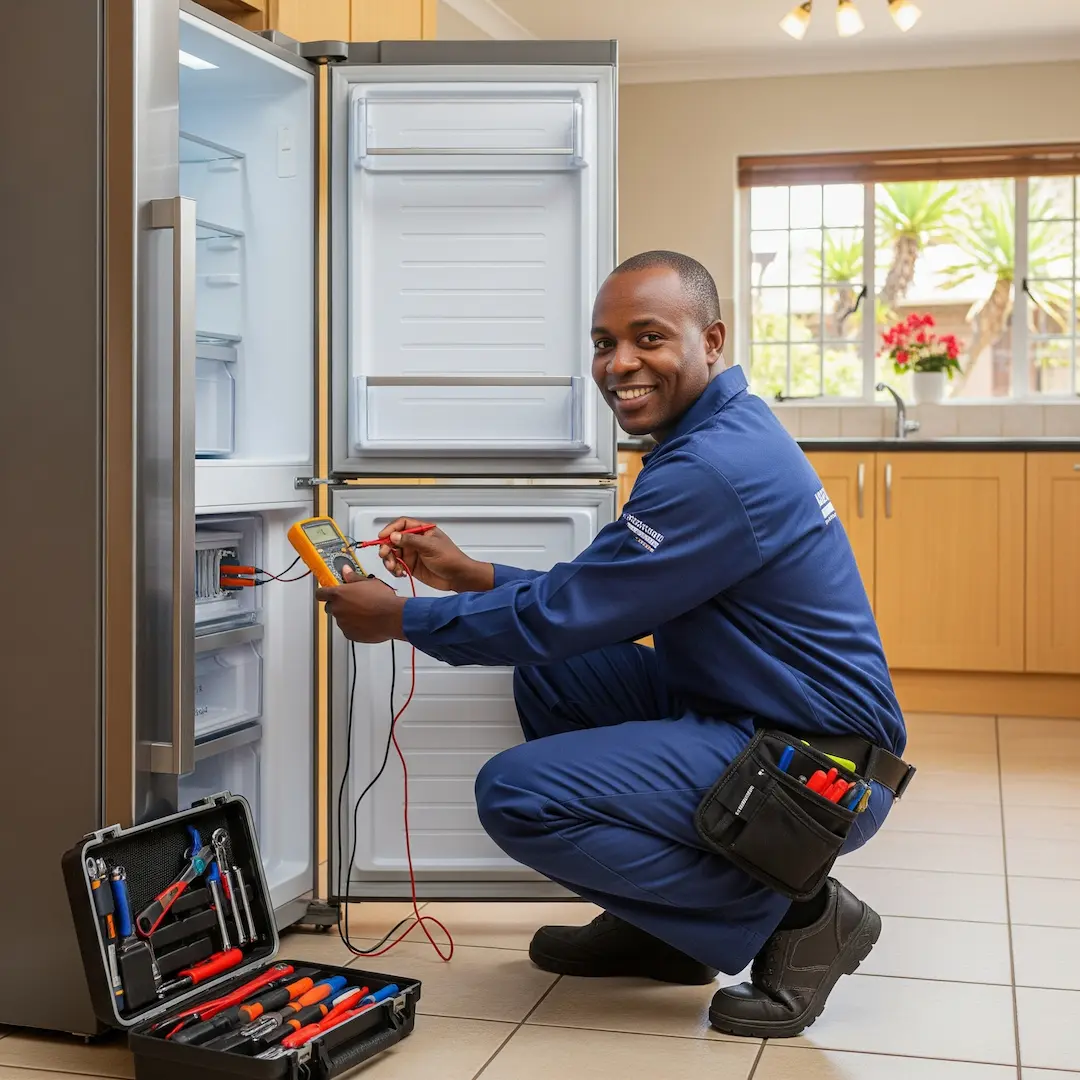
Fridge or Freezer Not Cooling? Diagnosis, Regassing, & Repair Solutions in SA
Fridge or freezer not cooling in South Africa? Discover the most common causes, from simple faults to regassing issues, and learn when professional repair can save your food and money.

There’s nothing quite as frustrating as opening your fridge or freezer, expecting a blast of cold air, only to be met with a lukewarm reality. In South Africa's climate, a malfunctioning fridge or freezer isn't just an inconvenience; it can quickly lead to spoiled food and wasted money. If your appliance has stopped cooling effectively, it's natural to wonder what's gone wrong and if it can be fixed.
As an expert who has seen countless refrigeration issues through the eyes of top service providers across South Africa, I can tell you that a fridge or freezer not cooling is a common problem with a range of possible causes. From simple fixes to more complex repairs like regassing, understanding the underlying issue is the first step to getting your appliance back in working order.
Why is Your Fridge or Freezer Not Cooling? Common Culprits
When your fridge or freezer isn't performing its primary function, it's usually due to one of several common issues. Our expert technicians often encounter these problems in South African homes:
1. Power Supply Issues
It might sound obvious, but sometimes the simplest solution is the right one.
- Plug and Socket Check: Is the appliance firmly plugged into a working wall socket? It's surprising how often a loose connection or a tripped plug can be the culprit.
- Circuit Breaker: Load shedding or a power surge could have tripped the circuit breaker dedicated to your kitchen. A quick check of your distribution board might reveal a switch that needs to be reset.
2. Thermostat Malfunction
The thermostat is the brain of your cooling system, telling it when to get colder.
- Incorrect Setting: Has the thermostat been accidentally bumped or turned down? It happens more often than you'd think, especially in busy households.
- Faulty Thermostat: If the thermostat isn't accurately reading the internal temperature or sending the right signals to the compressor, your fridge simply won't know it needs to cool. This can lead to uneven cooling or no cooling at all. One installer recounted a job in Durban where the customer was convinced her fridge was on its last legs, but it turned out to be a simple thermostat replacement that had it purring like new.
3. Dirty Condenser Coils
These coils, usually located at the back or underneath your fridge, are crucial for releasing heat.
- Dust and Debris Build-up: Over time, dust, dirt, and even pet hair can accumulate on these coils. When they're covered, they can't dissipate heat effectively, causing the compressor to work harder and the fridge to cool less efficiently. This is particularly common in homes with pets or those in dusty environments. Regular cleaning, as advised by our pros, can prevent this issue.
4. Blocked Vents or Poor Air Circulation
For cold air to circulate properly, the vents inside your fridge and freezer need to be clear.
- Overpacking: If your fridge or freezer is crammed full, especially blocking the air vents, cold air can't flow freely.
- Ice Build-up (in frost-free models): Even "frost-free" fridges can develop ice build-up if the defrost system malfunctions. This ice can block evaporator coils and fans, preventing cold air from reaching the main compartments. A technician once described a scene in a Cape Town flat where a solid block of ice had formed behind the freezer panel, completely obstructing airflow to the fridge section, leading to warm food and a very unhappy homeowner.
5. Faulty Fans (Evaporator or Condenser)
Your fridge has fans that help move air.
- Evaporator Fan: Located in the freezer compartment, this fan circulates cold air from the evaporator coils throughout the freezer and into the fridge section. If it's faulty or obstructed, you'll notice poor cooling, often accompanied by a squealing or chirping noise.
- Condenser Fan: This fan helps cool the condenser coils. If it's not working, the coils will overheat, reducing the fridge's cooling capacity.
6. Door Seal Issues
A compromised door seal lets warm air sneak in.
- Cracked or Damaged Seals: If the rubber seals around your fridge or freezer doors are cracked, torn, or simply not sealing tightly, cool air will escape and warm air will enter. This forces the appliance to work harder to maintain temperature, leading to higher electricity bills and ineffective cooling. A simple test is to close the door on a piece of paper; if you can easily pull it out, your seal might need replacing.
7. Refrigerant Leak or Low Levels (When Regassing is the Solution)
This is where "regassing" comes into play. Refrigerant is the special fluid that absorbs heat from inside your fridge and releases it outside.
- Leakage: Over time, or due to damage, the sealed system containing the refrigerant can develop a leak. When refrigerant leaks out, the system cannot effectively transfer heat, and your fridge will stop cooling. This is often a slower process, where the fridge gradually becomes less effective over days or weeks.
- Low Refrigerant: While rare in a properly sealed system, extremely low refrigerant levels due to a leak will mean the compressor runs constantly but achieves very little cooling.
A reputable technician, especially one working with systems covered by SANS 10147, will always confirm a leak before attempting a regas. They’ll use specialised leak detection equipment to pinpoint the exact location of the leak. Simply "topping up" the gas without finding and repairing the leak is a temporary fix that will only lead to the problem recurring and more wasted money. Our expert technicians emphasise that fixing the leak before regassing is a non-negotiable step to ensure a lasting repair and compliance with safety standards.
8. Compressor Problems
The compressor is essentially the "heart" of your refrigeration system, pumping the refrigerant through the coils.
- Malfunction: If the compressor fails, the fridge won't cool at all. You might hear a clicking sound as it tries to start but fails, or no sound at all. This is often one of the more costly repairs.
Understanding Fridge Regas Cost in South Africa
The question of "fridge regas cost" is a common one, and for good reason. It's important to understand that regassing isn't just about adding gas; it's a specific repair for a specific problem.
Based on insights from numerous repair jobs across South Africa, the cost of a fridge or freezer regas typically falls within a range of R800 to R2000. This figure can fluctuate depending on several factors:
- Type of Refrigerant: Different fridges use different types of refrigerant, and some are more expensive than others.
- Severity of the Leak: A larger, harder-to-find leak will take more time and effort to locate and repair before the regas can happen, impacting labour costs.
- Accessibility: If the leak is in a hard-to-reach area, the job becomes more complex.
- Technician's Call-out Fee: Most appliance repair professionals charge a call-out fee, which often includes the initial diagnosis. This fee is typically between R450 and R850 and may be waived if you proceed with the repair.
- Parts (beyond refrigerant): If other components related to the sealed system, like the filter dryer or specific tubing, also need replacement due to the leak, this will add to the overall cost.
Important Note: A true "regas" should always involve identifying and sealing the leak before adding new refrigerant. If a technician offers to simply "top up the gas" without performing a thorough leak detection and repair, be wary. This is a tell-tale sign of a less-than-professional service that won't solve your underlying problem. Compliant professionals adhere to national standards like SANS 10147, which govern the safe handling and installation of refrigeration systems, including the proper procedures for dealing with refrigerants.
Other Common Fridge and Freezer Repairs
Beyond regassing, many other repairs can get your appliance cooling again:
- Thermostat Replacement: A relatively straightforward repair if the thermostat is faulty. Costs for the part typically range from R200 to R500.
- Fan Replacement (Evaporator or Condenser): If a fan motor is burnt out or seized, replacing it can restore proper airflow.
- Defrost System Repair: This involves checking and potentially replacing components like the defrost timer, defrost heater, or defrost thermostat if your frost-free unit is icing up excessively.
- Door Seal Replacement: A new seal can prevent warm air from entering and cold air from escaping, improving efficiency.
- Capacitor Replacement: For some compressor issues, replacing a faulty start capacitor can resolve the problem without needing a full compressor replacement.
- Main Control Board Replacement: In modern, "smart" fridges, a faulty control board can cause a myriad of issues, including cooling problems. This can be one of the more expensive repairs.
Troubleshooting Your Fridge or Freezer: What You Can Do (Safely)
Before calling in a professional, there are a few safe steps you can take to diagnose the problem:
- Check the Power: Ensure the fridge is plugged in and the wall socket is live. Check your circuit breaker.
- Verify Thermostat Settings: Make sure the temperature controls aren't set too high (warmer).
- Inspect Door Seals: Look for any visible tears, cracks, or gaps in the door seals. Test by closing the door on a piece of paper or a rand note – if it slides out easily, the seal is weak.
- Clean Condenser Coils: Unplug your fridge or freezer and carefully pull it away from the wall. Using a vacuum cleaner with a brush attachment, gently clean any dust and debris from the coils at the back or underneath the unit. This can significantly improve efficiency.
- Check for Blocked Vents: Ensure that food items or ice are not blocking the air vents inside the fridge and freezer compartments.
- Defrost Manually (for excessive ice build-up): If your freezer compartment is completely iced over, unplug the unit and leave the doors open for 24-48 hours with towels to catch the water. This can sometimes temporarily resolve issues caused by blocked airflow if the defrost system is faulty.
Disclaimer: While these DIY checks can be helpful, DIY electrical work or any repair involving the sealed refrigeration system (like regassing) can be extremely dangerous and should ONLY be attempted by a qualified, certified professional. Refrigerants are potent greenhouse gases and must be handled with care and in accordance with South African regulations (SANS 10147). Attempting complex repairs without the proper tools, training, and certification can lead to further damage, injury, or even fire. Always prioritise your safety and that of your home.
When to Call a Professional
If after performing these basic checks your fridge or freezer is still not cooling effectively, or if you suspect a more complex issue like a refrigerant leak or compressor problem, it's definitely time to call in a professional appliance repair technician. Look for technicians who are experienced, trustworthy, and have a strong understanding of various fridge and freezer brands. They'll have the specialised tools and knowledge to accurately diagnose the problem and carry out the necessary repairs safely and efficiently.
Frequently Asked Questions
How long should a fridge or freezer typically last?
With proper maintenance and care, a good quality fridge or freezer can last anywhere from 10 to 15 years, and sometimes even longer. Regular cleaning of condenser coils and prompt attention to minor issues can extend its lifespan significantly.
Is it always worth repairing a fridge or freezer, or should I just buy a new one?
This depends on the age of your appliance and the cost of the repair. If your fridge is relatively new (under 8-10 years old) and the repair cost is less than half the price of a new, comparable unit, repairing it is often a good economical choice. For older appliances, or if the repair is very costly (e.g., a compressor replacement), purchasing a new, more energy-efficient model might be more sensible in the long run.
How can I prevent my fridge or freezer from breaking down in the future?
Regular maintenance is key! Clean the condenser coils at least once a year, ensure door seals are intact and clean, don't overpack the fridge, and make sure there's adequate airflow around the back and sides of the appliance. Also, avoid placing the fridge in direct sunlight or next to heat-generating appliances like ovens.
What are the signs that my fridge might have a refrigerant leak?
Common signs of a refrigerant leak include your fridge or freezer running constantly but not cooling effectively, food spoiling faster than usual, an unusual humming sound from the compressor, or occasionally, a sweet chemical smell, though this is rare and the refrigerant is often odourless. If you suspect a leak, it's crucial to call a professional immediately as refrigerants are harmful to the environment.
Find a vetted electrician near you
Fridge and freezer regas or repair: find a pro near you
- Fridge and freezer regas or repair near you
- Fridge and freezer regas or repair in Johannesburg
- Fridge and freezer regas or repair in Sandton
- Fridge and freezer regas or repair in Midrand
- Fridge and freezer regas or repair in Roodepoort
- Fridge and freezer regas or repair in Randburg
- Fridge and freezer regas or repair in Pretoria
- Fridge and freezer regas or repair in Cape Town
Suzette Meyer is the lead author and content creator for Kandua.com, South Africa’s #1 marketplace for home services. Suzette has made it her mission to help homeowners with advice on all aspects of home repair, maintenance and improvement, including how to choose the right Pro and how to make smart upgrades that improve your resale value or save costs.

Latest articles, advice and more
.webp)
.webp)
.jpeg)
Sinking Pavers, Weeds and Water That Pools: What Your Driveway Is Telling You
When your driveway starts sprouting weeds, pooling water, or sinking in patches, the bricks are not failing you. The layers underneath have moved, and they are trying to tell you exactly what went wrong.
.jpeg)
What Your Garage Door Motor Actually Does (And Why It Breaks)
Spoiler alert: your garage door motor isn't actually doing the heavy lifting. The torsion springs carry almost all the weight. The motor simply pushes, pulls, controls the descent so it doesn't slam, and acts as a lock when the door is shut. That’s why a relatively small box on your ceiling can move such a massive door. Want to test this? Pull the red manual release cord and lift the door by hand. If it glides up easily and stays put when you let go, your springs are doing their job, and the fault lies with the motor. If the door feels like dead weight or slams back down- stop. You’ve got a spring problem.
.jpeg)
4 Warning Signs Your Tiles Are Failing (And What They Mean)
Tiles rarely fail overnight. They warn you first. A hollow sound underfoot, grout that crumbles away, a tile that lifts at one edge, or a crack that runs across two tiles all point to something happening under the surface. Here is what each sign means, and how urgent it is.
.webp)
.webp)
Beyond the Unboxing: A Detailed Guide to Correct Washing Machine Plumbing & Setup
New washing machine in South Africa? Learn essential plumbing and setup tips to prevent leaks, ensure efficient operation, and extend your appliance’s lifespan - expert advice before your first load.
.webp)
New Washing Machine? Don't Plug It In Yet! Essential Installation Tips for SA Homes
Installing a new washing machine? Learn the essential setup steps South African homeowners often overlook to prevent leaks, noise, and damage—and ensure efficient, long-lasting performance from day one.
.webp)
.webp)
%25201200%2520x%25201200%2520(1).jpeg)
What Retiling a Bathroom Costs in 2026, Room by Room
Retiling a bathroom in South Africa costs between R230 and R800 per square metre in 2026, including materials and labour. A standard family bathroom, stripped and fully retiled, usually lands between R11,800 and R27,500. A guest toilet costs a fraction of that. A large porcelain en-suite costs a lot more.
How to Install a Horizontal Geyser | Step-by-Step Pro Guide
Want to install a geyser like a pro? This step-by-step tutorial shows you exactly how to do a horizontal Ariston Axios geyser installation, straight from the BluLever plumbing workshop. 🎥 Hosted by MK, BluLever’s technical facilitator, and supported by a qualified electrician, Life and a BluLever graduate artisan, Zinhle. This is your ultimate guide to a SANS 10254-compliant installation — from preparing the wall, to plumbing, electrical wiring, and pro troubleshooting tips.
How to Maintain a Geyser | Step-by-Step Pro Guide
Want to maintain a geyser like a pro? This step-by-step tutorial shows you exactly how to do the three core geyser maintenance checks on an Ariston Axios geyser installation, straight from the BluLever plumbing workshop. 🎥 Hosted by MK, BluLever’s technical facilitator, and supported by a qualified electrician, Life. This is your ultimate guide to geyser maintenance — from diagnosing the problem to checking the heat regulation of the geyser, to pressure regulation and then finally corrosion protection.
%201.avif)
Not just another newsletter. It's an advantage