
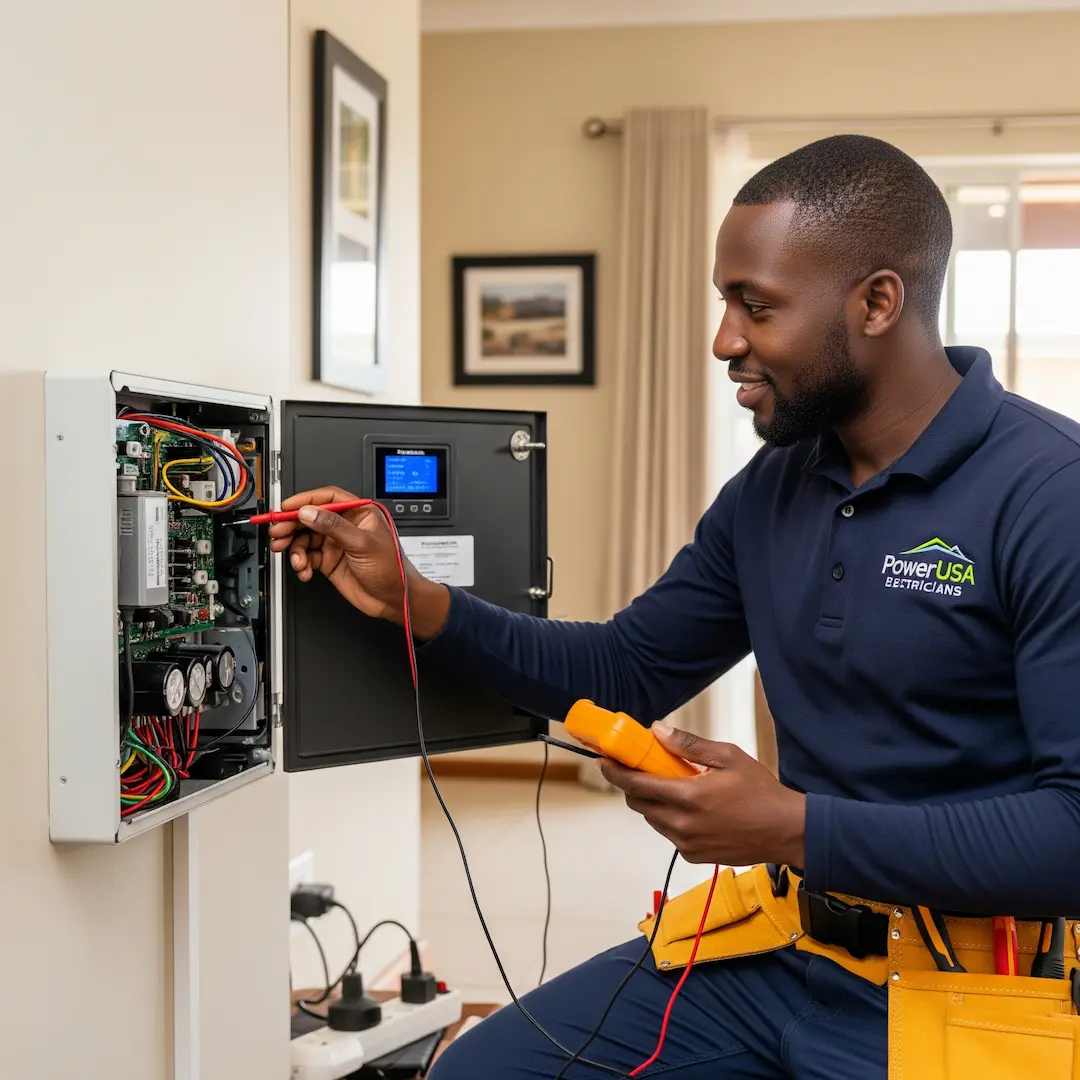
Inverter Repair Solutions in South Africa: Diagnosing Common Faults & Restoring Backup Power
Inverter not working during load shedding? Learn the most common inverter problems and error codes, what they mean, and when professional repair is needed to restore reliable backup power.

Load shedding has become an unfortunate reality for many South African households and businesses. When your inverter, the heart of your backup power system, starts acting up, it can be incredibly frustrating. A malfunctioning inverter can leave you in the dark, unable to power essential appliances or maintain productivity. But before you panic, understanding some common inverter issues and their potential fixes can help you make informed decisions about repairs.
Our expert electricians often share insights into the most frequent calls they receive regarding inverters. It's not uncommon for a homeowner to call, describing a situation where their inverter is "making a strange noise" or "just isn't switching on." These seemingly minor issues can often point to more significant underlying problems that require professional attention.
Understanding Common Inverter Error Codes
One of the most helpful features of modern inverters is their ability to display error codes. These codes are like a diagnostic language, offering clues about what's going wrong internally. While the exact codes can vary between brands and models, there are some common themes that our experienced technicians have encountered time and again.
Here's a breakdown of some frequently seen error types and what they usually indicate:
- Overload Error: This is probably the most common error our pros see, especially when load shedding hits unexpectedly. An overload error typically means you're trying to draw more power from the inverter than it's designed to provide. Imagine trying to run your microwave, kettle, and air fryer all at once off a standard home inverter – it's just too much for it to handle. The inverter will often shut down to protect itself from damage.
- Common Causes: Too many appliances connected, high-wattage appliances drawing sudden surges, or incorrectly sized inverter for your power needs.
- What it means: The inverter is trying to tell you that its output capacity has been exceeded.
- Battery Low/Discharged Error: If your inverter isn't providing power during an outage, or if it keeps shutting down shortly after load shedding begins, this error is a likely culprit. It indicates that the battery bank connected to your inverter is either depleted or not holding a charge effectively.
- Common Causes: Prolonged power outages draining the batteries completely, faulty batteries that no longer hold a charge, or a charging circuit issue within the inverter itself.
- What it means: Your power storage is insufficient or compromised.
- Over-Temperature Error: Inverters generate heat during operation. If they get too hot, they can display an over-temperature error and shut down to prevent internal damage. Our technicians have seen this happen in poorly ventilated spaces, like small cupboards or attics without adequate airflow.
- Common Causes: Poor ventilation around the inverter, dusty or blocked cooling fans, or sustained high loads causing excessive heat generation.
- What it means: The inverter's operating temperature has exceeded safe limits.
- Short Circuit Error: This is a more serious error indicating a direct short in the wiring connected to the inverter's output, or sometimes even an internal short. This could be due to damaged cables, faulty appliances, or incorrect wiring. One of our electricians recalled a job where a customer had accidentally put a nail through a power cable during a DIY renovation, causing a persistent short circuit error on their inverter.
- Common Causes: Damaged wiring, faulty appliances connected to the inverter, or an internal component failure.
- What it means: There's an unintended low-resistance path for current, which can be dangerous.
- Input Voltage Error (High/Low): Your inverter needs a stable input voltage from the grid to operate and charge its batteries correctly. If the grid voltage is too high or too low, the inverter may display an error and cease operation.
- Common Causes: Grid instability, fluctuations in Eskom's power supply, or issues with your home's main electrical supply.
- What it means: The incoming power supply is outside the inverter's acceptable operating range.
- Internal Fault/Component Failure: Sometimes, an inverter will display a generic "internal fault" or "component failure" error code. This usually indicates a problem with the inverter's internal electronics, such as a damaged circuit board, a faulty capacitor, or a rectifier issue. These are often complex problems requiring specialized diagnostic tools.
- Common Causes: Age of the inverter, power surges, manufacturing defects, or general wear and tear.
- What it means: A critical internal part of the inverter has malfunctioned.
How to Address an Inverter That's Not Charging
"My inverter isn't charging the batteries!" This is a cry for help our electricians hear frequently. A non-charging inverter means that even when the grid power is on, your backup batteries aren't getting replenished, leaving you vulnerable during the next load shedding cycle.
Here's a look at the typical process an expert would follow to diagnose and address a charging issue:
- Check the Basics First:AC Input Connected? It sounds simple, but sometimes the power cable from the wall outlet to the inverter can be loose or disconnected. Ensure it's firmly plugged in.
- Main Breaker Tripped? Check your main distribution board (DB board) to see if the circuit breaker supplying power to the inverter has tripped.
- Inverter Switched On? Verify that the inverter itself is switched on and not in a standby or off mode.
- Grid Power Present? Confirm that there is indeed power from the grid. Sometimes, the problem isn't the inverter but an ongoing power cut you weren't aware of.
- Inspect the Batteries:Battery Connections: Loose, corroded, or damaged battery terminals can prevent proper charging. Our pros always check these connections first. A client once described how their inverter simply stopped working after they'd accidentally nudged their battery bank while moving some storage boxes; it turned out a terminal had come loose.
- Battery Condition: Are the batteries old? Lead-acid batteries, commonly used with inverters, have a finite lifespan, typically 3-5 years, depending on usage and maintenance. If they're swollen, leaking, or showing other signs of distress, they likely need replacement.
- Individual Battery Voltage: For multi-battery setups, a technician will often check the voltage of each individual battery. A single faulty battery in a series can bring down the charging performance of the entire bank.
- Examine the Inverter's Charging Circuit:Internal Fuses: Many inverters have internal fuses that protect the charging circuit. A blown fuse will prevent the batteries from charging. This requires opening the inverter, which should only be done by a qualified professional due to the risk of electrocution.
- Rectifier/Charger Board: The rectifier converts AC power from the grid into DC power to charge the batteries. If this component or the charging control board is faulty, the batteries won't charge. This often requires complex component-level repair or board replacement.
- Software/Firmware Issues: Less common, but sometimes a software glitch or outdated firmware can affect the charging process. This usually requires a service technician with specialized tools to update or reconfigure the inverter's software.
The Importance of Qualified Technicians for Sensitive Electronics
While troubleshooting simple issues can save you time and money, it's crucial to understand when to call in the professionals. Inverters are sophisticated electronic devices that operate with high voltages. Attempting DIY repairs without the necessary expertise and safety equipment can be extremely dangerous, leading to severe injury or further damage to your expensive equipment.
Our network of qualified electricians in South Africa are all too familiar with the hazards. They've seen instances where well-meaning homeowners have attempted to fix a charging issue only to short-circuit components or receive a nasty shock. Working with inverters involves:
- High DC and AC Voltages: Even when disconnected from the grid, batteries store significant energy.
- Capacitor Discharge: Inverters contain capacitors that can hold a dangerous electrical charge even after being switched off.
- Complex Circuitry: Diagnosing internal faults requires specialized knowledge, tools, and experience with electronic components.
- SANS Regulations: Electrical work in South Africa is governed by strict safety standards (SANS 10142-1). Professionals ensure all repairs comply with these regulations, guaranteeing your safety and the longevity of your system.
The Typical Inverter Repair Process
When you call in a professional for an inverter repair, you can generally expect a structured approach designed to efficiently diagnose and resolve the issue:
- Initial Assessment & Diagnostics:The technician will first gather information from you about the symptoms, error codes, and when the problem started.
- They'll then perform visual inspections, checking connections, cables, and the general condition of the inverter and batteries.
- Using specialized diagnostic tools, they'll test input and output voltages, battery health, and internal components to pinpoint the exact fault.
- Quotation and Authorisation:Once the diagnosis is complete, the technician will provide you with a detailed explanation of the problem, the required repairs, and a transparent quotation for parts and labour.
- They'll only proceed with the repair once you have understood and approved the quote.
- Repair Execution:Component Replacement: For issues like faulty capacitors, rectifiers, or cooling fans, the technician will carefully replace the damaged components with genuine or high-quality compatible parts.
- Wiring Rectification: If the problem is due to faulty wiring or connections, they will repair or re-establish these, ensuring they meet safety standards.
- Software Updates/Calibration: In some cases, firmware updates or recalibration of settings may be necessary to resolve performance issues.
- Battery Replacement: If the batteries are the culprit, they will advise on suitable replacements and install them safely, ensuring proper connections and ventilation.
- Testing and Commissioning:After the repair, the inverter will be thoroughly tested under various load conditions to ensure it's functioning correctly and reliably. This often includes simulating a load shedding event to verify seamless transfer.
- The technician will confirm that batteries are charging as expected and that all error codes have been cleared.
- Preventative Advice:A good professional will often offer advice on how to get the most out of your inverter system and prevent future issues. This might include tips on managing loads, ensuring adequate ventilation, or scheduling regular maintenance.
Investing in professional inverter repair ensures your backup power system is safe, reliable, and ready to kick in when you need it most. Don't let a faulty inverter leave you in the dark – proper diagnosis and repair can restore your peace of mind.
Frequently Asked Questions
How long do inverter batteries typically last in South Africa?
The lifespan of inverter batteries in South Africa can vary significantly based on the type of battery, how frequently they are cycled (discharged and recharged), and maintenance. Lead-acid batteries, a common choice, typically last between 3 to 5 years, while more advanced lithium-ion batteries can last 10 years or more, though they come at a higher upfront cost.
Can I connect any appliance to my inverter during load shedding?
No, not all appliances are suitable for inverter power. High-wattage appliances like geysers, kettles, stoves, tumble dryers, and air conditioners draw a lot of power and can quickly overload or damage your inverter. It's best to stick to essential low-wattage appliances like lights, TVs, Wi-Fi routers, and charging devices. Always check your inverter's maximum continuous output and the wattage of your appliances.
How often should I have my inverter system serviced?
It's generally recommended to have your inverter and battery system inspected by a qualified technician at least once a year. Regular servicing can help identify potential issues early, ensure all components are functioning optimally, and prolong the lifespan of your system. This is particularly important with the frequent load shedding cycles we experience.
What's the difference between a pure sine wave and modified sine wave inverter?
A pure sine wave inverter produces a clean, smooth electrical waveform, similar to the power you get from the grid. This makes it suitable for all types of electronics, especially sensitive ones like medical equipment, modern TVs, and computers. A modified sine wave inverter produces a stepped, approximation of a sine wave. While cheaper, it can cause some electronic devices to run less efficiently, generate heat, or even be damaged over time, especially those with motors or sensitive circuits.
Suzette Meyer is the lead author and content creator for Kandua.com, South Africa’s #1 marketplace for home services. Suzette has made it her mission to help homeowners with advice on all aspects of home repair, maintenance and improvement, including how to choose the right Pro and how to make smart upgrades that improve your resale value or save costs.

Related articles, advice and more
.webp)
How to Check If an Electrician Is Registered with ECB
The Electrical Conformance Board of South Africa (ECB) serves as a vital gatekeeper in this industry. If you are in the middle of a renovation or just need a new DB board installed, knowing how to verify your electrician’s registration is the most important step you can take.
What to Do If You Smell Burning from an Electrical Outlet
For South African homeowners, electrical faults are a leading cause of house fires. Whether it is caused by old wiring in heritage homes in suburbs like Melville or Observatory, or the strain placed on systems by post-load shedding surges, knowing exactly how to react can save your property and your life.This guide details the immediate steps you must take, the likely causes of the smell, and what to expect when you call in a professional.
.webp)
.webp)
.webp)
Your Inverter is Repaired! Key Checks to Ensure Continued Backup Power in SA
This guide will walk you through the essential checks and maintenance tips to maximise the lifespan and efficiency of your recently repaired inverter and battery setup, straight from the insights of experienced electricians across South Africa.
.webp)
.webp)
.webp)
Latest articles, advice and more
.webp)
How To Fix A Damp Wall And What's Actually Causing It
If your walls are weeping, your plaster is flaking, or you can smell that musty, damp smell, you're not dealing with one problem; you're dealing with three possible ones. The fix depends entirely on the cause.
.webp)
Gutter Cleaning: How Often Should You Do It and What Does It Cost?
Clean your gutters at least twice a year, and always before your rainy season kicks in. In South Africa, a professional gutter clean usually costs somewhere between R450 and R2,500, depending on the size of your home, how high the roof is, and how blocked things have become. Here is how to work out the right frequency and a fair price.
.webp)
Why Are My Plug Points Not Working? A Troubleshooting Guide
If your plug points have suddenly gone dead, the usual culprits are a tripped earth leakage switch, a tripped circuit breaker, loose or burnt wiring, or a faulty appliance overloading the circuit. Work through the safety checks below before you call anyone, then understand when the job requires a registered electrician.
.webp)
How a Geyser Timer Can Cut Your Electricity Bill
If you've been staring at your Eskom bill and wondering where the money is going, your geyser might be the culprit. Here's the good news: a simple geyser timer can cut your hot water costs by up to 30% each month, which typically saves South African homeowners between R200 and R400 on their electricity bills, depending on their current usage.
%20(1).webp)
How To Treat and Paint Over Damp Walls (So It Doesn't Come Back)
You've noticed a patch on the bedroom wall: discoloured and maybe a bit soft to the touch, and you're wondering if a fresh coat of paint will simply cover the problem. The short answer: no, it won't. But the good news is that understanding what's happening beneath that stain, and treating it properly, is far simpler than you might think.
.webp)
Beyond the Unboxing: A Detailed Guide to Correct Washing Machine Plumbing & Setup
New washing machine in South Africa? Learn essential plumbing and setup tips to prevent leaks, ensure efficient operation, and extend your appliance’s lifespan - expert advice before your first load.
.webp)
New Washing Machine? Don't Plug It In Yet! Essential Installation Tips for SA Homes
Installing a new washing machine? Learn the essential setup steps South African homeowners often overlook to prevent leaks, noise, and damage—and ensure efficient, long-lasting performance from day one.
%20(1).webp)
.webp)
TV Repair Costs in South Africa: Diagnosing Screen, Power & Component Issues
Find out what TV repairs really cost in South Africa – from call-out and diagnosis fees to screen, power and main board fixes – and when it’s cheaper to replace your TV instead of repairing it.
.webp)
Septic Tank Leak Repair Cost in South Africa: Addressing Odours & Environmental Hazards
Learn typical septic tank leak repair costs in South Africa, what drives the price up, how to spot early warning signs (odours, soggy ground, backups), and when it’s safer and cheaper to get a professional in.
How to Install a Horizontal Geyser | Step-by-Step Pro Guide
Want to install a geyser like a pro? This step-by-step tutorial shows you exactly how to do a horizontal Ariston Axios geyser installation, straight from the BluLever plumbing workshop. 🎥 Hosted by MK, BluLever’s technical facilitator, and supported by a qualified electrician, Life and a BluLever graduate artisan, Zinhle. This is your ultimate guide to a SANS 10254-compliant installation — from preparing the wall, to plumbing, electrical wiring, and pro troubleshooting tips.
How to Maintain a Geyser | Step-by-Step Pro Guide
Want to maintain a geyser like a pro? This step-by-step tutorial shows you exactly how to do the three core geyser maintenance checks on an Ariston Axios geyser installation, straight from the BluLever plumbing workshop. 🎥 Hosted by MK, BluLever’s technical facilitator, and supported by a qualified electrician, Life. This is your ultimate guide to geyser maintenance — from diagnosing the problem to checking the heat regulation of the geyser, to pressure regulation and then finally corrosion protection.
%201.avif)
Not just another newsletter. It's an advantage


From problem to solved.


.svg)


.avif)
.avif)
.avif)


.avif)