
.webp)
Is Your Aircon Not Cooling? Common Aircon Problems & When to Regas or Repair in SA
Aircon not cooling properly? Discover common aircon problems in South Africa, how to tell if it needs regassing or repair, and when to call a professional technician.

Is Your Aircon Not Cooling? Common Aircon Problems & When to Regas or Repair in SA
There’s nothing worse than switching on your aircon on a sweltering South African day, expecting a blast of cool relief, only to be met with lukewarm air or, even worse, strange noises. An air conditioning unit that isn’t performing as it should can quickly turn a comfortable home or office into an uncomfortable space. But how do you know if your aircon just needs a simple fix, a professional regas, or a more involved repair?
We've gathered insights from experienced aircon technicians across South Africa to help you understand the common culprits behind a malfunctioning aircon and guide you on when it’s time to call in the pros.
Understanding the Basics: How Your Aircon Works (Briefly!)
Before diving into problems, it’s helpful to quickly grasp how your aircon cools. Essentially, it works by circulating a refrigerant (often called "gas") through a system of coils. The indoor unit absorbs heat from your room into the refrigerant, which then travels to the outdoor unit where the heat is released. This cycle continuously removes heat from your indoor space, making it cooler. Any disruption to this cycle can lead to reduced cooling.
Common Aircon Problems and Their Symptoms
Let’s break down the most frequent issues homeowners face with their aircon units:
1. Aircon Not Blowing Cold Air
This is perhaps the most common and frustrating problem. If your aircon is running but the air isn't cold, or it's only mildly cool, here's what could be happening:
- Low Refrigerant (Gas) Levels: This is often the first thought, and for good reason. Refrigerant is essential for the cooling process. Low levels are usually due to a leak in the system, not because the gas "runs out" naturally.
- Expert Insight: "When a client says their aircon isn't cooling, the first thing we check for is a leak. It's rare for gas to just dissipate; there's almost always a tiny pinhole or crack causing the loss," explains a technician from Durban. "We use special leak detection methods, sometimes even a UV dye, to pinpoint the exact spot."
- Dirty Air Filter: A clogged filter restricts airflow over the evaporator coil, reducing its ability to absorb heat. This means less cool air makes it into your room.
- Frozen Evaporator Coils: If airflow is severely restricted (e.g., by a very dirty filter or low refrigerant), the evaporator coil can get too cold and freeze over. You might see ice on the indoor unit. When the ice melts, it can cause water leaks.
- Faulty Compressor: The compressor is the heart of your aircon, responsible for circulating the refrigerant. If it fails, the cooling cycle stops entirely. This is a more serious and often costlier repair.
- Thermostat Issues: A miscalibrated or faulty thermostat might not be accurately reading the room temperature or signalling the unit to cool.
2. Aircon Making Strange Noises
An aircon should operate with a consistent, relatively quiet hum. Any new or unusual sounds are a red flag:
- Grinding or Squealing: This often points to issues with the motor bearings in either the indoor or outdoor unit. It's a sign of wear and tear and needs professional attention to prevent further damage.
- Hissing or Bubbling: A distinct hissing sound often indicates a refrigerant leak. Bubbling sounds can also suggest air trapped within the refrigerant lines, again, often a sign of a leak.
- Expert Insight: "I once responded to a call where the client described a sound like a soda can fizzing near their outdoor unit," shares a technician from Johannesburg. "Turned out to be a slow but steady refrigerant leak from a hairline crack in one of the copper pipes. It was subtle, but a tell-tale sign."
- Clicking: While a single click at startup or shutdown is normal, continuous clicking can indicate a faulty relay or capacitor. If it's rapid clicking and the unit isn't starting, it could be an electrical issue.
- Rattling: Loose panels, debris inside the unit (like leaves or small twigs in the outdoor unit), or unbalanced fan blades can cause rattling.
- Banging: A loud banging sound is usually serious and could mean a loose or broken part within the compressor or fan motor. Turn off the unit immediately if you hear this.
3. Water Leaking from the Aircon Unit
Water leaks are common but should always be addressed to prevent damage to your property.
- Clogged Condensate Drain Line: As your aircon cools, it removes humidity from the air, and this moisture condenses into water. This water drains away through a condensate line. If this line gets clogged with algae, mould, or debris, water will back up and overflow, often dripping from the indoor unit.
- Frozen Evaporator Coils (as mentioned above): When these coils melt, the excess water can overwhelm the drain pan, leading to leaks.
- Cracked Drain Pan: Less common, but the pan designed to collect condensate water can crack due to age or damage.
When to Regas vs. When to Repair
This is the crucial question, and it largely depends on the underlying problem.
When to Consider a Regas:
A regas (or refrigerant recharge) is only necessary if your aircon has low refrigerant levels due to a leak. It is crucial to understand that simply topping up the gas without fixing the leak is a temporary, and ultimately wasteful, solution. The gas will simply leak out again.
- You'll need a professional if: Your aircon isn't cooling effectively, and a technician confirms low refrigerant levels and, crucially, identifies and repairs the leak.
- Authoritative Advice: "We always tell our clients, if your aircon needs gas, it has a problem," states an aircon specialist from Cape Town. "Refrigerant doesn't just disappear. If we find low gas, our priority is finding and fixing the leak first. Only then do we consider regassing." This aligns with industry best practices to prevent repeated call-outs and unnecessary environmental impact.
When to Consider a Repair:
Most other problems – strange noises, electrical issues, faulty components, or clogged drains – will require a repair.
- You'll need a professional if:Your aircon is making unusual noises (grinding, banging, hissing).
- Water is leaking from the unit.
- The unit isn't turning on at all.
- The fan isn't working, even if the unit is getting power.
- You suspect a faulty compressor or fan motor.
- The aircon is blowing air, but it's not cold, and the filter is clean.
DIY Aircon Maintenance: What You Can Do
While complex repairs and regassing should always be left to qualified technicians, there are a few simple things you can do to maintain your aircon and potentially prevent some issues:
- Clean or Replace Air Filters Regularly: This is the easiest and most impactful DIY task. Check your filter once a month, especially during peak usage seasons. If it looks dirty, clean reusable filters or replace disposable ones. This significantly improves airflow and efficiency.
- Keep Outdoor Unit Clear: Ensure the outdoor condenser unit is free from leaves, grass clippings, dirt, and other debris that can obstruct airflow. Trim back any vegetation around it.
- Check the Thermostat: Ensure it's set correctly and that batteries (if applicable) are fresh.
- Clear the Drain Pan (Carefully): If you notice a small amount of stagnant water in the condensate drain pan (indoor unit), you can carefully clear any visible obstructions, but avoid pushing debris further into the drain line. For blockages deeper in the line, call a professional.
Disclaimer: While some basic maintenance can be done by homeowners, any work involving electrical components, refrigerant lines, or complex mechanical parts should be left to certified aircon technicians. Attempting DIY repairs without the proper knowledge or tools can be dangerous and can lead to further damage to your unit or even personal injury. Always prioritise safety.
Choosing a Professional Aircon Technician in South Africa
When your aircon needs professional attention, look for technicians who are:
- Qualified and Experienced: Ensure they have the necessary certifications and a proven track record.
- Transparent with Pricing: They should provide clear quotes before starting any work.
- Able to Diagnose Accurately: A good technician will thoroughly inspect your unit to identify the root cause of the problem, rather than just guessing.
- Equipped with the Right Tools: From refrigerant gauges to leak detectors, they should have professional equipment.
By understanding the common signs of aircon trouble and knowing when to call in an expert, you can keep your South African home or office cool and comfortable for years to come.
Frequently Asked Questions
How often should an aircon be serviced in South Africa?
It's generally recommended to have your aircon serviced annually, ideally before the peak summer season. Regular servicing helps maintain efficiency, identify potential issues early, and extend the lifespan of your unit. For commercial or heavily used units, more frequent servicing might be necessary.
Can I just add gas to my aircon myself?
No. Adding refrigerant to an aircon system requires specific training, tools, and an understanding of the type and amount of refrigerant needed. More importantly, if your aircon is low on gas, it means there's a leak, and simply topping it up without fixing the leak is wasteful and an environmental concern. Only a qualified technician should handle refrigerant.
Why is my aircon running but not cooling the room effectively?
Several factors can cause this. Common culprits include a dirty air filter, low refrigerant levels due to a leak, a faulty compressor, or issues with the fan motor. It could also be that the unit is undersized for the room or that windows and doors are not properly sealed, allowing cool air to escape.
How long does an aircon regas last?
A "regas" should effectively last for the lifetime of your aircon unit, provided there are no leaks. If a technician regasses your unit, they should have first found and repaired any leaks. If your aircon loses gas again after a regas, it indicates that the leak was either not properly repaired or a new leak has developed.
Suzette Meyer is the lead author and content creator for Kandua.com, South Africa’s #1 marketplace for home services. Suzette has made it her mission to help homeowners with advice on all aspects of home repair, maintenance and improvement, including how to choose the right Pro and how to make smart upgrades that improve your resale value or save costs.

Related articles, advice and more
.webp)
How to Check If an Electrician Is Registered with ECB
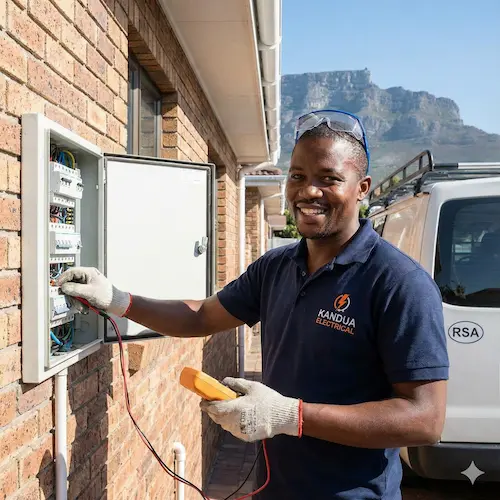
The Electrical Conformance Board of South Africa (ECB) serves as a vital gatekeeper in this industry. If you are in the middle of a renovation or just need a new DB board installed, knowing how to verify your electrician’s registration is the most important step you can take.
What to Do If You Smell Burning from an Electrical Outlet
For South African homeowners, electrical faults are a leading cause of house fires. Whether it is caused by old wiring in heritage homes in suburbs like Melville or Observatory, or the strain placed on systems by post-load shedding surges, knowing exactly how to react can save your property and your life.This guide details the immediate steps you must take, the likely causes of the smell, and what to expect when you call in a professional.
.webp)
.webp)
.webp)
Your Inverter is Repaired! Key Checks to Ensure Continued Backup Power in SA
This guide will walk you through the essential checks and maintenance tips to maximise the lifespan and efficiency of your recently repaired inverter and battery setup, straight from the insights of experienced electricians across South Africa.
.webp)
.webp)
.webp)
Latest articles, advice and more
.webp)
How To Fix A Damp Wall And What's Actually Causing It
If your walls are weeping, your plaster is flaking, or you can smell that musty, damp smell, you're not dealing with one problem; you're dealing with three possible ones. The fix depends entirely on the cause.
.webp)
Gutter Cleaning: How Often Should You Do It and What Does It Cost?
Clean your gutters at least twice a year, and always before your rainy season kicks in. In South Africa, a professional gutter clean usually costs somewhere between R450 and R2,500, depending on the size of your home, how high the roof is, and how blocked things have become. Here is how to work out the right frequency and a fair price.
.webp)
Why Are My Plug Points Not Working? A Troubleshooting Guide
If your plug points have suddenly gone dead, the usual culprits are a tripped earth leakage switch, a tripped circuit breaker, loose or burnt wiring, or a faulty appliance overloading the circuit. Work through the safety checks below before you call anyone, then understand when the job requires a registered electrician.
.webp)
How a Geyser Timer Can Cut Your Electricity Bill
If you've been staring at your Eskom bill and wondering where the money is going, your geyser might be the culprit. Here's the good news: a simple geyser timer can cut your hot water costs by up to 30% each month, which typically saves South African homeowners between R200 and R400 on their electricity bills, depending on their current usage.
%20(1).webp)
How To Treat and Paint Over Damp Walls (So It Doesn't Come Back)
You've noticed a patch on the bedroom wall: discoloured and maybe a bit soft to the touch, and you're wondering if a fresh coat of paint will simply cover the problem. The short answer: no, it won't. But the good news is that understanding what's happening beneath that stain, and treating it properly, is far simpler than you might think.
.webp)
Beyond the Unboxing: A Detailed Guide to Correct Washing Machine Plumbing & Setup
New washing machine in South Africa? Learn essential plumbing and setup tips to prevent leaks, ensure efficient operation, and extend your appliance’s lifespan - expert advice before your first load.
.webp)
New Washing Machine? Don't Plug It In Yet! Essential Installation Tips for SA Homes
Installing a new washing machine? Learn the essential setup steps South African homeowners often overlook to prevent leaks, noise, and damage—and ensure efficient, long-lasting performance from day one.
%20(1).webp)
.webp)
TV Repair Costs in South Africa: Diagnosing Screen, Power & Component Issues
Find out what TV repairs really cost in South Africa – from call-out and diagnosis fees to screen, power and main board fixes – and when it’s cheaper to replace your TV instead of repairing it.
.webp)
Septic Tank Leak Repair Cost in South Africa: Addressing Odours & Environmental Hazards
Learn typical septic tank leak repair costs in South Africa, what drives the price up, how to spot early warning signs (odours, soggy ground, backups), and when it’s safer and cheaper to get a professional in.
How to Install a Horizontal Geyser | Step-by-Step Pro Guide
Want to install a geyser like a pro? This step-by-step tutorial shows you exactly how to do a horizontal Ariston Axios geyser installation, straight from the BluLever plumbing workshop. 🎥 Hosted by MK, BluLever’s technical facilitator, and supported by a qualified electrician, Life and a BluLever graduate artisan, Zinhle. This is your ultimate guide to a SANS 10254-compliant installation — from preparing the wall, to plumbing, electrical wiring, and pro troubleshooting tips.
How to Maintain a Geyser | Step-by-Step Pro Guide
Want to maintain a geyser like a pro? This step-by-step tutorial shows you exactly how to do the three core geyser maintenance checks on an Ariston Axios geyser installation, straight from the BluLever plumbing workshop. 🎥 Hosted by MK, BluLever’s technical facilitator, and supported by a qualified electrician, Life. This is your ultimate guide to geyser maintenance — from diagnosing the problem to checking the heat regulation of the geyser, to pressure regulation and then finally corrosion protection.
%201.avif)
Not just another newsletter. It's an advantage


From problem to solved.


.svg)


.avif)
.avif)
.avif)


.avif)