
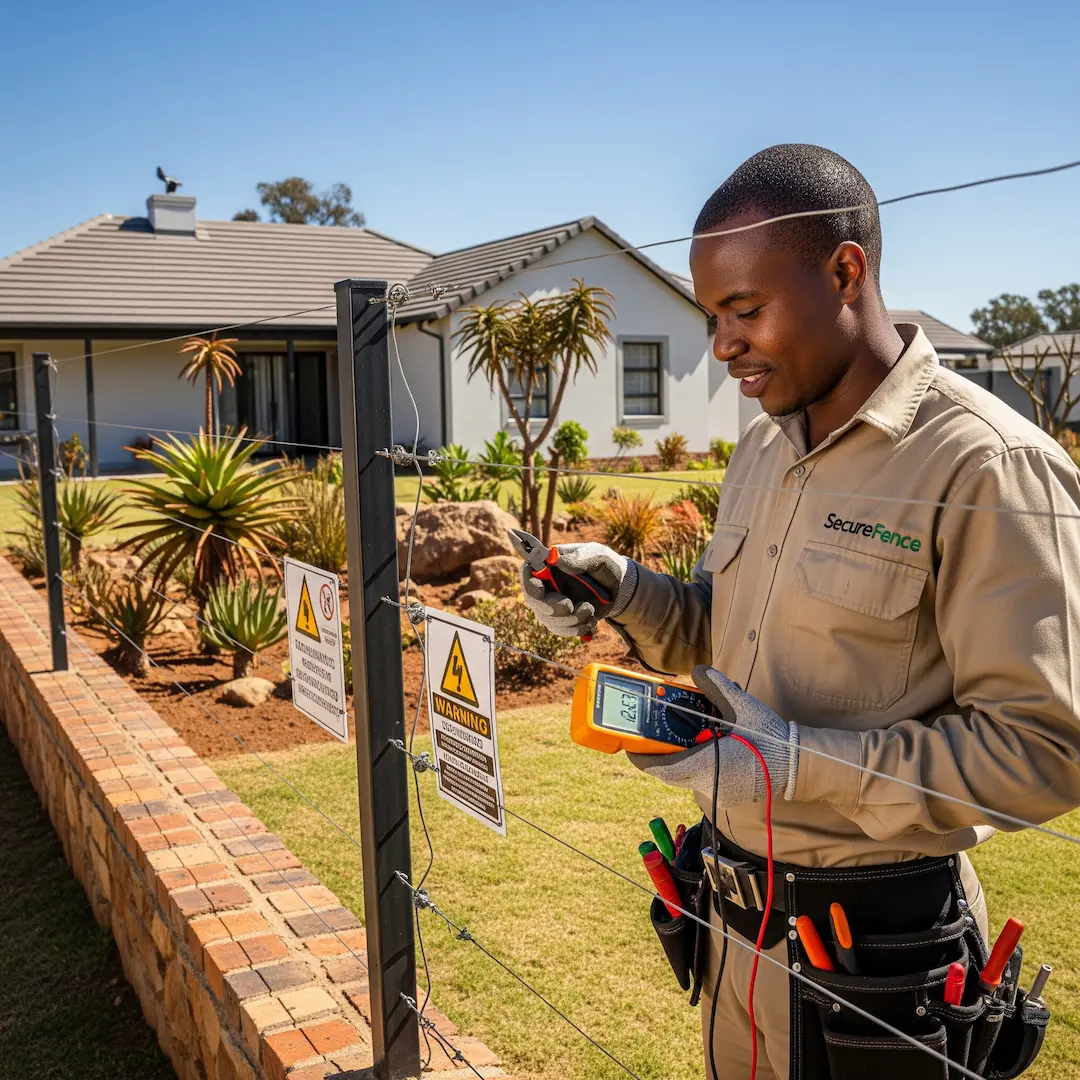
Is Your Electric Fence Failing? Common Faults & Signs You Need a Repair in SA
Electric fence not working properly? Learn common faults, warning signs, and when South African homeowners should call for repairs to restore reliable security and peace of mind.

Is Your Electric Fence Failing? Common Faults & Signs You Need a Repair in SA
Electric fences are a vital security feature for many South African homes, acting as a formidable deterrent against intruders. When yours isn't functioning as it should, it can be a significant cause for concern. Understanding the common faults and recognizing the signs that indicate a need for repair is the first step in restoring your peace of mind and your property's security.
Understanding How Your Electric Fence Works
Before diving into common issues, it's helpful to have a basic grasp of how an electric fence operates. Essentially, an electric fence system consists of an energiser, which converts mains power into high-voltage pulses, and a network of wires, insulators, and earth spikes. When an intruder touches the fence, they complete a circuit, receiving a non-lethal but memorable shock, triggering an alarm in many systems. This continuous monitoring of the circuit integrity is what keeps your property secure.
Signs Your Electric Fence Might Be Failing
Spotting the early warning signs of a failing electric fence can prevent more significant security breaches. Here's what to look out for:
- No Shock or Weak Shock: This is perhaps the most obvious sign. If you (or a brave, consenting friend with appropriate safety gear) test the fence and there's no shock, or it's noticeably weak, your energiser might not be producing enough voltage, or there could be a short circuit. Our expert installers have often seen cases where even a small branch resting on the wires can significantly reduce the shock intensity.
- Constant or Intermittent Alarm Tripping: False alarms are incredibly frustrating. If your alarm is going off without any obvious cause – whether constantly or sporadically – it could indicate a break in the circuit, faulty wiring, or even overgrown vegetation touching the fence lines. One professional recalled a time when persistent false alarms were traced back to a small, nearly invisible crack in an insulator, allowing current to leak intermittently.
- Visible Damage to Wires or Poles: Rust, corrosion, frayed wires, or bent poles are clear indicators that your fence is compromised. Animals, weather, or even intentional tampering can cause such damage. A broken wire means an open circuit, rendering that section of your fence ineffective.
- Buzzing or Clicking Sounds (Outside of Normal Operation): While a healthy energiser might produce a faint click, loud or unusual buzzing, crackling, or rapid clicking sounds coming from the fence line itself often point to arcing (electricity jumping across a gap) or short circuits. This is a sign of current leakage, which reduces the fence's effectiveness.
- Power Loss or Fluctuation at the Fence: If your fence is intermittently losing power or the voltage display on your energiser is fluctuating erratically, it could be due to issues with your power supply, battery backup, or a problem within the fence circuit itself.
Common Electric Fence Faults and How Professionals Identify Them
Identifying the root cause of an electric fence problem often requires a keen eye and specialized equipment. Here are some of the most common faults and how experienced professionals typically diagnose them:
1. Power Supply Issues
- Dead Battery: Most electric fence energisers have a backup battery. If the mains power goes out, or if the battery isn't charging correctly, your fence could lose power entirely. Professionals will test the battery voltage and the charging circuit.
- Faulty Energiser: The energiser is the heart of your system. If it's not producing the correct voltage, or if its internal components are failing, the entire fence will be compromised. Technicians use specialised fault-finding equipment to test the energiser's output.
- Mains Power Problems: Issues with the dedicated power outlet or the circuit breaker feeding your energiser can lead to a complete loss of power.
2. Short Circuits
Short circuits are arguably the most frequent cause of electric fence problems. They occur when the high-voltage wire inadvertently touches an earthed object, diverting the current and reducing the shock.
- Vegetation Overgrowth: This is a classic culprit. Trees, bushes, or even tall grass touching the fence wires can create multiple short circuits, dramatically reducing the fence's effectiveness. An installer once shared how a dense bougainvillea creeping up a wall was gradually shorting out an entire section of fence, leading to a drastically weakened shock. Regular vegetation trimming is crucial.
- Damaged Insulators: Insulators are designed to prevent the live wire from touching the fence posts, which are typically earthed. Cracked, broken, or degraded insulators will allow current to leak to the poles, causing a short.
- Loose or Damaged Wires: Wires can come loose from tensioners, sag, or become damaged, allowing them to touch other wires, poles, or earthed structures. Rust on the wires can also increase resistance and cause shorts.
- Foreign Objects: Anything from a piece of litter to a stray object thrown over the fence can create a short.
3. Open Circuits
An open circuit means there's a complete break in the flow of electricity, rendering a section or the entire fence non-functional.
- Broken Wires: This is the most straightforward open circuit. Wires can snap due to weather, impact, or corrosion.
- Faulty Connections: Loose or corroded connections between wires, at joiners, or at the energiser terminals can interrupt the circuit.
- Damaged Underground Cables: If your fence has underground cabling (e.g., to cross a gate opening), damage to these cables can create an open circuit.
4. Earthing Issues
Proper earthing is critical for an electric fence to deliver an effective shock. The earth spikes provide the return path for the electrical current.
- Insufficient Earthing: If there aren't enough earth spikes, or if they aren't properly installed in moist ground, the fence won't be able to deliver a strong shock.
- Corroded Earth Spikes or Connections: Rust or corrosion on the earth spikes or their connections can impede the flow of current back to the energiser.
5. Alarm System Faults
Even if the fence is delivering a shock, the alarm system might be faulty.
- Faulty Sensors: The sensors that detect tampering or a short circuit might be malfunctioning, leading to false alarms or no alarm when triggered.
- Wiring Issues: Problems with the low-voltage wiring connecting the fence to the alarm panel can cause communication issues.
Why Professional Repair is Crucial
While some minor issues like trimming vegetation can be addressed by a homeowner, DIY electric fence repairs are strongly discouraged and can be extremely dangerous. Working with high voltage electricity carries significant risks, including severe electric shock, fire, and even electrocution. Electric fence installations and repairs in South Africa are governed by SANS 10222-3 regulations, which ensure safety and proper functionality. Only qualified and certified electricians or electric fence technicians should undertake repairs. They have the necessary training, tools, and understanding of these regulations to diagnose and fix problems safely and effectively.
When you notice any of the signs mentioned above, the safest and most reliable course of action is to call a professional. They can accurately diagnose the issue, perform the necessary repairs using the correct components, and ensure your electric fence is fully compliant and providing the security you rely on.
Frequently Asked Questions
How often should I have my electric fence serviced?
It's generally recommended to have your electric fence professionally serviced at least once a year. This allows technicians to identify and address minor issues before they become major problems, ensuring optimal performance and longevity of your system. More frequent checks might be advisable in areas prone to severe weather or high vegetation growth.
Can weather affect my electric fence's performance?
Yes, severe weather can definitely impact your electric fence. Heavy rain can cause current leakage if insulators are faulty, while strong winds can damage wires or cause them to touch other objects. Lightning strikes can also damage energisers and other components. Regular inspections after extreme weather events are a good idea.
What is the typical lifespan of an electric fence?
The lifespan of an electric fence system can vary depending on the quality of components, installation, and maintenance. Generally, a well-maintained electric fence can last anywhere from 10 to 15 years, with the energiser often being the component that requires replacement first. Wires and insulators may need more frequent attention due to exposure to the elements.
Is it normal for my electric fence to make a clicking sound?
A faint, regular clicking sound from the energiser is typically normal and indicates that it is producing pulses. However, if the clicking is loud, rapid, or accompanied by buzzing or crackling sounds from the fence line itself, it could indicate a short circuit or other fault that requires investigation.
Find a vetted electrician near you
Electric fencing repair: find a pro near you
Suzette Meyer is the lead author and content creator for Kandua.com, South Africa’s #1 marketplace for home services. Suzette has made it her mission to help homeowners with advice on all aspects of home repair, maintenance and improvement, including how to choose the right Pro and how to make smart upgrades that improve your resale value or save costs.

Latest articles, advice and more
.webp)
.webp)
.webp)
.webp)
.jpeg)
Sinking Pavers, Weeds and Water That Pools: What Your Driveway Is Telling You
When your driveway starts sprouting weeds, pooling water, or sinking in patches, the bricks are not failing you. The layers underneath have moved, and they are trying to tell you exactly what went wrong.
.webp)
.webp)
Beyond the Unboxing: A Detailed Guide to Correct Washing Machine Plumbing & Setup
New washing machine in South Africa? Learn essential plumbing and setup tips to prevent leaks, ensure efficient operation, and extend your appliance’s lifespan - expert advice before your first load.
.webp)
New Washing Machine? Don't Plug It In Yet! Essential Installation Tips for SA Homes
Installing a new washing machine? Learn the essential setup steps South African homeowners often overlook to prevent leaks, noise, and damage—and ensure efficient, long-lasting performance from day one.
.webp)
.webp)
%25201200%2520x%25201200%2520(1).jpeg)
What Retiling a Bathroom Costs in 2026, Room by Room
Retiling a bathroom in South Africa costs between R230 and R800 per square metre in 2026, including materials and labour. A standard family bathroom, stripped and fully retiled, usually lands between R11,800 and R27,500. A guest toilet costs a fraction of that. A large porcelain en-suite costs a lot more.
How to Install a Horizontal Geyser | Step-by-Step Pro Guide
Want to install a geyser like a pro? This step-by-step tutorial shows you exactly how to do a horizontal Ariston Axios geyser installation, straight from the BluLever plumbing workshop. 🎥 Hosted by MK, BluLever’s technical facilitator, and supported by a qualified electrician, Life and a BluLever graduate artisan, Zinhle. This is your ultimate guide to a SANS 10254-compliant installation — from preparing the wall, to plumbing, electrical wiring, and pro troubleshooting tips.
How to Maintain a Geyser | Step-by-Step Pro Guide
Want to maintain a geyser like a pro? This step-by-step tutorial shows you exactly how to do the three core geyser maintenance checks on an Ariston Axios geyser installation, straight from the BluLever plumbing workshop. 🎥 Hosted by MK, BluLever’s technical facilitator, and supported by a qualified electrician, Life. This is your ultimate guide to geyser maintenance — from diagnosing the problem to checking the heat regulation of the geyser, to pressure regulation and then finally corrosion protection.
%201.avif)
Not just another newsletter. It's an advantage