
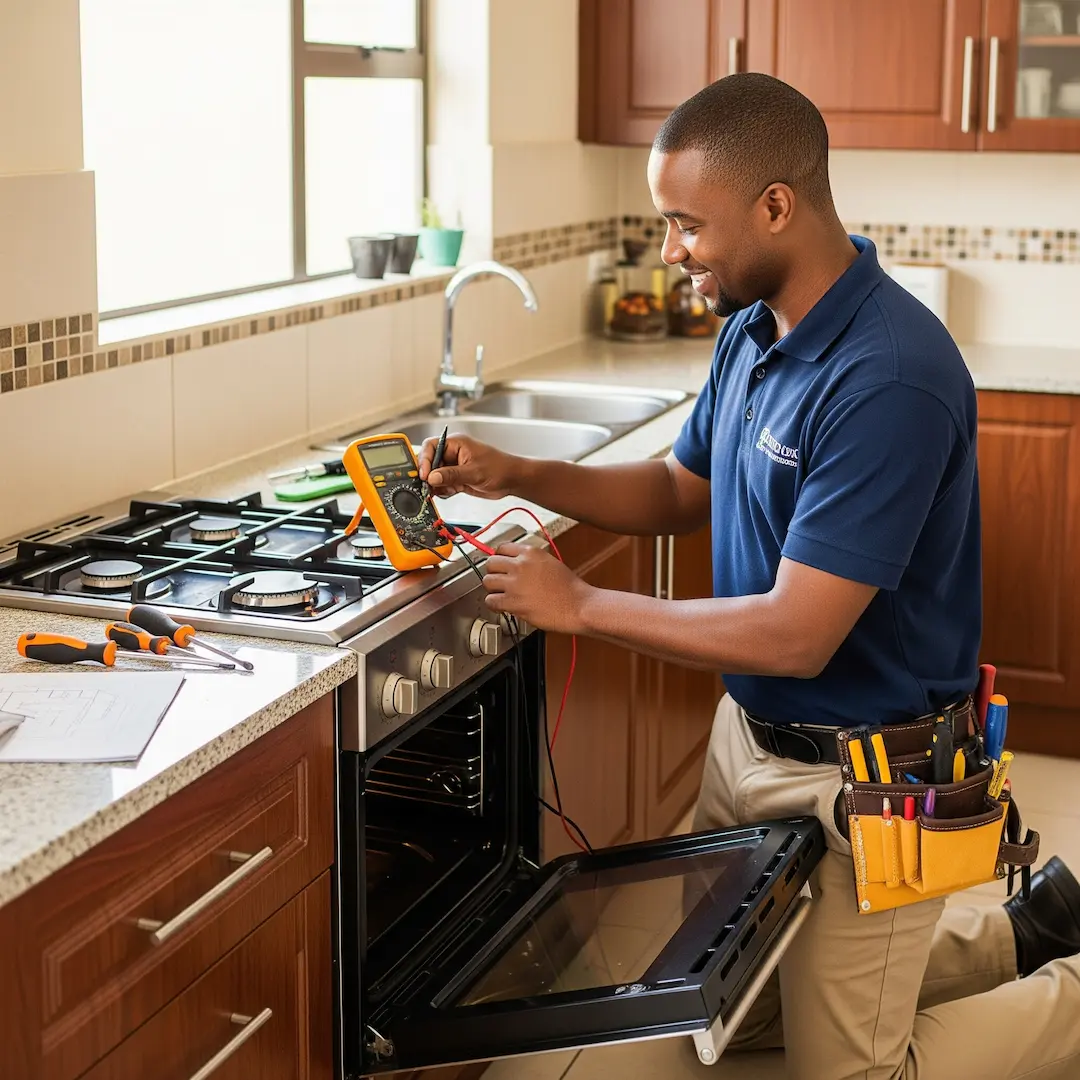
Natural Gas Appliance Problems? Why Only Certified Experts Should Handle Repairs in SA
Natural gas appliance acting up? Learn why only certified experts should handle repairs in South Africa to ensure safety, legal compliance, and reliable appliance performance.

Natural Gas Appliance Problems? Why Only Certified Experts Should Handle Repairs in SA
There's nothing quite like the convenience and efficiency of natural gas appliances in your home, whether it's the instant heat from your gas hob, the comforting warmth of a gas heater, or the even cooking of a gas oven. But what happens when they suddenly stop working as they should? A natural gas appliance on the fritz can be frustrating, especially when your gas heater isn't working on a chilly South African evening or your gas oven is refusing to bake that Sunday roast.
While the immediate thought might be to try and figure it out yourself, when it comes to natural gas, a DIY approach can be incredibly dangerous. The complexity of these systems and the inherent risks associated with gas leaks mean that professional expertise isn't just a suggestion – it's a critical safety requirement in South Africa.
Understanding Natural Gas Appliances and Their Importance
Natural gas is a popular energy source in many South African homes, prized for its cost-effectiveness and reliability. From cooking to heating water and warming living spaces, natural gas appliances offer significant advantages. However, like any sophisticated piece of equipment, they can encounter problems.
Imagine this scenario, recounted by an experienced gas technician from Pretoria: "We once got a call about a gas oven that wasn't heating properly. The homeowner had tried to adjust a few things themselves, thinking it was a simple igniter issue. When we arrived, we quickly discovered a subtle gas smell – a small leak at a fitting that had been inadvertently loosened. If they had continued to try and fix it, or worse, ignored the smell, the situation could have escalated into something far more serious. It just goes to show, even seemingly minor issues can hide significant dangers."
Common Natural Gas Appliance Problems You Might Encounter
Before delving into why professional help is non-negotiable, let's look at some common issues you might experience with your natural gas appliances:
- Gas Heater Not Working:No ignition: This could be due to a faulty igniter, a blocked pilot light, or even a problem with the gas supply itself. Sometimes, it's as simple as the gas valve being partially closed.
- Pilot light goes out frequently: This often points to a dirty thermocouple, which is a safety device that detects if the pilot flame is lit. If it's dirty or faulty, it won't signal to the gas valve to stay open, causing the pilot to extinguish.
- Inadequate heating: Your heater might be producing some warmth, but not enough. This could be a sign of a partially blocked burner, issues with the gas pressure, or even a problem with the heater's ventilation.
- Strange smells: Any unusual smell, especially a "rotten egg" odour (mercaptan, which is added to natural gas for detection), is a major red flag and requires immediate attention.
- Natural Gas Oven Repair (Common Issues):Oven not heating: Similar to a heater, this could be an igniter problem. It might also be a faulty bake element (if it's a combination gas/electric oven), a malfunctioning thermostat, or an issue with the gas supply to the oven burner.
- Uneven heating: If your food is burning on one side and raw on the other, it could be a misaligned burner, a partially clogged burner, or issues with the oven's convection fan (if applicable).
- Gas smell when using: Again, any gas smell is concerning. It could indicate a leak in the oven's gas line or a problem with the burner assembly.
- Pilot light won't stay lit (for older models): Similar to heaters, this is often a thermocouple issue.
- Burner clicking but not igniting: This usually points to a faulty igniter or a problem with the spark module.
Why DIY with Natural Gas is a Major Risk in South Africa
While it's tempting to save money by tackling repairs yourself, attempting to fix natural gas appliances without the proper training, tools, and certification is incredibly dangerous and illegal in South Africa. Here’s why:
- Explosion and Fire Risk: Natural gas is highly flammable. Even a small, undetected leak can accumulate and, when exposed to a spark or flame, can lead to a devastating explosion or fire. Our expert technicians have often seen the aftermath of well-intentioned but ill-equipped DIY attempts, and the damage can be catastrophic.
- Carbon Monoxide Poisoning: When natural gas doesn't burn completely due to faulty appliances or poor ventilation, it produces carbon monoxide (CO). This "silent killer" is colourless, odourless, and tasteless, and can cause severe illness, brain damage, or even death. Appliances need to be correctly installed and maintained to ensure proper combustion and ventilation.
- Legal and Insurance Implications: In South Africa, the Occupational Health and Safety Act (OHS Act) and its associated regulations, particularly those enforced by the South African Qualification & Certification Committee for Gas (SAQCC Gas), strictly govern gas installations and repairs. Any work done on gas lines or appliances must be carried out by a registered and certified gas practitioner. Non-compliance can lead to serious legal repercussions, and your insurance company may refuse to pay out in the event of an incident if the work was not done by a qualified professional.
- Complexity of Systems: Modern natural gas appliances are sophisticated, incorporating intricate gas lines, valves, sensors, igniters, and electronic controls. Diagnosing issues requires specialised knowledge and diagnostic tools that the average homeowner simply doesn't possess. A seemingly simple problem can often be a symptom of a deeper, more complex issue.
- Invalidating Warranties: Attempting DIY repairs on a gas appliance will almost certainly void its manufacturer's warranty, leaving you responsible for the full cost of future professional repairs.
The Non-Negotiable Requirement: SAQCC Gas Registered Technicians
In South Africa, it is mandatory for anyone installing, repairing, or servicing natural gas appliances and systems to be registered with SAQCC Gas. This is not merely a suggestion; it's a critical safety standard.
What does SAQCC Gas registration mean? It signifies that the technician has undergone rigorous training, passed stringent examinations, and demonstrated competency in working safely and effectively with gas systems. They are knowledgeable about SANS (South African National Standards) regulations, particularly SANS 10087-1 for the reticulation of liquid petroleum gas, and are equipped to handle any gas-related situation with the utmost care and professionalism.
A gas technician from Durban recounted a story: "We were called to inspect a new gas hob installation because the homeowner was worried about a faint smell. Turns out, the 'installer' they used wasn't SAQCC Gas registered. We found multiple shoddy connections and a gas line that wasn't adequately secured. We had to redo the entire installation to make it safe. This highlights why verifying credentials isn't just a formality – it's literally life-saving."
When you call a professional for natural gas appliance repair, always ask to see their SAQCC Gas registration card. This simple step ensures you are entrusting your home and family's safety to a qualified expert.
What a Certified Professional Will Do
When a certified gas technician arrives to troubleshoot your natural gas appliance, they will follow a thorough and systematic process:
- Safety First: Their immediate priority will be to ensure there are no immediate gas leaks or hazards. They'll use specialised gas leak detectors to check all connections and components.
- Thorough Inspection: They will meticulously inspect the appliance, its gas supply line, ventilation system, and all associated components. This includes checking igniters, thermocouples, burners, thermostats, and control valves.
- Accurate Diagnosis: Using their expertise and diagnostic tools, they will pinpoint the exact cause of the problem. They understand the nuances of how different components interact and can differentiate between a simple part failure and a more complex system issue.
- Professional Repair: Once the problem is identified, they will carry out the necessary repairs using appropriate parts and adhering to all SANS safety standards. This might involve cleaning components, replacing faulty parts, adjusting gas pressure, or repairing leaks.
- Testing and Verification: After the repair, the technician will thoroughly test the appliance to ensure it is functioning correctly and safely. This includes checking for proper ignition, complete combustion, and adequate ventilation. They will also perform another leak test.
- Safety Certificate (where applicable): For new installations or significant repairs that alter the gas system, a Certificate of Conformity (COC) may be issued, confirming that the work meets safety standards.
Don't Delay, Call a Professional
If your natural gas heater isn't working, your natural gas oven needs repair, or you suspect any issue with a natural gas appliance, do not attempt to fix it yourself. Turn off the gas supply if safe to do so, ventilate the area, and immediately contact an SAQCC Gas registered professional. Their expertise isn't just about fixing the appliance; it's about safeguarding your home and the lives within it.
Frequently Asked Questions
How often should I have my natural gas appliances serviced?
It's generally recommended to have your natural gas appliances inspected and serviced by a qualified professional at least once a year. Regular maintenance ensures optimal performance, efficiency, and most importantly, safety by identifying potential issues before they become serious problems.
What should I do if I smell gas in my home?
If you smell natural gas (a "rotten egg" odour), do not switch any lights or appliances on or off, do not use your phone, and do not light any matches. Immediately open windows and doors to ventilate the area, turn off the main gas supply valve if you know how to do so safely, and evacuate everyone from the premises. Once outside and in a safe location, call your gas supplier's emergency number or a qualified gas technician.
Can a non-gas-certified plumber or electrician work on my natural gas appliance?
No. In South Africa, only technicians registered with SAQCC Gas are legally permitted to work on natural gas installations and appliances. While a plumber or electrician might have expertise in their respective fields, natural gas systems require specialised knowledge and certification due to the inherent safety risks involved.
What are the signs that my gas appliance might be leaking carbon monoxide?
Signs of carbon monoxide poisoning can include headaches, dizziness, nausea, fatigue, and shortness of breath. If your gas appliance is producing carbon monoxide, you might also notice a yellow or orange flame (instead of blue), soot stains around the appliance, excessive condensation on windows, or a persistent stuffy or stale odour. If you suspect a CO leak, evacuate immediately and seek medical attention. Always install carbon monoxide detectors in your home for early warning.
Suzette Meyer is the lead author and content creator for Kandua.com, South Africa’s #1 marketplace for home services. Suzette has made it her mission to help homeowners with advice on all aspects of home repair, maintenance and improvement, including how to choose the right Pro and how to make smart upgrades that improve your resale value or save costs.

Related articles, advice and more
.webp)
How to Check If an Electrician Is Registered with ECB
The Electrical Conformance Board of South Africa (ECB) serves as a vital gatekeeper in this industry. If you are in the middle of a renovation or just need a new DB board installed, knowing how to verify your electrician’s registration is the most important step you can take.
What to Do If You Smell Burning from an Electrical Outlet
For South African homeowners, electrical faults are a leading cause of house fires. Whether it is caused by old wiring in heritage homes in suburbs like Melville or Observatory, or the strain placed on systems by post-load shedding surges, knowing exactly how to react can save your property and your life.This guide details the immediate steps you must take, the likely causes of the smell, and what to expect when you call in a professional.
.webp)
.webp)
.webp)
Your Inverter is Repaired! Key Checks to Ensure Continued Backup Power in SA
This guide will walk you through the essential checks and maintenance tips to maximise the lifespan and efficiency of your recently repaired inverter and battery setup, straight from the insights of experienced electricians across South Africa.
.webp)
.webp)
.webp)
Latest articles, advice and more
.webp)
How To Fix A Damp Wall And What's Actually Causing It
If your walls are weeping, your plaster is flaking, or you can smell that musty, damp smell, you're not dealing with one problem; you're dealing with three possible ones. The fix depends entirely on the cause.
.webp)
Gutter Cleaning: How Often Should You Do It and What Does It Cost?
Clean your gutters at least twice a year, and always before your rainy season kicks in. In South Africa, a professional gutter clean usually costs somewhere between R450 and R2,500, depending on the size of your home, how high the roof is, and how blocked things have become. Here is how to work out the right frequency and a fair price.
.webp)
Why Are My Plug Points Not Working? A Troubleshooting Guide
If your plug points have suddenly gone dead, the usual culprits are a tripped earth leakage switch, a tripped circuit breaker, loose or burnt wiring, or a faulty appliance overloading the circuit. Work through the safety checks below before you call anyone, then understand when the job requires a registered electrician.
.webp)
How a Geyser Timer Can Cut Your Electricity Bill
If you've been staring at your Eskom bill and wondering where the money is going, your geyser might be the culprit. Here's the good news: a simple geyser timer can cut your hot water costs by up to 30% each month, which typically saves South African homeowners between R200 and R400 on their electricity bills, depending on their current usage.
%20(1).webp)
How To Treat and Paint Over Damp Walls (So It Doesn't Come Back)
You've noticed a patch on the bedroom wall: discoloured and maybe a bit soft to the touch, and you're wondering if a fresh coat of paint will simply cover the problem. The short answer: no, it won't. But the good news is that understanding what's happening beneath that stain, and treating it properly, is far simpler than you might think.
.webp)
Beyond the Unboxing: A Detailed Guide to Correct Washing Machine Plumbing & Setup
New washing machine in South Africa? Learn essential plumbing and setup tips to prevent leaks, ensure efficient operation, and extend your appliance’s lifespan - expert advice before your first load.
.webp)
New Washing Machine? Don't Plug It In Yet! Essential Installation Tips for SA Homes
Installing a new washing machine? Learn the essential setup steps South African homeowners often overlook to prevent leaks, noise, and damage—and ensure efficient, long-lasting performance from day one.
%20(1).webp)
.webp)
TV Repair Costs in South Africa: Diagnosing Screen, Power & Component Issues
Find out what TV repairs really cost in South Africa – from call-out and diagnosis fees to screen, power and main board fixes – and when it’s cheaper to replace your TV instead of repairing it.
.webp)
Septic Tank Leak Repair Cost in South Africa: Addressing Odours & Environmental Hazards
Learn typical septic tank leak repair costs in South Africa, what drives the price up, how to spot early warning signs (odours, soggy ground, backups), and when it’s safer and cheaper to get a professional in.
How to Install a Horizontal Geyser | Step-by-Step Pro Guide
Want to install a geyser like a pro? This step-by-step tutorial shows you exactly how to do a horizontal Ariston Axios geyser installation, straight from the BluLever plumbing workshop. 🎥 Hosted by MK, BluLever’s technical facilitator, and supported by a qualified electrician, Life and a BluLever graduate artisan, Zinhle. This is your ultimate guide to a SANS 10254-compliant installation — from preparing the wall, to plumbing, electrical wiring, and pro troubleshooting tips.
How to Maintain a Geyser | Step-by-Step Pro Guide
Want to maintain a geyser like a pro? This step-by-step tutorial shows you exactly how to do the three core geyser maintenance checks on an Ariston Axios geyser installation, straight from the BluLever plumbing workshop. 🎥 Hosted by MK, BluLever’s technical facilitator, and supported by a qualified electrician, Life. This is your ultimate guide to geyser maintenance — from diagnosing the problem to checking the heat regulation of the geyser, to pressure regulation and then finally corrosion protection.
%201.avif)
Not just another newsletter. It's an advantage


From problem to solved.


.svg)


.avif)
.avif)
.avif)


.avif)