
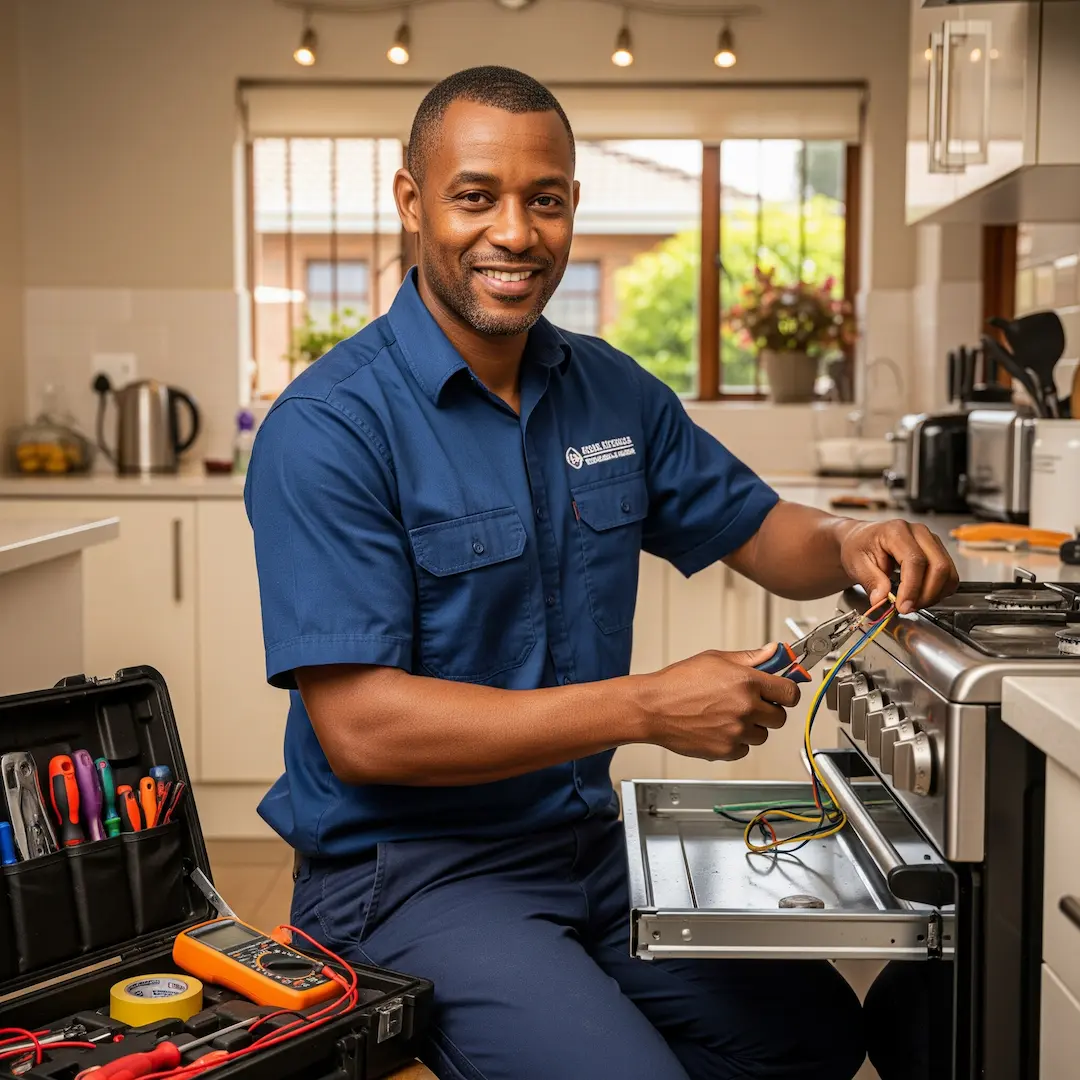
New Electric Stove or Oven? What to Consider Before Installation in Your SA Kitchen
Installing a new electric stove or oven? Learn key electrical considerations for South African kitchens to ensure safe installation, reliable performance, and long-term cooking efficiency.

New Electric Stove or Oven? What to Consider Before Installation in Your SA Kitchen
Upgrading your kitchen with a new electric stove or oven can significantly enhance your cooking experience. However, unlike simply plugging in a toaster, installing these high-wattage appliances involves critical electrical considerations. Getting it right ensures safety, efficiency, and avoids costly future problems. So, what do you need to know before your new appliance arrives? Let's break down the essentials.
Understanding Your Electrical Needs: It's More Than Just a Socket
The most crucial aspect of installing a new electric stove or oven in South Africa is understanding its power requirements and whether your current electrical system can safely accommodate it. These appliances draw a substantial amount of power, far more than your average kettle or microwave.
Dedicated Circuits: A Non-Negotiable Safety Feature
From our discussions with seasoned electricians across the country, one point always stands out: electric stoves and ovens must be connected to a dedicated electrical circuit. This isn't merely a suggestion; it's a fundamental safety requirement and often mandated by SANS (South African National Standards) regulations for electrical installations.
What exactly is a dedicated circuit? It means your stove or oven has its own circuit breaker in your distribution board (DB board), and no other appliance or outlet shares that circuit. Imagine a highway: a dedicated circuit is like an exclusive lane for your stove's power, preventing traffic jams (overloads) that could trip breakers or, worse, lead to overheating and electrical fires.
- Why is this so important? High-wattage appliances sharing a circuit with others can draw too much current, causing the circuit breaker to trip repeatedly. While annoying, this is the breaker doing its job to prevent an overload. If the breaker is faulty or the circuit is overloaded for prolonged periods, it can generate excessive heat in the wiring, potentially melting insulation and igniting surrounding materials. We've heard stories from professionals about encountering old installations where stoves were incorrectly wired, leading to scorched outlets or even small electrical fires behind the wall – a terrifying scenario for any homeowner.
Amperage and Voltage: Matching Your Appliance to Your Home
Electric stoves and ovens come in various power ratings, typically measured in watts (W) or kilowatts (kW). This rating directly correlates to the amperage (current) they will draw.
- Voltage: In South Africa, residential electricity is typically supplied at 230V for single-phase connections, which is what most homes have. Larger, commercial-grade ovens might require three-phase power, but this is rare for residential setups.
- Amperage: The higher the wattage of your appliance, the higher the amperage it will draw. For instance, a standard electric oven might draw around 15-20 amps, while a full-size freestanding stove with multiple elements and an oven could draw 30-40 amps or more. Your dedicated circuit, including the breaker and wiring, must be rated to safely handle this amperage.
This is where expert knowledge comes in. An experienced electrician will assess your new appliance's specifications and your existing electrical infrastructure. They'll check the current capacity of your wiring (wire gauge) and the rating of the circuit breaker in your DB board to ensure they are sufficient. If they're not, it might necessitate an upgrade to thicker wiring and a higher-rated breaker, or even a main electrical supply upgrade for your home in older properties.
Pre-Installation Checks: What to Look For in Your Kitchen
Before anyone touches a tool, there are a few practical considerations in your kitchen space itself.
- Space and Fit: This might seem obvious, but always double-check the dimensions of your new appliance against the available space. Measure the width, depth, and height carefully. Remember to account for proper ventilation gaps around the appliance, as recommended by the manufacturer. You don't want your shiny new stove arriving only to find it's a few centimetres too wide!
- Existing Wiring Condition: If you're replacing an old stove, an electrician will inspect the existing wiring. Over time, insulation can degrade, or wires can become damaged. It’s not uncommon for electricians to find brittle wiring or improperly terminated connections from previous DIY attempts, highlighting the need for a professional assessment.
- Ventilation: While electric ovens don't produce combustion by-products like gas ovens, proper ventilation is still important, especially for heat dissipation. Consider an extractor fan if you don't already have one.
Do I Need an Electrician for Stove Installation? The Resounding Yes.
This is perhaps the most critical question, and the answer, unequivocally, is yes. You absolutely need a qualified and registered electrician to install an electric stove or oven in South Africa. Attempting to DIY this can be incredibly dangerous, not only risking damage to your expensive new appliance but, more importantly, posing a severe risk of electrocution or electrical fire.
Here's why professional electrical installation is crucial:
- Safety First: Electricians are trained to work with high voltages and currents safely. They understand the intricacies of electrical circuits, earthing requirements, and load balancing. They use proper tools and adhere to strict safety protocols.
- Compliance with SANS Standards: Electrical installations in South Africa are governed by SANS 10142-1, the Wiring Code. A qualified electrician ensures your installation complies with these standards, which are designed to prevent electrical hazards. Non-compliant installations can void your home insurance in the event of an electrical fire.
- Correct Wiring and Connections: This involves more than just connecting a few wires. It includes correctly sizing the circuit breaker, ensuring proper earthing, using the correct type and gauge of wiring, and securely terminating all connections. Loose or incorrect connections are a leading cause of electrical fires.
- Certificate of Compliance (CoC): For any significant electrical work, including new appliance installations that alter the fixed wiring, a Certificate of Compliance (CoC) is often required. This document, issued by a qualified electrician, certifies that the electrical installation meets all safety standards. While not always mandatory for a simple like-for-like replacement if no changes are made to the fixed wiring, it's good practice to get one, especially for new circuits or significant upgrades. It’s your proof that the work was done correctly and safely. Many homeowners are surprised to learn about CoCs only when selling their property, but it's vital for peace of mind from day one.
- Troubleshooting and Warranty: If an issue arises with your new appliance after installation, a professional can properly diagnose whether it's an appliance fault or an electrical issue. Furthermore, many appliance manufacturers may void warranties if the installation was not performed by a certified professional.
From an electrician's perspective, they often recount instances where they've been called out to "fix" DIY installations that have gone wrong – from repeatedly tripping breakers to dangerously hot wall sockets, all because the homeowner underestimated the complexity of the task. It's an expense upfront, but it's an investment in your safety and peace of mind.
What to Expect During the Installation Process
When a qualified electrician comes to install your new electric stove or oven, here’s a general idea of what the process might involve:
- Pre-Installation Assessment: They will review the appliance specifications and your existing electrical setup, including your DB board, to confirm compatibility and identify any necessary upgrades.
- Safety Precautions: The electrician will first switch off the power to the relevant circuit (or the main power to your home) at the DB board to ensure safety.
- Wiring and Connection: They will run the appropriate electrical wiring from your DB board to the appliance's location, ensuring it's on a dedicated circuit. They will then correctly connect the appliance to the power supply, making sure all terminals are secure and correctly earthed.
- Testing: Once connected, they will test the installation thoroughly using specialised equipment. This includes checking voltage, amperage, earth continuity, and ensuring the circuit breaker trips correctly under fault conditions. They'll also test the appliance itself to ensure it powers on and functions as expected.
- Clean-up and Advice: A professional will clean up any mess created during the installation and provide you with essential advice on using your new appliance safely.
Final Thoughts Before You Buy
Choosing a new electric stove or oven is exciting, but remember that the installation is just as, if not more, important than the appliance itself. Prioritising professional electrical installation is not just about convenience; it's about protecting your home, your family, and your investment. Don't cut corners when it comes to electricity.
Frequently Asked Questions
How long does electric stove installation usually take?
The installation time can vary depending on the complexity of the job. If a dedicated circuit is already in place and suitable, it might take a professional electrician anywhere from 1 to 3 hours. However, if new wiring needs to be run from the distribution board, or upgrades are required, it could take half a day or even longer.
Can I use an extension cord for my electric stove?
Absolutely not. Electric stoves and ovens draw a very high amount of power, far exceeding the capacity of standard extension cords. Using an extension cord can lead to overheating, damage to the cord and appliance, and a significant risk of electrical fire. Always connect your stove directly to a properly installed wall outlet or terminal box on a dedicated circuit.
What are the signs that my current electrical system isn't sufficient for a new stove?
Common signs include frequently tripping circuit breakers when the old stove was in use, dimming lights when the stove is on, or a burning smell coming from the wall outlet or distribution board. If you experience any of these, it's a strong indication that your electrical system needs an upgrade before installing a new, potentially more powerful appliance.
How often should I have my electrical system checked after appliance installations?
It's a good idea to have your home's electrical system periodically inspected by a qualified electrician, perhaps every 5-10 years, especially if you've added new major appliances. This helps ensure everything remains safe and compliant, catching potential issues before they become problems.
Find a vetted electrician near you
Electric stove or oven installations: find a pro near you
- Electric stove or oven installations near you
- Electric stove or oven installations in Johannesburg
- Electric stove or oven installations in Sandton
- Electric stove or oven installations in Midrand
- Electric stove or oven installations in Roodepoort
- Electric stove or oven installations in Randburg
- Electric stove or oven installations in Pretoria
- Electric stove or oven installations in Cape Town
Suzette Meyer is the lead author and content creator for Kandua.com, South Africa’s #1 marketplace for home services. Suzette has made it her mission to help homeowners with advice on all aspects of home repair, maintenance and improvement, including how to choose the right Pro and how to make smart upgrades that improve your resale value or save costs.

Latest articles, advice and more
.webp)
.webp)
.webp)
.webp)
.jpeg)
Sinking Pavers, Weeds and Water That Pools: What Your Driveway Is Telling You
When your driveway starts sprouting weeds, pooling water, or sinking in patches, the bricks are not failing you. The layers underneath have moved, and they are trying to tell you exactly what went wrong.
.webp)
.webp)
Beyond the Unboxing: A Detailed Guide to Correct Washing Machine Plumbing & Setup
New washing machine in South Africa? Learn essential plumbing and setup tips to prevent leaks, ensure efficient operation, and extend your appliance’s lifespan - expert advice before your first load.
.webp)
New Washing Machine? Don't Plug It In Yet! Essential Installation Tips for SA Homes
Installing a new washing machine? Learn the essential setup steps South African homeowners often overlook to prevent leaks, noise, and damage—and ensure efficient, long-lasting performance from day one.
.webp)
.webp)
%25201200%2520x%25201200%2520(1).jpeg)
What Retiling a Bathroom Costs in 2026, Room by Room
Retiling a bathroom in South Africa costs between R230 and R800 per square metre in 2026, including materials and labour. A standard family bathroom, stripped and fully retiled, usually lands between R11,800 and R27,500. A guest toilet costs a fraction of that. A large porcelain en-suite costs a lot more.
How to Install a Horizontal Geyser | Step-by-Step Pro Guide
Want to install a geyser like a pro? This step-by-step tutorial shows you exactly how to do a horizontal Ariston Axios geyser installation, straight from the BluLever plumbing workshop. 🎥 Hosted by MK, BluLever’s technical facilitator, and supported by a qualified electrician, Life and a BluLever graduate artisan, Zinhle. This is your ultimate guide to a SANS 10254-compliant installation — from preparing the wall, to plumbing, electrical wiring, and pro troubleshooting tips.
How to Maintain a Geyser | Step-by-Step Pro Guide
Want to maintain a geyser like a pro? This step-by-step tutorial shows you exactly how to do the three core geyser maintenance checks on an Ariston Axios geyser installation, straight from the BluLever plumbing workshop. 🎥 Hosted by MK, BluLever’s technical facilitator, and supported by a qualified electrician, Life. This is your ultimate guide to geyser maintenance — from diagnosing the problem to checking the heat regulation of the geyser, to pressure regulation and then finally corrosion protection.
%201.avif)
Not just another newsletter. It's an advantage