
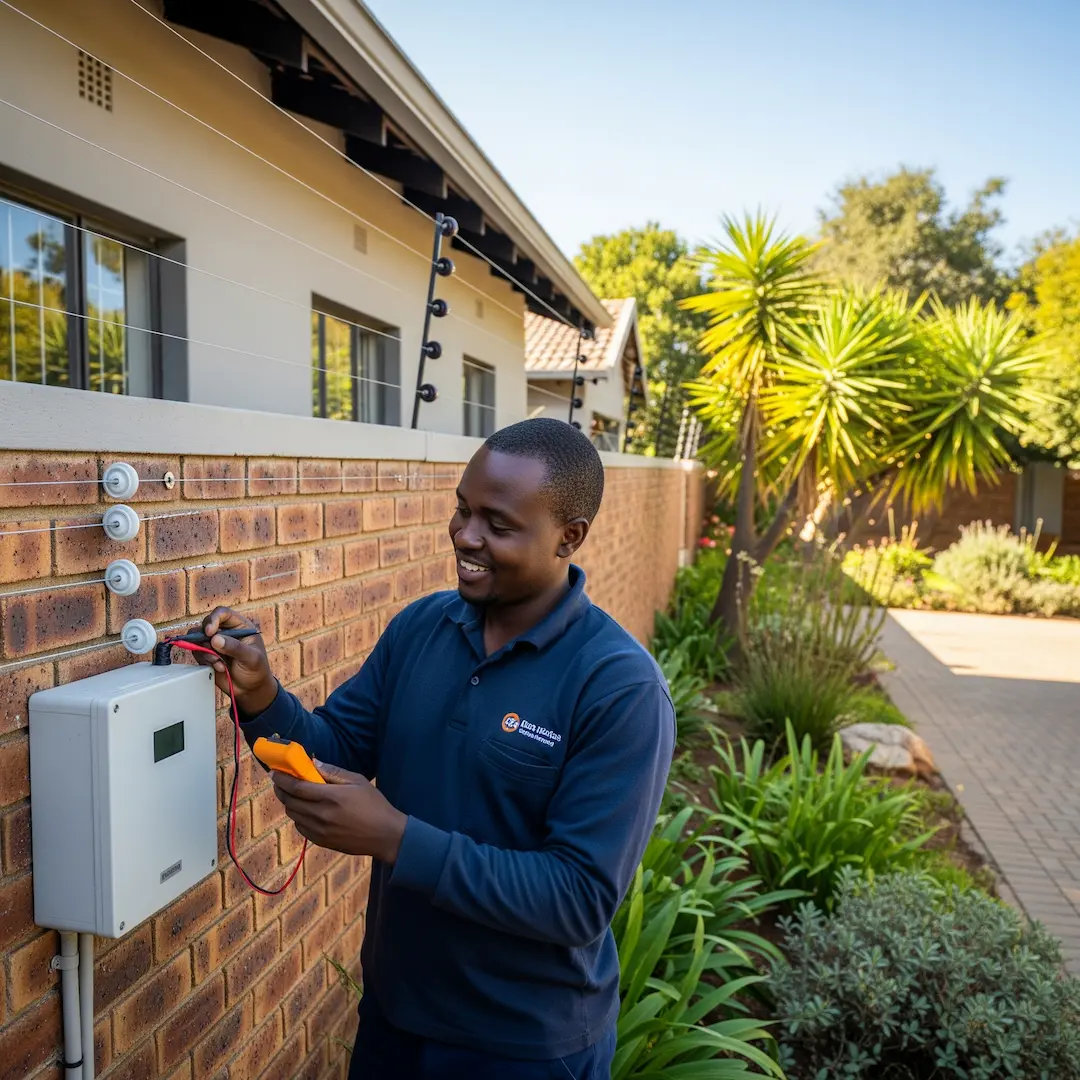
The Electric Fence COC Process in SA: What Inspectors Check & How to Ensure Your Fence is Compliant
Electric fence installed? Learn why a COC is essential for legal compliance, safety, and insurance in South Africa - and what inspectors check to ensure your system meets SANS standards.

Electric fences are a common and effective security measure for many South African homes. They provide a significant deterrent to potential intruders, offering peace of mind to homeowners. However, owning an electric fence comes with responsibilities, particularly regarding safety and compliance with national regulations. This is where the Electric Fence System Certificate of Compliance (COC) comes in.
An electric fence COC is not just a piece of paper; it's a critical document that verifies your electric fence installation adheres to the strict safety standards outlined in the South African National Standards (SANS 10222-3) and the Electrical Machinery Regulations of the Occupational Health and Safety Act. Without a valid COC, you could face legal consequences, insurance claim rejections, and, most importantly, pose a safety risk to those around you.
So, how do you get this essential certificate, and what exactly do inspectors look for? Let's break down the process and the key elements that ensure your electric fence is fully compliant.
When is an Electric Fence COC Required?
You'll need an electric fence COC in a few key scenarios:
- When selling your property: This is the most common trigger. If your property has an electric fence installed after 1 October 2012, a valid COC is legally required for the transfer of ownership. Even if your fence was installed before this date, if any alterations or additions have been made to it since then, a new COC becomes compulsory.
- After any alterations or additions: If you make significant changes to your existing electric fence system, such as extending it, replacing major components like the energizer, or modifying its configuration, you'll need a new COC to ensure the updated system remains compliant.
- New installations: Any newly installed electric fence system requires a COC to be issued by a registered Electric Fence System Installer.
It's important to note that an electric fence COC is separate from your general Electrical Compliance Certificate for your property. They are distinct documents covering different aspects of electrical safety.
The Electric Fence COC Inspection Process
When you call out a registered Electric Fence System Installer for a COC inspection, they'll conduct a thorough assessment of your entire system. Based on insights from experienced installers we work with, here's a detailed look at what they typically check:
1. Energizer Placement and Specifications
The energizer is the heart of your electric fence, responsible for delivering the electric pulse. Inspectors will pay close attention to its installation:
- Location: The energizer must be installed in a weatherproof location, protected from the elements. If it's outdoors, it needs adequate housing. One installer recounted a case where an energizer was simply placed on a wall, exposed to direct rain and sun, leading to frequent short circuits and eventual failure. This kind of negligence immediately flags a non-compliance.
- Fire Hazard: It must not be installed in a location where it could become a fire hazard.
- Distance from other electrical systems: The energizer's earth must be at least 2 metres away from the earth of any other electrical system (like your house's main electrical earth). This prevents interference and ensures proper earthing for both systems.
- Compliance with safety regulations: The energizer itself must comply with relevant SANS safety regulations (specifically SANS 60335).
2. Earthing System
Proper earthing is absolutely crucial for both safety and the effective operation of your electric fence. A poorly earthed fence can be dangerous and won't deliver a consistent shock. Our expert installers emphasise the following points:
- Minimum Earth Electrodes: The SANS regulations specify minimum requirements for an electric fence earth system. This typically includes a minimum of three earth electrodes (often called earth spikes) installed in close proximity to the energizer.
- Electrode Specifications: These electrodes must be a minimum length of 1.2m with a minimum diameter of 10mm, and made from specific materials like galvanised steel, copper-clad steel, copper, or stainless steel.
- Spacing of Electrodes: The electrodes must be linked together and inserted at a minimum distance equal to their length from each other (e.g., if using 1.2m stakes, they should be at least 1.2m apart).
- Additional Earth Stakes: For domestic security fences, additional earth stakes should be installed at 30m intervals along the fence line, excluding the three at the energizer.
- Connection and Cabling: All earth wires on the electric fence must be properly connected to the earth electrodes. The connecting leads used must be of a similar or larger diameter than the fence's wire conductors. For inspection purposes, cabling from the fence to earth spikes should not be buried.
- Voltage Reading: Inspectors will often use a voltmeter to check the earth system's effectiveness. Ideally, the voltage reading between a live wire and an earth stake should be less than 300V. If it's higher, it indicates an issue with the earthing that needs to be rectified.
3. Fence Structure and Wire Configuration
The physical setup of the fence itself is a major component of the inspection:
- Wall Height/Placement: If mounted on a wall, the electric fence must be at least 1.5 metres above ground level at any point. If it's a freestanding fence, it must be set back at least 1 metre from the boundary.
- Bracket Angling: Angled brackets are allowed at a maximum of 45 degrees, provided they are on the inside of your property. They may only angle into your neighbour's property if you have their written permission.
- No Shared Boundary Wall Electrification: The fence must not be installed on shared boundary walls without written consent from your neighbour.
- Wire Spacing: Wires should be kept at least 100mm apart to prevent accidental contact between live and earth wires, which can cause short circuits and reduce the fence's effectiveness.
- Conductor Termination: Conductors (wires) must be terminated correctly, often with ferrules or solder, to ensure good electrical contact and prevent loose connections.
- Prohibited Materials: Barbed wire or razor wire may not be electrified with an energizer, as they are designed to cause serious harm, which goes against the non-lethal principle of electric fences.
- Fence Condition: The overall condition of the fence, including proper tensioning of wires, intact insulators (especially UV-stabilised ones to prevent degradation from sunlight), and no vegetation touching the wires (which can cause short circuits and "leak" power), will be assessed. A common observation by installers is overgrown vegetation touching the bottom wires, which significantly drains power from the energizer, rendering the fence ineffective.
4. Warning Signs
Clear and visible warning signs are a non-negotiable safety requirement:
- Visibility: Yellow warning signs with black lettering must be placed in clearly visible positions, typically 1.5 to 2 metres above ground level.
- Placement: Signs must be placed over gates, at the corners of the property, and not more than 200mm from each corner or bend in a straight length of fence.
- Spacing: In urban areas, the maximum distance between warning signs must not exceed 10 metres. If your fence runs along a public road or pathway, these signs are essential. For rural or game fences, the spacing can be up to 100 metres.
- Access Gates: Signs must also be displayed on any access gate if present, and not more than 200mm on either side of the access area on which an electric fence is erected.
- Multi-language: Ideally, warning signs should be in all official languages relevant to the area for maximum public awareness.
5. Electrified Gates and Structures
Any gates or structures that are electrified must be designed to prevent accidental shock:
- Safe Operation: Electrified gates must be able to open and close without posing a shock hazard to individuals operating them.
- No Entanglement/Hazard: The electric fence should not cause any electrical hazard or entanglement to persons or animals. This means no parts of the fence should be easily touched accidentally by passers-by.
Common Compliance Failures and How to Avoid Them
Based on numerous inspections, certain issues pop up more frequently than others, leading to non-compliance:
- Poor Earthing: This is perhaps the most common failure. Homeowners often underestimate the importance of a robust earthing system. Insufficient earth spikes, improper spacing, or poor connections will result in a weak or ineffective fence, and a failed inspection.
- Overgrown Vegetation: Simple maintenance neglect, such as allowing plants or trees to grow into contact with the electric fence wires, creates consistent short circuits. This drains the energizer, reduces the fence's effectiveness, and will be a red flag during inspection.
- Incorrect Warning Signage: Missing, faded, incorrectly placed, or insufficient warning signs are a frequent issue.
- Non-Registered Installers: Many property owners unknowingly use handymen or general electricians who are not registered Electric Fence System Installers. Only a registered EFSI can legally issue a COC. Using an unregistered individual, even if they seem skilled, can void your certificate and potentially your insurance. Always ask for their EFSI number.
- Incorrect Bracket Angles or Boundary Encroachment: Angling brackets outwards into a neighbour's property without explicit written consent is a common legal and compliance issue.
- Electrified Barbed/Razor Wire: This is a serious safety violation and will always lead to immediate non-compliance.
- Inadequate Energizer Protection: An energizer exposed to the elements will deteriorate quickly and is a compliance failure.
Ensuring Your Fence is Compliant Before Inspection
Before you even call an inspector, conducting a basic self-check can save you time and potential repair costs:
- Clear Vegetation: Walk along your fence line and trim back any trees, bushes, or grass that are touching or close to touching the wires.
- Check Warning Signs: Ensure all your yellow warning signs are present, visible, intact, and correctly spaced (every 10m in urban areas, at corners, and over gates).
- Visual Inspection of Wires and Insulators: Look for any sagging wires, broken insulators, or obvious damage. All wires should be taut.
- Energizer Check: Ensure your energizer is properly housed and free from moisture. Listen for the regular clicking sound, indicating it's pulsing correctly. If it has an indicator light, ensure it's functioning as expected.
- Earth Spike Visibility: Confirm that your earth spikes are visible and the connections to them are secure.
- Neighbour's Consent (if applicable): If any part of your fence angles over a boundary, ensure you have written permission from your neighbour.
Disclaimer: While these DIY checks can help you identify obvious issues, they are not a substitute for a professional inspection. Electric fence systems carry high voltages, and attempting repairs or detailed inspections without proper training and equipment can be extremely dangerous. Always leave the detailed assessment and any necessary repairs to a qualified and registered Electric Fence System Installer.
By understanding what a professional inspector looks for, you can better prepare your electric fence system for certification, ensuring it's not only compliant but also a truly safe and effective security measure for your property.
Frequently Asked Questions
How long is an electric fence COC valid for?
An Electric Fence Certificate of Compliance is generally valid for two years from the date of issue. However, if any alterations or additions are made to the electric fence system within that two-year period, a new COC will be required.
Can any electrician issue an electric fence COC?
No, only an Electric Fence System Installer (EFSI) who is registered with the Department of Labour is authorised to issue an electric fence COC. A general electrician, even if qualified for other electrical work, cannot issue this specific certificate unless they also hold the EFSI accreditation. Always ask for their EFSI number.
What happens if my electric fence is not compliant?
If your electric fence is found to be non-compliant during an inspection, the registered installer will provide you with a detailed report outlining the necessary repairs or modifications. You will then need to have these issues rectified before a COC can be issued. Failure to obtain a COC when required can lead to legal penalties, fines, and may invalidate your property insurance in the event of an incident involving the fence.
Does an electric fence COC cover damage from lightning strikes?
While a compliant electric fence installation includes earthing and lightning protection measures (as per SANS standards) designed to mitigate risks, a COC itself does not guarantee protection against lightning damage. It certifies that the installation meets safety standards at the time of inspection. Your home insurance policy would typically cover damage from lightning, provided your electric fence was compliant at the time of the strike. It's always advisable to consult your insurance provider regarding specific coverage details.
Find a vetted electrician near you
Electric fence CoC: find a pro near you
Suzette Meyer is the lead author and content creator for Kandua.com, South Africa’s #1 marketplace for home services. Suzette has made it her mission to help homeowners with advice on all aspects of home repair, maintenance and improvement, including how to choose the right Pro and how to make smart upgrades that improve your resale value or save costs.

Latest articles, advice and more
.webp)
.webp)
.jpeg)
Sinking Pavers, Weeds and Water That Pools: What Your Driveway Is Telling You
When your driveway starts sprouting weeds, pooling water, or sinking in patches, the bricks are not failing you. The layers underneath have moved, and they are trying to tell you exactly what went wrong.
.jpeg)
What Your Garage Door Motor Actually Does (And Why It Breaks)
Spoiler alert: your garage door motor isn't actually doing the heavy lifting. The torsion springs carry almost all the weight. The motor simply pushes, pulls, controls the descent so it doesn't slam, and acts as a lock when the door is shut. That’s why a relatively small box on your ceiling can move such a massive door. Want to test this? Pull the red manual release cord and lift the door by hand. If it glides up easily and stays put when you let go, your springs are doing their job, and the fault lies with the motor. If the door feels like dead weight or slams back down- stop. You’ve got a spring problem.
.jpeg)
4 Warning Signs Your Tiles Are Failing (And What They Mean)
Tiles rarely fail overnight. They warn you first. A hollow sound underfoot, grout that crumbles away, a tile that lifts at one edge, or a crack that runs across two tiles all point to something happening under the surface. Here is what each sign means, and how urgent it is.
.webp)
.webp)
Beyond the Unboxing: A Detailed Guide to Correct Washing Machine Plumbing & Setup
New washing machine in South Africa? Learn essential plumbing and setup tips to prevent leaks, ensure efficient operation, and extend your appliance’s lifespan - expert advice before your first load.
.webp)
New Washing Machine? Don't Plug It In Yet! Essential Installation Tips for SA Homes
Installing a new washing machine? Learn the essential setup steps South African homeowners often overlook to prevent leaks, noise, and damage—and ensure efficient, long-lasting performance from day one.
.webp)
.webp)
%25201200%2520x%25201200%2520(1).jpeg)
What Retiling a Bathroom Costs in 2026, Room by Room
Retiling a bathroom in South Africa costs between R230 and R800 per square metre in 2026, including materials and labour. A standard family bathroom, stripped and fully retiled, usually lands between R11,800 and R27,500. A guest toilet costs a fraction of that. A large porcelain en-suite costs a lot more.
How to Install a Horizontal Geyser | Step-by-Step Pro Guide
Want to install a geyser like a pro? This step-by-step tutorial shows you exactly how to do a horizontal Ariston Axios geyser installation, straight from the BluLever plumbing workshop. 🎥 Hosted by MK, BluLever’s technical facilitator, and supported by a qualified electrician, Life and a BluLever graduate artisan, Zinhle. This is your ultimate guide to a SANS 10254-compliant installation — from preparing the wall, to plumbing, electrical wiring, and pro troubleshooting tips.
How to Maintain a Geyser | Step-by-Step Pro Guide
Want to maintain a geyser like a pro? This step-by-step tutorial shows you exactly how to do the three core geyser maintenance checks on an Ariston Axios geyser installation, straight from the BluLever plumbing workshop. 🎥 Hosted by MK, BluLever’s technical facilitator, and supported by a qualified electrician, Life. This is your ultimate guide to geyser maintenance — from diagnosing the problem to checking the heat regulation of the geyser, to pressure regulation and then finally corrosion protection.
%201.avif)
Not just another newsletter. It's an advantage