
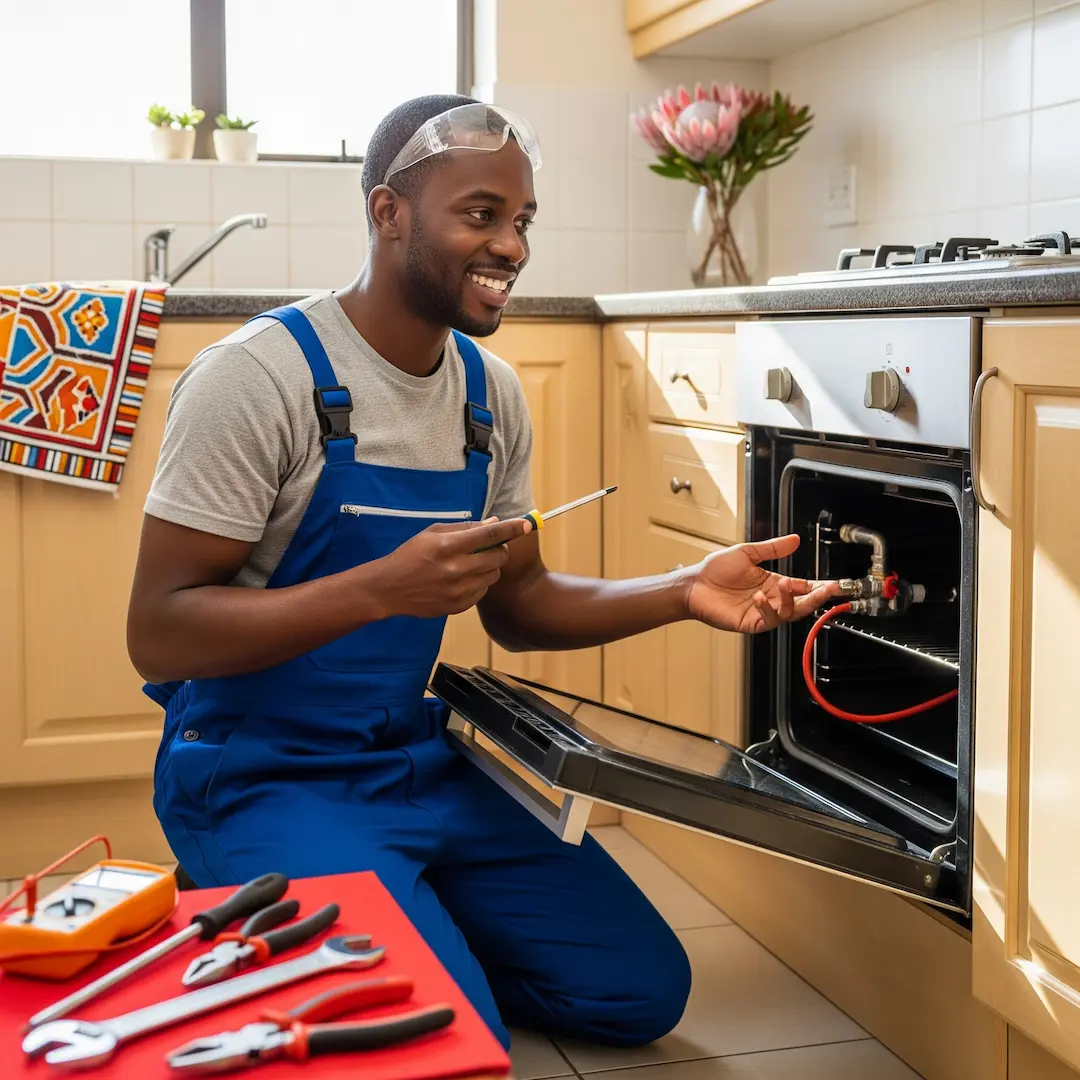
Your Natural Gas Oven is Fixed! Safety Checks & Maintenance Tips for SA Homeowners
Natural gas oven repaired in South Africa? Learn essential post-repair safety checks and maintenance tips to ensure safe operation, long-term reliability, and peace of mind for your home.

Your Natural Gas Oven is Fixed! Safety Checks & Maintenance Tips for SA Homeowners
There's a special kind of relief that washes over you when a household appliance, especially something as critical as a natural gas oven, is finally back in working order. Perhaps you recently had a professional come out to fix a flickering pilot light or a burner that wasn't igniting consistently. Now that the repair is complete, it's natural to want to ensure everything is not just functional, but also safe for the long haul.
In South Africa, where natural gas is a popular and efficient energy source for many homes, understanding post-repair safety and ongoing maintenance is paramount. This isn't just about prolonging the life of your appliance; it's about protecting your home and family.
Immediate Post-Repair Checks: What to Look For (And Smell For)
Even after an expert has completed a repair, it’s a good practice to perform a few quick checks yourself. Our experienced service providers often share stories of homeowners who, after a repair, noticed minor anomalies they might have otherwise ignored. This isn't to say the repair wasn't thorough, but rather that an extra set of observant eyes can be beneficial.
- The Sniff Test: Recognizing Gas Smells: This is perhaps the most crucial check. Natural gas itself is odourless, but a chemical called mercaptan is added to give it that distinctive "rotten egg" or "sulphur" smell.
- After a repair, a faint smell of gas might linger for a very short period as residual gas dissipates from the system. However, this should be extremely subtle and disappear quickly.
- Any persistent, strong, or worsening gas smell immediately after a repair is a red flag. If you detect this, or if the smell returns later, ventilate the area immediately by opening windows and doors, turn off the gas supply if it's safe to do so, and contact a qualified professional without delay. Never try to locate the source of a strong gas leak yourself with an open flame.
- Visual Inspection: Take a moment to visually inspect the oven and the surrounding connections.
- Are all panels securely in place?
- Are gas lines looking properly connected and free from kinks or obvious damage? (Though you shouldn't be touching these, just observing).
- Is the oven door sealing properly? A good seal is vital for efficient operation and preventing gas leaks when the oven is in use.
- Functionality Test: Turn on all burners and the oven to ensure they ignite smoothly and consistently.
- Burner Flames: Look for a steady, blue flame. A yellow or orange flame, or a flickering flame, can indicate incomplete combustion, which might be a sign of an issue with the gas-to-air mixture. This is something our professionals always check during a service call, but it's worth observing.
- Oven Temperature: If your oven has a temperature display, check if it's reaching and maintaining the set temperature. You can also use an oven thermometer for a more accurate reading.
The Importance of Proper Ventilation
One common oversight, even in well-maintained kitchens, is inadequate ventilation. This becomes even more critical when using natural gas appliances. When gas burns, it produces carbon dioxide and water vapour. Incomplete combustion can produce carbon monoxide, a highly dangerous, odourless, and colourless gas.
- During Use: Always use your extractor fan or open a window when cooking with your natural gas oven and hob. This draws out combustion by-products, heat, and cooking odours.
- After Use: Allow some time for residual heat and any lingering vapours to clear before closing windows or turning off the extractor.
- Carbon Monoxide Detectors: While not mandatory in every home in South Africa, installing a carbon monoxide detector in or near your kitchen is a wise investment for any home with gas appliances. These devices provide an early warning of dangerous CO levels.
Common Warning Signs That Your Natural Gas Oven Needs Attention
Even with the best maintenance, appliances can develop issues. Being proactive can prevent small problems from becoming large, expensive, or even dangerous ones. Here's what our expert technicians frequently advise homeowners to look out for:
- Persistent Gas Odour: As mentioned, this is the most critical sign. Never ignore a gas smell.
- Yellow or Orange Flames: As discussed earlier, gas flames should generally be blue. If you see persistent yellow or orange flames, especially with soot accumulation on pots and pans, it indicates poor combustion.
- Difficulty Igniting: If your burners or oven repeatedly fail to ignite, or take several attempts, there's an underlying issue with the igniter or gas supply.
- Pilot Light Problems: For older models with a standing pilot light, if it frequently goes out or flickers excessively, it needs to be checked.
- Uneven Heating: If your oven isn't baking evenly, with some parts of the food burning while others are undercooked, it could indicate a problem with the burner or temperature sensor.
- Hissing Sounds: Any unusual hissing sound near your gas lines or oven can indicate a gas leak.
- Increased Gas Bills: If your gas bills suddenly spike without a corresponding increase in usage, it might point to an inefficient appliance or a leak.
- Physical Damage: Any visible damage to gas lines, connectors, or the appliance itself should prompt an immediate professional inspection.
Ongoing Maintenance Tips for Longevity and Safety
Regular, albeit simple, maintenance can significantly extend the life of your natural gas oven and ensure its safe operation.
- Keep it Clean: Regularly clean spills and food debris from the oven interior and around the burners. Burnt-on food can affect burner performance and even pose a fire risk. For the oven interior, always refer to your manufacturer's cleaning instructions. Some ovens have self-cleaning functions; use these as directed.
- Check Burner Ports: Food particles can clog burner ports. Gently clean these with a non-abrasive brush or a thin wire to ensure even gas flow. Always ensure the appliance is cool and disconnected from the gas supply if performing any detailed cleaning near the burners.
- Inspect Gas Hoses and Connections Annually: While you shouldn't disconnect them yourself, visually inspect the flexible gas hose connecting your oven to the wall for kinks, cracks, or signs of wear.
- Avoid Overloading Racks: Distribute food evenly on oven racks to allow for proper air circulation and even cooking. Overloading can restrict heat distribution.
- Professional Servicing: This is arguably the most important maintenance tip. Arrange for a qualified and registered gas technician to inspect and service your natural gas oven annually. This preventative measure can catch potential issues before they become serious problems. During a service, they will check for leaks, inspect components, and ensure optimal performance and safety, adhering to South African National Standards (SANS) guidelines where applicable.
Why Professional Expertise is Non-Negotiable
When it comes to natural gas appliances, DIY repairs or ignoring warning signs are simply not an option. The risks associated with gas leaks, carbon monoxide poisoning, or explosions are severe.
This is why, in South Africa, it is an absolute requirement that any work on gas installations and appliances, including repairs and servicing, must be carried out by a professional registered with the SAQCC Gas (South African Qualification and Certification Committee for Gas). This ensures that the individual has the necessary training, expertise, and adheres to strict safety standards, like those outlined in SANS 10087-1 for the handling, storage, and distribution of liquefied petroleum gas (LPG) and natural gas. Our service providers consistently highlight that this isn't just a recommendation, it's a legal and safety imperative.
By understanding what to look for after a repair, maintaining your appliance, and knowing when to call in the experts, you can continue to enjoy the convenience and efficiency of your natural gas oven with peace of mind.
Frequently Asked Questions
How often should I have my natural gas oven professionally serviced?
It's highly recommended to have your natural gas oven, and indeed all your gas appliances, inspected and serviced by a SAQCC Gas registered professional at least once a year. This helps ensure optimal performance, efficiency, and safety.
What should I do if I smell a strong gas odour in my kitchen?
If you detect a strong gas smell, immediately open all windows and doors to ventilate the area. If safe to do so, turn off the gas supply at the main valve. Do not switch any electrical appliances on or off, do not light matches, and do not use your phone in the immediate vicinity. Evacuate the premises and contact your gas supplier or a qualified SAQCC Gas registered technician from a safe location.
Can I use any type of cleaner inside my natural gas oven?
Always refer to your natural gas oven's manufacturer guidelines for cleaning. Many ovens have specific instructions for self-cleaning cycles or recommend particular cleaning products. Using abrasive cleaners or methods not recommended by the manufacturer can damage the oven's interior or components.
Why are my gas oven flames yellow instead of blue?
A yellow or orange flame, particularly if accompanied by soot, usually indicates incomplete combustion. This means the gas-to-air mixture is incorrect. This can lead to inefficient operation and potentially produce carbon monoxide. This issue requires attention from a qualified gas technician to adjust the burner or check for obstructions.
Find a vetted electrician near you
Natural gas appliance repair: find a pro near you
Suzette Meyer is the lead author and content creator for Kandua.com, South Africa’s #1 marketplace for home services. Suzette has made it her mission to help homeowners with advice on all aspects of home repair, maintenance and improvement, including how to choose the right Pro and how to make smart upgrades that improve your resale value or save costs.

Latest articles, advice and more
.webp)
.webp)
.jpeg)
Sinking Pavers, Weeds and Water That Pools: What Your Driveway Is Telling You
When your driveway starts sprouting weeds, pooling water, or sinking in patches, the bricks are not failing you. The layers underneath have moved, and they are trying to tell you exactly what went wrong.
.jpeg)
What Your Garage Door Motor Actually Does (And Why It Breaks)
Spoiler alert: your garage door motor isn't actually doing the heavy lifting. The torsion springs carry almost all the weight. The motor simply pushes, pulls, controls the descent so it doesn't slam, and acts as a lock when the door is shut. That’s why a relatively small box on your ceiling can move such a massive door. Want to test this? Pull the red manual release cord and lift the door by hand. If it glides up easily and stays put when you let go, your springs are doing their job, and the fault lies with the motor. If the door feels like dead weight or slams back down- stop. You’ve got a spring problem.
.jpeg)
4 Warning Signs Your Tiles Are Failing (And What They Mean)
Tiles rarely fail overnight. They warn you first. A hollow sound underfoot, grout that crumbles away, a tile that lifts at one edge, or a crack that runs across two tiles all point to something happening under the surface. Here is what each sign means, and how urgent it is.
.webp)
.webp)
Beyond the Unboxing: A Detailed Guide to Correct Washing Machine Plumbing & Setup
New washing machine in South Africa? Learn essential plumbing and setup tips to prevent leaks, ensure efficient operation, and extend your appliance’s lifespan - expert advice before your first load.
.webp)
New Washing Machine? Don't Plug It In Yet! Essential Installation Tips for SA Homes
Installing a new washing machine? Learn the essential setup steps South African homeowners often overlook to prevent leaks, noise, and damage—and ensure efficient, long-lasting performance from day one.
.webp)
.webp)
%25201200%2520x%25201200%2520(1).jpeg)
What Retiling a Bathroom Costs in 2026, Room by Room
Retiling a bathroom in South Africa costs between R230 and R800 per square metre in 2026, including materials and labour. A standard family bathroom, stripped and fully retiled, usually lands between R11,800 and R27,500. A guest toilet costs a fraction of that. A large porcelain en-suite costs a lot more.
How to Install a Horizontal Geyser | Step-by-Step Pro Guide
Want to install a geyser like a pro? This step-by-step tutorial shows you exactly how to do a horizontal Ariston Axios geyser installation, straight from the BluLever plumbing workshop. 🎥 Hosted by MK, BluLever’s technical facilitator, and supported by a qualified electrician, Life and a BluLever graduate artisan, Zinhle. This is your ultimate guide to a SANS 10254-compliant installation — from preparing the wall, to plumbing, electrical wiring, and pro troubleshooting tips.
How to Maintain a Geyser | Step-by-Step Pro Guide
Want to maintain a geyser like a pro? This step-by-step tutorial shows you exactly how to do the three core geyser maintenance checks on an Ariston Axios geyser installation, straight from the BluLever plumbing workshop. 🎥 Hosted by MK, BluLever’s technical facilitator, and supported by a qualified electrician, Life. This is your ultimate guide to geyser maintenance — from diagnosing the problem to checking the heat regulation of the geyser, to pressure regulation and then finally corrosion protection.
%201.avif)
Not just another newsletter. It's an advantage