
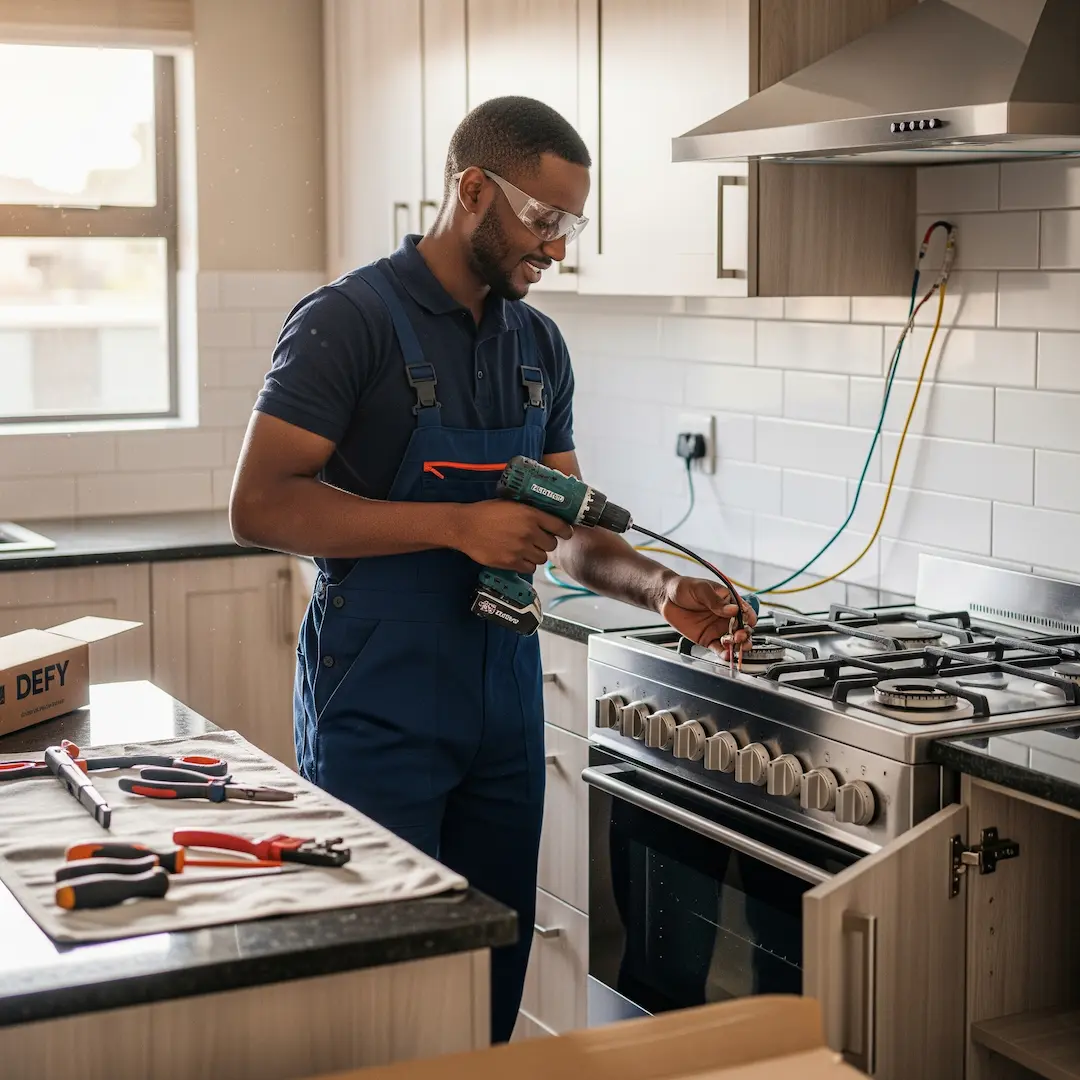
Your New Electric Stove in SA: Post-Installation Care for Longevity & Performance
New electric stove installed in South Africa? Discover essential post-installation care tips to protect performance, prevent damage, and extend your appliance’s lifespan-expert advice every homeowner should know.

Your New Electric Stove in SA: Post-Installation Care for Longevity & Performance
So, you've just had a brand-new electric stove or oven installed in your South African home – congratulations! It's a significant investment, and ensuring its longevity and optimal performance goes beyond the initial installation. Proper care and maintenance are crucial to keep your appliance running smoothly for years to come.
Many homeowners feel a mix of excitement and a slight apprehension about maintaining a new appliance. "Will I scratch it?", "How do I clean this new surface?", or "What if something goes wrong?" are common questions. We've gathered insights directly from experienced electricians and appliance technicians across South Africa to help you navigate the post-installation period with confidence.
Understanding Your Electric Stove: The Basics
Before diving into maintenance, it's helpful to understand the different components you'll be interacting with. Whether you have a ceramic hob, an induction stove, or traditional coil elements, each part requires specific care.
Our expert electricians often highlight that the first few uses of a new oven might produce a slight burning smell. This is typically normal and is just the manufacturing oils burning off. It’s always a good idea to run your oven at a high temperature (around 200°C) for 30-60 minutes before its first cooking use, ensuring good ventilation during this process.
Immediate Post-Installation Checks and Tips
Even though a professional has just installed your stove, a quick visual check on your part can be beneficial.
- Ventilation: Ensure there's adequate space around the unit, especially for built-in ovens. Proper airflow prevents overheating and promotes efficiency. A technician once recounted a job where a new oven kept tripping the circuit breaker; upon investigation, they found the homeowner had pushed it too far back into the cavity, blocking the rear vents. A simple pull forward solved the issue!
- Initial Cleaning: Before its first official use, give the hob and oven interior a wipe down with a soft, damp cloth. Remove any protective films or stickers.
- Power Supply: While your installer would have verified this, be aware of other high-power appliances on the same circuit. Overloading can lead to tripped breakers.
Daily Care: Keeping it Sparkling
Consistent daily care is the easiest way to prevent build-up and maintain the aesthetic appeal of your electric stove.
- Wipe Down Spills Immediately: This is perhaps the most critical daily habit. Spills, especially sugary ones, can bake onto hot surfaces, becoming incredibly difficult to remove later. For ceramic hobs, allow the surface to cool slightly, then gently scrape off any solidified spills with a ceramic hob scraper (never a metal one!) before wiping clean.
- Use Soft Cloths and Mild Cleaners: For general wiping, a microfibre cloth and warm, soapy water are usually sufficient. Avoid abrasive scourers or harsh chemical sprays, which can scratch surfaces or leave residue.
- Clean Control Knobs: These often get greasy. Remove them if possible (check your manual) and wash them in warm, soapy water. Clean the panel underneath before replacing them.
Deep Cleaning: Tackling Stubborn Grime
Every few weeks or months, depending on your cooking frequency, your stove will benefit from a more thorough cleaning.
For Ceramic/Glass Hobs:
- Specialised Cleaners: Invest in a good quality ceramic hob cleaner. These are designed to lift stubborn stains without damaging the glass. Apply a small amount, rub gently with a soft cloth, and then buff to a shine.
- Razor Scrapers (with caution!): For truly baked-on spills, a dedicated hob scraper with a razor blade can be incredibly effective. Always hold it at a very shallow angle (almost flat against the surface) and use light pressure. One technician shared a common mistake they see: homeowners using the scraper at too steep an angle, which can gouge the glass. Be gentle!
For Coil Elements:
- Cool Down Completely: Ensure the elements are completely cool before attempting to clean them.
- Remove and Wipe: If removable, carefully lift the elements and wipe down the drip pans underneath. For the elements themselves, a damp cloth is usually enough. For stubborn, burnt-on food, a light scrubbing brush (not metal) can be used, but avoid submerging them in water.
- Aluminium Foil Trick: For the chrome drip pans, some homeowners find that lightly crumpled aluminium foil can help scrub away baked-on residue with a little soapy water.
For the Oven Interior:
- Self-Cleaning Function: If your oven has a self-cleaning function, follow the manufacturer's instructions carefully. This typically involves high temperatures to turn food residue into ash, which can then be simply wiped away. Ensure good ventilation during this cycle.
- Oven Cleaners (Non-Abrasive): For ovens without a self-cleaning feature, use an oven cleaner specifically designed for the interior. Always wear gloves and ensure good ventilation. Apply as directed, let it sit, and then wipe thoroughly. A professional once advised a client whose oven cleaner left streaks: always wipe out the cleaner with a damp cloth repeatedly until all residue is gone, then follow with a dry buff.
- Natural Alternatives: For a less harsh approach, a paste of baking soda and water can be effective. Apply, let it sit overnight, then spray with white vinegar before scrubbing off.
- Remove Racks and Trays: Clean these separately in a sink with warm, soapy water. For stubborn grease, a degreaser spray can be very effective.
Recognising Signs of Electrical Wear and Tear
While regular cleaning maintains appearance, being vigilant about performance and electrical integrity is crucial for safety and longevity.
- Uneven Heating: If you notice your elements aren't heating evenly, or your oven has hot and cold spots, this could indicate an issue with the heating element itself.
- Flickering Lights: While sometimes a house-wide issue, if the lights in your kitchen flicker noticeably when the stove or oven is on, it could suggest a problem with the appliance's electrical draw or the circuit it's on. This warrants immediate attention from a qualified electrician.
- Strange Odours (Beyond Initial Burn-Off): Any persistent burning smell that isn't food-related, or a smell of melting plastic or rubber, is a serious warning sign. Switch off the appliance at the wall and call an electrician immediately.
- Tripping Breakers: If your stove consistently trips the circuit breaker, it's a clear indication of an electrical fault. Do not ignore this. It means the circuit is drawing too much current, potentially due to a short circuit or faulty component within the stove.
- Visible Damage to Cords or Plugs: While less common with new installations, always inspect the power cord and plug for any fraying, cracks, or discolouration.
- Knobs or Controls Not Responding: If the temperature knobs feel loose, or the digital controls are unresponsive, it could indicate wear on the internal wiring or components.
Our expert electricians always stress: "If in doubt, call a professional." Attempting DIY electrical repairs on an appliance connected to your home's main power supply can be extremely dangerous and voids warranties. Adhering to SANS (South African National Standards) regulations for electrical work is paramount for safety.
Extending Your Stove's Lifespan: Best Practices
Beyond cleaning and vigilance, these habits contribute to a longer, healthier life for your electric stove:
- Use Correct Cookware: For induction hobs, ensure your pots and pans are magnetic. For ceramic hobs, use flat-bottomed cookware to ensure even heat distribution and prevent scratching. Avoid sliding heavy pots across the surface.
- Avoid Overloading Oven Racks: Distribute weight evenly to prevent warping or damage to the racks and oven interior.
- Preheat Properly: Allow your oven to preheat fully before placing food inside. This ensures even cooking and prevents unnecessary strain on the heating elements.
- Don't Use Harsh Cleaners on Stainless Steel: If your stove has stainless steel accents, use a dedicated stainless steel cleaner and wipe in the direction of the grain to avoid streaks and scratches.
- Regular Professional Checks: While not always necessary annually, consider having a qualified appliance technician or electrician inspect your stove every few years, especially if you notice any minor issues. This preventative maintenance can catch small problems before they become costly repairs.
By following these simple yet effective post-installation care tips, you'll not only keep your new electric stove looking great but also ensure it continues to deliver optimal performance for many delicious meals to come. Remember, a well-cared-for appliance is a happy appliance!
Frequently Asked Questions
How do I remove stubborn, baked-on food from my electric ceramic hob?
For stubborn, baked-on food on a ceramic hob, first, ensure the surface is cool. Then, use a dedicated ceramic hob scraper at a very shallow angle to gently lift the hardened residue. Follow up with a specific ceramic hob cleaner, applied with a soft cloth, and buff clean. Avoid using abrasive pads or general kitchen scourers.
Is it normal for my new electric oven to smell when first used?
Yes, it is common for a new electric oven to emit a slight burning or chemical smell during its first few uses. This is typically due to manufacturing oils and protective coatings burning off. To minimise this, ventilate your kitchen well and consider running the oven empty at a high temperature (around 200°C) for 30-60 minutes before its first cooking use.
My electric stove keeps tripping the circuit breaker. What could be the cause?
If your electric stove or oven consistently trips the circuit breaker, it indicates an electrical fault. Common causes include a faulty heating element, a short circuit within the appliance, or an overloaded circuit. It is crucial to switch off the appliance at the wall and contact a qualified electrician immediately to diagnose and resolve the issue for safety reasons.
How often should I deep clean my electric oven?
The frequency of deep cleaning your electric oven depends on how often you use it and what you cook. For regular use, a deep clean every 2-3 months is generally recommended. If you cook frequently or notice significant spills, you may need to clean it more often. Many modern ovens have self-cleaning functions that simplify this process.
Suzette Meyer is the lead author and content creator for Kandua.com, South Africa’s #1 marketplace for home services. Suzette has made it her mission to help homeowners with advice on all aspects of home repair, maintenance and improvement, including how to choose the right Pro and how to make smart upgrades that improve your resale value or save costs.

Related articles, advice and more
.webp)
How to Check If an Electrician Is Registered with ECB
The Electrical Conformance Board of South Africa (ECB) serves as a vital gatekeeper in this industry. If you are in the middle of a renovation or just need a new DB board installed, knowing how to verify your electrician’s registration is the most important step you can take.
What to Do If You Smell Burning from an Electrical Outlet
For South African homeowners, electrical faults are a leading cause of house fires. Whether it is caused by old wiring in heritage homes in suburbs like Melville or Observatory, or the strain placed on systems by post-load shedding surges, knowing exactly how to react can save your property and your life.This guide details the immediate steps you must take, the likely causes of the smell, and what to expect when you call in a professional.
.webp)
.webp)
.webp)
Your Inverter is Repaired! Key Checks to Ensure Continued Backup Power in SA
This guide will walk you through the essential checks and maintenance tips to maximise the lifespan and efficiency of your recently repaired inverter and battery setup, straight from the insights of experienced electricians across South Africa.
.webp)
.webp)
.webp)
Latest articles, advice and more
.webp)
How To Fix A Damp Wall And What's Actually Causing It
If your walls are weeping, your plaster is flaking, or you can smell that musty, damp smell, you're not dealing with one problem; you're dealing with three possible ones. The fix depends entirely on the cause.
.webp)
Gutter Cleaning: How Often Should You Do It and What Does It Cost?
Clean your gutters at least twice a year, and always before your rainy season kicks in. In South Africa, a professional gutter clean usually costs somewhere between R450 and R2,500, depending on the size of your home, how high the roof is, and how blocked things have become. Here is how to work out the right frequency and a fair price.
.webp)
Why Are My Plug Points Not Working? A Troubleshooting Guide
If your plug points have suddenly gone dead, the usual culprits are a tripped earth leakage switch, a tripped circuit breaker, loose or burnt wiring, or a faulty appliance overloading the circuit. Work through the safety checks below before you call anyone, then understand when the job requires a registered electrician.
.webp)
How a Geyser Timer Can Cut Your Electricity Bill
If you've been staring at your Eskom bill and wondering where the money is going, your geyser might be the culprit. Here's the good news: a simple geyser timer can cut your hot water costs by up to 30% each month, which typically saves South African homeowners between R200 and R400 on their electricity bills, depending on their current usage.
%20(1).webp)
How To Treat and Paint Over Damp Walls (So It Doesn't Come Back)
You've noticed a patch on the bedroom wall: discoloured and maybe a bit soft to the touch, and you're wondering if a fresh coat of paint will simply cover the problem. The short answer: no, it won't. But the good news is that understanding what's happening beneath that stain, and treating it properly, is far simpler than you might think.
.webp)
Beyond the Unboxing: A Detailed Guide to Correct Washing Machine Plumbing & Setup
New washing machine in South Africa? Learn essential plumbing and setup tips to prevent leaks, ensure efficient operation, and extend your appliance’s lifespan - expert advice before your first load.
.webp)
New Washing Machine? Don't Plug It In Yet! Essential Installation Tips for SA Homes
Installing a new washing machine? Learn the essential setup steps South African homeowners often overlook to prevent leaks, noise, and damage—and ensure efficient, long-lasting performance from day one.
%20(1).webp)
.webp)
TV Repair Costs in South Africa: Diagnosing Screen, Power & Component Issues
Find out what TV repairs really cost in South Africa – from call-out and diagnosis fees to screen, power and main board fixes – and when it’s cheaper to replace your TV instead of repairing it.
.webp)
Septic Tank Leak Repair Cost in South Africa: Addressing Odours & Environmental Hazards
Learn typical septic tank leak repair costs in South Africa, what drives the price up, how to spot early warning signs (odours, soggy ground, backups), and when it’s safer and cheaper to get a professional in.
How to Install a Horizontal Geyser | Step-by-Step Pro Guide
Want to install a geyser like a pro? This step-by-step tutorial shows you exactly how to do a horizontal Ariston Axios geyser installation, straight from the BluLever plumbing workshop. 🎥 Hosted by MK, BluLever’s technical facilitator, and supported by a qualified electrician, Life and a BluLever graduate artisan, Zinhle. This is your ultimate guide to a SANS 10254-compliant installation — from preparing the wall, to plumbing, electrical wiring, and pro troubleshooting tips.
How to Maintain a Geyser | Step-by-Step Pro Guide
Want to maintain a geyser like a pro? This step-by-step tutorial shows you exactly how to do the three core geyser maintenance checks on an Ariston Axios geyser installation, straight from the BluLever plumbing workshop. 🎥 Hosted by MK, BluLever’s technical facilitator, and supported by a qualified electrician, Life. This is your ultimate guide to geyser maintenance — from diagnosing the problem to checking the heat regulation of the geyser, to pressure regulation and then finally corrosion protection.
%201.avif)
Not just another newsletter. It's an advantage


From problem to solved.


.svg)


.avif)
.avif)
.avif)


.avif)