
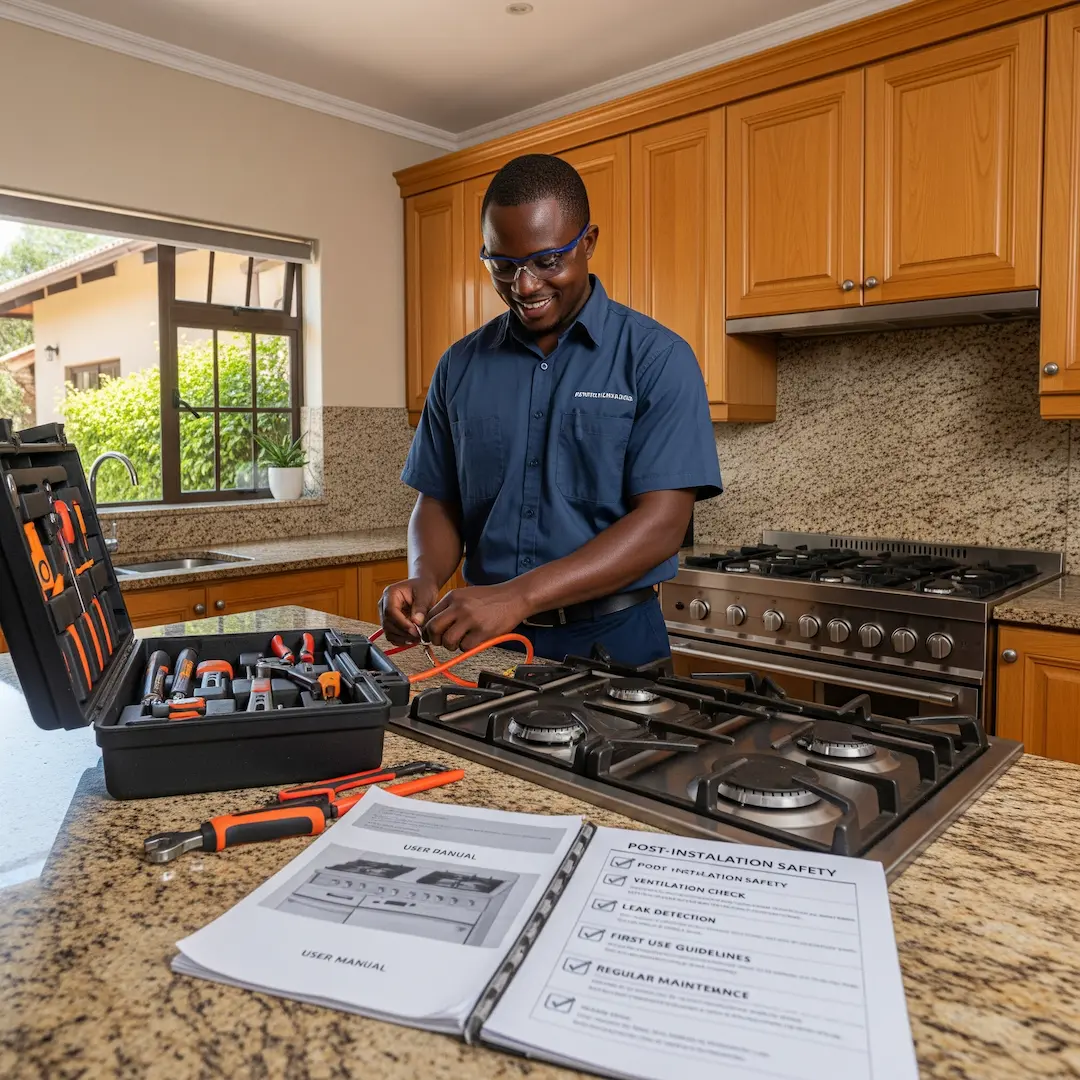
Your New Natural Gas Stove in SA: Essential Care & Safety Tips Post-Installation
Installed a natural gas stove in South Africa? Learn essential post-installation care and safety tips to protect your home, maintain performance, and enjoy efficient, worry-free cooking.

Your New Natural Gas Stove in SA: Essential Care & Safety Tips Post-Installation
Bringing a natural gas stove into your South African home is a fantastic upgrade for many reasons – instant heat, precise temperature control, and often, lower running costs compared to electric alternatives. Once the installation is complete and you've got your Certificate of Conformity (COC) in hand, the next step is ensuring you know how to properly care for your new appliance and, most importantly, how to use it safely. This guide provides essential tips from our expert service providers to help you get the most out of your natural gas stove while maintaining peace of mind.
Understanding Your Natural Gas Connection
Before diving into care and safety, it's crucial to appreciate the fundamental difference between natural gas and LPG (liquefied petroleum gas). Natural gas is piped directly into your home from a municipal supply, similar to how water or electricity is supplied. This means no gas cylinders to refill or exchange, offering continuous supply.
Our trusted technicians often share stories of homeowners initially being a bit apprehensive about having gas piped directly into their homes. "The biggest comfort factor for clients," one installer from Durban mentioned recently, "is really understanding that the system is built with multiple layers of safety. From the main supply line to the flexible connectors behind the stove, everything is designed to minimise risk." This is why a valid COC is not just a piece of paper; it's a testament to a compliant and safe installation.
Essential Care for Your Natural Gas Stove
Keeping your natural gas stove in top condition not only prolongs its life but also contributes to its safe operation.
Cleaning Your Gas Stove
Regular cleaning is key. Spills and grease can accumulate, affecting burner efficiency and posing minor fire risks if left unchecked.
- Daily Wipe-Downs: After each use, let the stove cool, then wipe down the grates and the cooktop surface with a damp cloth and mild dish soap. This prevents food from hardening, making deeper cleaning easier.
- Deep Cleaning Burner Components: About once a month, or more frequently if you cook often, remove the burner caps and burner heads. Our experts advise soaking these in warm, soapy water for about 15-20 minutes. Use a soft brush or sponge to gently scrub away any food residue. Ensure they are completely dry before placing them back on the stove. "We often see issues where burners don't light properly," an installer from Pretoria once explained, "and more often than not, it's simply a clogged burner port from food debris."
- Clearing Clogged Burner Ports: If a burner isn't lighting evenly or has a weak flame, the ports might be clogged. Use a thin, stiff wire (like a paperclip or a needle specifically designed for cleaning stove ports) to gently clear the small holes around the burner head. Never use a toothpick or anything that could break off inside.
- Oven Cleaning (if applicable): For gas ovens, follow the manufacturer's instructions for cleaning. Many modern gas ovens have self-cleaning functions. If not, use a dedicated oven cleaner, ensuring the kitchen is well-ventilated during the process.
Maintaining Optimal Gas Flow and Burner Performance
Good gas flow is crucial for efficient cooking and safety.
- Blue Flame, Not Yellow: When your gas burner is on, observe the flame. It should be a strong, steady blue colour. A yellow or orange flame indicates incomplete combustion, which means the gas isn't burning efficiently and could be producing carbon monoxide. If you notice persistent yellow flames, it's a sign to call a qualified gas technician. "A yellowish flame is your stove telling you something isn't quite right," shared a seasoned technician from Johannesburg, "It could be a simple adjustment needed, or something more serious, so it's always best to get it checked promptly."
- Clear Air Intakes: Ensure the air intake openings on your burners (usually small holes near the base of the burner) are clear of debris. These supply the oxygen needed for proper combustion.
Critical Safety Tips for Natural Gas Stoves
Safety is paramount when dealing with any gas appliance. Here’s what you need to know to operate your natural gas stove safely in your South African home.
Ventilation is Non-Negotiable
This is perhaps the most crucial safety aspect for any gas appliance.
- Why Ventilation Matters: Burning natural gas consumes oxygen and produces carbon dioxide and water vapour. Incomplete combustion can produce carbon monoxide, an odourless, colourless, and highly toxic gas. Proper ventilation ensures these byproducts are safely removed from your home.
- Use Your Extractor Fan: Always use your kitchen extractor fan when cooking with your gas stove. Even if you're just boiling water, turn it on. This actively pulls air and combustion byproducts out of your kitchen.
- Open a Window: Whenever possible, open a window slightly in your kitchen, especially if you're cooking for an extended period or if you don't have an extractor fan. Cross-ventilation is highly effective.
- Never Use for Heating: A natural gas stove is designed for cooking, not for heating your home. Using it to warm a room can lead to dangerously high levels of carbon monoxide.
Understanding the Gas Odour and What to Do
Natural gas itself is odourless. For safety, gas suppliers add a distinct rotten-egg smell (mercaptan) to it so that leaks can be easily detected.
- If You Smell Gas:Do NOT turn on or off any electrical switches, light a match, use your phone, or create any spark.
- Immediately open windows and doors to ventilate the area.
- Turn off the gas supply at the main valve if it is safe and easily accessible (often located near your gas meter or the appliance itself).
- Evacuate everyone from the building.
- Once outside and at a safe distance, call your gas supplier or emergency services immediately. Do not re-enter the building until it has been declared safe by a professional.
Regular Professional Safety Checks
Just like servicing your car, your gas installation needs periodic professional checks.
- Annual Inspections: It is highly recommended to have your natural gas installation and appliances inspected annually by an SAQCC Gas registered technician. This is not just a suggestion; it’s an industry best practice endorsed by our top professionals. They will check for leaks, proper ventilation, burner efficiency, and the integrity of gas lines and connections. "We've caught minor issues during routine checks that could have become major problems if left unaddressed," commented a long-standing gas technician based in Cape Town. "It’s all about prevention."
- Certificate of Conformity (COC): Your initial installation would have come with a COC. Keep this document safe. While it doesn't expire for the installation itself unless significant modifications are made, it is often required for insurance purposes or when selling your home. Annual checks ensure ongoing compliance and safety, even if a new COC isn't issued every year unless a specific defect is found and repaired.
- Never DIY Gas Repairs: Gas work is dangerous and must only be performed by an SAQCC Gas registered technician. Attempting to repair or modify gas lines or appliances yourself can lead to serious injury, explosion, or carbon monoxide poisoning.
General Safety Practices
- Keep Flammables Away: Ensure curtains, paper towels, dishcloths, and other flammable materials are kept well away from the gas burners while in use.
- Supervise Cooking: Never leave cooking unattended, especially when using high heat.
- Child Safety: If you have young children, consider installing stove knob covers or other child-safety devices to prevent accidental activation.
By following these care and safety guidelines, you can enjoy the benefits of your natural gas stove in your South African home with confidence, knowing you are prioritising the safety and well-being of your household.
Frequently Asked Questions
What does a natural gas Certificate of Conformity (COC) confirm?
A natural gas Certificate of Conformity (COC) is a legal document issued by an SAQCC Gas registered technician after a new installation or significant modification. It confirms that the gas installation complies with the national safety standards (SANS 10087-1 for natural gas installations) and is safe for use. It verifies that the work was done correctly and that all components are in good working order.
How often should I have my natural gas stove and installation checked by a professional?
It is strongly recommended to have your natural gas stove and the entire gas installation inspected by an SAQCC Gas registered technician at least once a year. This routine check helps identify potential leaks, ensures proper ventilation, and verifies the ongoing safe operation of your appliance and gas lines.
What should I do if my gas stove burner flame is yellow or orange instead of blue?
A yellow or orange flame usually indicates incomplete combustion, which means the gas is not burning efficiently. This can lead to increased carbon monoxide production. If you notice a persistent yellow or orange flame, it's important to contact an SAQCC Gas registered technician immediately to diagnose and fix the issue.
Is it safe to install a carbon monoxide detector in my kitchen?
Yes, installing a carbon monoxide (CO) detector in your home, especially near gas appliances or sleeping areas, is a highly recommended safety measure. While proper ventilation is the primary defence against CO build-up, a detector provides an extra layer of protection by alerting you to the presence of this dangerous, odourless gas.
Find a vetted electrician near you
Natural gas appliance installation: find a pro near you
Suzette Meyer is the lead author and content creator for Kandua.com, South Africa’s #1 marketplace for home services. Suzette has made it her mission to help homeowners with advice on all aspects of home repair, maintenance and improvement, including how to choose the right Pro and how to make smart upgrades that improve your resale value or save costs.

Latest articles, advice and more
.webp)
.webp)
.webp)
.webp)
.jpeg)
Sinking Pavers, Weeds and Water That Pools: What Your Driveway Is Telling You
When your driveway starts sprouting weeds, pooling water, or sinking in patches, the bricks are not failing you. The layers underneath have moved, and they are trying to tell you exactly what went wrong.
.webp)
.webp)
Beyond the Unboxing: A Detailed Guide to Correct Washing Machine Plumbing & Setup
New washing machine in South Africa? Learn essential plumbing and setup tips to prevent leaks, ensure efficient operation, and extend your appliance’s lifespan - expert advice before your first load.
.webp)
New Washing Machine? Don't Plug It In Yet! Essential Installation Tips for SA Homes
Installing a new washing machine? Learn the essential setup steps South African homeowners often overlook to prevent leaks, noise, and damage—and ensure efficient, long-lasting performance from day one.
.webp)
.webp)
%25201200%2520x%25201200%2520(1).jpeg)
What Retiling a Bathroom Costs in 2026, Room by Room
Retiling a bathroom in South Africa costs between R230 and R800 per square metre in 2026, including materials and labour. A standard family bathroom, stripped and fully retiled, usually lands between R11,800 and R27,500. A guest toilet costs a fraction of that. A large porcelain en-suite costs a lot more.
How to Install a Horizontal Geyser | Step-by-Step Pro Guide
Want to install a geyser like a pro? This step-by-step tutorial shows you exactly how to do a horizontal Ariston Axios geyser installation, straight from the BluLever plumbing workshop. 🎥 Hosted by MK, BluLever’s technical facilitator, and supported by a qualified electrician, Life and a BluLever graduate artisan, Zinhle. This is your ultimate guide to a SANS 10254-compliant installation — from preparing the wall, to plumbing, electrical wiring, and pro troubleshooting tips.
How to Maintain a Geyser | Step-by-Step Pro Guide
Want to maintain a geyser like a pro? This step-by-step tutorial shows you exactly how to do the three core geyser maintenance checks on an Ariston Axios geyser installation, straight from the BluLever plumbing workshop. 🎥 Hosted by MK, BluLever’s technical facilitator, and supported by a qualified electrician, Life. This is your ultimate guide to geyser maintenance — from diagnosing the problem to checking the heat regulation of the geyser, to pressure regulation and then finally corrosion protection.
%201.avif)
Not just another newsletter. It's an advantage